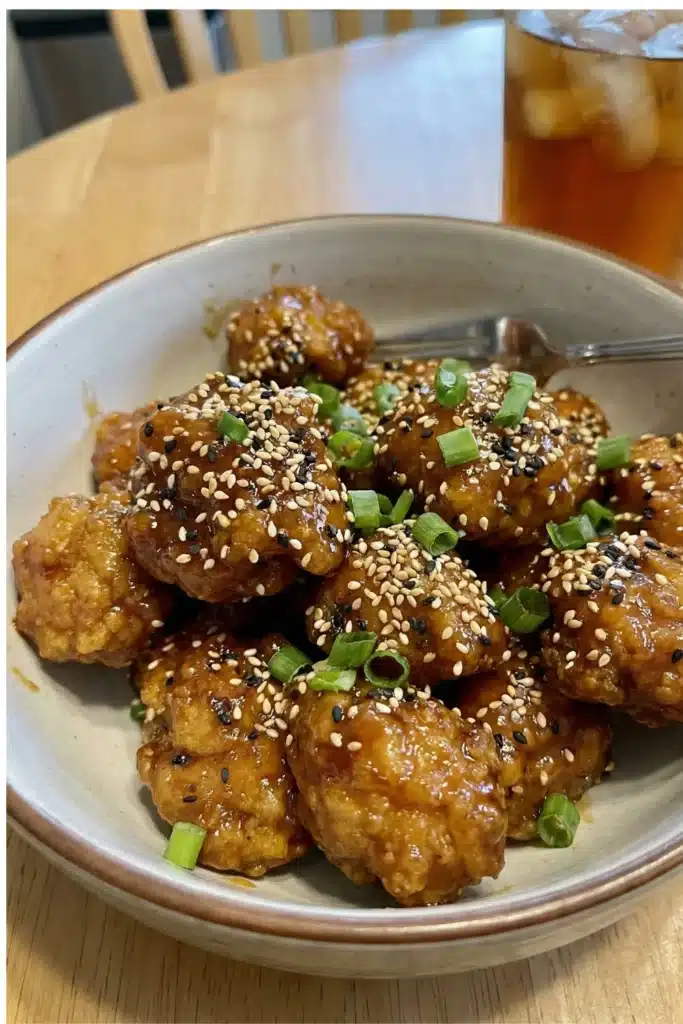
Did you know that the average household spends nearly $3,000 a year on takeout? That is absolutely wild! I used to be one of those people, calling up my local spot every Friday night for my usual order. But let me tell you, nothing beats the satisfaction of making it yourself. We are talking about piping hot, crispy sesame chicken right out of the wok—not the soggy stuff that arrives in a plastic container 45 minutes later.
In this guide, I’m going to show you exactly how to replicate that classic restaurant flavor at home. We will cover everything from getting that batter impossibly crunchy to nailing the perfect balance of sweet and savory in the sauce. Let’s get cooking!
Choosing the Best Chicken for Chinese Takeout Recipes
I used to be one of those people who refused to eat anything but boneless, skinless chicken breasts. I thought I was being “healthy,” but honestly, I was just making my life harder. I remember the first time I tried to make a sesame chicken recipe for my family using lean breast meat. I was so proud until we actually sat down to eat. The sauce was great, but the meat? It was like chewing on a flavorful piece of shoe leather. I was mortified!
That was a huge lightbulb moment for me. I realized that if I wanted that juicy, tender texture you get at your favorite takeout spot, I had to change my strategy.
Why I Switched to Thighs
Let’s get real for a second. Chicken thighs are the MVP of Asian cooking. They have a higher fat content, which keeps them moist even when you blast them with high heat in a wok. When you are deep-frying, things happen fast.
If you use breast meat, you have a tiny window of perfection before it turns into sawdust. Chicken thighs are way more forgiving. I’ve accidentally left thighs in the oil a minute too long while yelling at my dog to get out of the kitchen, and guess what? They were still juicy. For the best crispy sesame chicken, go for boneless, skinless thighs. Trust me on this one; the flavor difference is night and day.
The Art of the Cut
Here is another mistake I made for years: chopping the meat into random sizes. I used to just hack away at the meat, tossing big chunks and tiny scraps into the same bowl.
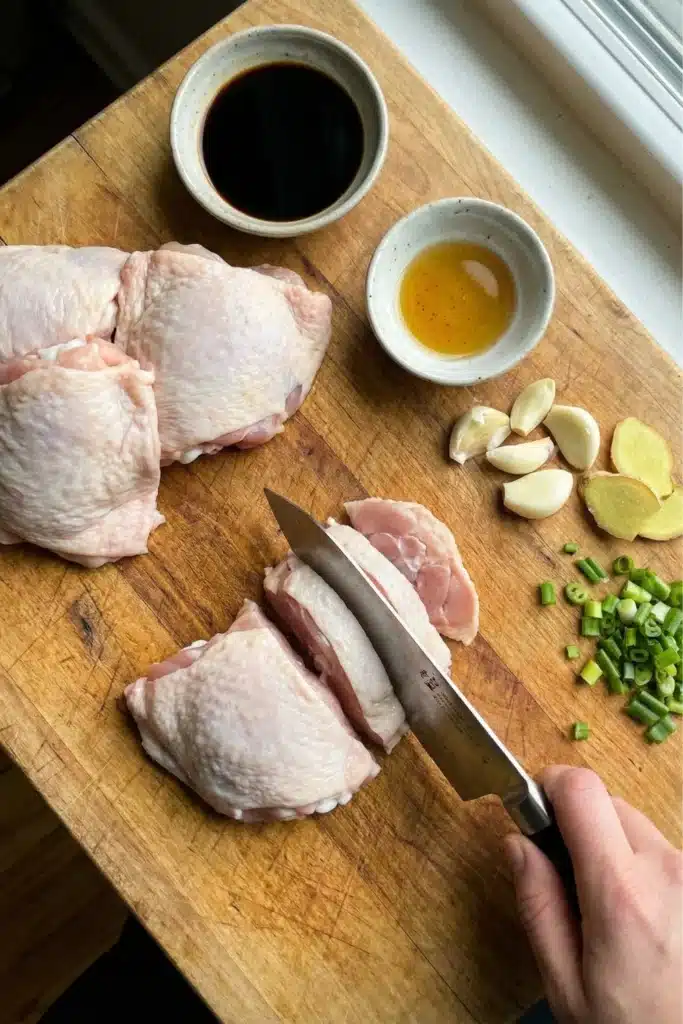
The problem is that the tiny pieces burn before the big chunks are cooked through. You want to cut your chicken into uniform 1-inch pieces. It sounds picky, but it matters.
When the pieces are the same size, they cook evenly. Plus, you get the perfect ratio of crispy batter to tender meat in every bite. I found that if the pieces are too big, the batter gets dark before the inside is safe to eat. Keep ’em bite-sized, folks.
A Quick Flavor Bath
Before you even think about batter, you gotta season the meat. I used to skip this step because I was lazy. ” The sauce has flavor, isn’t that enough?” I’d ask myself. No, it is not.
You need to marinate the chicken pieces for at least 15 to 20 minutes. It doesn’t have to be fancy. I usually just toss the cut chicken in a bowl with a splash of soy sauce, a little sesame oil, and maybe a pinch of white pepper.
This infuses flavor right into the meat so it’s not bland on the inside. It makes the chicken taste seasoned through and through, not just coated in sauce. It’s a small step that makes a massive difference in the final dish.
The Secret to Ultra-Crispy Batter
I have to confess something embarrassing. For years, my attempts at making Chinese takeout style chicken resulted in what I can only describe as “soggy nuggets of sadness.” I would fry the chicken, and it would look okay for about thirty seconds. But the moment I tossed it in the sauce? Boom. Mush. It was like eating wet bread, and it drove me absolutely crazy. I couldn’t figure out why the restaurant stuff stayed crunchy even after sitting in takeout containers, while mine fell apart instantly.
I wasted so much oil and chicken trying to figure this out. I’d serve it to my friends, and they’d be polite, but I knew. I knew they were chewing on gummy batter. It wasn’t until I started experimenting with different starches that I finally cracked the code.
Cornstarch vs. Flour: The Showdown
Here is the biggest lesson I learned the hard way: all-purpose flour is not your friend here. Well, not your best friend.
When I used just flour, the gluten developed and made the coating chewy rather than crispy. It was heavy. The real MVP for that glass-like crunch is cornstarch.
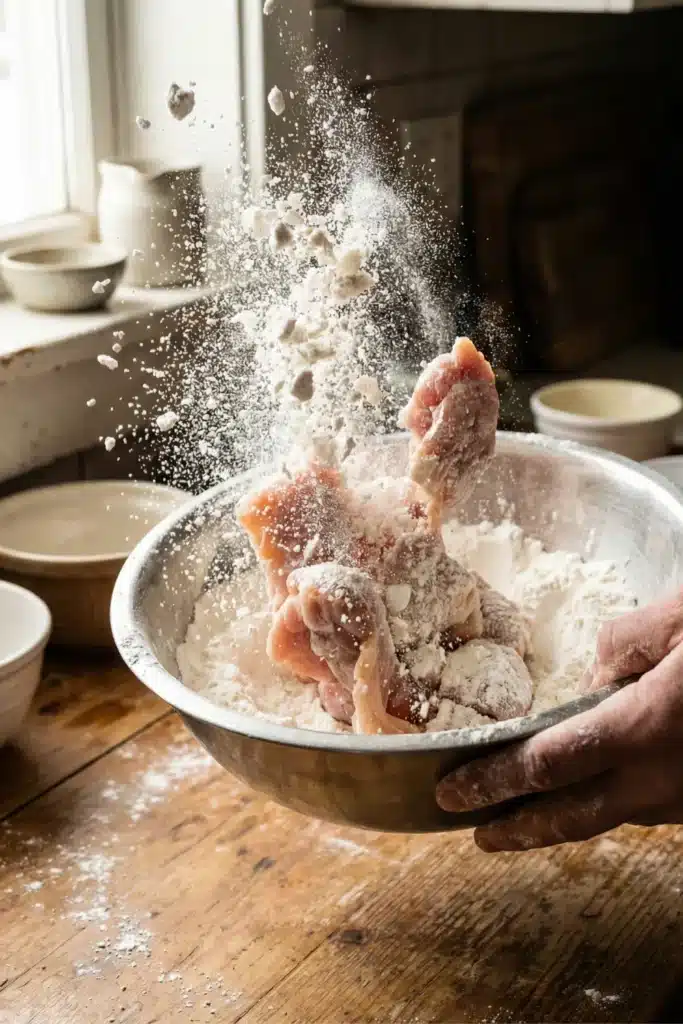
I found that a 50/50 mix—or even better, a ratio of about 3 parts cornstarch to 1 part flour—gives you the best results. The flour provides a little bit of structure, but the cornstarch makes it incredibly light and airy. It creates a barrier that doesn’t absorb the sauce immediately. If you have potato starch, that works even better, but cornstarch is what I usually have in my pantry.
Why I Ditch the Yolk
Another mistake I made was using the whole egg for the batter. It seems logical, right?
But the fat in the egg yolk actually makes the batter softer. It makes it taste more like a fritter or a pancake. That’s delicious for breakfast, but not for crispy sesame chicken.
Now, I strictly use egg whites. I whisk them until they are just a little frothy before mixing them with the chicken and the starch mixture. The egg white proteins help the dry ingredients stick to the slick chicken thighs without adding that heaviness. It creates a jagged, uneven surface on the chicken, which is exactly what you want. Those little nooks and crannies hold the sauce while staying crunchy.
The Double Fry Method (Do Not Skip This!)
Okay, I know what you are thinking. “You want me to stand over hot oil and fry this stuff twice?”
Yes. Yes, I do. I fought this for a long time because I just wanted to eat. But the double frying method is the difference between “okay” chicken and “OMG” chicken.
Here is what happens:
- First Fry: You cook the chicken at a lower temp (around 350°F) just to cook the meat through. As it cools on the rack, steam escapes from the chicken. This steam turns your lovely crust soft.
- Second Fry: You crank the heat up to about 375°F or 400°F and flash fry the pieces for just 1-2 minutes. This drives off that residual moisture on the surface.
The result is a super hard, crunchy shell that can actually stand up to the sticky glaze. It adds about 10 minutes to your cooking time, but it saves your dinner from being a soggy mess. It is totally worth the extra effort.
Mastering the Sweet and Savory Sesame Sauce
If I’m being honest, the sauce was my nemesis for a long time. I remember standing in my kitchen a few years ago, staring at a pan of burnt, sticky sludge. I had tried to eyeball the ingredients because I thought I was a pro. Big mistake. The result was either so salty it made my eyes water, or so sweet it tasted like candy syrup. It was frustrating because the sauce is literally the soul of any sesame chicken recipe.
If the sauce is bad, it doesn’t matter how crispy your chicken is. Nobody wants to eat bland chicken covered in bad syrup. I finally learned that getting that perfect restaurant taste isn’t magic; it’s just about balance.
The Flavor Essentials
You can’t just use soy sauce and call it a day. I tried that, and it was flat. To get that deep, complex flavor, you need to layer your ingredients.
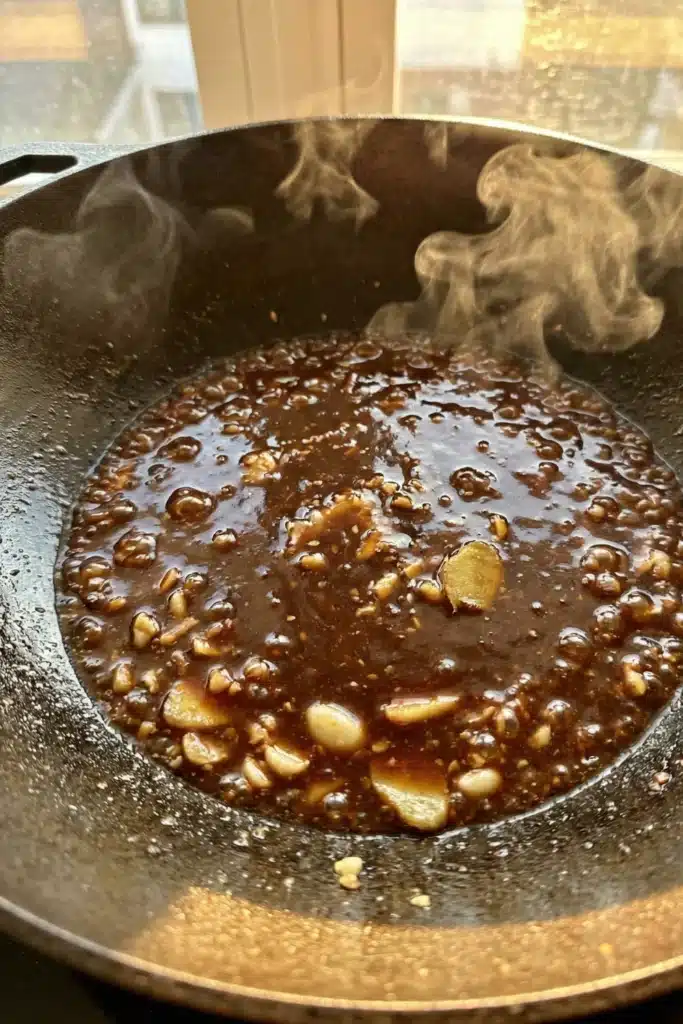
I always start with a base of high-quality soy sauce and brown sugar. The brown sugar adds a molasses note that white sugar just doesn’t have. But the real secret? It’s the aromatics.
Please, I am begging you, do not use the garlic powder here. Grab some fresh garlic and fresh ginger. I used to be lazy and use the jarred stuff, but it has this weird metallic taste. Grating fresh ginger into the sauce releases these spicy oils that wake the whole dish up. It smells incredible. Also, a splash of sesame oil at the end is non-negotiable for that nutty finish.
The Balancing Act
Here is where I messed up the most. I would forget the acid. A sauce that is just sweet and salty gets boring after two bites.
You need something to cut through the sugar. I found that rice vinegar is the best tool for this. It’s milder than regular white vinegar.
I usually start with a tablespoon and then taste it. This is a rule in my kitchen now: taste everything before you serve it. If it’s too sweet, add a drop more vinegar. If it’s too sharp, add a little honey. I learned this the hard way after serving a batch that was so sour my husband made a face like he sucked on a lemon. It was funny, but also a total dinner fail.
Avoiding the “Gloopy” Mess
Let’s talk about texture. You know that glossy, thick look the sauce has at restaurants? That comes from a cornstarch slurry.
But there is a right way and a wrong way to do this. The first time I tried to thicken my sweet and savory sauce, I dumped a spoonful of dry cornstarch straight into the boiling liquid. Disaster.
It immediately clumped up into these nasty little white gummy balls that would not dissolve. I tried to whisk them out, but it was hopeless. We had to eat around them. It was gross.
The trick is to mix the cornstarch with cold water in a separate bowl until it looks like milk. Then, you pour that into the simmering sauce while whisking. It thickens up in seconds without any lumps. It transforms from a watery soup into a beautiful glaze that clings to every piece of chicken.
Step-by-Step Frying Instructions
Deep frying used to scare the living daylights out of me. I always pictured myself accidentally knocking over a pot of boiling oil and burning my kitchen to the ground. Or at the very least, setting off the smoke alarm and having the neighbors stare at me while I frantically waved a towel at the ceiling. I avoided it for years, trying to bake everything instead. But let’s be real: baked chicken is fine, but it’s not Chinese takeout.
If you want that shatteringly crisp crust, you have to embrace the oil. Once I got over my fear, I realized it’s actually pretty relaxing if you follow a few rules.
Picking the Right Oil
I once tried to fry chicken in olive oil because it was all I had. Do not do this. It was a disaster.
The kitchen filled with smoke instantly, and the chicken tasted bitter and burnt. You need an oil with a high smoke point. I swear by peanut oil for the best flavor, but vegetable oil or canola oil works great too.
You want something neutral that can handle the heat without breaking down. If you use a fancy low-heat oil, you’re just throwing money away and ruining your dinner. Keep it simple and cheap.
The Thermometer Is Your Best Friend
Here is where I used to mess up big time. I used to just guess when the oil was ready. I’d throw a piece of bread in and say, “Looks good!”
That is a terrible strategy. If the oil is too cold (under 325°F), the chicken just sits there and soaks up grease like a sponge. It becomes heavy and gross. If it’s too hot, the outside burns before the inside is cooked.
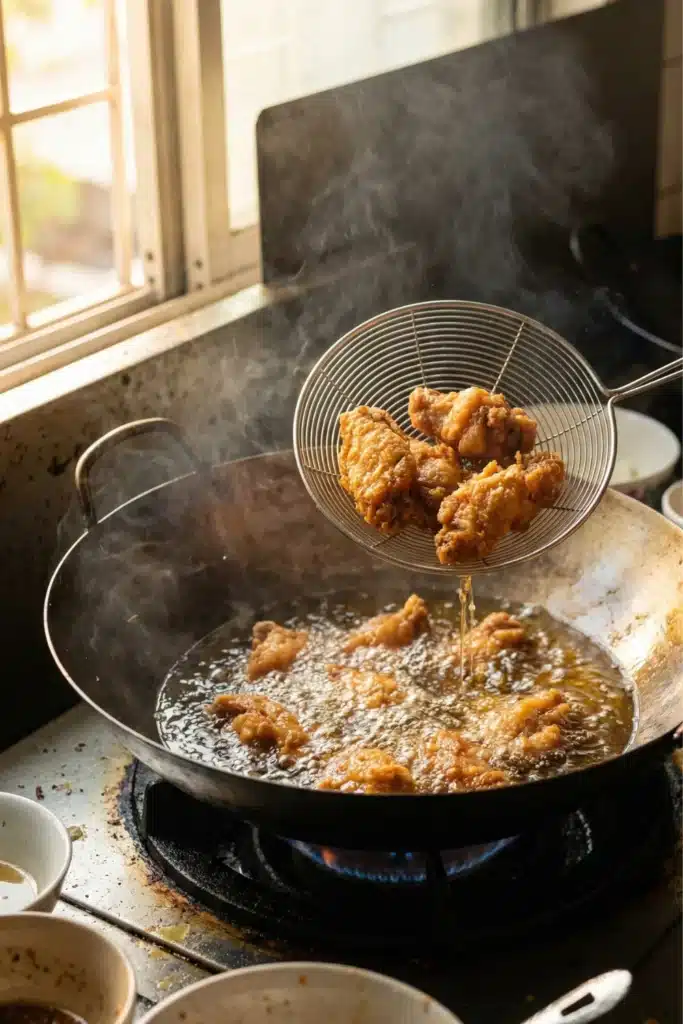
Do yourself a favor and buy a cheap candy thermometer. You want to maintain the temperature right around 350°F. Keeping an eye on that dial changed my frying game completely. It takes the guesswork out of it, so you don’t have to stress.
Don’t Crowd the Pan
I have a really bad habit of being impatient. I just want to get the cooking over with, so I used to dump all the chicken pieces into the wok at once.
This is the fastest way to ruin your hard work. When you add cold chicken to hot oil, the temperature drops. If you add too much, the temp plummets, and you are basically boiling the meat in oil rather than frying it.
You have to avoid overcrowding the pan. Cook in batches—maybe 8 to 10 pieces at a time depending on your pot size. It takes a little longer, but the result is crispy, golden perfection instead of a soggy, pale mess. Give the chicken some room to swim!
Serving Suggestions and Storage
I used to think that plating was just for fancy chefs on TV who had tweezers and too much time on their hands. When I cooked dinner, I just wanted to shovel it onto a plate and eat. But I learned pretty quickly that we eat with our eyes first. My first few batches of sesame chicken tasted okay, but they looked like piles of brown mystery meat. It was decidedly unappetizing .
I’d put the bowl on the table, and my family would look at it with suspicion. That’s when I realized that the finishing touches aren’t just fluff; they are actually crucial for the experience.
Don’t Skip the Garnish
It sounds silly, but you need the green stuff. Without it, the dish looks sad and monochromatic.
I always, always sprinkle on some toasted sesame seeds and chopped green onions right before serving. The green onions add a fresh, sharp bite that cuts through the rich, sugary sauce. And the seeds add that little extra pop of texture .
Here is a tip I learned the hard way: toast your sesame seeds in a dry pan for two minutes first. I used to just throw them on raw, and they were tasteless. Toasting them brings out this nutty aroma that hits you as soon as you put the plate down. It makes the whole kitchen smell like a legit restaurant.
Perfect Pairings
So, what do you eat with this? For me, nothing beats a steaming bowl of jasmine rice.
I’ve tried brown rice to be healthier, but it just doesn’t soak up that sticky sauce the same way. The fluffy white rice is the perfect vehicle for getting every drop of flavor into your mouth. If I’m feeling really ambitious, I might make some fried rice, but usually, I’m too tired after frying the chicken .
To make myself feel better about eating a pound of fried food, I usually serve steamed broccoli on the side. The florets are great for mopping up extra sauce. Plus, the bright green color makes the plate look vibrant and fresh. It balances out the meal so you don’t feel completely weighed down afterwards.
The Leftover Struggle
Let’s talk about the elephant in the room: leftovers. Fried food is notorious for being terrible the next day.
I used to just zap my leftovers in the microwave. It was a tragedy. The beautiful, crispy crust I worked so hard on would turn into a gummy, soggy skin that slid right off the meat. It was heartbreaking .
If you have leftovers, do not—I repeat, do not—put them in the microwave. The microwave is the enemy of crunch.
The best way to reheat this is in an air fryer or a toaster oven. I usually pop them in the air fryer at 350°F for about 3 to 4 minutes. It brings the crunch right back to life! If you don’t have one, a regular oven works too, it just takes a bit longer. Just spread the pieces out on a baking sheet so they crisp up again. It’s almost as good as fresh.
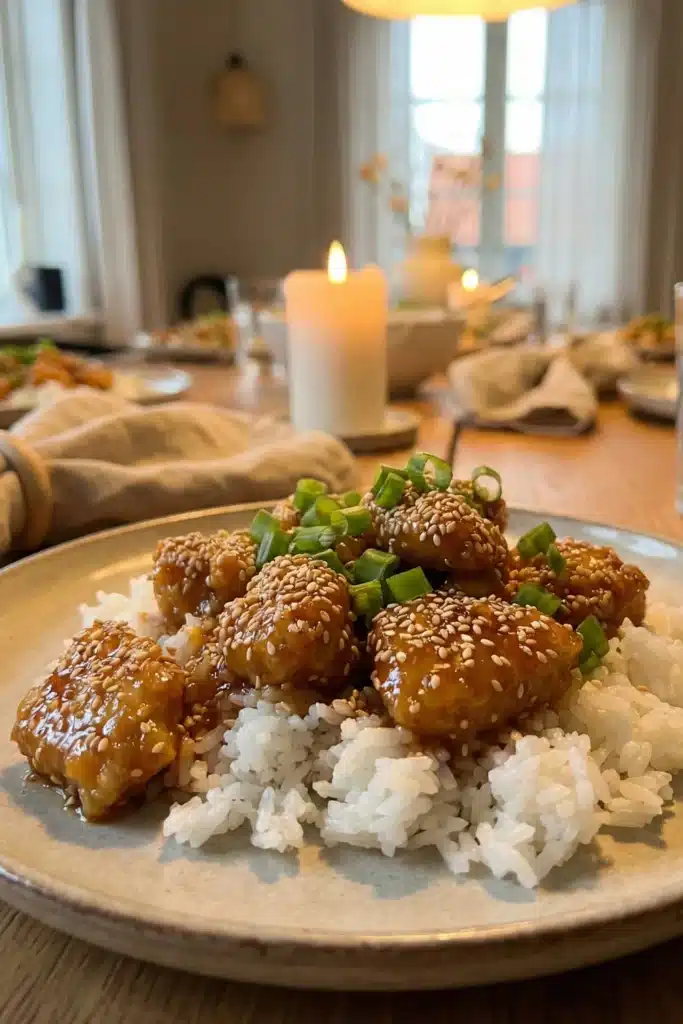
Making restaurant-quality sesame chicken at home used to feel like an impossible dream to me. I truly thought I needed a commercial wok burner and a culinary degree to pull it off. But honestly? It just comes down to patience and that magical double-frying technique we talked about.
Once you bite into that crunch, you will never want to order takeout again. It is cheaper, hotter, and you know exactly what is going into it—no mystery ingredients here. Plus, the look on your family’s faces when they realize you made this? Priceless.
I really hope you give this recipe a shot this week. It might take a little practice to get the frying timing down, but don’t give up. If you enjoyed this guide or want to save it for a rainy day, please share it on Pinterest. It helps other home cooks find it, and it makes my day to see your creations. Happy cooking!