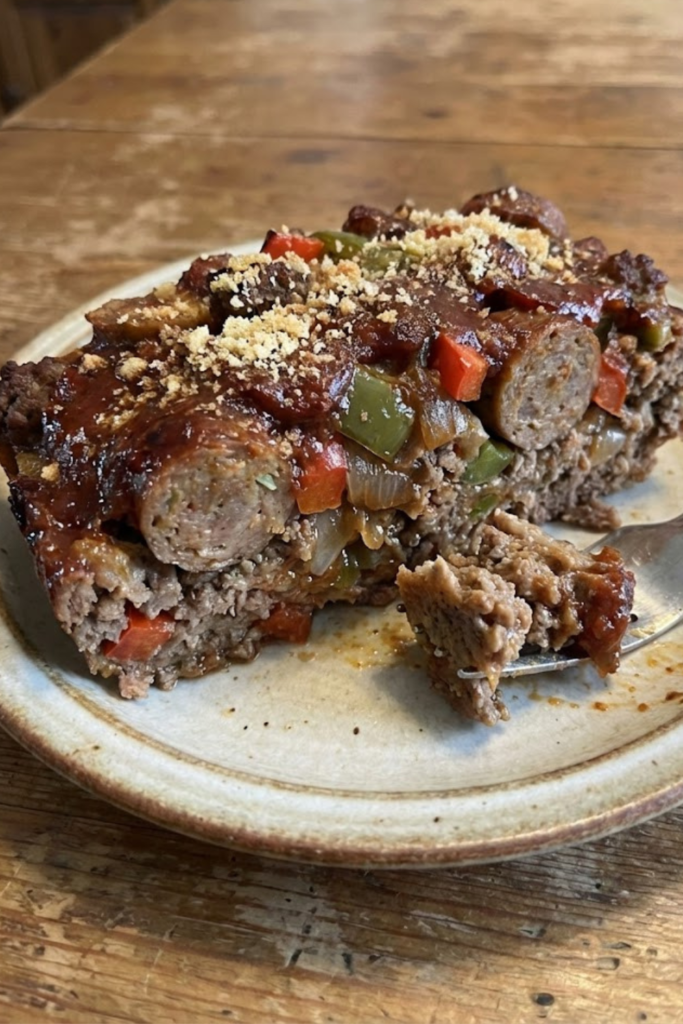
Let’s be honest, standard meatloaf can sometimes feel a bit… uninspired. But this? This isn’t your average loaf of dry beef! I remember the first time I decided to mix sweet Italian sausage with vibrant bell peppers—it was a total game-changer for my Sunday dinners. Did you know that adding pork sausage actually increases the moisture content, making it nearly impossible to dry out? Whether you are cooking for a picky family or prepping meals for the week, this recipe brings that bold “sausage and peppers” sub shop flavor right into a comforting loaf. Get your ovens ready, because your kitchen is about to smell amazing!
Selecting the Best Meat Blend for Italian Style Meatloaf
Look, I’ve made enough dry meatloaves in my life to build a small brick house. There was this one time I tried to be “healthy” using super lean ground beef, and let’s just say my family asked if we could order pizza instead. It was a total disaster and a little embarrassing. Through all those kitchen fails, I learned that the secret to a juicy sausage and peppers meatloaf isn’t just the sauce on top; it’s strictly about the meat blend you start with.
You can’t just throw whatever is on sale into a bowl and hope for the best. If you want that mouthwatering texture that falls apart on your fork, you need to pay attention to the fat content.
The Magic 50/50 Split
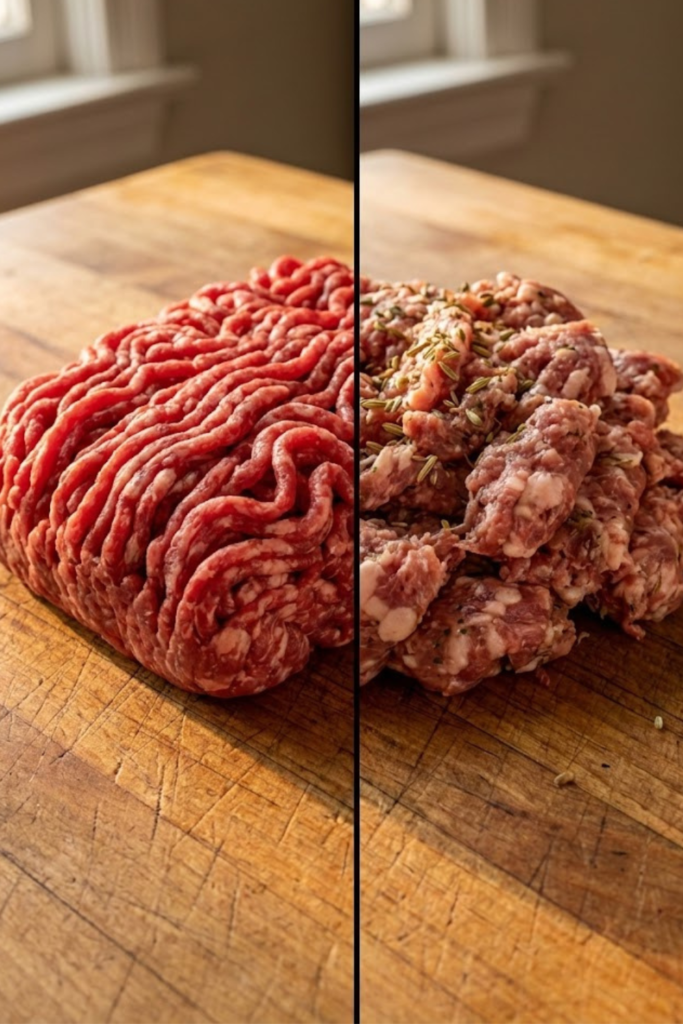
Here is the golden rule I swear by: go half and half. You want to use 50% ground beef and 50% Italian sausage.+1
For the beef, grab the 80/20 blend (80% lean, 20% fat). I know 90/10 looks tempting because it has less fat, but fat equals moisture. If you go too lean, your meatloaf will dry out faster than a puddle in the Sahara.
Mixing that beef with fatty Italian pork sausage creates the perfect texture. The pork adds a bounce and richness that beef alone just can’t pull off. When I finally switched to this ratio, my kids actually asked for seconds. It was a massive win for me!
Sweet vs. Hot: Pick Your Battle
This part is totally up to your vibe. I usually stick to sweet Italian sausage because I’m feeding a crowd that thinks black pepper is “spicy.”
However, if you want a kick, using hot Italian sausage adds a nice heat that cuts through the rich cheese and breadcrumbs. Just remember to remove the casings if you are buying links! I once forgot to take the meat out of the casing properly, and mixing it was a nightmare. Just slice the casing down the middle and peel it off; the meat falls right out.
Skip the “Chub” Tubes
Here is a huge tip I learned the hard way: avoid those plastic tubes of ground meat if you can.
The meat inside those tubes is often compressed and paste-like. It can make the final sausage and peppers meatloaf feel gummy rather than tender. Go to the butcher counter or buy the trays where you can see the grind of the meat strands. You want the meat to be loose so it binds with the eggs and peppers without turning into a dense block.
What About Turkey?
If you really need to lighten things up, you can swap the beef for ground turkey, but keep the pork sausage.
I’ve tried doing all turkey, and honestly, it lacks that savory punch. Keeping the sausage in there guarantees you still get those classic fennel and garlic flavors without sacrificing all the moisture. Just be careful not to overmix it, or you’ll end up with a tough loaf regardless of what meat you pick.
Prepping the Peppers and Onions: The Secret to Moisture
I’m going to be real with you for a second. There was a time when I was incredibly lazy in the kitchen. I thought I could just chop up some raw onions and bell peppers, throw them into the bowl with the meat, and call it a day. I figured, “Hey, they’ll cook in the oven, right?”
Wrong. That was a huge mistake.
My loaf came out looking okay, but the second I cut into it, the whole thing crumbled into a wet, sad mess. It turns out, throwing raw veggies into a sausage and peppers meatloaf is a one-way ticket to Soggyville. You have to treat the vegetables right if you want the loaf to hold its shape.
Why You Can’t Skip the Sauté
Here is the science part (sorry, the teacher in me is coming out). Vegetables are mostly water. When you bake them raw inside a dense meat mixture, that water has nowhere to go but into the meat.
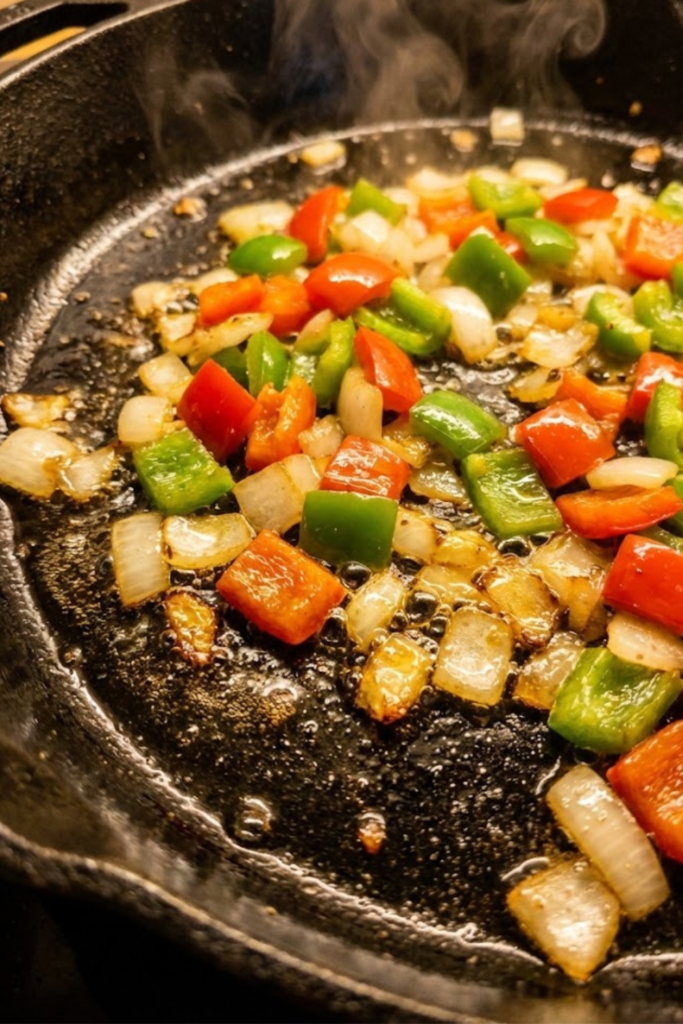
This steams the meat from the inside out and prevents the binding ingredients from doing their job. By sautéing the peppers and onions first, you cook out that excess moisture before it ever touches the beef. Plus, you get that nice caramelization on the onions. That flavor is totally worth the extra ten minutes at the stove.
Size Actually Matters
Another lesson I learned the hard way involves my knife skills. Or, back then, my lack of them.
You need to dice your red and green peppers pretty small. If you leave big chunks of pepper in the mix, your meatloaf will break every time your knife hits one of those chunks while slicing. I aim for a dice that’s about the size of a pea. It integrates better with the ground pork and beef, giving you that perfect, uniform slice every time.
The Cooling Step
This is probably the most annoying step, but you have to do it. Once your veggies are soft and smelling amazing, you cannot dump them straight into the raw meat.
If you do, the heat from the onions will start to cook the raw meat prematurely, turning it a gross gray color. Even worse, if you add the eggs at the same time, the hot veggies will scramble the eggs. You want the eggs to bind the meatloaf while baking, not turn into an omelet before they hit the oven!
I usually spread the cooked veggies out on a plate and stick them in the fridge for ten minutes. It speeds up the process so I’m not standing around waiting. Once they are cool to the touch, you are good to mix them into your sausage and peppers meatloaf.
Adding Extra Flavor
While the veggies are in the pan, that is the best time to add your aromatics.
I always throw in minced garlic during the last minute of sautéing. If you put it in too early, it burns and tastes bitter. I also like to sprinkle a little dried oregano or Italian seasoning right onto the peppers while they cook. The heat wakes up the dried herbs and makes them smell way stronger than if you just stirred them into the cold meat.
The Binding Agents: Breadcrumbs, Eggs, and Cheese
I used to think breadcrumbs were just cheap filler. You know, something restaurants used to stretch the meat so they could make more money? Boy, was I wrong.
I remember making a meatloaf for a neighborhood potluck a few years back. I decided to skip the breadcrumbs because I was trying to be “low carb” or whatever. It was a disaster. When I tried to slice it, the whole thing disintegrated into a pile of seasoned ground beef. It looked like a sloppy joe without the bun. It was totally embarrassing, and I ended up scooping it onto plates with a spoon while apologizing to everyone.
For this sausage and peppers meatloaf, the binding agents are what keep the peace between the meat and the veggies. You need the right glue to hold it all together.
The Breadcrumb Debate
I have tried everything from crushed saltines to oatmeal in my meatloaf. But for this Italian-style recipe, you really need breadcrumbs.
However, not all crumbs are created equal. I used to use those fine, sandy Italian-seasoned crumbs from the cardboard canister. They work, but sometimes they make the loaf a bit dense. Like, “sit in your stomach like a rock” dense.
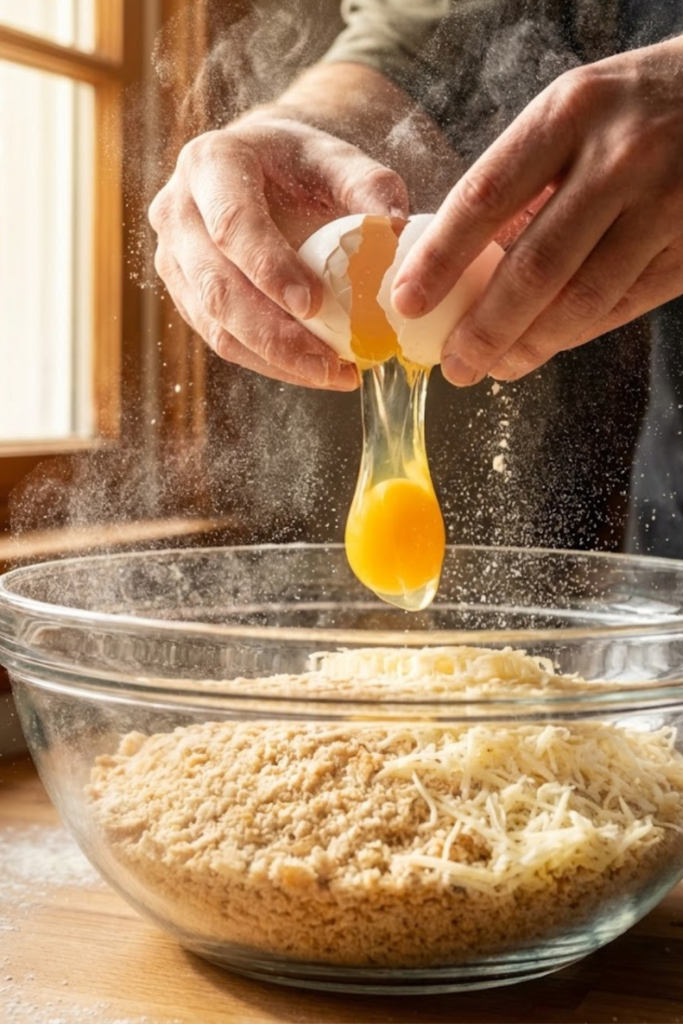
Now, I swear by panko breadcrumbs. They are bigger and airier, which gives the meatloaf a lighter texture.
Here is a trick I learned from an old cookbook I found at a garage sale: make a panade. It sounds fancy, but it’s just soaking the breadcrumbs in a splash of milk for about five minutes. The crumbs turn into a paste. When I first tried it, I thought it looked gross, but trust me. That mushy paste holds onto moisture like a sponge. It stops the juices from running out onto the baking sheet.
The Egg Situation
You need eggs. They act as the cement. Without them, you just have a hot mess of meat and peppers.
But don’t go crazy here. I usually stick to one large egg per pound of meat. Since we are using a mix of beef and sausage, one or two eggs is usually plenty. If you add too many, the texture gets spongy and weird. Nobody wants a rubbery meatloaf.
Also, beat the eggs lightly in a small bowl before dumping them in. It makes it way easier to mix everything without overworking the meat.
Cheese is Not Optional
Okay, technically it is optional, but why would you skip it? Since we are already channeling that sub-shop vibe, adding cheese is a no-brainer.
I used to just sprinkle cheese on top near the end of baking. But half the time it would slide off when I sliced it. Now, I mix a good handful of fresh parmesan cheese or shredded mozzarella right into the bowl.
The cheese melts inside the loaf while it bakes, creating these little pockets of gooey goodness. Plus, the saltiness from the parmesan really wakes up the flavor of the peppers. Just be careful with adding extra salt if your cheese is super salty. I learned that lesson the hard way too!
Baking Temperature and the Perfect Marinara Glaze
I have a confession to make. For years, I was terrified of undercooking pork. I grew up in a house where if we had pork chops, they were cooked until they looked like shoe leather. “Better safe than sorry!” my mom would say. So, when I started making sausage and peppers meatloaf, I used to blast it at 400 degrees for way too long.
The result? The outside was burnt to a crisp, and the inside was dry enough to choke on. It was heartbreaking after doing all that prep work.
Getting the temperature right is honestly just as important as the ingredients you put in the bowl.
Ditch the Loaf Pan
This might sound controversial, but hear me out. Stop using a standard loaf pan for this recipe.
When you pack meat into a deep loaf pan, it steams in its own juices. You end up with a gray, soggy bottom that isn’t appetizing at all. Plus, you don’t get any of those crispy edges that everyone fights over at the dinner table.
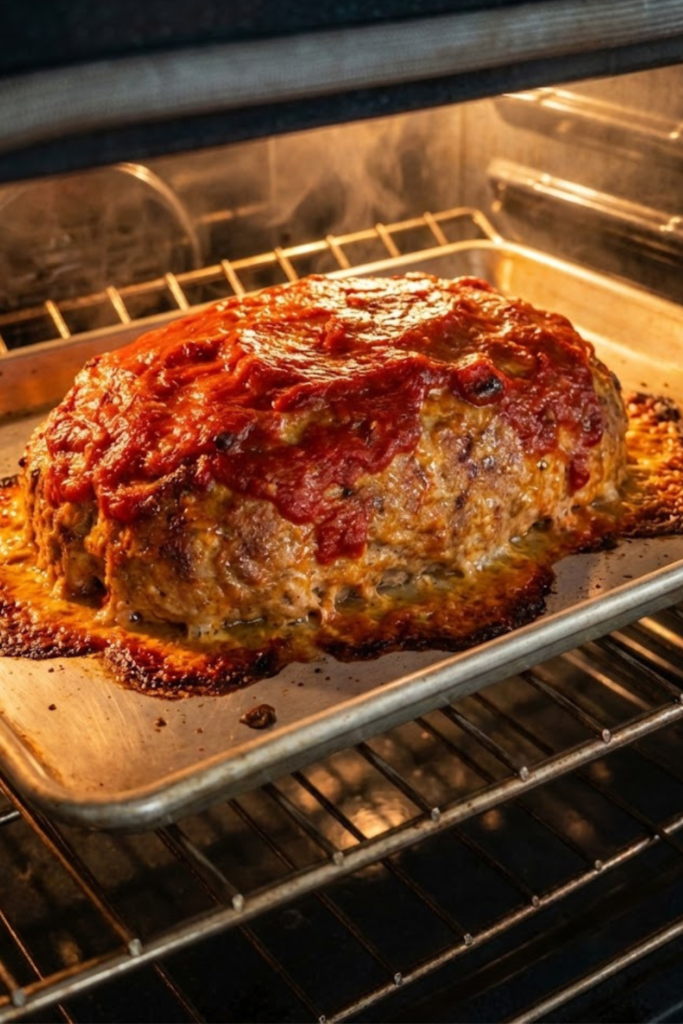
I switched to using a baking sheet lined with foil or parchment paper. I just shape the meat mixture into a loaf shape right in the middle of the pan. This allows the heat to circulate all around the meat, caramelizing the outside perfectly. It’s a total game changer for texture.
The Sweet Spot: 375 Degrees
I’ve found that 375°F (190°C) is the magic number.
If you go lower, it takes forever to cook, and the meat can get mushy. If you go higher, you burn the sugar in the peppers and the glaze before the middle is safe to eat. At 375°F, it usually takes about 50 to 60 minutes, but please, don’t just rely on the clock. Every oven is different. Mine runs hot, so I always have to keep an eye on it.
Use a Thermometer (Please!)
I cannot stress this enough: buy a meat thermometer.
It removes all the guesswork. Since we are dealing with pork sausage here, you need to be careful about safety. But you also don’t want to overcook it. I pull my loaf out when the internal temperature hits 160°F (71°C).
Remember, the temperature will rise a few degrees while it rests. If you wait until it hits 170°F in the oven, you’ve basically ruined it.
The Upgrade: Marinara Over Ketchup
Most classic meatloaf recipes call for a ketchup glaze. But for a sausage and peppers meatloaf, ketchup just feels wrong. It’s too sweet and vinegar-heavy.
Instead, I grab a jar of my favorite marinara or pizza sauce. About 15 minutes before the timer goes off, I pull the loaf out and slather a thick layer of sauce over the top. Then I pop it back in.
The sauce thickens up and gets sticky in the heat. It tastes like the best part of a meatball sub. Sometimes, if I’m feeling fancy, I’ll even throw a slice of provolone on top for the last five minutes. It’s messy, but it is so good.
What to Serve with Sausage and Peppers Meatloaf
I used to be terrible at planning side dishes. I would spend so much energy making the main dish perfect that I’d totally forget about the rest of the plate until the timer went off. There were plenty of nights where we ate a beautiful meatloaf alongside… plain white toast. Yeah, not my finest moment.
But over time, I realized that a heavy, rich dish like sausage and peppers meatloaf needs the right partners to balance it out. You can’t just throw anything on the plate.
The Starch Situation
Since this recipe has those Italian vibes, you have two solid options here.
My personal favorite is creamy polenta. If you have never made it, don’t be scared. It’s basically Italian grits. When you spoon that savory marinara glaze over a bowl of cheesy polenta, it is pure heaven. It soaks up all the extra sauce way better than rice ever could.
If polenta isn’t your thing, you can never go wrong with garlic mashed potatoes. I like to leave the skins on the red potatoes for a bit of texture. Just make sure you use plenty of butter. This isn’t health food; it’s soul food.
Green it Up
This meatloaf is dense. Like, “take a nap immediately after eating” dense. So, you need something green to cut through all that cheese and pork fat.
I used to serve corn with this, but it was just too much sweetness. Now, I almost always roast some broccoli rabe or green beans. Broccoli rabe has this slight bitterness that actually works really well with the sweet sausage.
Just toss the veggies in olive oil, salt, and a squeeze of lemon juice. That hit of acid from the lemon wakes up your palate so you don’t feel completely weighed down by the meat.
The Pasta Side Hustle
Okay, sometimes on a Sunday, I go all out. If I’m feeding a crowd, I’ll boil a pot of spaghetti.
I toss the noodles in the remaining jar of marinara sauce and serve a small pile next to the meatloaf slice. It turns the meal into a full-blown Italian feast. My kids love this because it feels like we are eating at a restaurant. Just be warned: if you do the pasta route, you probably won’t have room for dessert!
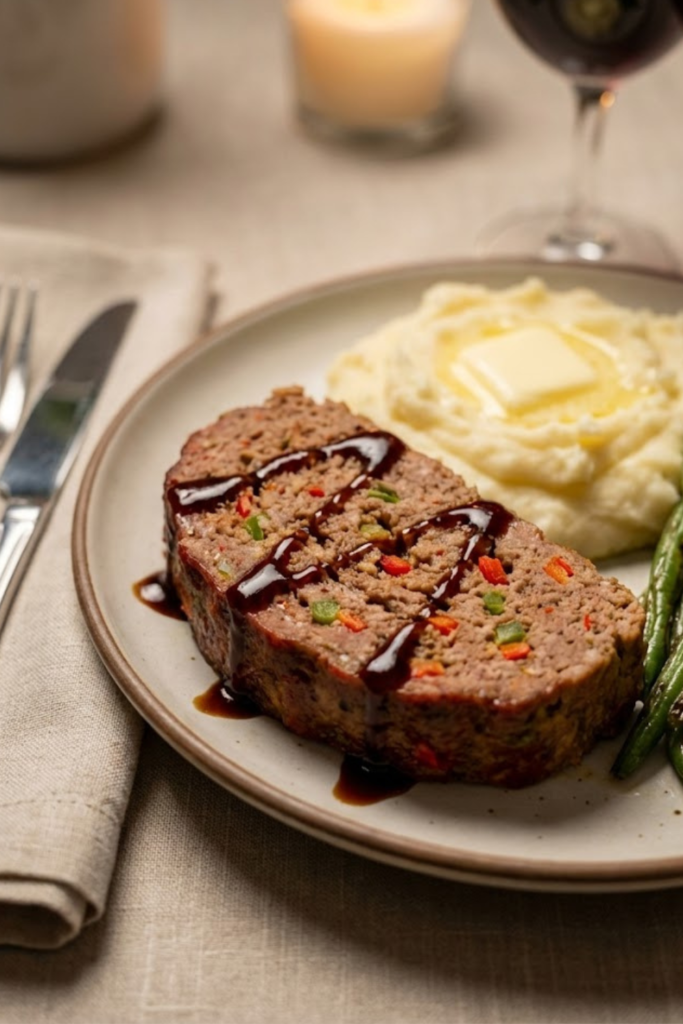
There you have it—a sausage and peppers meatloaf that is guaranteed to become a new staple in your home. It’s hearty, flavor-packed, and honestly, even better as leftovers the next day. I highly recommend slicing a cold piece and slapping it between two pieces of crusty bread with a little extra provolone for lunch. It beats a sad turkey sandwich any day of the week!
I hope you enjoy the vibrant flavors in this dish. It definitely beats the dry, boring meatloaf I grew up eating. If you try this recipe, don’t forget to snap a picture and tag us.
Pin this recipe to your “Dinner Ideas” board on Pinterest so you can find it easily next time!