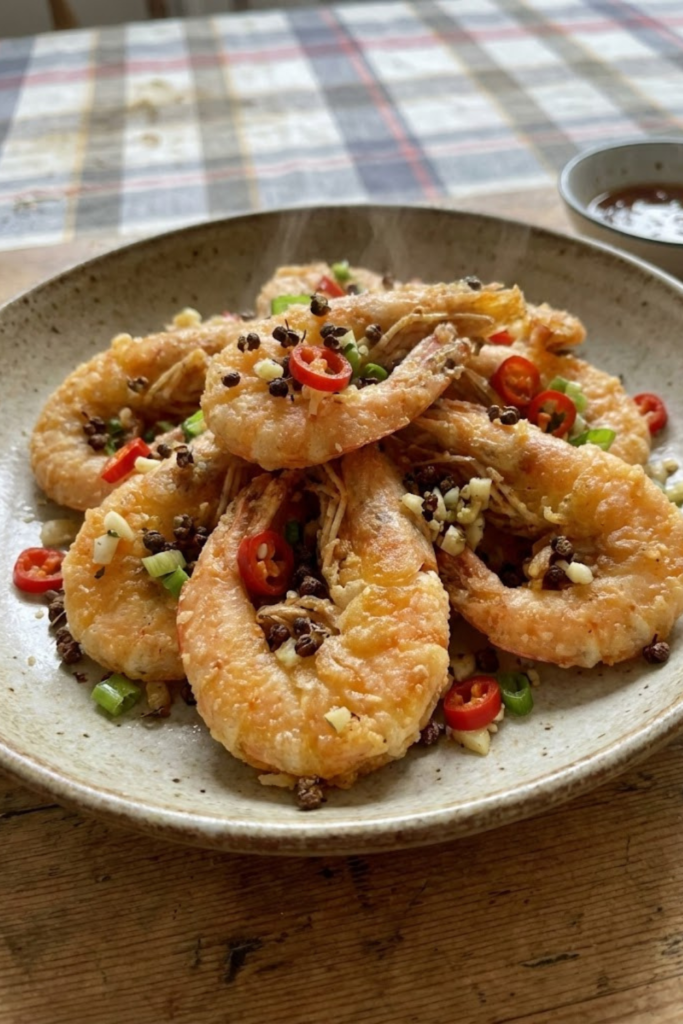
I used to spend a fortune ordering salt and pepper shrimp from the local Cantonese spot, convinced I could never recreate that shattered-glass crunch at home. Boy, was I wrong! This isn’t just another shrimp recipe; it’s a journey into the heart of wok cooking. We are going to take fresh, succulent seafood and transform it using aromatic Sichuan peppercorns and a specific frying technique that guarantees a golden crust every single time. Get your apron on, because we are about to make your kitchen smell absolutely incredible!
Selecting the Best Shrimp for Deep Frying
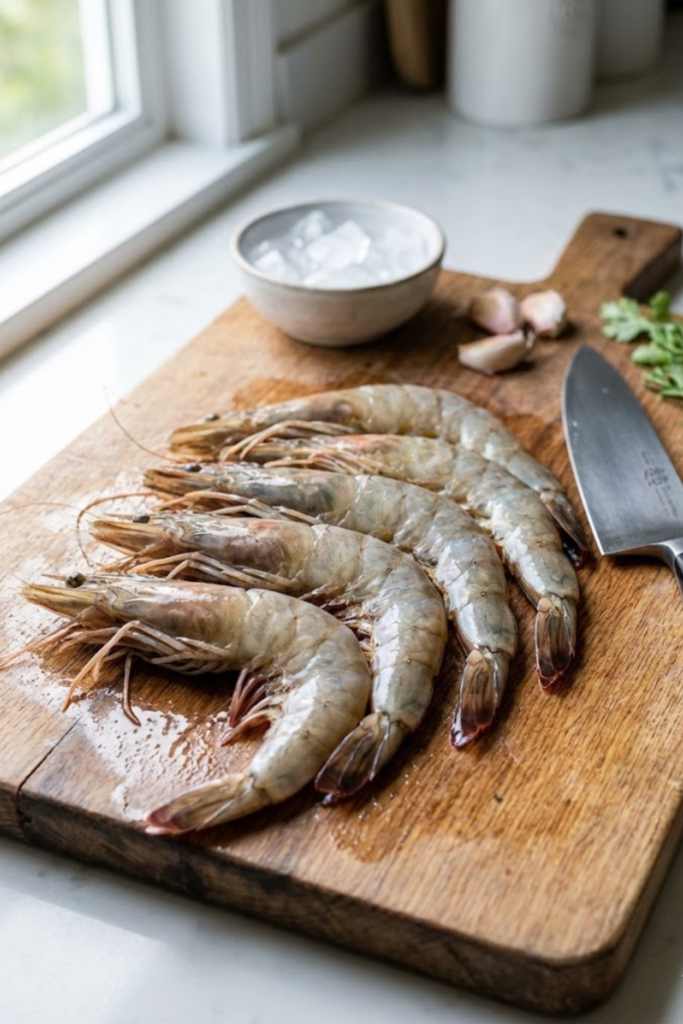
I’ve spent years making this dish for my family, and I’ll be the first to tell you that I have messed it up more times than I’d like to admit. One time I bought these tiny little cocktail shrimp because they were on a big sale at the local market. Total disaster! They turned into rubbery little erasers after ten seconds in the hot oil. If you want that perfect salt and pepper crispy shrimp, you really have to start with the right seafood. It is the foundation of the whole meal. If you get this part wrong, no amount of fancy seasoning or heat is going to save the dinner.
Keep the Shells or Peel Them?
This is always a big debate in my kitchen. Traditional Cantonese style usually keeps the shells on. Why do they do that? Well, the shell acts like a little heat shield. It keeps the meat inside really tender while the outside gets that shattered-glass crunch we all love. Plus, the shell itself picks up all that salty, peppery goodness. But let’s be real here, eating shrimp with shells can be a messy job. If you have kids or guests who don’t want to get their hands dirty, it can be a pain. I usually go for peeled and deveined shrimp for my weeknight meals. It is just way easier to eat. If you do peel them, leave the tail on. It gives you a little handle to hold while you are dipping them in the starch.
Getting the Size Right
You don’t want small shrimp for this. Look for “Jumbo” or “Extra Large” on the bag at the store. Specifically, I look for the numbers 16/20. That means there are 16 to 20 shrimp in every pound. These are big enough to stay juicy after they have been fried. If you go too small, the high heat from the oil cooks the inside before the outside can even get crispy. You end up with dry, tough meat. I always say, go big or go home with this recipe.
The Truth About Frozen Shrimp
Most of the “fresh” shrimp at the grocery store was actually frozen and then thawed out behind the glass counter. I actually prefer buying the bags in the freezer section myself. They are frozen right on the boat, so they are actually fresher than the “fresh” ones. Just make sure you thaw them out completely in a bowl of cold water. And here is the biggest tip I can give you: dry them off! Use a lot of paper towels. If they are wet, the starch won’t stick. You will get a soggy mess instead of a crispy crust. It take a bit of extra time, but it’s worth it. I also like to “butterfly” them by cutting a little deeper along the back. It makes them look huge on the plate!
Mastering the Authentic Sichuan Peppercorn Salt
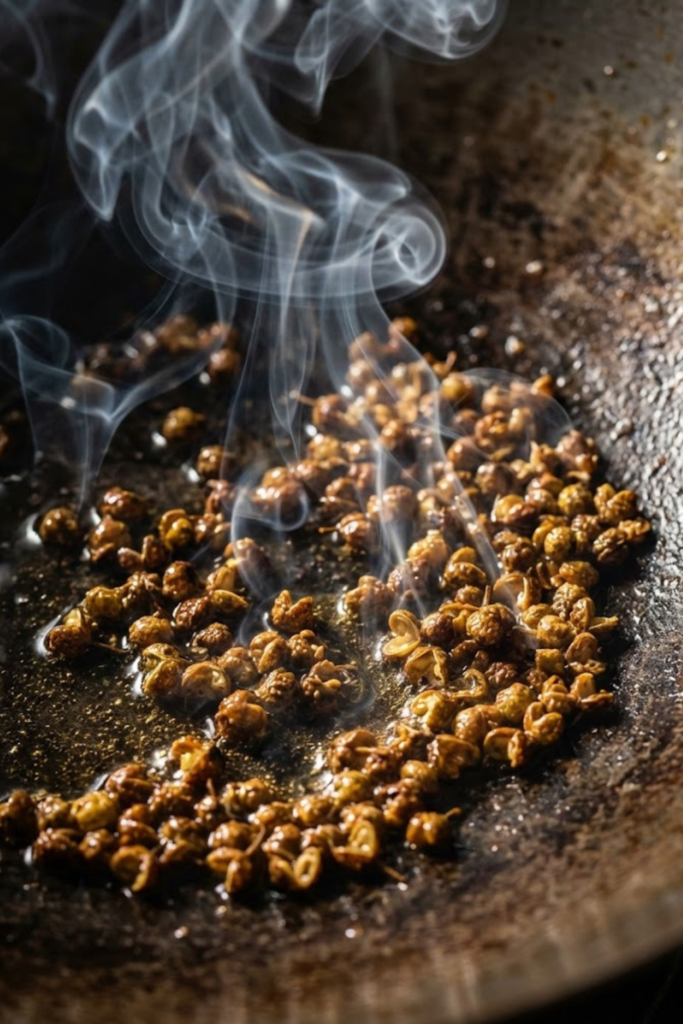
I’m going to tell you something that might sound a bit weird at first. The “pepper” in salt and pepper shrimp isn’t really the black pepper you have in that shaker on your table. If you use that, it’ll taste fine, but it won’t be the real deal. I used to just throw in some regular black pepper and wonder why my dish tasted like a basic fried shrimp basket instead of the amazing food I had in Chinatown. The secret is the Sichuan peppercorn. These little red husks are what give you that tingly, numbing feeling on your tongue. People call this “mala,” and honestly, once you get used to it, you’ll want to put it on everything. I even put a little on my popcorn now when I’m watching movies!
Why You Have to Toast Your Spices
Before you even think about putting these in a grinder, you have to get them into a hot pan. I usually use a small skillet or my wok for this. Don’t add any oil at all! Just put the peppercorns in there on medium heat. I like to toss them around for about three or four minutes. You’ll know they are ready when your whole kitchen starts to smell like citrus and spice. It’s a really great smell. But you have to be careful, because they can go from perfect to burnt and bitter in about five seconds. I’ve burned more batches than I care to admit because I got distracted by a text message. If they turn dark black, just throw them out and start over. It isn’t worth ruining the whole meal over a few cents worth of spice.
The Best Way to Grind and Mix
Once they are toasted and have cooled down a bit, you need to turn them into a powder. I personally love using a mortar and pestle because it makes me feel like a real chef, but a cheap electric coffee grinder works just as well. Just make sure you wipe the coffee grounds out first, or your shrimp will taste like breakfast! You want a fine powder so it sticks to the shrimp. After that, I mix it with a good quality sea salt. I usually do about two parts salt to one part pepper powder. Some people like to add a tiny bit of sugar or even some five-spice powder here too. This mix is what makes the shrimp really pop. I usually make a big batch and keep it in a jar because it’s great on chicken wings too.
The Secret to the Ultimate Crispy Coating
I’ve spent way too many hours in my kitchen trying to figure out how restaurants get that super light, airy crunch on their shrimp. For a long time, I just used regular all-purpose flour because that is what I had. I thought flour was flour, right? Wrong. My shrimp always came out looking like heavy corn dogs. They were thick and bready, and the coating would just peel off in one big sad piece. It was really frustrating! After talking to a buddy of mine who runs a catering business, I found out the real secret isn’t flour at all. It’s all about the starch.
Cornstarch or Potato Starch?
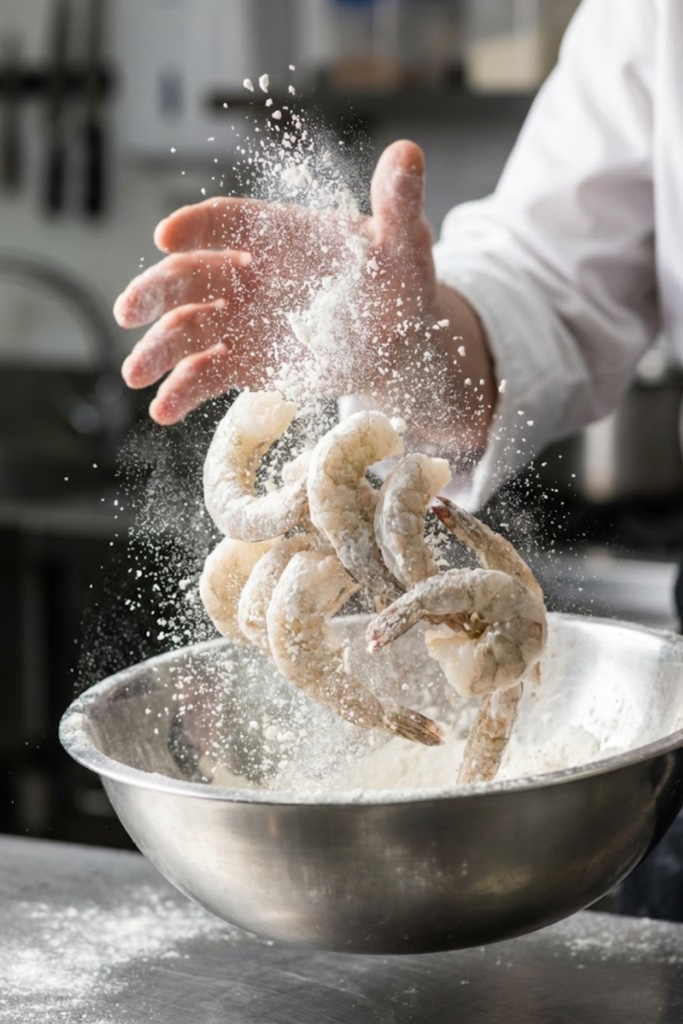
Most people reach for cornstarch because it’s already in the pantry. It works pretty well and gives you a decent crunch. But if you can find potato starch at the store, grab it. It is a total game changer for this recipe. Potato starch creates these tiny little bubbles when it hits the hot oil, which makes the crust feel lighter than air. It’s that shattered-glass texture I was talking about earlier. If you can’t find it, cornstarch is fine, but please stay away from regular flour for this specific dish. It’s just too heavy and makes the whole thing feel greasy.
Using the Egg White Trick
Now, here is something I learned the hard way: if you just throw dry shrimp into dry starch, it doesn’t always stay on. You need a “glue.” I used to use whole eggs, but that made the coating too thick and puffy. The trick is to use just the egg white. I whisk one or two egg whites until they are just a little bit frothy, then toss the shrimp in there. It creates a very thin, sticky layer that holds the starch perfectly without adding any extra bulk. It keeps the coating thin so you can actually taste the seafood instead of just eating fried dough.
Seasoning the Crust
Don’t make the mistake of thinking all the flavor comes from the salt and pepper mix at the end. You need to season your starch too! I always mix in some garlic powder and a little extra salt right into the bowl of starch. This way, every single bite has flavor from the outside in. When you’re ready, just drop the shrimp into the starch one by one. Don’t dump them all in at once or they will stick together and make a giant dough ball. Shake off the extra powder before they go into the pan. You want a thin dust, not a thick coat! This makes a huge difference in how they look and taste.
Wok Frying: Temperature and Technique
If you are like I was a few years ago, the idea of deep frying in a wok makes you a little nervous. I used to be terrified of hot oil splashing everywhere or setting off the smoke alarm in my kitchen. I remember one time I tried to fry shrimp and I didn’t get the oil hot enough. They just sat there soaking up grease like little sponges. It was gross. I ended up throwing the whole batch in the trash and ordering pizza. But once you get the hang of it, you’ll realize that frying is actually the fastest part of making salt and pepper crispy shrimp. You just need to follow a few simple rules so you don’t end up with a greasy mess.
Picking the Right Oil
You can’t just use any oil you have sitting in the pantry. I learned this the hard way when I tried to use extra virgin olive oil once. The kitchen filled with smoke so fast I couldn’t even see the stove! For this, you need an oil that can handle high heat without burning. I usually go with peanut oil because it has a great flavor, but vegetable oil or canola oil work just as well and they are cheaper. You want something with a high smoke point. Don’t use butter or olive oil here, or you will regret it as soon as the heat goes up.
Get the Heat Right
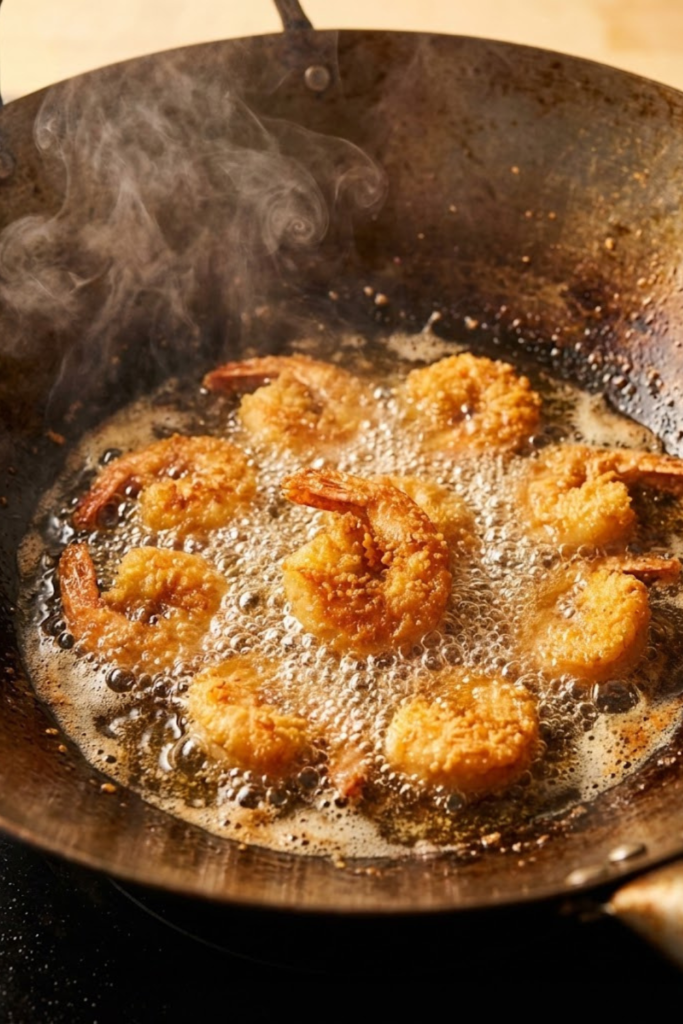
This is the most important part. If the oil is too cold, the shrimp get oily. If it is too hot, the outside burns before the inside cooks. I finally bought a cheap kitchen thermometer, and it changed my life. You want the oil to be right around 375°F. If you don’t have a thermometer, you can stick a wooden chopstick in the oil. If it starts bubbling like crazy around the wood, you are probably ready to go. I always do a “test shrimp” first just to be sure. It should sizzle immediately when it hits the pan.
Don’t Overcrowd the Pan
I know you want to get dinner on the table fast, but don’t dump all the shrimp in at once. When you put cold shrimp into hot oil, the temperature drops fast. If you put too many in, the oil cools down so much that they stop frying and start boiling in the oil. I usually cook them in three or four small batches. It only takes about two minutes per batch, so it really doesn’t take that long. Give them some room to breathe!
The Double Fry Method
If you want them to be extra crunchy, try the “flash fry” trick. Fry them once until they are just cooked through, then take them out and let them sit for a minute. Then, turn the heat up just a tiny bit and throw them back in for thirty seconds. This second fry gets rid of any extra moisture in the crust and makes them stay crispy even after you toss them with the spices. It makes a huge difference if you are serving a big crowd.
Aromatics and Final Tossing
We are almost at the finish line! This is the part where the whole dish comes together and your neighbors might start knocking on your door because the smell is so good. You have your crispy shrimp sitting on a plate with some paper towels to soak up the extra oil, but we aren’t done yet. If you stop now, you just have plain fried shrimp. We want the real deal. This last step happens very fast, so you really need to have all your ingredients chopped and ready to go right next to the stove before you even start.
The Aromatic Trinity
In my house, we call garlic, ginger, and scallions “the trinity.” These three ingredients are what give most of my favorite Asian dishes that deep, savory flavor. I usually chop up about four cloves of garlic, a thumb-sized piece of ginger, and three or four green onions. Here is a little trick I learned: cut the white parts of the onions into small circles to cook with, but save the pretty green parts to sprinkle on top at the end. I used to throw them all in at once, but the garlic would always burn and get bitter before the ginger was ready. Now, I wait until the oil is just starting to shimmer before I toss them in. You only need about thirty seconds for these to start smelling incredible.
Handling the Heat
Now, let’s talk about the spicy part. If you like things mild, you can just use a little bit of green bell pepper for crunch. But if you want the real experience, you need some fresh red chilies or even sliced jalapeños. I remember one time I forgot to wash my hands after cutting the peppers and then I rubbed my eye. That was a big mistake! It burned for an hour. If you want the flavor without the fire that makes your nose run, scrape the seeds out of the peppers before you chop them. This way, you get the bright color and the taste without the extreme heat.
The Big Finish
The final move is the easiest part, but it is also the most important for the texture. Pour out almost all of the oil from your wok, but leave about a tablespoon in there. Toss in your garlic, ginger, and peppers for a few seconds. Once they are fragrant, dump those crispy shrimp back into the pan. Sprinkle your homemade Sichuan salt and pepper mix over everything and give it a few big shakes or stir it quickly. You want every single shrimp to be covered in that salty goodness. Do this fast! If you let them sit in the pan too long, the steam will make the crust soft. Serve it immediately while it is still piping hot and crunchy.
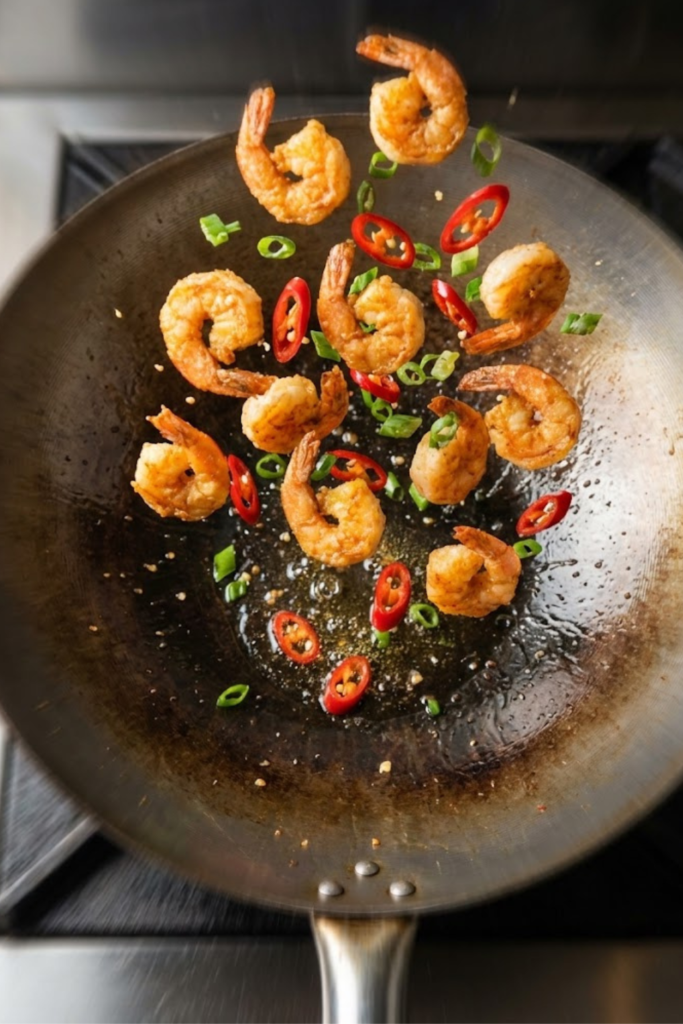
Honestly, just writing all this down makes my mouth water and makes me want to head straight to the kitchen to start another batch. I really hope you give this salt and pepper crispy shrimp a try tonight. I know it might seem like there are a lot of small steps to follow, like toasting those peppercorns or making sure you dry the shrimp with enough paper towels, but I promise it is worth the effort. Once you do it a couple of times, it really becomes second nature. It’s one of those recipes that makes you feel like a real chef in your own home. There is just nothing like hearing that loud, satisfying crunch when you take that first bite and knowing you made it yourself. It truly is better than the stuff that comes in the soggy takeout containers.
The most important things to remember are picking the right big shrimp and making sure they aren’t wet before you coat them. If you stick with the potato starch and use that egg white trick I talked about, you’ll get that perfect, light crust every single time. And please, don’t be scared of the Sichuan peppercorns! That tingly feeling on your tongue is exactly what makes this dish special. If it feels a bit too spicy or too salty the first time, don’t sweat it. Just adjust the mix the next time you cook. That’s the beauty of being the boss of your own kitchen—you get to make it exactly how you like it.
I’ve made this for so many friends and family members over the years, and it is always the dish they ask for when they come over. It’s just fun, happy food. It’s a little messy, it’s very crunchy, and it is just bursting with flavor. If you make this for your family, I really want to know how it went for you! Did you decide to leave the shells on for extra flavor? Did you go crazy with the red chilies?
Pin this for later! If you liked this guide, please save this recipe to your “Asian Favorites” or “Dinner Ideas” board on Pinterest! Sharing it really helps me keep sharing these tips with you, and it makes it way easier for you to find the instructions when that craving for something salty and crispy hits you again. Thanks for reading and happy frying!