I have to admit, I used to be pretty scared of cooking fish in my own kitchen. It always seemed like it would either be too dry or just smell up the house for days. But then I tried making salmon with balsamic glaze and it totally changed how I handle my Tuesday night dinner routine. This recipe is really simple because the sweet sauce hides any little mistakes you might make while searing the fish. My kids actually ask for seconds now, which is a total miracle in our house. It is the most helpful recipe I have for when I am tired but want a healthy meal.
Choosing the Right Cut of Salmon
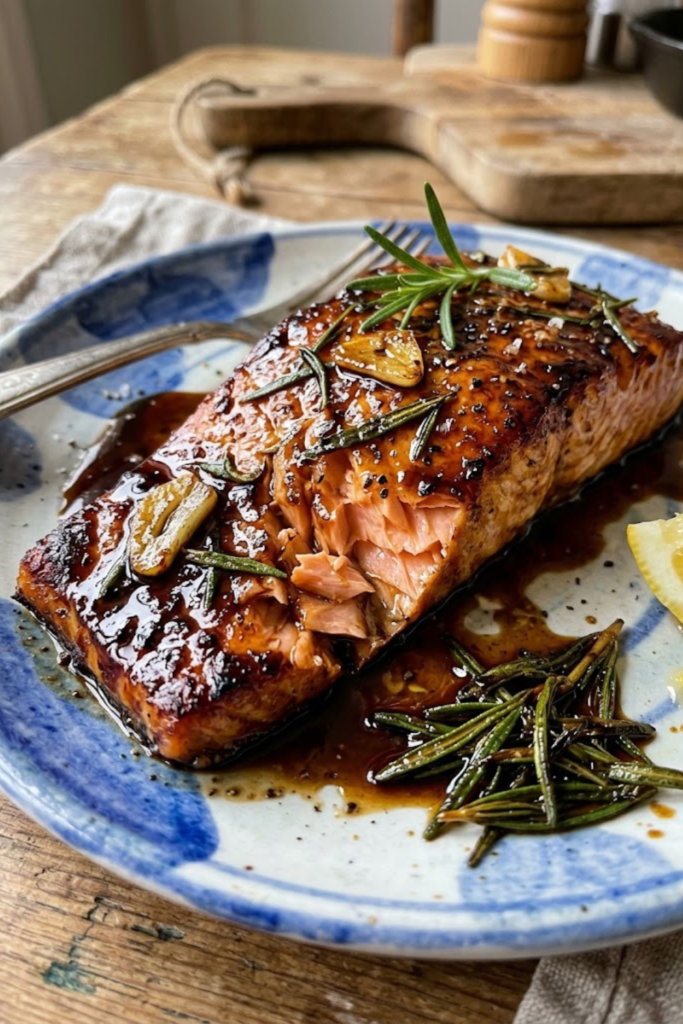
I remember the first time I tried to make a fancy dinner for my family. I bought the cheapest frozen salmon I could find at the back of the freezer section. It was a total disaster! The fish turned out dry, tasteless, and it honestly felt like I was chewing on a piece of wet cardboard. If you want your salmon with balsamic glaze to taste like it came from a high-end restaurant, you have to start with a quality piece of fish. You really can’t fix a bad cut of meat with a good sauce, no matter how hard you try. I learned that the hard way so you don’t have to!
Picking the Best Variety
When you walk up to the seafood counter, you might feel a bit overwhelmed by all the choices. You’ll usually see Atlantic, Sockeye, and King salmon sitting there on the ice. For this specific recipe, I almost always suggest going with Atlantic salmon. It has a higher fat content, which makes the meat really buttery and soft. Since the balsamic glaze is quite tangy and sharp, that extra fat helps balance out the flavors perfectly. Sockeye is delicious, but it is much leaner and can get tough really fast if you aren’t watching the clock. If you are a beginner, stick with the Atlantic fillets because they are way more forgiving if you leave them in the pan for an extra minute.
Why You Need the Skin On
This is a mistake I see a lot of people make. I used to ask the butcher to rip the skin off because I thought it looked a bit gross. Please, don’t do that! The skin is basically a little heat shield for the fish. When you put the fillet in the hot pan, the skin takes the brunt of the heat and gets super crispy. It protects the delicate meat from getting overcooked and tough. Plus, there is a layer of healthy fat between the skin and the meat that melts into the fish while it cooks. It keeps the whole thing moist and juicy. Even if you don’t like eating the skin, keep it on during the cooking process.
Doing a Quick Freshness Check
How do you know if the fish is actually good? Use your nose first. Fresh salmon should never smell “fishy” or sour. It should just smell clean, like the ocean. Next, look at the color. You want a vibrant pink or bright orange color. If the fish looks dull or has gray spots, it has been sitting there way too long. I also like to do a quick “poke test” if the fish is wrapped in plastic. If you press the meat and it springs right back, it’s fresh. If your fingerprint stays stuck in the meat, keep looking. Try to find fillets that are about an inch thick so they stay juicy in the middle while the outside gets that nice sear.
Secrets to a Thick Balsamic Glaze
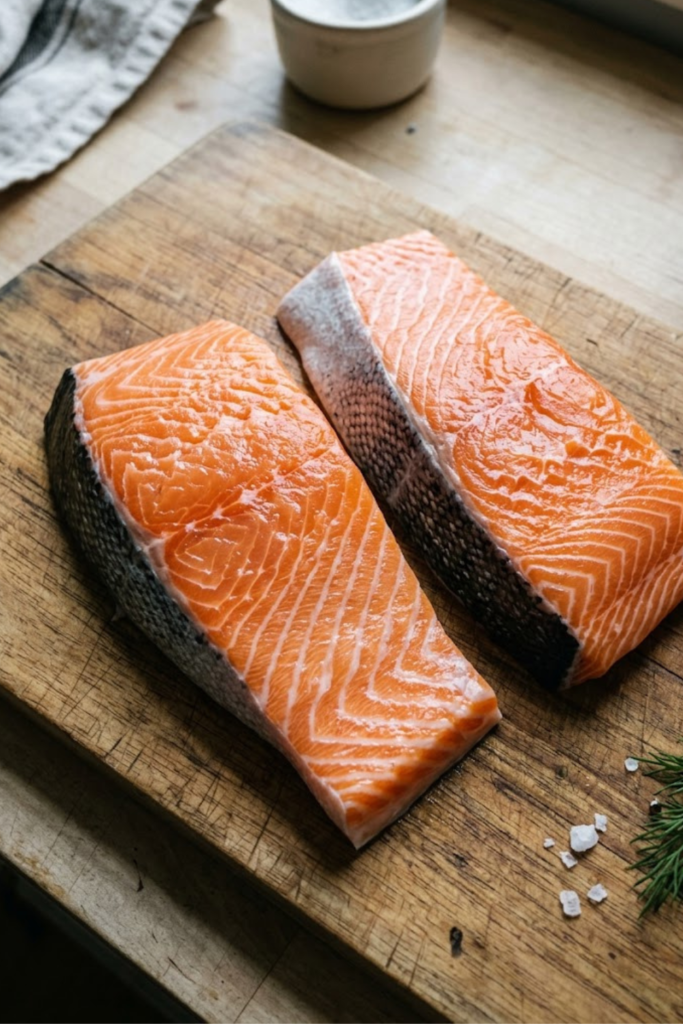
Let’s talk about the sauce. This part is what makes the whole dish work. If your glaze is too thin, it just runs off the fish like water. If it’s too thick, you might end up with a sticky mess that tastes like burnt rubber. I’ve had many evenings where I ruined a perfectly good piece of salmon because I didn’t pay attention to my small saucepan. One time, I got so caught up in a phone call that the sugar in the vinegar turned into actual black smoke. My kitchen smelled like a vinegar factory for three whole days! Making a great salmon with balsamic glaze really just takes a little bit of patience and a watchful eye. It is the part of the recipe that requires the most focus, but the payoff is worth it.
Choosing Your Sweetener
Most people just use plain balsamic vinegar, but you need some sugar to make it thick and syrupy. I usually reach for honey because it has a nice floral taste that goes great with fish. You can also use brown sugar or even maple syrup if you want a deeper flavor. The trick is the ratio. I like to use about a half cup of vinegar and two tablespoons of whatever sweetener I have in the pantry. Don’t go overboard with the sugar, though. You want the glaze to be tangy, not like pancake syrup. If you find it is too sour after it cooks down, you can always add a tiny bit more honey at the end to fix the balance.
The Simmering Process
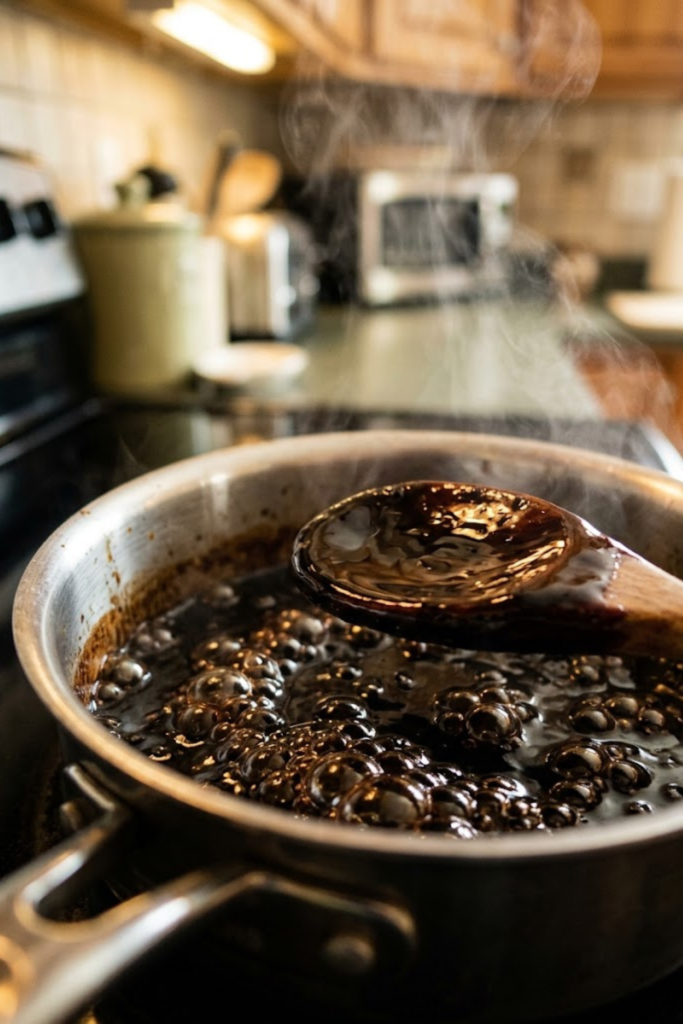
Put your ingredients in a small pot and turn the heat to medium. You want to see small bubbles, not a giant rolling boil. If it boils too hard, it will burn the sugar and taste very bitter. I usually let it simmer for about ten to fifteen minutes. You’ll notice the liquid starts to get dark and glossy. This is the part where you shouldn’t walk away to check your email! Stay right there and give it a stir every few minutes with a wooden spoon. It will start to smell very strong, but that is just the vinegar reducing down into that concentrated flavor we want for the salmon.
The Spoon Test
How do you know when it is done? I use the “spoon test” every single time. Dip a metal spoon into the glaze and pull it out. If the glaze coats the back of the spoon and doesn’t just drip right off, it is ready. You can also run your finger across the back of the spoon. If the line stays clear and the sauce doesn’t fill it back in, you’ve nailed it. Remember that the glaze will get even thicker as it cools down, so don’t overcook it until it’s like glue. If it does get too thick, just add a teaspoon of water to loosen it back up. It’s an easy fix that saves the whole meal from being ruined!
Pan-Searing Techniques for Crispy Skin
I used to be terrified of the frying pan. I thought if I put fish in there, it would just stick and I’d have to scrape it off with a butter knife. It took me a long time to figure out that the heat is actually your friend. If you want that perfect salmon with balsamic glaze, you need to get the skin side right first. It is the most satisfying part of the whole meal when you hear that crunch. I’ve messed this up plenty of times by being too impatient, but once you learn the “don’t touch it” rule, your life gets a lot easier in the kitchen. My kids actually started eating fish once I figured this out!
Getting the Pan Temperature Right
You can’t just throw the fish into a cold pan and hope for the best. That is a recipe for soggy, sad fish. I usually use a cast iron skillet or a good non-stick pan if I’m feeling lazy. Put a little oil in and let it get hot. You want the oil to shimmer across the surface of the pan. I always test the heat by putting just the corner of the salmon in. If it doesn’t sizzle right away, it isn’t ready. Wait another minute. Having a hot pan is the only way to get the skin to crisp up instead of just boiling in its own juices.
The “Don’t Touch It” Rule
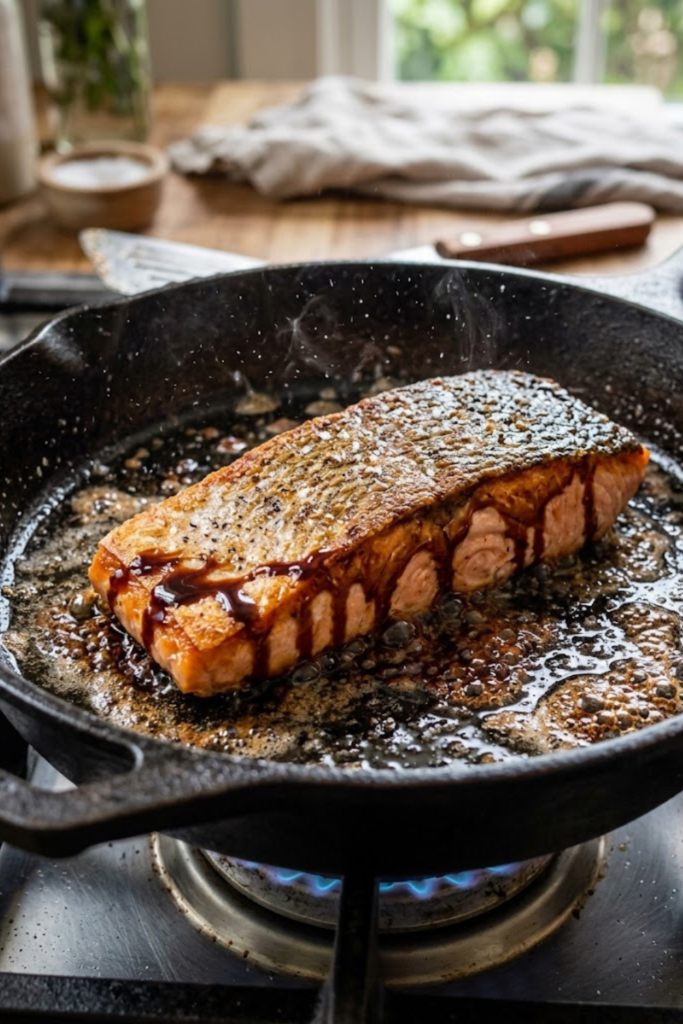
This is where I used to fail. I would get nervous and start poking the fish with a spatula every thirty seconds. Please, don’t do that! Once you put the salmon in the pan, skin-side down, you have to leave it alone. Let it cook for at least four or five minutes without moving it. The fish will actually tell you when it is ready to flip. If you try to lift it and it feels stuck to the bottom, it needs more time. When the skin is perfectly crispy, it will naturally release from the pan. It’s like magic. I usually turn the heat down just a little if I think the skin is getting too dark, but mostly I just let it do its thing.
Adding the Glaze at the End
You don’t want to put the balsamic glaze in too early because the sugar will burn fast. I wait until I flip the fish over to the flesh side. Once the salmon is flipped, I coat the crispy skin with that thick glaze we made earlier. The heat from the fish will make the glaze melt and run down the sides, making a beautiful coating. Let it cook for another two minutes. I like my salmon a little pink in the middle so it doesn’t get dry. If you have a thermometer, aim for about 125 degrees. It stays nice and flaky and everyone will think you are a professional chef.
Wrapping It All Up for the Perfect Dinner
So, there you have it! Making salmon with balsamic glaze doesn’t have to be something that stresses you out after a long day at work. I know it seems like a lot to remember at first, but once you do it a couple of times, it really becomes second nature. I used to keep a little sticky note on my fridge with the temperatures and times until I finally memorized them. It’s funny how a simple piece of fish can make you feel like a real pro when you get it right. My spouse always jokes that I’m trying to win a cooking show, but honestly, I just like eating good food that doesn’t take three hours to prep.
When you’re putting this all together, just remember that the quality of your ingredients is half the battle. If you get that fresh Atlantic salmon and keep the skin on, you’re already ahead of most people. And that glaze! Don’t be afraid to experiment with it a bit. If you like things a little spicier, maybe add a tiny pinch of red pepper flakes while it’s simmering on the stove. That’s the beauty of home cooking; you can change things up to fit what your family likes. I’ve even tried adding a little bit of orange juice to the glaze before, and it was a huge hit during the summer months when we wanted something brighter.
For sides, I usually keep it pretty basic so the salmon stays the star of the show. A big pile of roasted asparagus or some simple garlic mashed potatoes works perfectly for us. The extra glaze from the pan usually drips over onto the veggies, and it tastes amazing. Sometimes I’ll even make a quick quinoa salad if I’m trying to be extra healthy. It’s a great way to use up whatever is left in the crisper drawer at the end of the week.
If you found this guide helpful and think you might give it a try, I’d really appreciate it if you could save this post to your “Healthy Dinners” or “Easy Seafood” board on Pinterest! It helps me out a lot and lets me know that people are actually using these tips in their own kitchens. I love hearing about how your dinners turn out. Happy cooking, and I hope your next meal is the best one yet!