Honestly, I used to be terrified of cooking fish! There is nothing worse than that dry, chalky texture of overcooked seafood. But let me tell you, this salmon marinade changed my entire kitchen game. Did you know that 80% of home cooks overcook their salmon simply because they don’t add enough moisture beforehand?
This guide isn’t just a recipe; it’s a ticket to flavor town. Whether you are rushing home from work or prepping a fancy Sunday dinner, this method ensures your salmon comes out buttery and rich every single time. We are going to dive deep into the ingredients, the timing, and the cooking methods that will make you a seafood pro. Let’s get cooking!

Why Marinating Salmon is a Total Game Changer
Look, I’ll be real with you—I used to be absolutely terrified of cooking fish. I can’t tell you how many times I pulled a beautiful, expensive piece of fish out of the oven only to find it had the texture of a dried-out sponge. It was heartbreaking! I honestly thought I just wasn’t “cut out” for cooking seafood. But then, I stumbled upon the magic of a proper salmon marinade, and it completely flipped the script for me.
If you have ever felt like cooking fish is a high-stakes gamble, you are not alone. The thing is, salmon is actually pretty delicate. Unlike a big steak that has fat and connective tissue to keep it juicy, fish can go from raw to “sawdust” in about thirty seconds flat. That is where a good liquid marinade comes in to save the day.
It’s More Than Just Flavor
Most people think marinating is just about making things taste good. While that’s true, the real hero work happens with the texture. When you soak your filets in a salmon marinade, you are essentially introducing extra moisture before the heat even hits the pan.
I learned this the hard way after trying to just use dry rubs for a month straight. My family was polite, but I saw them reaching for the water glasses!
Here is what is actually happening when you marinate:
- The Oil Barrier: The oil in the marinade (I usually grab olive oil) creates a barrier. It keeps the natural juices inside the fish while it cooks.
- The Acid Factor: Ingredients like lemon juice or vinegar start to break down the proteins just a tiny bit. This makes the meat more tender and flaky.
- Caramelization: Sugars in the marinade (like honey or maple syrup) help get that gorgeous brown crust we all want.
The “Forgiveness” Buffer
Here is a little secret I tell everyone: using a salmon marinade buys you time. If you are distracted by the kids or the dog barking and you leave the fish in the oven for an extra minute or two, a marinated piece of salmon will usually survive. A non-marinated one? It’s probably toast.
I remember one Tuesday I was making dinner and completely forgot the fish was under the broiler because I was on the phone. Panic set in. But because I had let that Sockeye sit in a soy-and-ginger mix for 30 minutes, it was still edible! Actually, it was pretty tasty. That moisture buffer is a lifesaver for busy home cooks.
Liquid vs. Dry Rubs
I have a friend who swears by dry seasonings, but I just don’t get it for fish. Salt draws moisture out. We want moisture in. A liquid salmon marinade penetrates the outer layers of the flesh much better than a sprinkle of garlic powder ever could.
Think about it like a sponge. If you put dry powder on a dry sponge, it just sits there. If you dip the sponge in water, it soaks it up. Your salmon fillet is basically a delicious protein sponge. You want those flavors—garlic, ginger, dill—to get inside, not just sit on the roof.
A Quick Warning on Timing
Now, don’t go overboard. I once made the mistake of leaving my salmon in a lemon-heavy marinade overnight. I thought, “The longer, the better, right?” Wrong. Big mistake.
The acid actually “cooked” the fish while it was in the fridge (kind of like ceviche), and when I baked it, the texture was mushy and weird. It was a total dinner fail.
For the best results, stick to the sweet spot:
- 15 to 30 minutes is perfect for quick flavor.
- 60 minutes is the absolute max if you are using citrus.
Once you start using a salmon marinade, you won’t go back to plain fish. It turns a boring healthy dinner into something you actually look forward to eating. Plus, it makes you look like a pro chef with barely any effort, which is always a win in my book!
Essential Ingredients for the Best Salmon Marinade
I used to think making a salmon marinade required a degree in chemistry or a trip to a specialty grocery store. I would stand in the aisle staring at $12 bottles of “gourmet sauce,” wondering if it was worth it. Spoiler alert: it wasn’t.
The truth is, the best flavors come from stuff you probably already have in your pantry right now. You don’t need to get fancy to make dinner taste amazing.
The Fat Source: Liquid Gold
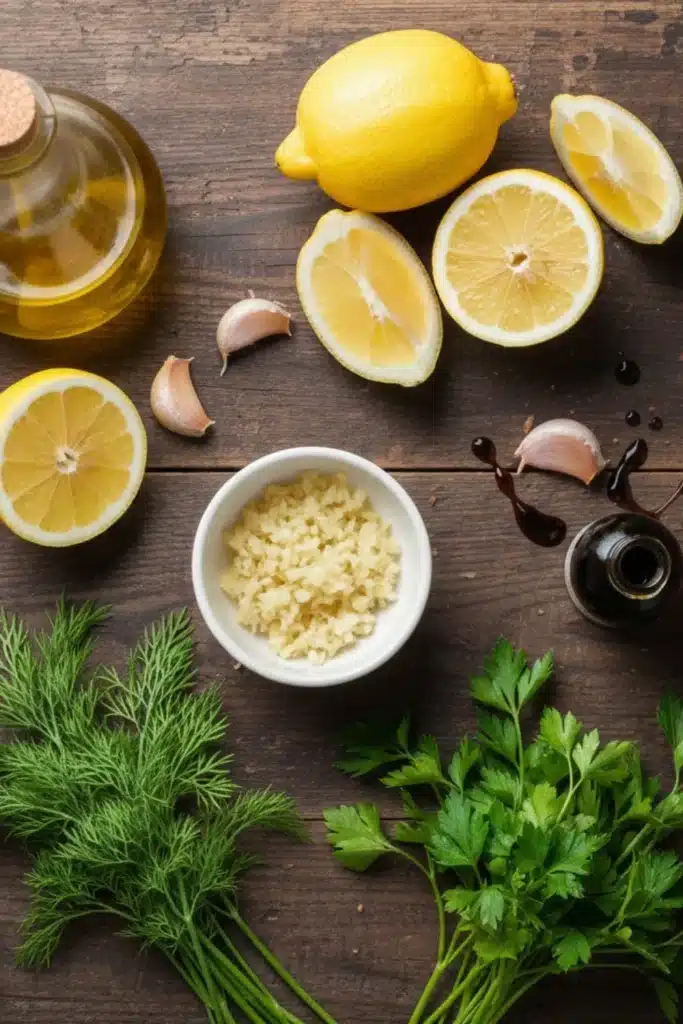
First things first, you need a carrier. I usually grab my trusty bottle of olive oil. For a long time, I tried to skip the oil because I was trying to be “healthy.” That was a huge mistake. Without the fat, the flavors didn’t spread evenly, and my poor fish stuck to the grill grates like it was glued there. Scraping mangled fish off the grill is not my idea of a fun Tuesday night.
- Olive Oil: Great for flavor.
- Avocado Oil: Better if you are cooking at super high heat.
The Acid: Wake Up those Tastebuds
You need something to cut through the richness of the fish. Fresh lemon juice is my go-to for a classic salmon marinade. Please, I am begging you, do not use that little plastic yellow lemon-shaped bottle. It tastes like chemicals. I learned that lesson when I ruined a whole side of salmon for a dinner party. Fresh squeezed is the only way to go. Lime juice works too if you want a tropical vibe.
The Salty Savory Element
Salt makes food taste like itself. But for a marinade, I prefer soy sauce over plain table salt. It adds that deep, savory “umami” flavor that makes you want to lick the plate. If you are cooking for friends who are gluten-free, swap the soy sauce for Tamari or Coconut Aminos. I started doing this when my sister-in-law visited, and honestly, I couldn’t even taste the difference in the final dish.
Aromatics and A Little Sweetness
This is where the magic happens. I measure garlic with my heart, not a spoon. Fresh minced garlic and ginger add a punch that powder just can’t match. Then, I always add a touch of sweetness.
- Honey or Maple Syrup: These are perfect because they help the salmon get that beautiful, caramelized brown color when it cooks.
- Brown Sugar: Works great too if you want a thicker glaze.
When you combine these four elements, you get a salmon marinade that hits every single note: salty, sweet, fatty, and acidic. It’s balanced. It’s simple. And most importantly, it stops you from ordering takeout again.
Step-by-Step Guide: How to Marinate Salmon Perfectly
You might be thinking, “Just dump the sauce on the fish, right?” Well, yes and no. I used to do exactly that. I would throw a wet fillet into a bowl, pour some dressing over it, and hope for the best. The result was usually underwhelming. The flavor was weak, and the fish was soggy.
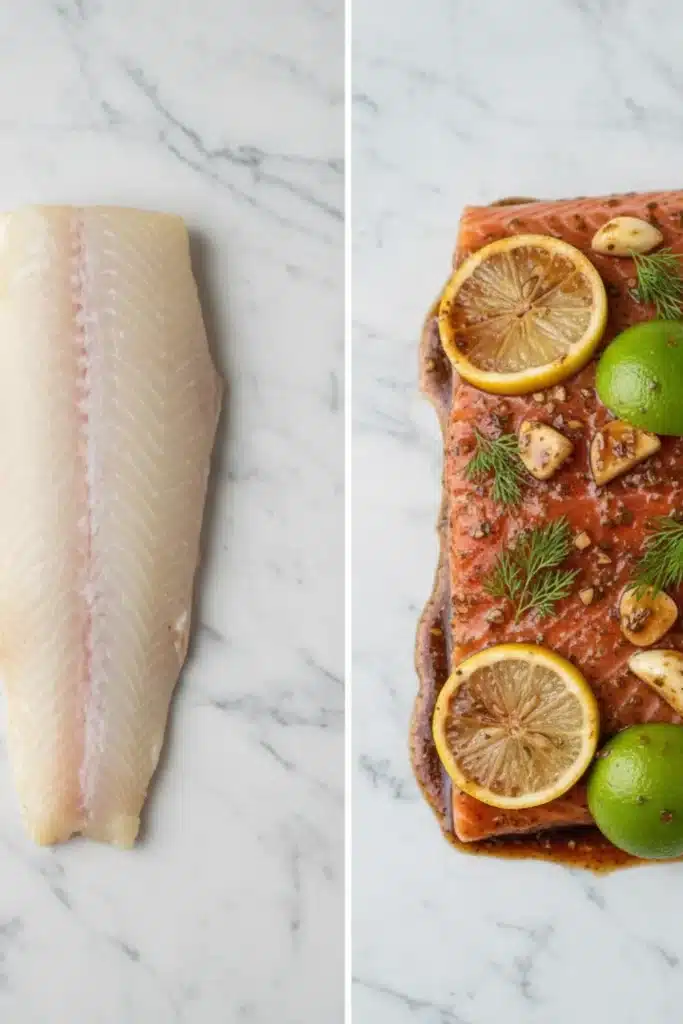
Over the years, I figured out a routine that actually works. It’s not complicated, but following these specific steps makes a massive difference in how your salmon marinade actually sticks to the meat.
Step 1: The Paper Towel Trick
This is the step everyone skips, but it is the most important one. Before you do anything, take your salmon fillets out of the package and pat them dry with paper towels. I mean really dry them. If the fish is wet with that packing liquid, the salmon marinade will just slide right off. It’s like trying to put lotion on wet skin—it just doesn’t work. By drying the surface, the marinade can actually grab onto the protein.
Step 2: Use the Right Container
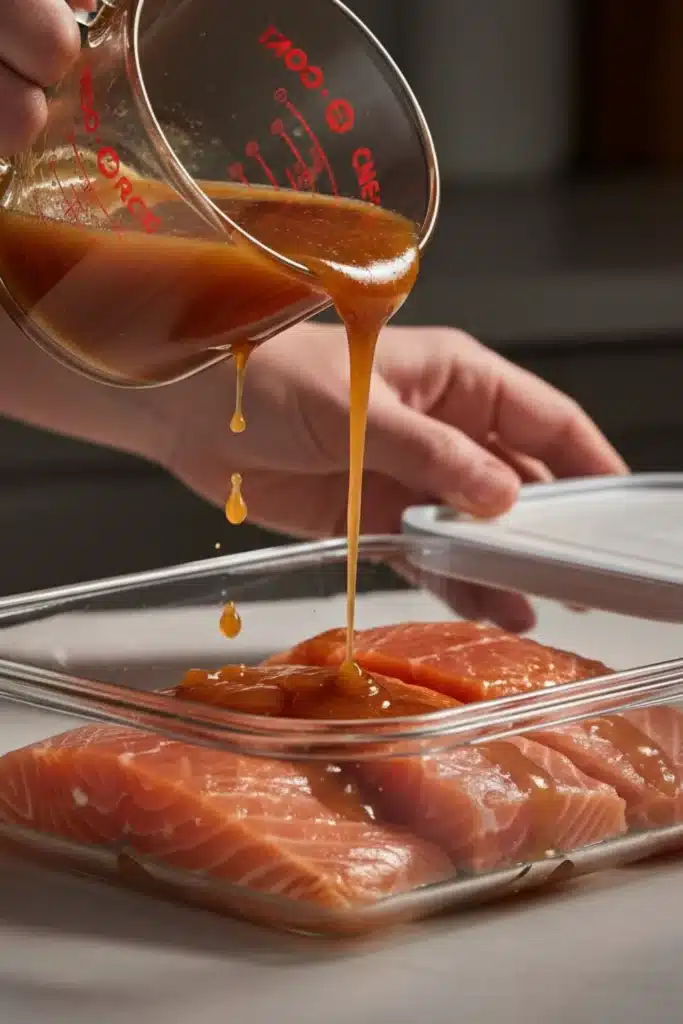
I have a confession: I am lazy when it comes to doing dishes. That is why I almost always use a large Ziploc bag for this. When you use a shallow glass dish, the marinade sits at the bottom, and the top of the fish gets dry. You have to remember to flip it halfway through, and let’s be honest, I usually forget. With a plastic bag, you can squeeze all the air out before sealing it. This forces the liquid to surround the entire piece of fish. It uses less marinade to get better coverage. Plus, zero cleanup! Just toss the bag when you are done.
Step 3: The Fridge Timer
Once the fish is in the bag with your salmon marinade, put it in the refrigerator immediately. I used to leave it on the counter “to come to room temp,” but my aunt (who is a nurse) lectured me on food safety, so I stopped that habit fast. Set a timer on your phone.
- For gentle flavors: 30 minutes is the sweet spot.
- For strong citrus: Do not go over 60 minutes.
If you leave it too long, the texture gets weirdly mushy. I once forgot about a batch for three hours, and the lemon juice basically turned the meat into mush. It wasn’t inedible, but it certainly wasn’t great.
Step 4: The Drip Dry
When you are ready to cook, take the salmon out of the bag and let the excess liquid drip off. You want the flavor that soaked in, not a pool of liquid on top. If there is too much liquid on the outside, the fish will steam instead of searing. If you want that nice crust, shake off the extra sauce.
Following these steps might add two minutes to your prep time, but it guarantees that your salmon marinade actually does its job.
Cooking Methods: Grilled, Baked, or Air Fryer Salmon
So, you have successfully prepped your salmon marinade, and the fish has been soaking up all that goodness in the fridge. Now comes the moment of truth. How do you actually cook it without ruining all your hard work?
I can’t tell you how many times I have stared at a raw piece of fish, paralyzed by the fear that I was going to turn it into charcoal or dry it out completely. It is stressful! But over the years, I’ve realized that the method you choose depends entirely on how much time (and patience) you have.
Oven Baked: The “No-Fail” Method
If you are nervous, start here. Baking is the most forgiving way to cook marinated fish. I like to use the foil packet method because it locks in the steam. Basically, you place the salmon on a piece of foil, pour a tiny bit of the leftover salmon marinade over it, and seal it up like a little tent. Bake it at 400°F for about 12-15 minutes. I did this last week when I had a million chores to do. It keeps the oven clean, and the fish comes out incredibly moist every single time. It’s not the fanciest method, but it gets the job done without any drama.
Grilling: High Risk, High Reward
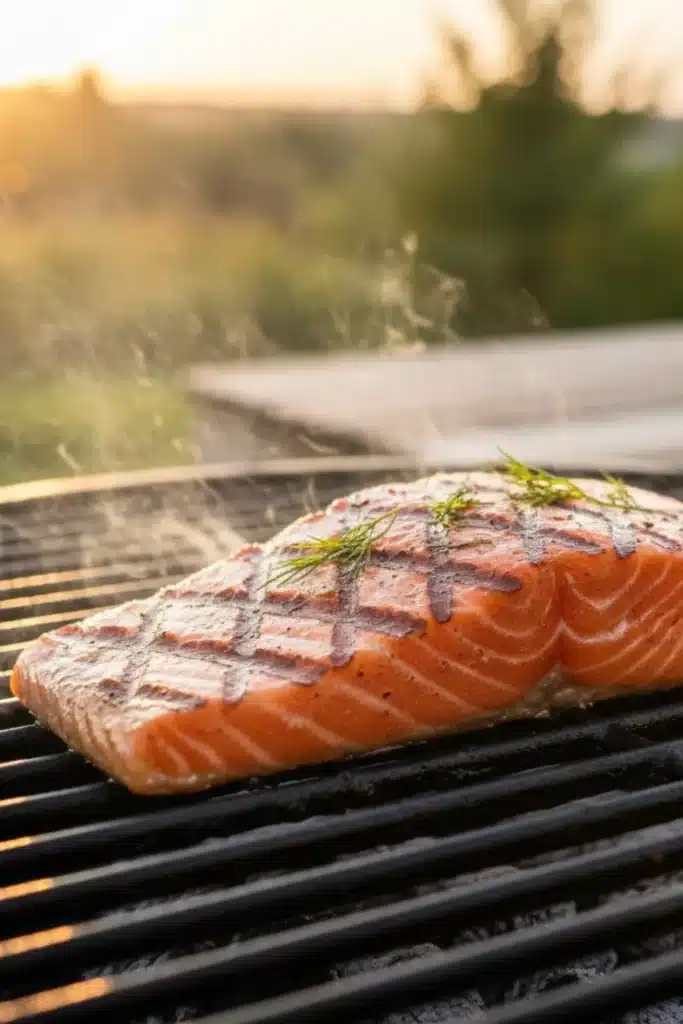
Grilling gives you that amazing smoky flavor, but it used to be my nemesis. There is nothing—and I mean nothing—more frustrating than trying to flip a filet and having half of it stay stuck to the grill grate. I have definitely cried over mangled salmon before. The trick I learned? Clean your grates and oil them heavily right before you put the fish on. Also, don’t try to move it too soon! If the fish is sticking, it’s not ready to flip. Let the sugars in the salmon marinade caramelize a bit; they will release naturally when they are ready.
The Air Fryer: My Weeknight Savior
Honestly, I didn’t buy into the air fryer hype for a long time. I thought it was just another gadget cluttering up my counter. I was wrong. For a quick dinner, this is hands down the best method.
- Preheat to 380°F.
- Pop the salmon in for just 7 to 10 minutes. The moving air crisps up the edges beautifully while the inside stays tender. Just be careful—because the salmon marinade has sugar (honey or maple syrup), it can burn fast in an air fryer. Keep an eye on it!
Pan Seared: The Crispy Skin Lover
If you want that restaurant-style crispy skin, get your cast iron skillet out. This method gets a little smoky (I usually have to disconnect my smoke detector, don’t tell the fire marshal), but the texture is unreal. Make sure you shake off almost all the salmon marinade before it hits the hot pan. If it’s too wet, the fish will steam instead of sear. You want that sizzle, not a simmer.
Choose the method that fits your mood. Just remember, the fish continues to cook for a minute or two after you take it off the heat, so take it off the heat just before you think it’s perfectly done.
Troubleshooting and Pro-Tips for Seafood Lovers
We need to have a serious talk about what not to do. I have made pretty much every mistake in the book so that you don’t have to. When I first started cooking seafood, I treated it just like chicken, and wow, was that a bad idea. Fish is its own beast.
Mastering a salmon marinade is 90% of the battle, but these little details are what separate a “meh” dinner from a restaurant-quality meal.
Please, Don’t Poison Your Guests
Okay, this is gross, but we have to cover it. Years ago, I almost poured the leftover liquid from the Ziploc bag right over the cooked fish. I thought, “Why waste all that flavor?” Stop! That liquid has been touching raw fish for thirty minutes. It is full of raw fish juice. If you pour that over your cooked dinner, you are basically inviting food poisoning to the party. If you really want to use that leftover salmon marinade as a sauce, you have to boil it. Throw it in a small saucepan and let it bubble hard for at least 5 minutes to kill the bacteria. Honestly? I usually just mix up a fresh little batch of dressing for serving. It tastes fresher and saves me washing a pot.
The Frozen Fish Dilemma
I am the queen of forgetting to take meat out of the freezer. It happens to the best of us. Can you marinate frozen salmon? Technically, yes. But should you? I wouldn’t. Here is the problem: as the salmon thaws in the fridge, it releases a ton of water. That water dilutes your beautiful, punchy marinade. You end up with a watery, bland mess instead of a rich glaze. If you are in a rush, put the vacuum-sealed fish in a bowl of cold water. It thaws in about 20 minutes. It is worth the extra step to get the texture right.
Spice It Up
Don’t feel stuck with the recipe I gave you. Cooking should be fun! Once I got comfortable with the basics, I started experimenting.
- Want heat? Add a pinch of red pepper flakes or a squirt of Sriracha.
- No dill? Fresh parsley or cilantro works great depending on your vibe.
- Out of lemon? Orange juice is surprisingly good with soy sauce. The “best” recipe is the one that tastes good to you.
What to Serve With It
You don’t need a five-course meal here. Since the fish is so flavorful, I keep the sides simple. My go-to is usually some roasted asparagus or a quick cucumber salad. If I’m really hungry, I’ll throw some jasmine rice in the instant pot. The rice soaks up any extra sauce on the plate, and it is absolute heaven.
Just remember, the goal here is a stress-free dinner. If you mess up a batch, don’t sweat it. Order pizza and try again next week. We are all just learning as we go!

Honestly, if you had told me five years ago that I would be writing a whole guide on how to make the perfect salmon marinade, I would have laughed in your face. I was the person who only ordered fish at restaurants because I was too scared to ruin it at home. It just seemed so… fancy? And easy to mess up.
But here we are. I really hope this guide helps you get over that initial fear.
Cooking seafood doesn’t have to be this big, scary event. It’s actually one of the fastest proteins you can cook on a busy Tuesday night. Once you have those basic ingredients in your pantry—soy sauce, olive oil, lemon, and garlic—you are pretty much unstoppable.
A Quick Recap for Success
Before you run off to the grocery store, let’s just remember the big three takeaways that saved my dinner routine:
- Dry it off: Seriously, don’t skip the paper towels. If the fish is wet, the flavor won’t stick.
- Watch the clock: Set a timer. Do not let that salmon marinade sit for hours, or you will end up with mushy texture. 30 minutes is plenty.
- Pick your method: If you are tired, use the air fryer. If you want to show off, use the grill. Both work great.
Making Healthy Eating Less Boring
The best part about finding a recipe like this is that it stops “healthy eating” from feeling like a punishment. I used to dread eating clean because I thought it meant plain, steamed fish with zero flavor. No thank you. Adding a rich, savory glaze changes everything. My youngest actually asked for seconds last week, which is basically a miracle in my house.
Give It a Try Tonight
So, grab some fresh fillets on your way home. Don’t overthink it. Even if you don’t get the sear perfect the first time, or if you accidentally add a little too much garlic (is there such a thing?), it is still going to be delicious. Cooking is all about trial and error. I have burned my fair share of dinners, and I am still standing. You got this!
If you found this helpful, please save this pin to your “Healthy Dinners” board on Pinterest so you can find it next time you are meal planning!