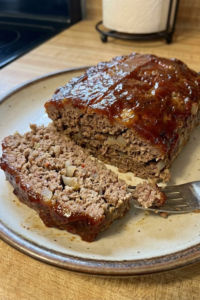
Let me tell you, there is nothing—and I mean nothing—that screams “home” quite like a warm, thick slice of meatloaf. I remember the first time I entered a local cooking contest; I was terrified! My hands were shaking as I mixed the ground beef, praying it wouldn’t come out dry as a brick. But guess what? That meatloaf didn’t just survive; it thrived. It became my prize winning meatloaf, the dish my kids beg for every Sunday.
This isn’t just about throwing meat in a pan. It’s about creating a moist, flavorful masterpiece that melts in your mouth! We are talking about the kind of comfort food that hugs you from the inside out. In this article, I’m going to share my secrets for the perfect meatloaf glaze, the best binder to use, and how to keep it from falling apart. You ready to get cooking? Let’s dive in!

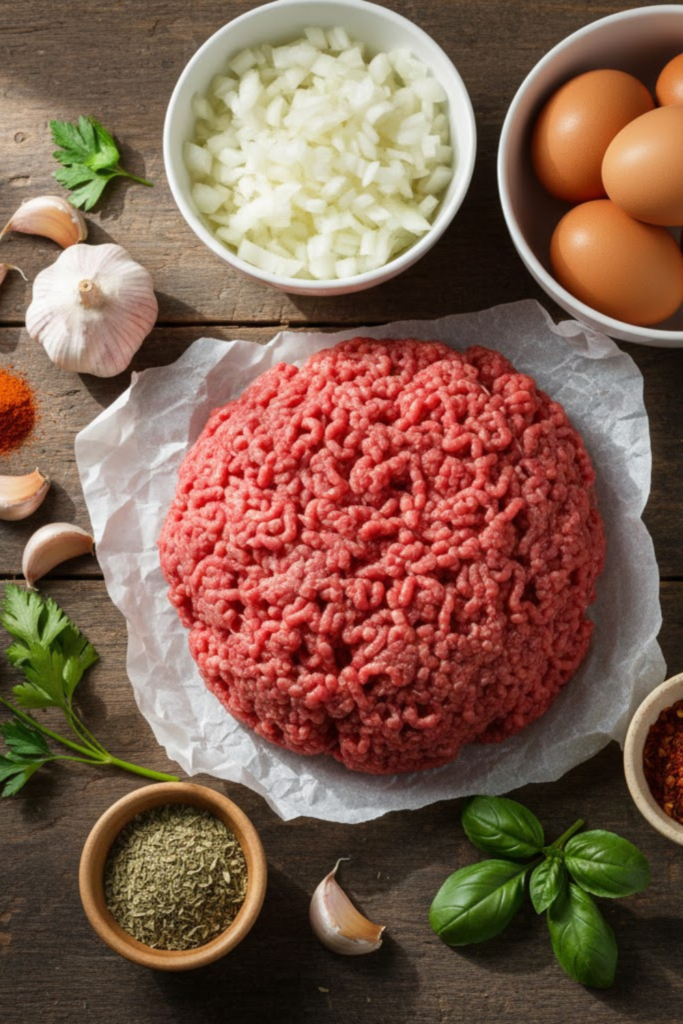
Essential Ingredients for a Juicy Meatloaf
You know, I used to think all ground meat was created equal. Man, was I wrong! I remember one Tuesday back in 2015, I tried to make a “healthy” meatloaf using that super lean 96% beef. It came out tasting like a hockey puck. My kids actually asked if we could order pizza instead, and honestly, I didn’t blame them. It was a total disaster.
If you want a ground beef recipe that doesn’t taste like cardboard, you have to embrace the fat. It sounds counterintuitive, I know. But you really need that 80/20 lean-to-fat ratio.
Picking the Right Beef
When I’m at the grocery store, I always grab the ground chuck. That 20% fat renders down while it cooks and keeps everything moist. It is a total game-changer. If you go leaner, you’re just setting yourself up for a dry dinner. I’ve learned that lesson the hard way, so you don’t have to.
Savory meatloaf needs that fat for flavor, too. It carries the spices through the meat. Trust me, nobody is going to complain about a few extra calories when the food tastes this good.
The Secret Binder (The Panade)
Now, let’s talk about the binder. Most people just throw dry breadcrumbs in and call it a day. That’s a rookie mistake! You have to make a panade.
It sounds fancy, but it’s literally just breadcrumbs soaked in milk. I usually let them sit in a small bowl for about five or ten minutes until it looks like mush. This little pile of mush locks in moisture like you wouldn’t believe. It stops the protein fibers in the meat from tightening up too much.
If you skip this step, your classic meatloaf might fall apart or feel dense. I’ve had times where I rushed it, and the texture was just… off.
Don’t Skip the Aromatics
Another thing I messed up for years was using raw onions. I used to chop them up and throw them right in. Big mistake. You end up with these crunchy bits inside a soft loaf, and it’s just weird.
Take the extra ten minutes to sauté your onions and garlic first. It softens them up and adds a sweetness that raw veggies just can’t match. It adds a depth of flavor that makes people wonder, “What is in this?”
Spice It Up
Finally, don’t be shy with the seasonings. Ground beef is a blank canvas. I always use a mix of salt, pepper, dried thyme, and a heavy splash of Worcestershire sauce. That sauce adds a salty punch that really wakes up the beef flavors.
If you are looking for juicy meatloaf secrets, it really comes down to these basics. Don’t overthink it, but don’t cut corners either. Once you get these ingredients right, the rest is a breeze.
My Go-To Mix:
- 2 lbs Ground Chuck (80/20)
- 1 cup breadcrumbs soaked in 1/2 cup milk
- 1 onion, diced and sautéed
- 2 eggs (beaten)
- 1 tbsp Worcestershire sauce
The Secret to the Perfect Tangy Glaze
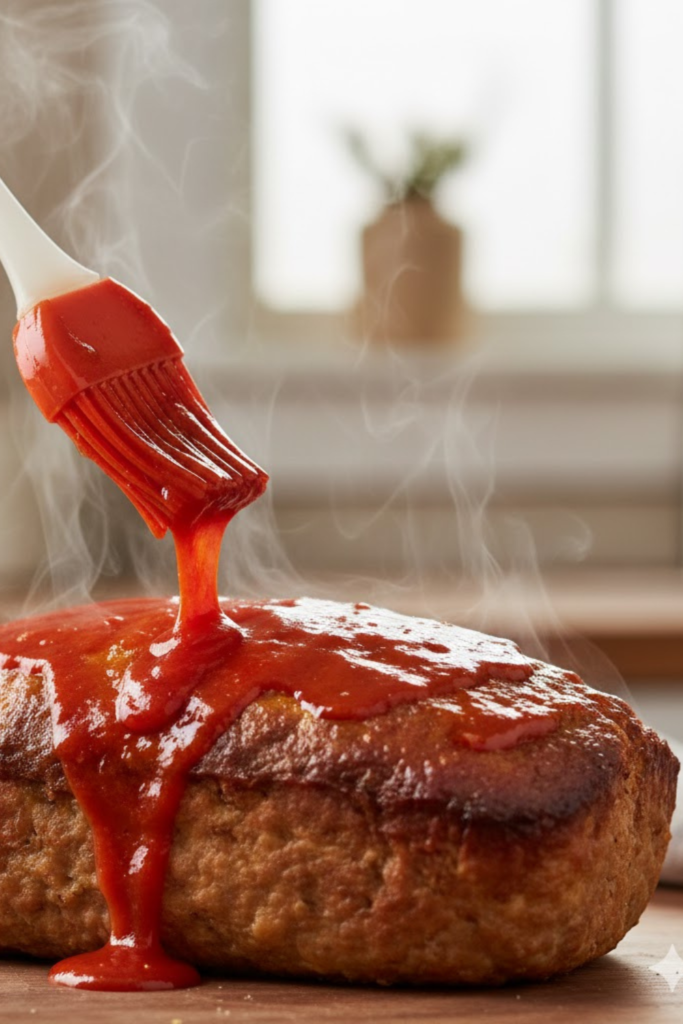
Let’s be honest for a second. The glaze is the absolute best part of the whole dish. It’s the shiny red crown on the king of comfort foods. For the longest time, I just squirted plain ketchup on top and called it a day. Boring!
I wanted that sticky, sweet, and tangy coating that you get at a solid diner. The kind that sticks to your fork. So, I started experimenting in my kitchen, and boy, did I make some messes.
My Fancy Vinegar Disaster
I remember trying to get all “gourmet” about five years ago. I decided to use an expensive, aged balsamic vinegar in my meatloaf sauce instead of the cheap stuff. I thought I was being so chef-like.
Big mistake. It was way too strong and totally overpowered the beef. My husband ate it to be nice, but he made a face after the first bite. I felt so frustrated because I had wasted good ingredients on a bad idea.
The Magic Trio
The sweet spot is actually really simple. You need a balance of ketchup, brown sugar, and apple cider vinegar. The vinegar is crucial because it cuts through the richness of the meat. It wakes up your taste buds!
If you just use sugar and ketchup, it’s too sweet. It tastes like candy, which is gross on dinner. The cider vinegar adds that necessary zing. This creates the ultimate tangy topping that balances the savory flavors perfectly.
Timing is Everything
Here is where most folks mess up, and I used to do it too. They put the meatloaf glaze on right at the very start of cooking.
If you put it on raw meat and bake it for an hour, the sugar is going to burn. You will end up with a black, bitter crust before the middle is even cooked. Nobody wants to eat charcoal.
I learned the hard way to wait until the last 15 minutes of baking. That is the golden rule. You pull the loaf out, slather on the sauce, and pop it back in. It gets tacky and delicious without burning.
My Secret Ingredient
Want to know my little secret? I add a pinch of nutmeg to the brown sugar glaze.
It sounds crazy, I know. But it adds this subtle warmth that makes people wonder. They always ask, “What is that secret flavor?” You can just smile and tell them it’s a family secret.
The Winning Ratio:
- 1 cup Ketchup
- 1/4 cup Light Brown Sugar (packed)
- 1 tbsp Apple Cider Vinegar
- 1/4 tsp Nutmeg
Mix that up in a small bowl until the sugar dissolves. Don’t heat it up on the stove; just mix it cold. It will caramelize perfectly in the oven.
Step-by-Step Instructions for Baking
Okay, class is in session! Making homemade meatloaf isn’t rocket science, but you have to be gentle. When I first started cooking for my family, I treated the meat like I was kneading bread dough. I squeezed it and mashed it until it was a paste.
Big mistake. That makes the final result tough and rubbery. It was like chewing on a tire.
The “Claw” Technique
You want to mix the ingredients until they are just combined. I tell my friends to use the “claw” method. Use your hands, but keep your fingers open and stiff like a claw.
Pretend you are tossing a salad, not making a snowball. This keeps the texture light and airy. If you overwork the beef, the proteins get tight, and you lose that tender bite we all love.
Ditch the Loaf Pan
Another thing I learned the hard way: stop using the loaf pan. I know, it’s called “meatloaf,” but baking it in a deep pan steams the meat in its own juices. You end up with grey, soggy sides that look pretty unappealing.
Instead, shape it into a loaf on a parchment-lined baking sheet meatloaf. This lets the hot air circulate around the whole thing. You get crispy, caramelized edges all the way around! It looks way better when you serve it, too.
Oven Temperature and Timing
Preheat that oven to 350°F (175°C). That is the sweet spot. If it is too hot, the outside burns before the inside is done.
I once tried to rush dinner at 400°F because I was late for a PTA meeting. The outside was black, and the middle was basically raw. Total nightmare. I had to microwave slices for the kids, which was not my proudest mom moment.
For a standard 2-pound loaf, the meatloaf cooking time is usually around 55 minutes total. But don’t just set a timer and walk away.
The Hardest Part: Waiting
This might be the hardest step of all. You have to let it rest.
I know it smells amazing and you want to eat it now. But if you slice it the second it comes out of the oven, disaster strikes. All those delicious juices will run out onto the cutting board.
Your meat will be dry, and your board will be a messy puddle. Give it 10 minutes. It gives the juices time to redistribute back into the meat. It’s worth the wait, I promise.
My Baking Routine:
- Mix: Gently combine meat and binder with “claw” hands.
- Shape: Form a 9×5 inch loaf on a baking sheet.
- Bake: Cook for 40 minutes at 350°F.
- Glaze: Add the sauce and bake for 15 more minutes.
- Rest: Let it sit on the counter for 10 full minutes.

Common Meatloaf Mistakes to Avoid
I have had my share of kitchen disasters. One time, I cut into a beautiful-looking loaf only to find the middle was still raw pink. I was so hungry after a long day at work, I almost cried!
Cooking times can vary so much based on your oven or the pan you use. You can’t just trust the clock blindly.
The Thermometer Rule
You really need a meat thermometer. It is the only way to know for sure if dinner is safe to eat. You are looking for a meatloaf internal temp of exactly 160°F (71°C).
If you pull it out at 150°F thinking it is “close enough,” you might get sick. But if you wait until it hits 170°F, it is going to be dry as a bone. There is a small window for perfection.
I used to think using a thermometer was “cheating.” I thought real cooks just knew by touching it. That was silly pride talking. Use the tools that help you succeed!
Why Is It Dry?
If your homemade meatloaf comes out dry, it is usually one of two things. First, you might have used beef that was too lean. Like I mentioned before, stick to the 80/20 mix.
Second, you might have skipped the milk soak for the breadcrumbs. I cannot stress this enough. Dry breadcrumbs act like little sponges that suck the moisture right out of the meat.
It is heartbreaking to spend an hour cooking just to serve something that requires a gallon of water to swallow.
Help, It’s Crumbling!
Have you ever tried to slice a piece and it just disintegrates into a pile of ground beef? That is super frustrating. It usually means your binder ratio is off.
If your slices are falling apart, you probably didn’t use enough eggs. The egg acts like the glue that holds everything together. For 2 pounds of meat, you generally need 2 large eggs.
Also, if you chop your veggies too big, the meat can’t hold onto them. Keep your onions and peppers diced small.
- Quick Fix: If the mixture feels too wet when raw, add a handful of oats. If it feels too dry, add another splash of milk.
Don’t Squeeze It!
Finally, don’t press down on the loaf while it is cooking or resting. I see people do this in movies to hear the sizzle.
When you press on it, you are literally squeezing the juice out. You want that juice inside the meat, not on the pan! Treat your prize winning meatloaf with a little tenderness.
Troubleshooting Checklist:
- Raw Middle: Oven was too hot or loaf was too thick.
- Greasy: Forgot to use breadcrumbs to absorb the fat.
- Cracked Top: Oven too hot or didn’t use a water bath (optional but helps).
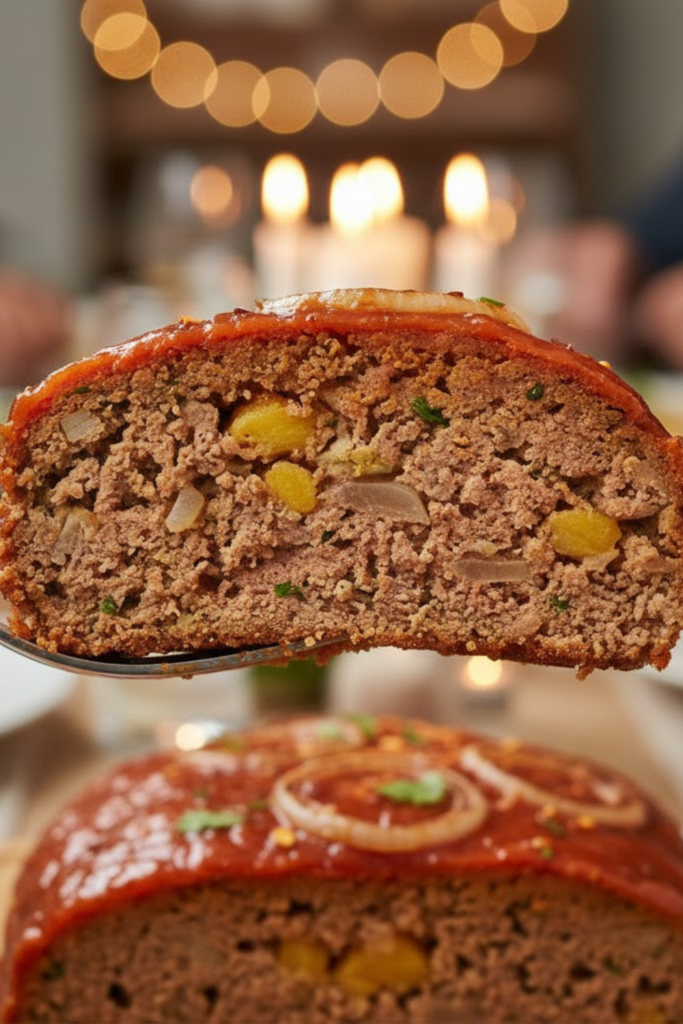
So, there you have it—the blueprint for a prize winning meatloaf that will have your family asking for seconds (and maybe thirds!). It isn’t about having fancy equipment or being a professional chef. It is about patience, using the right ingredients like that 80/20 beef, and a whole lot of love.
I promise, once you try this recipe, you will never go back to those dry, flavorless loaves again. I know it seems like a lot of steps, but once you smell that tangy topping caramelizing in the oven, you will know it was worth it.
My kids still talk about the first time I actually got it right. It became a core memory for them. I hope this dish becomes a staple for your family dinner, too. Don’t be afraid to experiment a little, but respect the basics we talked about.
Pin this recipe on Pinterest to save it for your next Sunday dinner!