Hey there, foodies! Did you know that the pineapple was once so rare it was rented out for parties just to show off? Luckily for us, they are everywhere now, and I’m about to show you exactly how to use them!
I remember my first trip to Oahu—the air smelled like salt and flowers, but the food? That stuck with me forever. I’ve spent years trying to recreate that magic in my own kitchen, and I’ve finally cracked the code! This isn’t just dinner; it’s a tropical vacation on a plate. We are going to dive deep into this pineapple shrimp luau recipe, exploring the perfect balance of sweet, savory, and creamy textures that make this dish a standout. Get your aprons ready, because we are bringing the island vibes straight to your table!
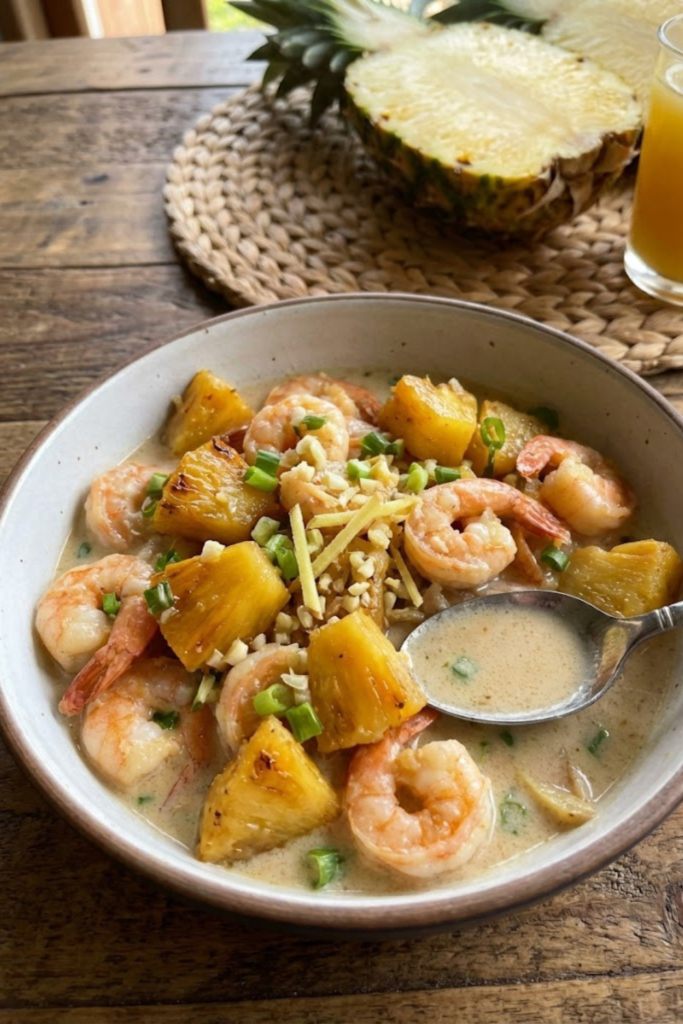
Essential Ingredients for Tropical Flavor
Look, I’ve ruined more batches of this dish than I care to admit. When I first tried to make a pineapple shrimp luau recipe, I thought I could just throw whatever I had in the pantry into a pan and call it a day. Big mistake. I ended up with rubbery shrimp swimming in a watery, flavorless soup. It was a hot mess. Over time, I learned that because this dish has so few components, the quality of each one really counts. You can’t hide bad ingredients behind a mountain of cheese here.
The Great Shrimp Debate: Fresh vs. Frozen
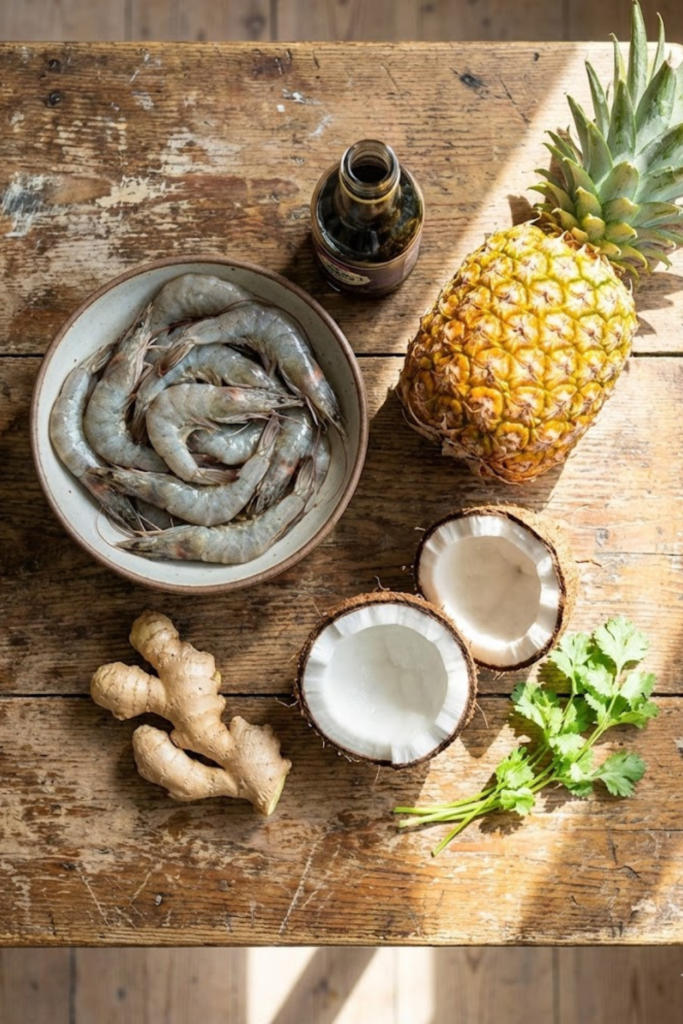
I used to stress out about buying “fresh” shrimp from the seafood counter. Then a fisherman buddy told me that most of that stuff is just thawed frozen shrimp anyway. My mind was blown. Now, I buy bags of frozen, raw, jumbo shrimp. They are usually flash-frozen right on the boat, so they are actually fresher!
Make sure you get the easy-peel kind if you value your sanity. Also, size matters. If you get those tiny salad shrimp, they will disappear into the sauce. You want a meaty bite that stands up to the pineapple chunks.
Pineapple: Fresh is Best (Usually)
Okay, I know cutting a pineapple is a pain. I’ve nearly sliced my finger off trying to wrestle a slippery one. But for this recipe, fresh pineapple gives you that perfect acidity to cut through the creamy sauce. It’s got a zing that canned stuff just doesn’t have.
However, if it’s Tuesday night and you are exhausted, use canned pineapple. Just do me a favor? Buy the chunks in juice, not heavy syrup. The syrup makes the dish way too sweet, like a dessert gone wrong. We are making dinner, not cake.
Coconut Milk: Don’t Go Lite
Here is a hill I am willing to die on: never buy “lite” coconut milk for a luau. I did this once trying to save calories. The sauce never thickened. It just stayed watery and sad.
You need full-fat coconut milk or even coconut cream. That fat is what makes the sauce velvety and rich. When you open the can, there should be a thick layer of white cream on top. That is the gold. If you want that restaurant-quality texture in your pineapple shrimp luau recipe, you gotta embrace the fat.
The Aromatics
Finally, don’t skimp on the ginger and garlic. I know the jarred minced garlic is convenient. I use it too when I’m lazy. But fresh ginger and garlic crushed right before cooking add a spicy kick that is essential. It balances the sugar from the fruit. If you have soy sauce, great, but I’ve recently switched to tamari. It adds a deeper, savory flavor that just hits different.
Step-by-Step Preparation Guide
Cooking seafood used to terrify me. I’m serious. There is a very fine line between “perfectly succulent” and “chewing on a tire,” and I crossed it constantly. My first attempt at a pineapple shrimp luau recipe resulted in shrimp so tough my jaw actually hurt afterward. But after plenty of trial and error (and a few takeout orders when things went south), I’ve figured out the rhythm. The trick isn’t being a master chef; it’s just timing.
Cleaning and Daveining: The Gross Part
Let’s get the unpleasant stuff out of the way first. Unless you bought them pre-prepped, you have to clean your shrimp. I know, dealing with the “vein” (which is actually the digestive tract, yuck) is gross. But leaving it in adds a gritty texture that ruins the dish.
Use a small paring knife to slice down the back and pull it out. Rinse them well under cold water. If you skip this, no amount of delicious sauce will save you. Dry them thoroughly with paper towels immediately after rinsing. Wet shrimp don’t sear; they steam, and steaming is the enemy of flavor here.
Searing for Texture
Here is where I used to mess up big time. I used to dump all the shrimp into the pan at once. Don’t do that! When you crowd the pan, the temperature drops, and the shrimp boil in their own juices. It’s sad.
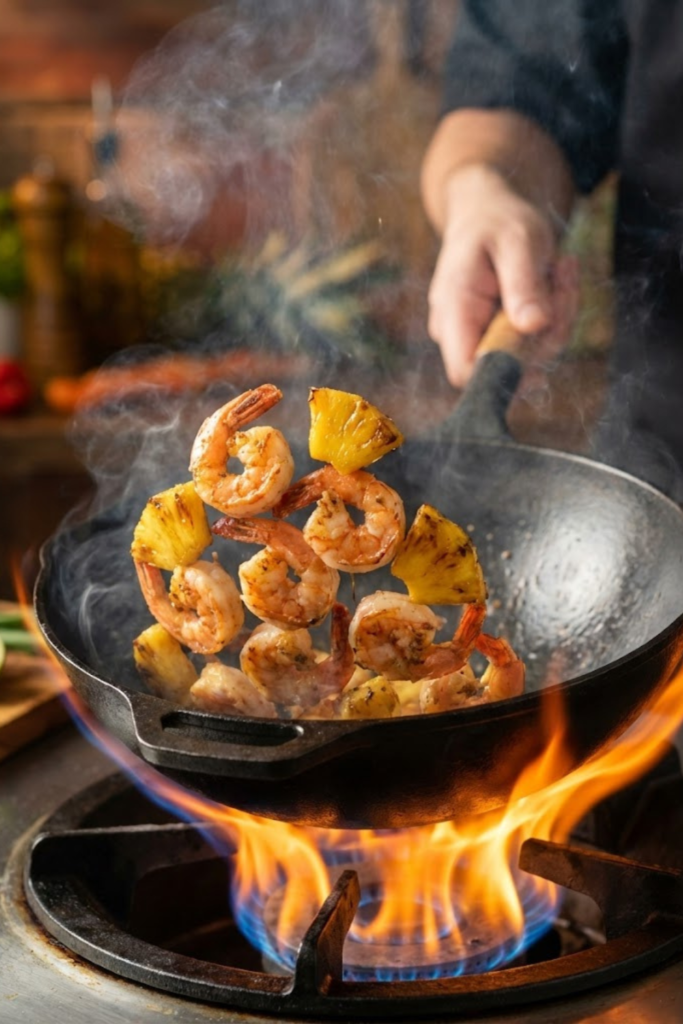
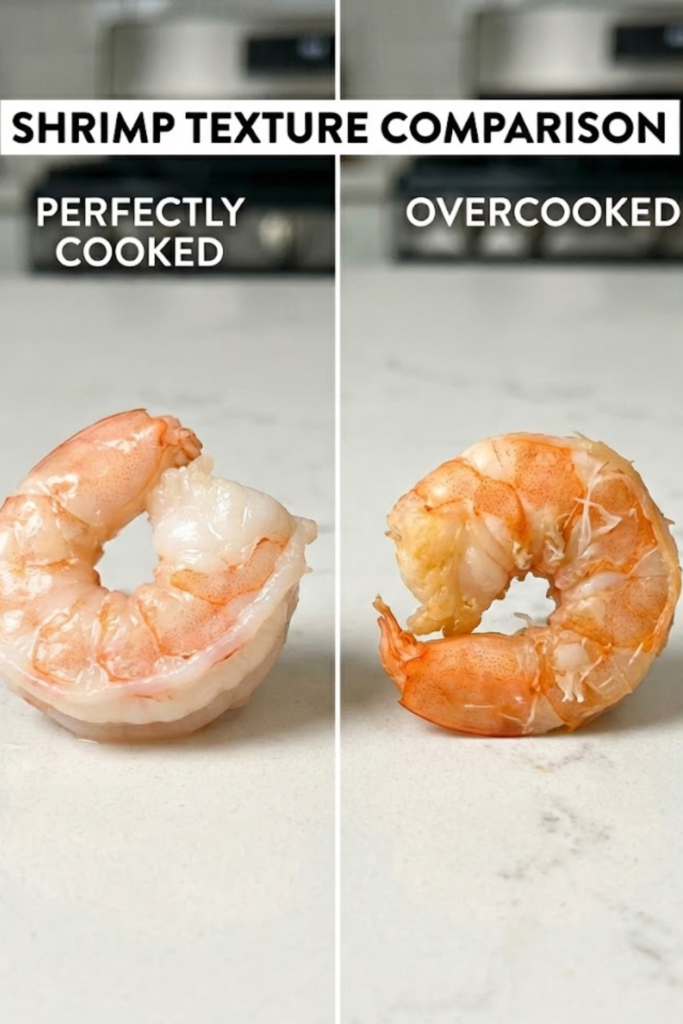
Get your pan ripping hot with a little oil. Cook the shrimp in batches if you have to, giving them plenty of personal space. You only want to cook them about 80% of the way through during this step. Look for them to turn pink and opaque. Once they curl into a loose “C” shape, get them out of there! If they curl into a tight “O,” you’ve gone too far.
Simmering the Sauce
Now that the shrimp are safe on a plate, lower the heat. We need to deal with the coconut milk. Pour it into the same pan to scrape up those browned bits left behind by the seafood—that’s pure flavor.
Bring it to a gentle simmer, not a rolling boil. I learned the hard way that boiling coconut milk too aggressively makes it separate and look oily. You want to reduce it slightly until it coats the back of a spoon. This usually takes about 5 to 7 minutes of patience. Stir it often so the sugars from the pineapple juice don’t burn on the bottom.
Timing is Key
Here is the final secret to a great pineapple shrimp luau recipe. Do not add the pineapple chunks until the very end. If you toss them in too early, the enzymes in the fruit can break down the proteins in the coconut milk, leading to a weird texture. plus, hot, mushy pineapple is just not appetizing.
Add the pineapple and the seared shrimp back into the sauce for just the last minute or two. You just want to warm them through. This keeps the fruit crisp and juicy, providing that nice pop when you bite into it. Turn off the heat, toss in your green onions, and serve it immediately.
Serving Suggestions and Pairings
You would think that after cooking a killer meal, the hard part is over. Nope. I remember the first time I nailed the sauce for this dish, I served it alongside roasted potatoes. Don’t ask me why; my brain just wasn’t working that day. My family ate it, but the silence at the table was loud. It just felt… wrong. The starch you choose for this pineapple shrimp luau recipe can literally make or break the experience. It needs a vehicle to soak up that creamy, coconutty goodness, not fight against it.
The Rice Dilemma
Rice is the obvious choice, but not all rice is created equal. I used to grab whatever bag was on sale, but I’ve learned better. Jasmine rice is the MVP here. It has this subtle floral aroma that smells a bit like popcorn when it cooks, which pairs beautifully with the tropical flavors.
If you are trying to be healthy, brown rice works, but it’s nuttier and chewier. Honestly? It kind of distracts from the shrimp. For my low-carb friends, I’ve tried cauliflower rice. Here is a tip: dry fry the cauliflower rice in a pan for a few minutes before serving. It gets rid of that soggy, sulfur smell that ruins the vibe.
Garnishing Like a Pro
I used to think garnishes were just for fancy restaurants. I would skip them and wonder why my food looked so brown and sad. A pop of color makes a huge difference. But please, put the parsley away. It tastes too grassy for this sweet dish.
Fresh cilantro is great if you don’t have that gene that makes it taste like soap. If you do (sorry about that), chopped green onions are your best friend. For a texture contrast, I love sprinkling toasted coconut flakes on top. Just watch them like a hawk when you toast them; coconut goes from “golden delicious” to “burnt charcoal” in about three seconds.
Rounding Out the Meal
This dish is pretty rich because of the coconut milk, so you need sides that cut through that heaviness. A classic Hawaiian macaroni salad is traditional, but man, it is heavy. I usually save that for parties.
For a weeknight dinner, I prefer something green and crisp. Steamed broccoli or stir-fried bok choy with a little sesame oil works wonders. You want something that provides a “crunch” to balance the soft shrimp and pineapple. It’s all about balance.
What to Drink?
If it’s been a long week, I am pouring a glass of wine. A crisp Sauvignon Blanc or a dry Riesling is perfect because the acidity cuts right through the creamy sauce. Red wine is a disaster here; it just makes everything taste metallic.
If you want to go full vacation mode, mix up a Mai Tai. Or, for a non-alcoholic option, sparkling water with a splash of lime and pineapple juice is super refreshing. It makes you feel like you are sitting on a beach in Maui, even if you are actually just sitting in your kitchen in sweatpants.

Common Mistakes to Avoid
I wish I could say every meal I cook is a masterpiece. The truth? I have served some disasters. There is nothing worse than hyping up a pineapple shrimp luau recipe to your friends, only to serve them something that tastes like warm fruit soup with rubber bullets. We have all been there. The good news is that most of these screw-ups are easy to dodge if you know what to look for.
The Rubber Shrimp Situation
This is the most common crime against seafood. You look away for one minute to check your phone, and suddenly your tender shrimp have turned into chewy bouncy balls. It breaks my heart every time.
Remember the alphabet rule I mentioned earlier? It saves lives. If the shrimp curls into a loose “C,” it is cooked perfectly. If it curls into a tight “O,” it is overcooked. Once they hit that “O” shape, there is no going back. You just have to chew through your mistake and do better next time.
The Canned Pineapple Trap
I love convenience, I really do. But grabbing the wrong can of pineapple will ruin this dish faster than anything else. I once accidentally bought pineapple chunks in “heavy syrup” instead of juice.
I didn’t realize it until I tasted the sauce. It was sickly sweet, like I had dumped a bag of sugar into the pan. It was inedible. Always double-check the label. You want “100% juice.” The natural acidity in the juice balances the coconut milk, whereas syrup just overpowers everything.
Breaking the Sauce
There is a moment of panic when you look into your pan and see the sauce separating. Instead of a creamy, white luxury, you see watery liquid with weird white clumps floating in it. It looks curdled and gross.
This usually happens if the heat is too high. Coconut milk is temperamental. It doesn’t like to be boiled aggressively. Keep the heat on low to medium-low. If it does start to separate, take it off the heat immediately. sometimes you can whisk in a tiny bit of cold water or a cornstarch slurry to bring it back together, but prevention is way easier than the cure.
Rushing the Marinade (Or Lack Thereof)
Shrimp cook fast, so people assume they don’t need flavor prep. Wrong. If you just throw naked shrimp into the sauce, they will taste bland on the inside.
Even just 15 minutes with some salt, pepper, and garlic makes a huge difference. Don’t skip this step just because you are hungry. Good food takes a little bit of patience. Trust me, the extra flavor is worth the wait.
Bringing the Tropics to Your Table
Well, we made it to the end. If you have been following along, your kitchen probably smells like a mix of garlic, ginger, and sweet coconut right now. It is honestly one of my favorite smells in the world. I hope you are ready to dig into this pineapple shrimp luau recipe because it really is a game-changer for weeknight dinners.
I know I threw a lot of information at you. From picking the right shrimp (seriously, watch out for that “O” shape) to not boiling the heck out of your coconut milk. It might feel like a lot to remember. But here is the thing: cooking isn’t about being perfect. It is about trying something new. I remember one time I made this for a dinner party and completely forgot to start the rice cooker. We ended up eating the shrimp with a spoon and some crusty bread I found in the freezer. You know what? It was still delicious.
A Note on Leftovers
Now, let’s talk about something practical. If you are lucky enough to have leftovers, you need to be careful. Seafood is tricky the next day. I have had my fair share of rubbery microwave disasters.
If you want to reheat this, do it on the stove. Put the shrimp and sauce back into a pan over low heat. If the sauce has thickened up too much in the fridge (which it will, thanks to the coconut fat), splash in a little bit of water or chicken broth to loosen it up. Do not—I repeat, do not—zap it in the microwave on high power. You will end up with an exploding mess and tough shrimp. And nobody wants that.
Also, this dish usually stays good in the fridge for about two days. I wouldn’t push it past that. Smelling questionable seafood is a game of roulette you don’t want to play.
Share the Aloha Spirit
I really hope this recipe brings a little bit of sunshine to your table, especially if it is cold and gray outside where you are. There is something magical about tasting that balance of sweet pineapple and savory soy sauce that just lifts your mood.
If you enjoyed this journey and managed to not burn your toasted coconut (a major victory in my book), I would love for you to share it.
- Pin It: Save this pineapple shrimp luau recipe to your “Dinner Ideas” or “Seafood Favorites” board on Pinterest. It helps me out a ton and helps you find it again when the craving hits.
- Tag Me: If you post a picture on social media, tag me! I love seeing your creations, even the messy ones.
Thanks for hanging out in my kitchen today. Now, put down the phone or the laptop, grab a fork, and go enjoy that tropical feast. You earned it!