I used to think vanilla cake was just code for “dry and boring bread,” didn’t you? Honestly, I’ve ruined more birthday parties than I can count with cakes that turned into sawdust the second you cut them, and it was so frustrating watching my kids scrape the frosting off and leave the rest! But after years of tweaking fat ratios and realizing that using only butter was actually my biggest mistake, I finally cracked the code to a moist vanilla layer cake that actually stays soft on the counter for days. This isn’t just another generic recipe; it’s the result of so many messy kitchen fails and finally discovering that a specific mix of oil and sour cream creates that perfect, tender crumb we all dream about. Trust me, once you try this method using high-quality vanilla bean paste, you’ll never go back to the dry box mixes again, and you will finally be the hero of the dessert table!

Why Most Vanilla Cakes Turn Out Dry (And How to Fix It)
You know that sinking feeling when you spend three hours on a recipe, and the cake turns out tasting like a sugary kitchen sponge? I have been there more times than I care to admit. I remember my son’s 10th birthday specifically; I was so confident in this “classic” recipe I found in an old cookbook. When we cut into it, the crumbs just fell apart like sawdust, and I watched the kids quietly pushing the dry cake to the side of their plates to just eat the ice cream. It was honestly humiliating! I vowed right then to figure out why my moist vanilla layer cake dreams were always being crushed.
It turns out, I was doing a few key things wrong that most home bakers do.
The Butter vs. Oil Debate
Here is the biggest lesson I learned the hard way: butter is a bit of a liar. We all love butter because it tastes amazing, right? But here is the science-y part: butter is about 20% water. When you put that in a hot oven, the water evaporates. If you use only butter, you lose moisture, and you get a dry cake.
On the other hand, vegetable oil in cake is 100% fat. It doesn’t evaporate. It sits there and coats the flour, keeping everything wet and tender. But if you use only oil, the cake tastes like… well, oil.
So, here is what I do now to fix it:
- I use a mix. I do 50% unsalted butter for that rich flavor we all want, and 50% oil to lock in the moisture.
- This combination creates a texture that stays soft for days, not just for the first hour it’s out of the oven.
The Secret Weapon: Sour Cream
I used to think sour cream was only for tacos. I was wrong. If you want a tender crumb, you need acid. The acidity in ingredients like full-fat sour cream or buttermilk attacks the gluten strands in the flour.
Think of gluten like a rubber band; you want some so the cake holds together, but too much makes it tough and chewy like bread. The sour cream relaxes those rubber bands. When I finally started adding a half-cup of sour cream to my batter, the difference was night and day. It adds a richness that milk alone just can’t do.
You Are Probably Using the Wrong Flour
This was my other big mistake. I used to grab the All-Purpose flour for everything because, well, it says “All-Purpose,” right? But AP flour has a higher protein content, which means more gluten. More gluten equals a tougher, drier cake.
For a true bakery-style texture, you have to swap to cake flour. It has less protein and is ground much finer. If you don’t have it, you can make a cake flour substitute by taking a cup of AP flour, removing two tablespoons, and replacing them with cornstarch. It’s a hassle, but it stops your cake from tasting like a biscuit.
Don’t Trust Your Timer
Finally, stop baking by the time on the recipe card! My oven runs about 25 degrees hotter than the dial says. If I bake for the full 30 minutes listed, my layers are toast.
I learned to start checking about 5 minutes early. You want to pull the pans out when a toothpick has a few moist crumbs clinging to it, not when it’s totally clean. If the toothpick is clean, the moisture is already gone, and you’ve overbaked it. It is better to pull it a minute too soon than a minute too late.
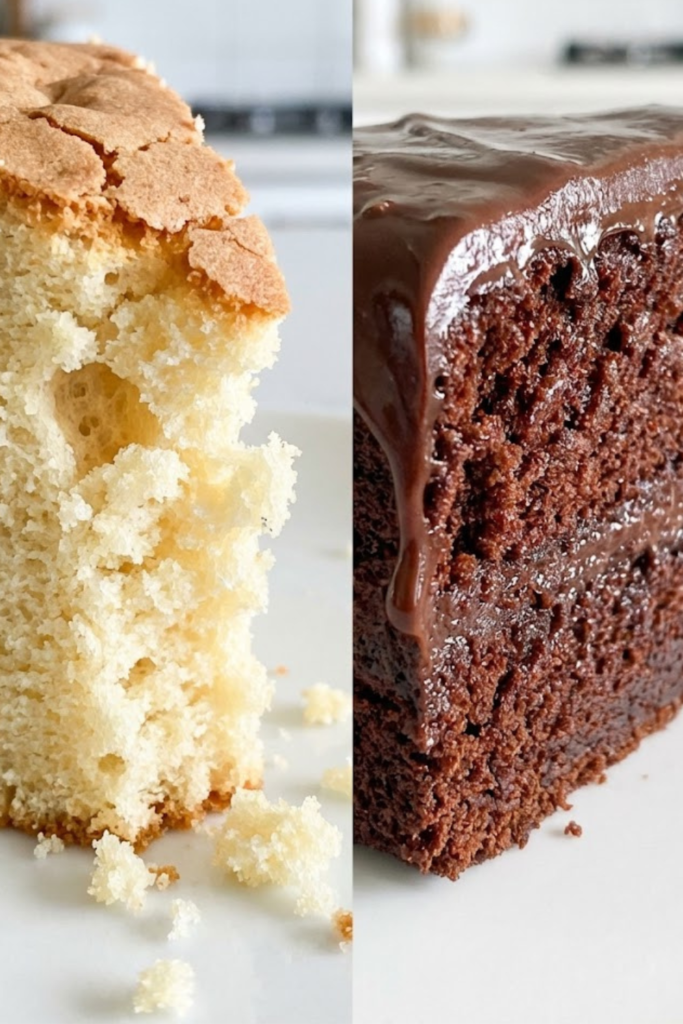
The Key Ingredients for a Moist Vanilla Layer Cake
I used to be the kind of baker who just grabbed whatever was cheapest at the grocery store. Margarine instead of butter? Sure. Imitation vanilla that costs a dollar? Why not. I didn’t think it mattered that much.
Boy, was I wrong. I baked a cake for my sister’s baby shower a few years ago using cheap ingredients, and it tasted like chemicals. It was so embarrassing that I actually pretended I bought it from a grocery store so nobody would blame me! The truth is, when you are making a vanilla cake, there is nowhere for the flavors to hide. You have to use the good stuff if you want that bakery-quality taste.
The Fat Situation
We talked about oil, but let’s talk about the butter. You really need to use unsalted butter for this recipe. I know, salted butter tastes better on toast, but different brands add different amounts of salt. If you use salted butter, you lose control over the flavor. Plus, we are adding salt separately later.
Also, make sure your butter is actually room temperature. I don’t mean “soft-ish” or “partially melted in the microwave because I forgot to take it out.” I mean soft enough that your finger leaves a dent without pushing hard. If it’s too melty, your cake will be greasy.
Vanilla: The Star of the Show
Please, I am begging you, throw away that imitation vanilla extract. It tastes fake because it is fake. For a truly spectacular flavor, I switched to vanilla bean paste.
It is a little pricier, I know. But it gives you those gorgeous little black specks in the batter that scream “fancy,” and the flavor is so much deeper. If you are making a stark white wedding cake and don’t want the color to change, you can use clear vanilla extract, but honestly, the paste tastes way better.
Leavening Agents: Baking Powder vs Soda
Here is a mistake I made for years: I kept a tin of baking powder in my cupboard for like… three years. Did you know this stuff expires? I didn’t!
I made a cake once that didn’t rise at all—it was a dense, sad puck. I thought I messed up the mixing, but it turned out my leavening was dead. Since this recipe uses sour cream (an acid), we need both baking powder and baking soda to get that lift. The soda reacts with the acid, and the powder gives it that extra puff. Check the dates on your cans!
The Temperature Rule
If there is one rule you follow, let it be this one: room temperature eggs and dairy are non-negotiable.
I used to be lazy and crack cold eggs right into creamed butter. The batter would immediately look curdled and gross, kind of like cottage cheese. That’s because cold eggs shock the warm butter and break the emulsion. When the batter breaks, the cake doesn’t rise evenly.
If you forget to take your eggs out (I do this all the time), just put them in a bowl of warm water for 10 minutes. It works like a charm. Same goes for your full fat dairy items like the sour cream and milk; don’t use the low-fat stuff, we need that fat for the tender crumb.

Step-by-Step: The Reverse Creaming Method
I used to think there was only one way to mix a cake. You know the drill: beat the butter and sugar until your arm falls off (or your mixer overheats), then add eggs, then flour. That is how my grandma did it, and that is how I did it for years.
But I always had this annoying problem. My cakes would puff up huge in the middle like a volcano, and then shrink back down when they cooled. They were fluffy, sure, but they had big air holes and dried out fast.
Then I discovered the reverse creaming method, and honestly, I felt like I had been lied to my whole life.
What is Reverse Creaming?
It sounds super technical, but it is actually way easier than the old way. Instead of creaming butter and sugar first, you mix the dry ingredients (flour, sugar, leavening) with the soft butter first.
I know, it feels wrong. The first time I did it, I thought, “I am definitely ruining this expensive vanilla bean paste.” You are basically coating the flour particles with fat before any liquid touches them. This limits the gluten development.
- Traditional Method: Creates a web of gluten. Result? Airy, holey, sometimes tough sponge.
- Reverse Method: Coats the flour. Result? A velvety, dense cake crumb that melts in your mouth and bakes up perfectly flat. No more leveling off huge domes!
The Process (Don’t Freak Out)
Here is exactly how I do it in my stand mixer.
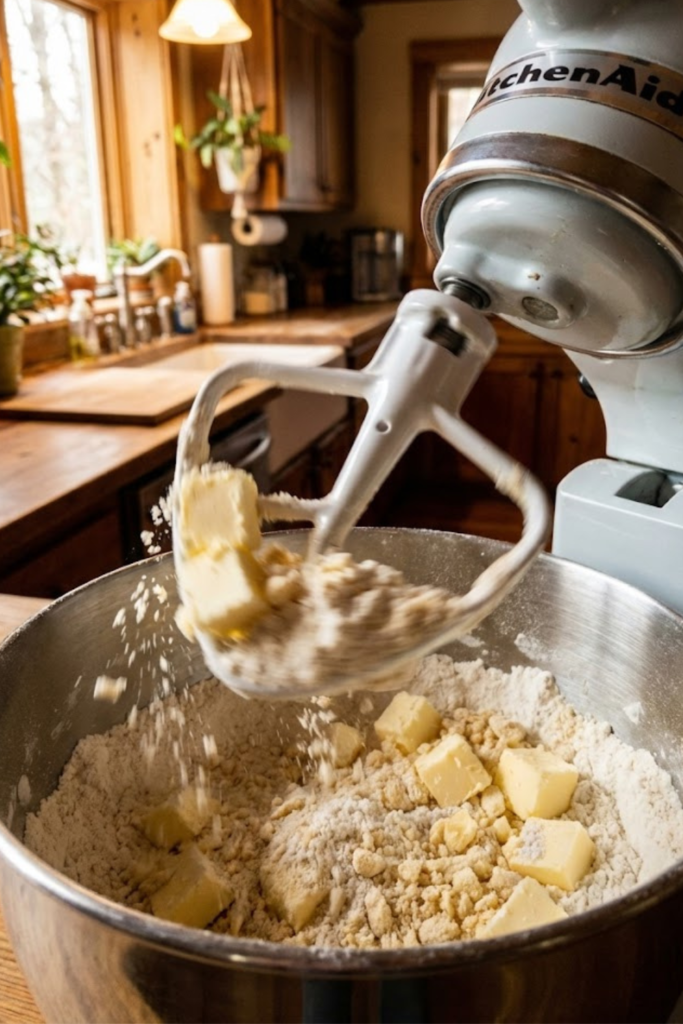
- The Sandy Stage: I put all the dry stuff and the butter in the bowl. I turn the paddle attachment on low. At first, it looks like nothing is happening. Then, after about a minute, it looks like damp sand. That is exactly what you want.
- Add Liquids Slowly: I mix my milk, sour cream, and eggs in a jug. Then I pour just half of it into the sandy flour mix.
- Turn Up the Speed: Now I beat it on medium for about 2 minutes. This is where the magic happens—it builds the cake structure. The batter turns white and fluffy.
- The Final Mix: I add the rest of the liquid and mix just until combined.
The Danger Zone: Overmixing
This is where I used to mess up big time. Once that last bit of liquid goes in, you have to be careful. If you keep the mixer running while you clean up the kitchen, you will ruin the texture. Overmixing batter develops too much gluten, and you will end up with a tough cake again.
I always stop the mixer when there are still a few streaks of liquid left. Then I grab a spatula and finish mixing by hand, making sure to scrape the bottom of the bowl. I can’t tell you how many times I’ve poured batter into 8-inch cake pans only to find a clump of dry flour stuck to the bottom of the mixing bowl!
Baking, Cooling, and Storage Tips
I used to think my oven was my friend. It’s not. It is a machine that lies to my face.
I baked a birthday cake for my husband a few years back, set the dial to 350°F, and walked away. When the timer went off, the outside was black, and the inside was raw liquid. I cried right there in the kitchen. It turns out, my oven was actually heating to 400°F because the calibration was off.
The Gadget You Actually Need
Stop buying fancy piping tips and buy an oven thermometer. It costs like five bucks. You hang it inside, and it tells you the real temperature.
Most home ovens cycle hot and cold. If your oven is too hot, the outside of your moist vanilla layer cake creates a crust before the middle is done. That is how you get those annoying domes that you have to cut off later. Since I started using the thermometer, my layers bake flat and even every time.
The Toothpick Lie
We have all been told to wait until the toothpick comes out clean, right? That is bad advice.
If the toothpick is totally clean, you have cooked all the moisture out. You want to see a few moist crumbs clinging to the stick. This means the cake is fully cooked but still hydrated. Remember, the pans stay hot for a while after you pull them out, so the cake keeps cooking on the cooling rack.
The Freezer Trick
Here is a secret that professional bakers use: freeze your cake layers.
I used to think fresh was best, but warm cake is super fragile. I broke so many layers trying to stack them too soon. Now, I let the layers cool in the 8-inch cake pans for about 20 minutes, then I flip them out onto plastic wrap.
I wrap them up tight while they are still slightly warm and shove them in the freezer. This traps the steam inside the cake. When you thaw them out later to decorate, the moisture redistributes, and the texture is incredible. Plus, decorating a cold cake is way easier than a room-temperature one because the crumbs don’t fly everywhere.
Keeping It Fresh
If you have leftovers (which is rare in my house), don’t put them in the fridge right away. The fridge sucks moisture out of baked goods faster than the countertop does.
A cake covered in buttercream acts like a seal. It can sit on the counter for 2-3 days and still be delicious. If you must refrigerate it because of a perishable filling, make sure you cover any cut edges with extra frosting or plastic wrap. But honestly, this cake is so good, I doubt you will have to worry about storing cake layers for very long!

So there you have it—the roadmap to finally conquering the dreaded dry vanilla cake curse. I really hope you give this method a try, because I know how frustrating it is to put so much love into a recipe only to have it flop. Remember, the magic is in that mix of butter and oil, the tangy sour cream, and treating your flour gently with the reverse creaming method.
Once you take that first bite of this moist vanilla layer cake, you will realize that all the little extra steps, like buying vanilla bean paste or weighing your flour, are totally worth it. It is perfect for birthdays, weddings, or honestly, just a Tuesday night when you need something sweet.
If this recipe saves your next party (like it finally saved mine!), please do me a huge favor. Pin this recipe on Pinterest so you can find it later, and tag me in your photos on Instagram! I seriously love seeing what you guys create. Happy baking!