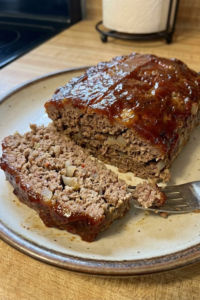
Did you know that nearly 78% of home cooks say their biggest struggle with meatloaf is that it turns out dry and crumbly? I used to be exactly the same, dreading this comfort food classic because mine always tasted like a grey, flavorless brick, but this recipe is a total game-changer! We are going back to basics today to create a moist meatloaf that will finally earn its spot as a family favorite on your weekly rotation. Get ready to ditch the dry dinner for good, because once you try this tangy, juicy version, you’ll never look at ground beef the same way again!
Choosing the Right Meat for Maximum Flavor
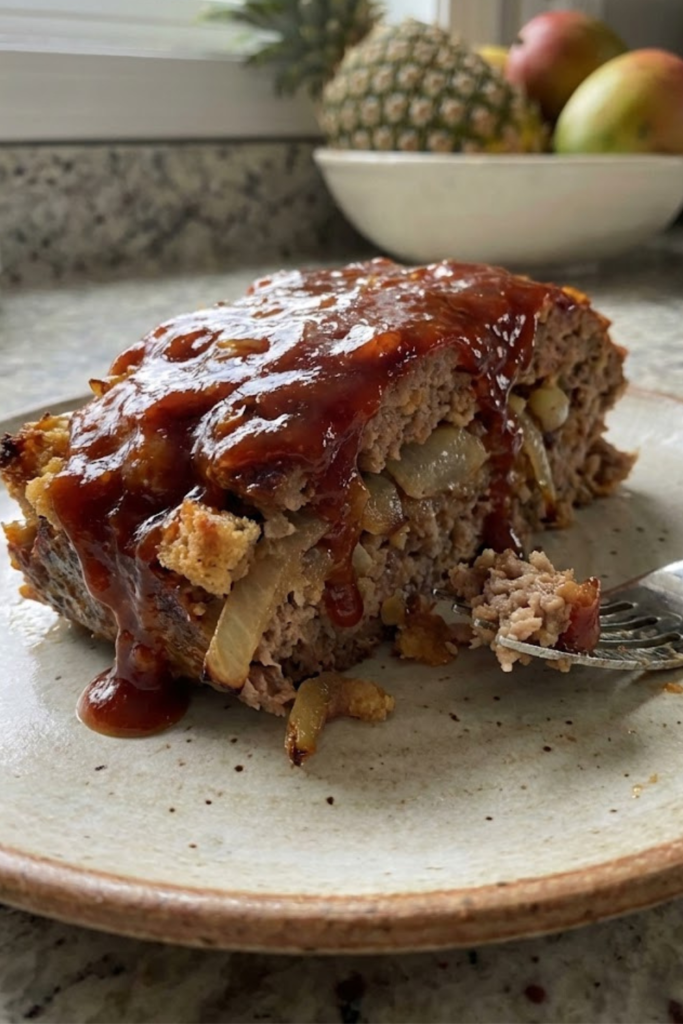
Honest confession time: I used to stand in the grocery aisle staring at the wall of ground beef, totally confused. I’d usually just grab the package with the “90% Lean” sticker because I thought I was being healthy. I figured, hey, less fat is better, right?
Boy, was I wrong.
I remember this one specific Tuesday in 2018 when I made a meatloaf with super lean sirloin. I was so proud of myself until we cut into it. The thing crumbled into a pile of dry, grey sad rocks on the plate. My husband tried to be nice about it, but he drowned that slice in ketchup just to get it down. It was a total dinner disaster.
The Golden Ratio for Juicy Loaves
Here is the hard truth I learned from that mistake: fat equals flavor. If you want a juicy meatloaf, you cannot be afraid of a little fat.
You really need to look for ground chuck that is labeled 80/20. That means it is 80% lean meat and 20% fat.
Why does this specific ratio matter? Well, as the meatloaf bakes in the oven, that fat renders down and bastes the meat from the inside out. It keeps everything moist and tender. If you use lean beef (like that 90/10 stuff I used to buy), there is no fat to melt. The moisture evaporates, and you are left with a dry brick.
I know it’s tempting to grab the lean stuff to save calories. But trust me, it’s not worth ruining the meal over. If you are really worried about the grease, you can always drain the pan a bit after cooking. But you need that fat content during the cooking process to keep it edible.
Mixing Meats for Better Texture
Now, if you want to get a little fancy—or if you just want to impress your mother-in-law—try mixing your meats.
I recently started swapping out half of the beef for a ground pork blend. Pork usually has a higher fat content and a sweeter flavor that pairs perfectly with the beef. It makes the texture softer, almost like a giant meatball.
If you don’t eat pork, that’s totally fine! Stick to the 80/20 beef. But whatever you do, please don’t use ground turkey unless you are following a specific recipe for it. Turkey is so lean that it requires a whole different set of rules to keep it moist.
The Secret to Moisture: Milk and Breadcrumbs
I have to admit something embarrassing. For years, I treated breadcrumbs like they were just cheap filler. I thought their only job was to bulk up the meat so I could feed more people with less beef.
Because of that mindset, I used to just dump dry crumbs straight from the canister into the bowl. And you know what happened? Every single time, we ended up with a dinner that required a gallon of water to swallow.
It wasn’t until I watched a cooking show late one night that I realized I was doing it all wrong. The chef talked about something called a panade technique. It sounded fancy, but it’s actually just a mixture of starch and liquid.
Why Dry Crumbs Are the Enemy
Think about a dry sponge sitting on your kitchen counter. If you spill water near it, what happens? The sponge sucks it all up, right?
Dry breadcrumbs do the exact same thing inside your meatloaf.
As the meat cooks and releases those delicious juices, the dry crumbs soak them up and hold onto them tight. But since the crumbs were dry to start with, they steal the moisture from the meat. This leaves you with a crumbly, dry texture that falls apart on the fork.
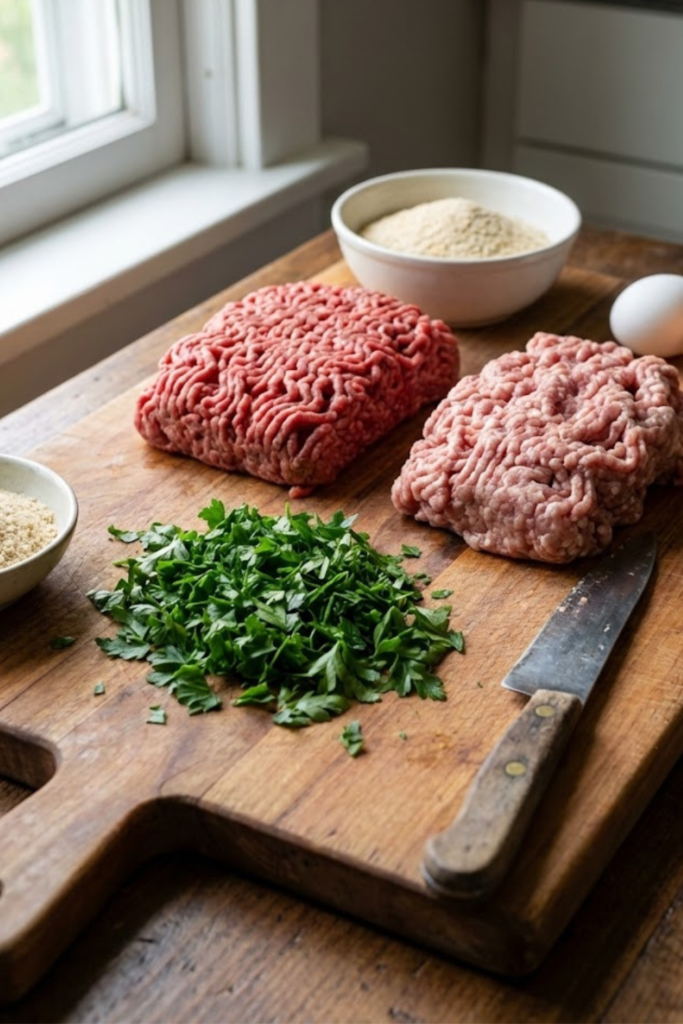
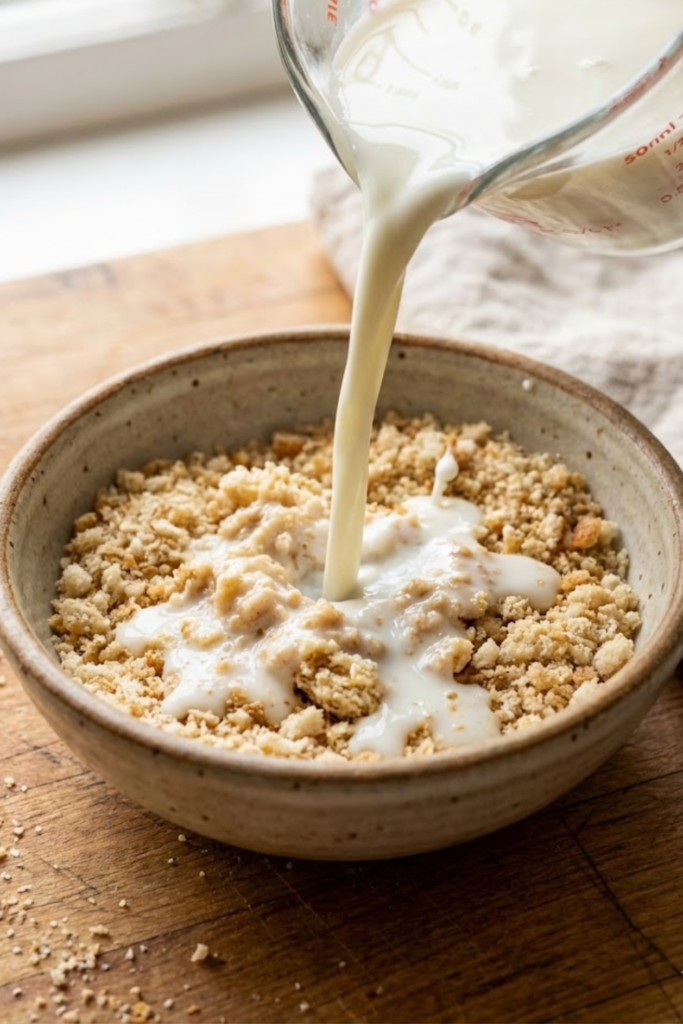
To fix this, you have to soak your breadcrumbs in milk before you add them to the meat mixture.
It’s a simple step, really. Just put your breadcrumbs in a small bowl and pour the milk over them. Let it sit for about 5 or 10 minutes. It will turn into a weird, mushy paste.
I know, it looks absolutely gross. The texture is slimy and unappealing. But trust me, this mush is the key to a moist meatloaf.
Substitutions That Actually Work
Now, I know not everyone can do the traditional milk and bread combo. I’ve had to improvise plenty of times when I realized I forgot to go to the store.
If you are out of milk, you can use beef broth, water, or even a little bit of yogurt. I tried yogurt once by accident—grabbed the wrong container from the fridge in a rush—and it added a nice tanginess!
For the starch, you don’t have to stick to store-bought crumbs. I’ve used:
- Crushed saltine crackers (my personal favorite for the salty kick).
- Quick oats (adds a hearty texture).
- Stale bread slices torn into tiny pieces.
And if you need gluten-free meatloaf options, you can easily swap in crushed gluten-free crackers or gluten-free oats.
The most important thing is that you let them soak. That soaked breadcrumbs mixture keeps the moisture locked inside the meat structure, so it doesn’t evaporate in the hot oven. It acts like a little hydration reservoir.
Since I started doing this, my kids actually finish their dinner without complaining. It’s a small extra step, but it makes a world of difference between a brick and a meal.
Seasonings and Veggies: Boosting the Taste Profile
I have a confession to make about my early cooking days. For years, I was lazy with my veggies. I used to chop up raw onions and garlic and just throw them straight into the meat bowl. I figured they would cook inside the loaf, right?
The result was… not great. We would be eating a soft piece of meat and suddenly—CRUNCH. It was like biting into a little pebble. My kids would spend half of dinner time surgically removing tiny pieces of onion from their plates. It drove me crazy, but I couldn’t blame them. Who wants crunchy, raw onions in a comfort meal?
The Step You Can’t Skip
Here is the trick I learned that changed everything: you have to cook your aromatics first.
I know, I know. It’s an extra pan to wash. I hate doing dishes as much as anyone (my sink is full right now), but this step is non-negotiable.
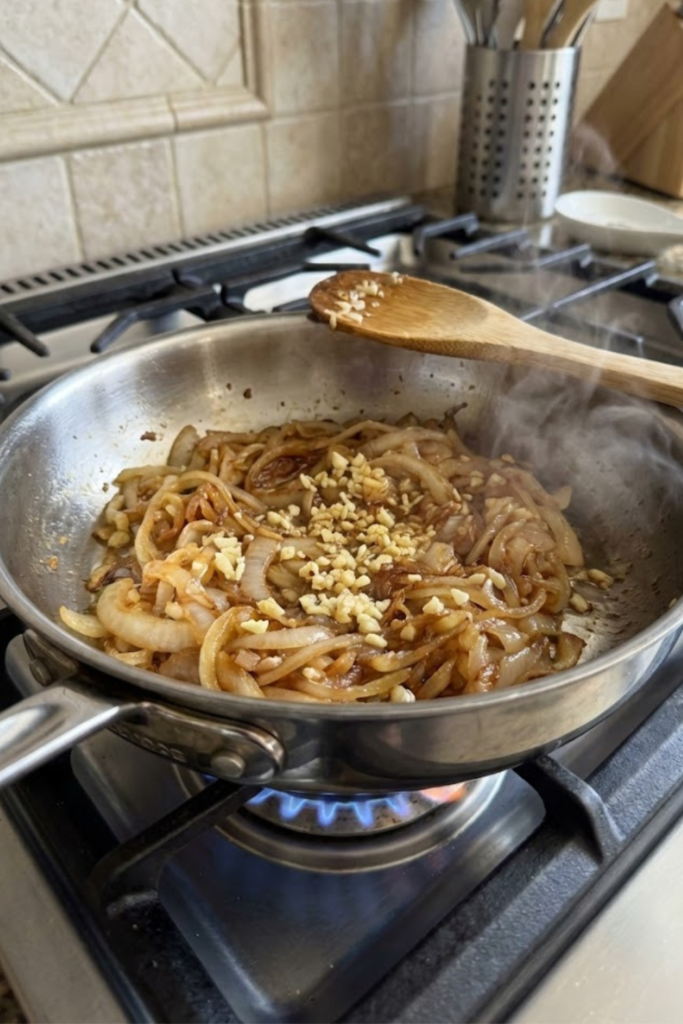
Take five minutes to cook your chopped onions in a little butter or oil until they are soft and translucent. This takes the bite out of them and adds a sweetness that blends perfectly with the beef.
And don’t forget the fresh garlic. But here is a mistake I’ve made plenty of times: don’t throw the garlic in too early. I used to put it in with the onions right at the start, and it would burn and taste bitter. Now, I only add it for the last 30 seconds of cooking the onions. Just until you can smell it.
Adding That “Something Special”
Once your sautéed onions and garlic are cooled down (don’t add them hot or they will cook the eggs!), it’s time to season the meat itself.
Plain ground beef is boring. It just is. You need to punch it up.
My secret weapon is Worcestershire sauce. I can never pronounce it right, but I put it in everything. It adds a deep, salty richness that chefs call umami flavor. It makes the beef taste… beefier. If you don’t have it, soy sauce works pretty well too, though it’s a little saltier.
For herbs, I stick to the classics. You don’t need a fancy seasoning mix from the store. I usually grab:
- Dried thyme (it goes so well with beef).
- Dried oregano.
- Fresh parsley if I have it (mostly for color, let’s be honest).
I remember one time I tried to get creative and used mint because I saw it on a lamb recipe. Disaster. Absolute disaster. The meatloaf tasted like toothpaste. Stick to the savory herbs, my friend.
When you mix all this in, use your hands. It’s messy, but it’s the only way to get the seasonings distributed evenly without overworking the meat. Just don’t squeeze it to death! Treat it like you’re handling a delicate flower, not a stress ball.
The Tangy Glaze: Better Than Just Ketchup
I used to think the glaze was just an afterthought. For the longest time, I would just squirt a zig-zag of plain ketchup on top of the loaf right before shoving it in the oven. I thought I was being artistic.
But here is the thing: plain ketchup gets weird in the oven. It dries out, turns a dark, unappealing red, and forms this gummy skin that peels off when you slice it. Plus, it just tastes like hot ketchup. We can do better than that.
To get that restaurant-quality finish, you need a proper meatloaf glaze recipe. It’s the difference between a sad weeknight dinner and a meal your family actually asks for.
The Holy Trinity of Glaze Ingredients
You don’t need 20 ingredients to make a sauce. In fact, the best sauce I ever made happened when I was cleaning out my pantry. I mix just three things:
- Ketchup: This is your base.
- Brown Sugar: This is crucial. It helps the sauce caramelize and get sticky.
- Apple Cider Vinegar: This cuts through the sweetness and the fat of the meat.
I remember the first time I added the vinegar. I was terrified it would make the whole thing taste like a salad dressing. But it doesn’t! It cooks down into this tangy, sticky sauce that balances everything out.
If you skip the vinegar, you just have sweet ketchup. If you skip the sugar, it’s too tart. You need that balance. And please, don’t use white sugar. You really want that brown sugar topping flavor because of the molasses in it. It creates that beautiful shine.
Timing Is Everything
Here is where I messed up for years. I used to put the sauce on raw meat.
If you put the glaze on at the very beginning, the sugar is going to burn before the meat is cooked through. You’ll end up with a black, charred crust on top of raw beef.
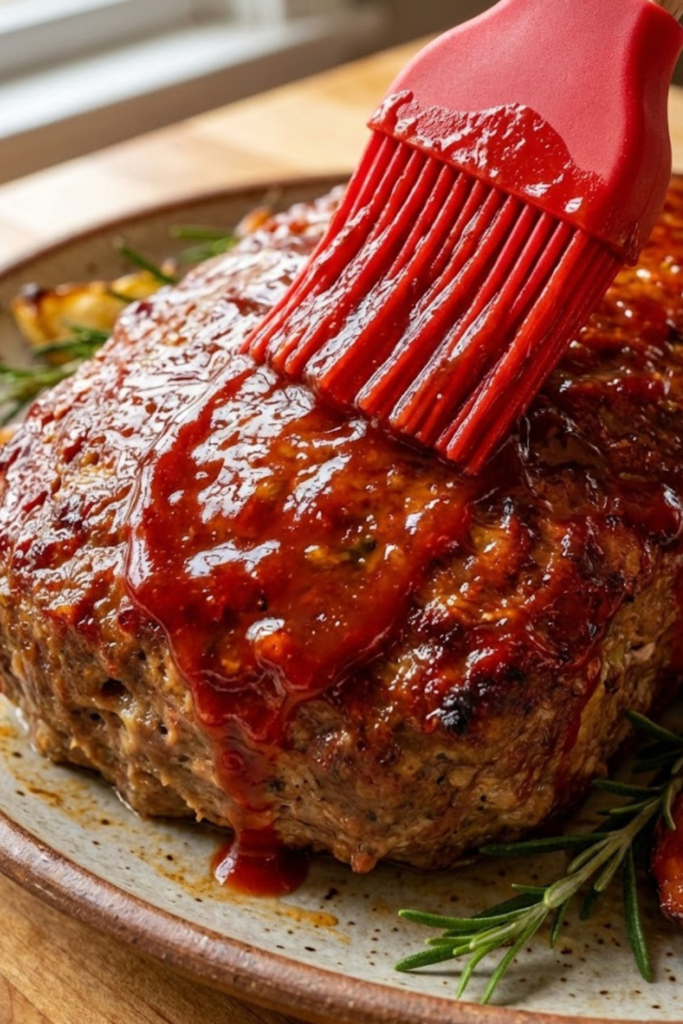
The trick is to bake the meatloaf naked—yes, I said naked—for the first 45 minutes or so. Then, pull it out, brush that delicious sauce all over it, and put it back in for the last 15 minutes. This lets the glaze thicken up without burning.
I actually like to double the sauce recipe. I put half on during baking, and I serve the other half at the table for dipping. My youngest son basically uses the meatloaf as a spoon for the sauce, but hey, at least he’s eating protein!
Baking Times and Temperatures for Perfection
I used to play a dangerous game in my kitchen that I called “Meatloaf Roulette.” I would pull the pan out of the oven, poke it with a fork, and just guess if it was done.
One time, I was so sure it was ready. I put it on the table, sliced right down the middle, and… it was completely pink and raw inside. I had to shamefully carry the whole thing back to the oven while my family waited at the table with empty plates. Talk about a mood killer.
On the flip side, I’ve also left it in way too long because I was paranoid, and we ended up eating something that had the texture of a shoe heel.
The Magic Number
Stop guessing. Seriously. Just stop.
The single best thing I ever bought for my kitchen wasn’t a fancy mixer; it was a cheap digital meat thermometer. It cost me like ten bucks, and it saved my sanity.
You want to bake your meatloaf at 375°F (190°C).
I’ve found that 350°F is just a little too low—it takes forever, and the meat steams instead of browns. But 400°F is too hot and burns the bottom before the middle is cooked. 375°F is the sweet spot.
As for cooking time, it really depends on the size:
- 2lb loaf: Usually takes about 55 to 65 minutes.
- 1lb loaf: Check it around the 45-minute mark.
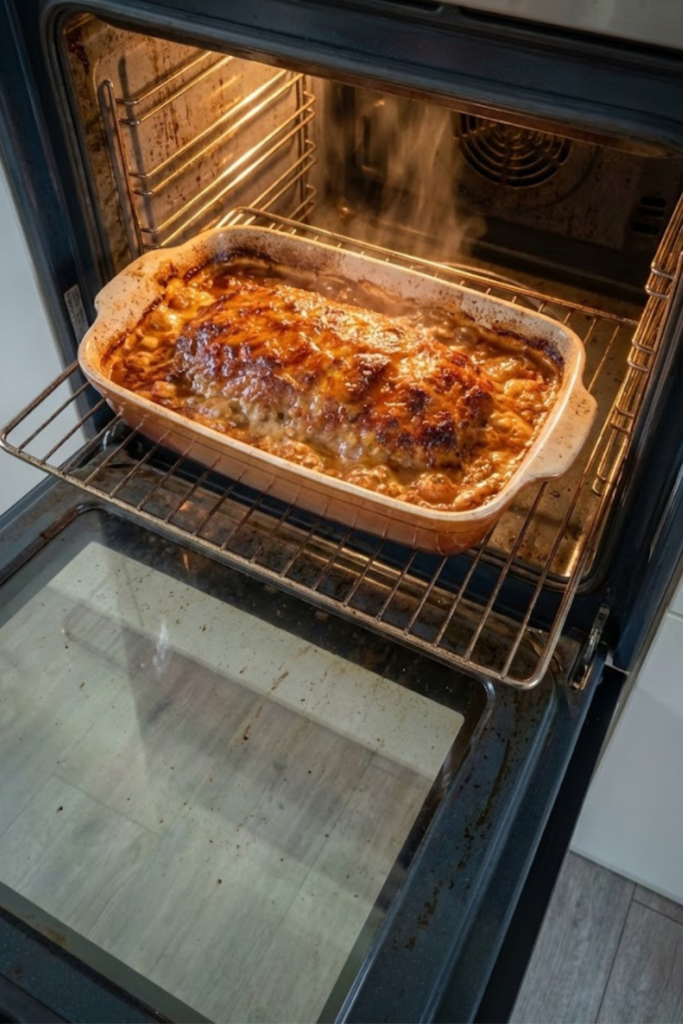
But time is just a guideline. Your oven might run hot, or your pan might be different than mine. The only way to know for sure is to check the internal temperature. You are looking for 160°F. Once it hits that number, pull it out immediately.
The Hardest Part: Waiting
Okay, this next part is actually torture. When you take that meatloaf out of the oven, it smells amazing. You are hungry. You want to eat it right now.
Do not touch it.
If you cut into it the second it comes out of the oven, all those delicious juices are going to run out onto the cutting board. You will watch all your hard work puddle up on the counter, leaving the meat dry.
You have to let the resting meat sit for at least 10 to 15 minutes. I usually tent it loosely with foil to keep it warm.
During this time, the juices redistribute and settle back into the meat fibers. It also makes it much easier to slice. If you cut it too hot, it crumbles. If you let it rest, you get those perfect, clean slices that look like they came from a diner.
Use that time to mash your potatoes or yell at your kids to wash their hands. Just let the meatloaf be.
We’ve finally cracked the code on this one, haven’t we? After years of serving dry bricks, I’m so relieved to have a best meatloaf recipe that actually brings everyone to the table with a smile. We covered the importance of that messy panade technique, why fat equals flavor in your beef, and how that sticky glaze is the perfect finishing touch to your family meal prep. It really is one of those easy dinner ideas that transforms a weeknight meal into something special, so please save this to your “Comfort Food” board on Pinterest so you never lose it—and don’t forget to tag me so I can see your juicy masterpiece!