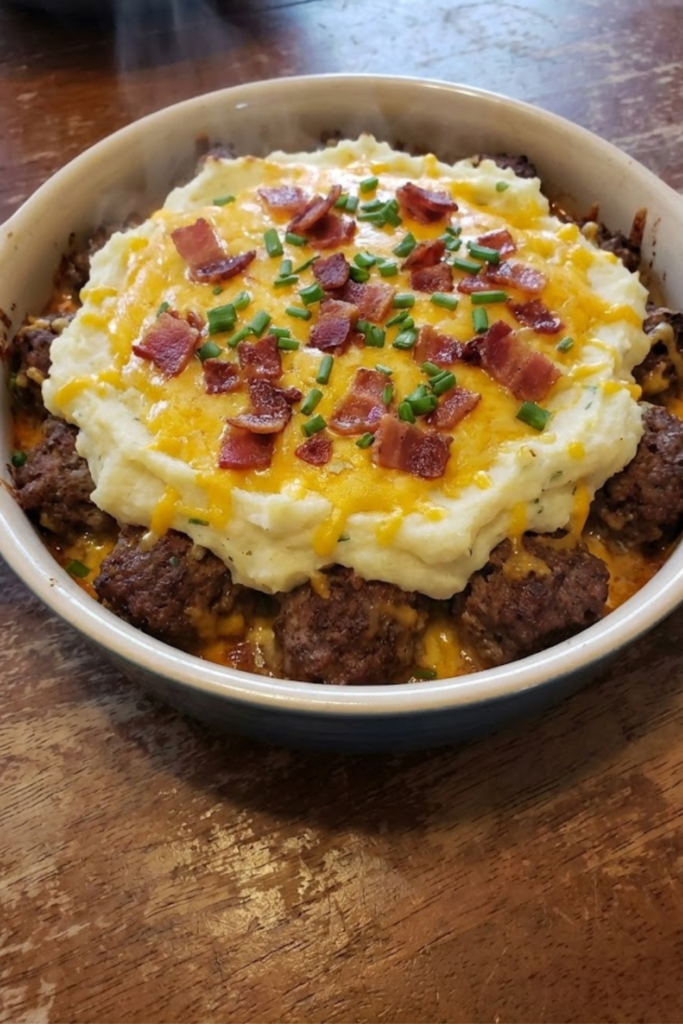
Is there anything more comforting than the smell of savory meat and potatoes baking in the oven? I didn’t think so! When I first combined these two classics into one dish, my family went absolutely wild. This loaded potato and meatloaf casserole isn’t just a meal; it’s a warm hug on a plate that brings everyone to the table. Did you know that comfort food searches have spiked by 40% this year? It turns out, we all just want something hearty and delicious! Let’s dive into why this specific mash-up is going to be your new weeknight obsession.
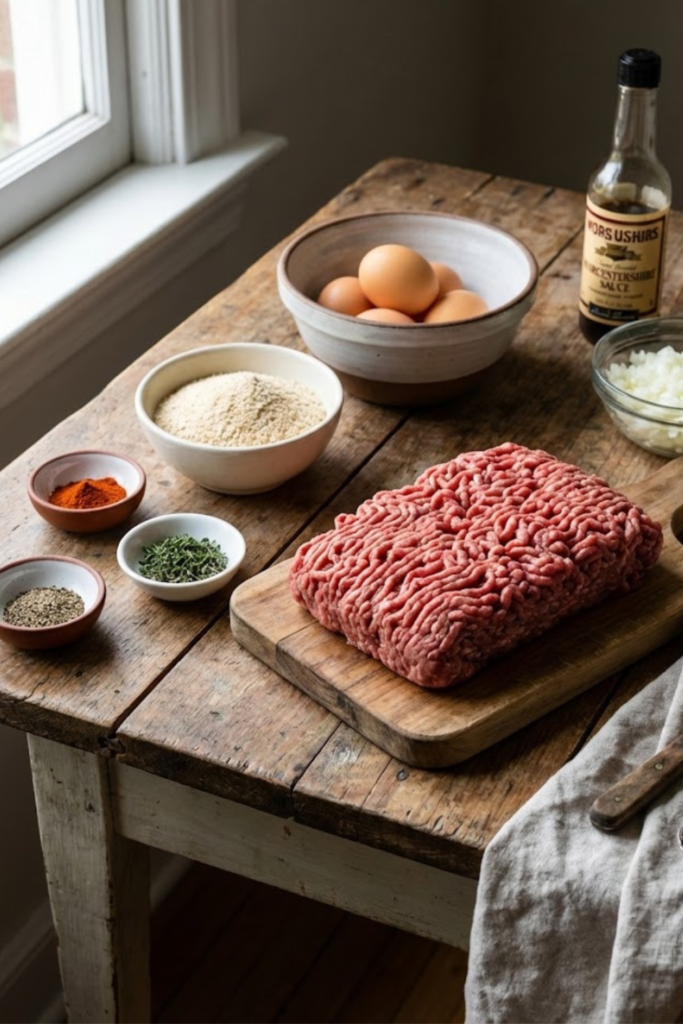
Essential Ingredients for the Perfect Meatloaf Base
You know, there’s nothing worse than biting into a meatloaf that tastes like a dry hockey puck. I’ve been there, and trust me, it is a total dinner ruiner! When I first started messing around with this loaded potato and meatloaf casserole, I honestly thought any old package of ground beef would do the trick. Boy, was I wrong. I ended up with a grease slick that practically drowned the poor potatoes on top. It was gross, and my kids definitely let me know it. So, let’s chat about getting that base right so you don’t make the same mess I did.
Picking the Right Beef
Okay, here is the deal with the meat. You gotta go with an 80/20 lean-to-fat ratio. I used to buy the super lean stuff thinking I was being healthy, but it just dries out way too fast in the oven. The 80/20 blend keeps the meatloaf juicy without turning your casserole dish into a swimming pool. It’s the sweet spot for flavor. If you go leaner, you might end up with dry crumbles, which is honestly a bummer when you want that rich comfort food vibe. I usually grab about two pounds for our family of four, which leaves us with some solid leftovers for lunch the next day.
The Binders Are Your Best Friends
I learned this the hard way: you can’t just throw meat in a pan and expect it to hold together under a pile of mashed potatoes. You need binders! I always use a mix of plain breadcrumbs, eggs, and a splash of milk. It sounds weird to put milk in meat, right? But it soaks into the breadcrumbs and keeps everything tender.
One time I ran out of breadcrumbs and tried crushed saltine crackers… it was actually pretty tasty! But stick to breadcrumbs if you want that classic texture. The goal is to make sure the meatloaf holds its shape. If it’s too loose, serving it becomes a nightmare.
Seasoning Secrets
Let’s be real, plain ground beef is boring. You have to wake it up! I swear by a combo of garlic powder, onion powder, and a heavy hand of Worcestershire sauce. That sauce adds this savory kick that you just can’t get from salt and pepper alone. I usually toss in some fresh parsley if I’m feeling fancy, but dry herbs work fine too. Taste your seasoning blend before you add the raw eggs (obviously don’t eat the raw meat). It should smell strong. If it doesn’t smell like much, add more spice.
Veggies for Moisture
Finally, don’t skip the onions and bell peppers. I dice them super small—like, practically minced—so my youngest doesn’t pick them out. They add moisture as they cook, which is a total game-changer for a meatloaf recipe with potatoes. Just make sure you don’t chop them too big, or the loaf might fall apart when you cut into it. A little crunch is nice, but raw chunks of onion? No thanks.
Creating Creamy Mashed Potatoes for the Topping
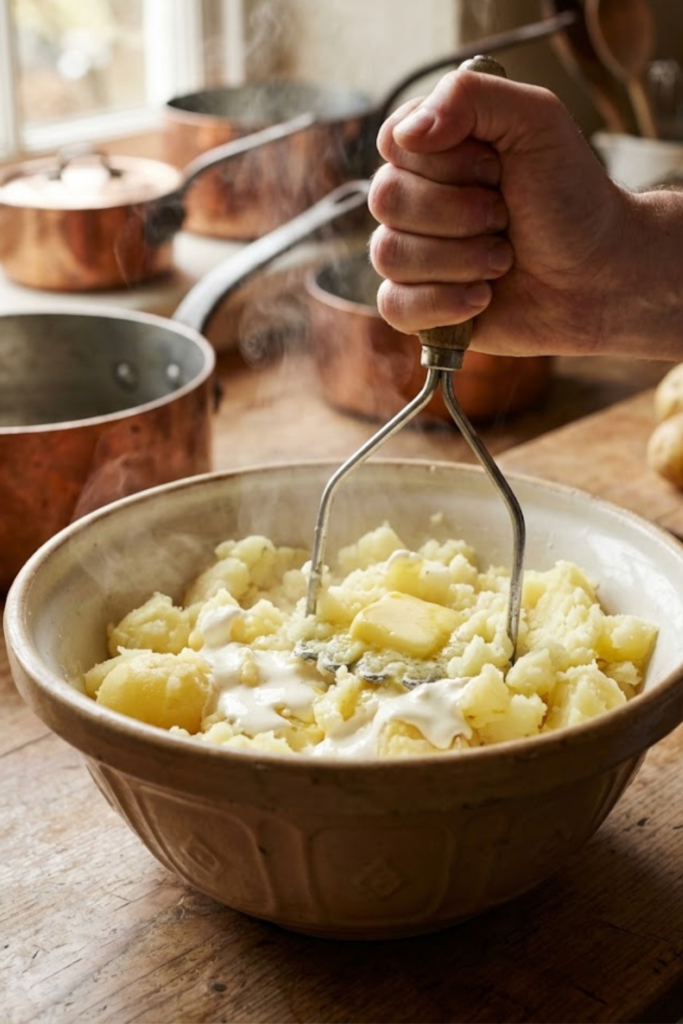
Okay, let’s talk about the crown jewel of this dish: the potatoes. If the meatloaf is the foundation, the mash is the roof that keeps everyone happy. I used to think that mashed potatoes were the easiest thing in the world to make. You boil ‘em, you smash ‘em, right? Wrong. I remember one Thanksgiving where I tried to get fancy and ended up with a bowl of what looked (and tasted) like wallpaper paste. It was embarrassing! For this loaded potato and meatloaf casserole, the topping needs to be fluffy enough to spread but sturdy enough to hold up all that cheese and bacon we’re gonna pile on later.
Picking Your Spuds
First things first, you have to pick the right potato. I’ve gone through a lot of trial and error here. I used to grab whatever bag was on sale, usually those waxy red ones. Big mistake. They just don’t get fluffy. For the best mashed potato toppings, you really want to stick with Russets or Yukon Golds.
Personally, I’m a Russet girl. They have all that starch that makes the mash super light and airy. Yukon Golds are great if you want something naturally buttery, but for this casserole, Russets absorb the cream better. Just trust me on this one. If you use a waxy potato, you’re gonna have a sad, gloopy layer on top of your beautiful meatloaf.
The Mashing Method Matters
Here is a lesson I learned the hard way: do not, under any circumstances, put your potatoes in a food processor. I did that once because I was feeling lazy and didn’t want to work out my arms. The blade spins so fast it breaks down the starch too much, and you end up with glue. It was inedible.
Now, I swear by my potato ricer. It makes the texture perfectly smooth without overworking the spuds. If you don’t have one, a good old-fashioned hand masher works fine too, just don’t go crazy. Leave a few lumps if you have to; it proves it’s homemade! You want a texture that is creamy but still has a little bit of body to it.
Bringing the Creaminess
This isn’t the time to worry about calories, alright? We are making comfort food! When I make the mash for this ground beef casserole, I go heavy on the dairy. I usually warm up my butter and milk before adding them. Adding cold milk to hot potatoes cools them down too fast and makes them gummy.
I like to use a mix of heavy cream and sour cream. The heavy cream makes it rich, and the sour cream adds a little tang that cuts through the heaviness of the meat. I usually throw in about half a cup of sour cream. It makes the potatoes spread like frosting. Seriously, don’t skimp here. Dry potatoes on top of meatloaf is a texture nightmare we are trying to avoid.
Seasoning Is Key
Finally, please salt your water! I feel like I’m channeling my grandmother here, but it’s true. If you don’t salt the water the potatoes boil in, you can never add enough salt later to make them taste right. They’ll just taste bland.
Also, have you ever tried white pepper? I started using it a few years ago because I didn’t like the black specks in my white mash (I know, picky!). But it actually has a slightly different, earthier heat that goes so well with the savory dinner ideas we are aiming for. Just a pinch goes a long way. Taste as you go, and remember that the cheese on top will add salt too, so don’t go overboard.
Assembling and Baking Your Casserole Dish
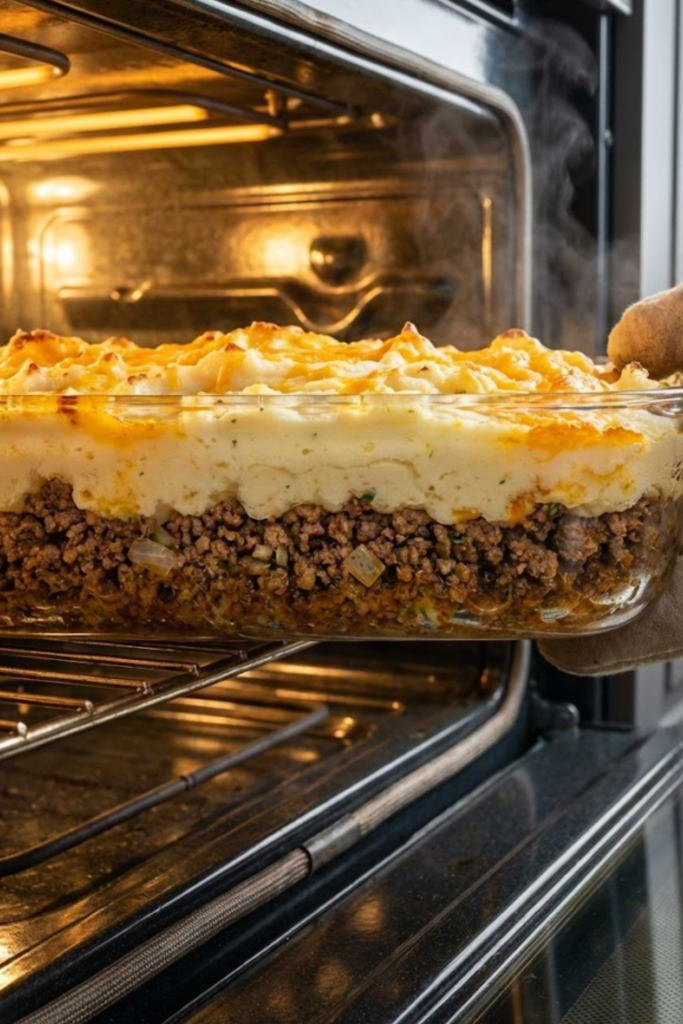
Alright, we have our meat base mixed and our potatoes mashed. Now comes the fun part: putting it all together! You might think you can just slap everything into a pan and call it a day, but I learned pretty quickly that a little strategy goes a long way here. The first time I made this, I just dumped the potatoes right in the middle and tried to push them out. It was a disaster. The meat moved around, the potatoes got mixed in with the raw beef, and it was just a hot mess.
Layering Logic
Grab your favorite 9×13 glass baking dish. I prefer glass because you can actually see the layers cooking, which is oddly satisfying. You need to press the meat mixture into the bottom of the dish, but don’t pack it down too hard. If you smash it in there like you’re packing a suitcase, the meat gets tough. Just gently pat it down until it’s an even layer. This is super important so it cooks evenly. Nobody wants a slice where one side is burnt and the other is still pink!
The Frosting Technique
Here is the trick for the potatoes that changed my life. Don’t dump the whole bowl of mash on top of the raw meat at once. Instead, take spoonfuls of the creamy mashed potatoes and drop them all over the meat layer. Think of it like you are applying dollops of icing on a sheet cake.
Once you have little potato islands everywhere, use the back of a spoon to gently connect them. This keeps the layers distinct so you get that beautiful cross-section when you cut it. I like to use a fork to make little swirls and peaks on top, too. Those little ridges get crispy in the oven, and let me tell you, those crispy bits are the best part of this oven baked dinner.
Oven Temps and Timing
Set your oven to 375°F (190°C). I used to bake this at 350°F, but I found that the potatoes didn’t get enough color by the time the meat was done. bumping it up to 375°F seems to be the sweet spot. You want to bake it uncovered for about 40 to 45 minutes.
I know some recipes say to cover it with foil, but I find that steams the potatoes too much. We want browning! If you notice the potatoes getting too dark before the meat is done, you can loosely tent a piece of foil over the top for the last ten minutes. But usually, 45 minutes is perfect for that golden crust.
Checking for Doneness
Please, I am begging you, use a meat thermometer. I used to guess by just looking at it, and that is how I ended up serving undercooked beef to my in-laws once. Mortifying. You need to make sure the internal temperature beef reaches 160°F.
Stick the thermometer right into the center of the casserole. If it hits 160°F, pull it out immediately. Remember that the dish will keep cooking for a few minutes after you take it out of the oven. It needs to rest for about 10 to 15 minutes before you slice it. If you cut into it right away, the juices run out and the layers slide apart. Let it set, and it will slice like a dream.
The “Loaded” Toppings: Cheese, Bacon, and More
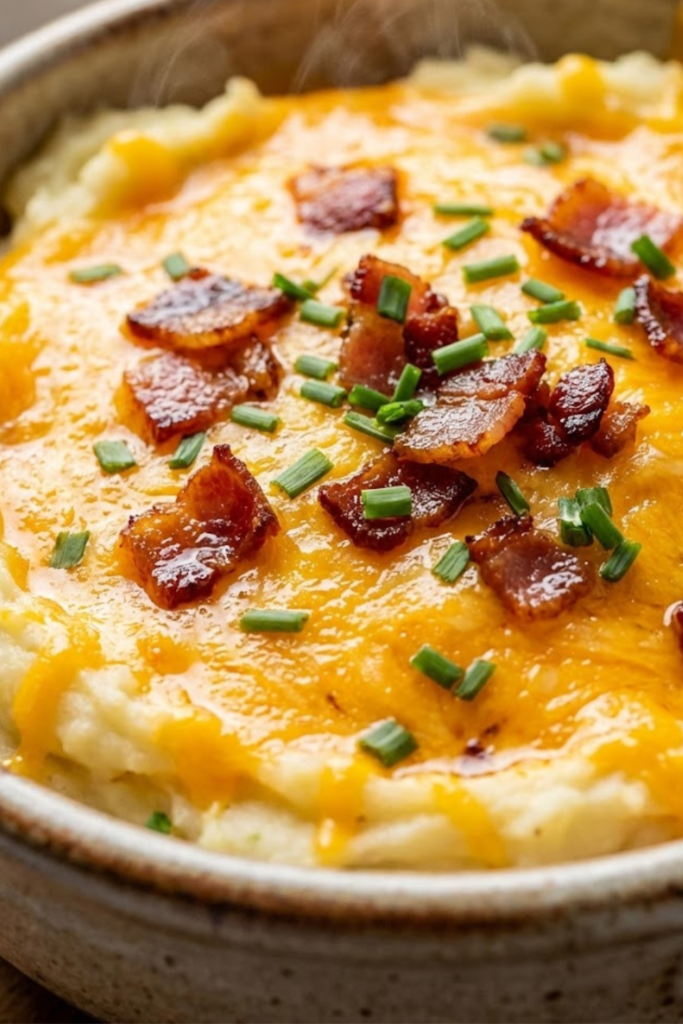
Now we are getting to the good stuff. If the meat and potatoes are the body of this dish, the toppings are the soul. I mean, can you really call it a loaded baked potato experience without a mountain of cheese and bacon? I don’t think so! I remember the first time I made this, I ran out of cheese halfway through. I tried to stretch it out, and the result was just sad. It looked patchy and bald. My husband was polite about it, but I knew deep down I had failed the assignment. We aren’t making health food here; we are making savory dinner ideas come to life. So, pile it on!
Choosing the Right Cheese
Listen, do not grab that bag of pre-shredded cheese from the store. I know, I know, it saves time. But hear me out. That stuff is coated in potato starch or cellulose to keep it from clumping in the bag. That powder stops the cheese from melting properly. You end up with these weird, distinct strands instead of a gooey, molten blanket of love.
For this recipe, you want to buy a block of sharp cheddar cheese or Colby Jack and grate it yourself. It takes like two minutes, tops. I usually go with a mix. The sharp cheddar gives it that punchy flavor that cuts through the rich potatoes, while the Colby Jack melts like a dream. When you pull this out of the oven, you want that cheese bubbling and slightly browned at the edges. It makes all the difference.
The Bacon Situation
Here is where I made a huge mistake a few years ago. I thought, “Hey, the oven is hot, I’ll just throw raw bacon on top and let it cook with the casserole.” Big, big mistake. The bacon didn’t crisp up; it just steamed on top of the cheese. It was flabby and greasy. Nobody wants flabby bacon.
You have to cook your crispy bacon bits beforehand. I usually fry up about six to eight slices while the potatoes are boiling. Get them nice and crunchy, let them cool on a paper towel, and then crumble them. You sprinkle these on after the cheese has melted, usually in the last 5 minutes of baking, or even right after you pull it out. This way, every bite has that perfect crunch.
Adding a Pop of Freshness
After all that heavy meat, cheese, and potato, you need something fresh to wake up your palate. This is where the fresh chives garnish comes in. I used to skip this step because I thought it was just for looks. I was wrong. The oniony bite of fresh chives or green onions really balances out the richness.
Make sure you chop them finely. And whatever you do, do not bake the chives! They turn into dried-up green strings. Sprinkle them on fresh right before you serve the dish. It makes the whole thing look like it came out of a restaurant kitchen, and the color contrast is just beautiful.
Optional Drizzles
If you really want to go over the top—and why wouldn’t you?—you can add a drizzle of something creamy right at the table. My kids love a little swirl of ranch dressing. It sounds crazy on meatloaf, but it totally works with the potato vibe.
Personally, I like a dollop of extra sour cream on my slice. It cools down the hot casserole and adds that extra tang. I have a friend who even puts hot sauce on hers. That’s the beauty of this dish; once you have the base down, you can customize the “loaded” part however you want. Just don’t skimp on the toppings, okay? That is the whole point!
Storage, Reheating, and Freezing Tips
Let’s be honest, leftovers are sometimes the best part of a ground beef casserole. There is nothing quite like knowing lunch is already sorted for the next day. But I have definitely ruined perfectly good leftovers by storing them wrong. I used to just throw some foil over the baking dish and shove it in the fridge. By the next day, the potatoes had formed this weird, hard crust, and the meat tasted like… well, like the fridge. Not appetizing.
Storing It Right
To keep this comfort food tasting fresh, you need to get it out of the baking dish. I always transfer individual portions into airtight containers. This keeps the air out, which is the enemy of creamy potatoes.
If you leave it in the main dish, the air circulates and dries everything out. Properly stored, this casserole stays good in the fridge for about 3 to 4 days. After that, the potatoes start to separate and get a little watery, so try to eat it up before then!
Reheating Without the Dryness
Reheating is where things usually go wrong. If you just blast a slice in the microwave on high, the meat gets rubbery and the cheese turns into oil. It’s a tragedy.
For the microwave, I have a little trick: sprinkle a tiny bit of water or milk over the potatoes before heating. Then, cover the container loosely with a paper towel. This creates steam and brings the creaminess back to the mash. If you have the time, reheating it in the oven is superior. Put the slice in a small dish, cover it tightly with foil to trap moisture, and warm it at 350°F for about 15 minutes. It tastes just like it did the night you baked it.
Freezer Friendly Meal Prep
I am obsessed with freezer friendly meals. There are weeks when I just cannot bring myself to cook, and finding one of these in the freezer feels like winning the lottery. You can actually freeze this casserole before or after baking.
Personally, I prefer freezing it before baking. Assemble the meat and potatoes, but hold off on the cheese and bacon. Wrap the dish in plastic wrap, then a layer of foil. It keeps for up to three months. When you are ready to eat, let it thaw in the fridge overnight. Then bake it as usual, adding the cheese and bacon at the end. It tastes fresher this way than freezing a fully cooked casserole.
Thawing Instructions
If you do freeze it cooked, don’t try to reheat it from frozen. It will burn on the outside and stay an ice block in the middle. I learned that the hard way when I was impatient one night. Always let it thaw in the fridge for at least 24 hours.
Once it’s thawed, you can follow the reheating instructions above. It’s a lifesaver for weeknight meal prep when you know you have a busy week ahead.

So there you have it! This loaded potato and meatloaf casserole is honestly a staple in my house for a reason. It combines the heartiness of a classic meatloaf with the indulgence of loaded baked potatoes, making it the ultimate comfort food powerhouse. It’s cheap, it feeds a crowd, and it makes your kitchen smell amazing.
I really hope you give this recipe a try this week. It might just become your new favorite way to eat meat and potatoes. If you enjoyed this recipe, please share it! Pin this to your favorite Dinner Recipes board on Pinterest so you never lose this gem, and so your friends can drool over it too!