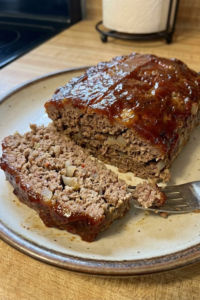
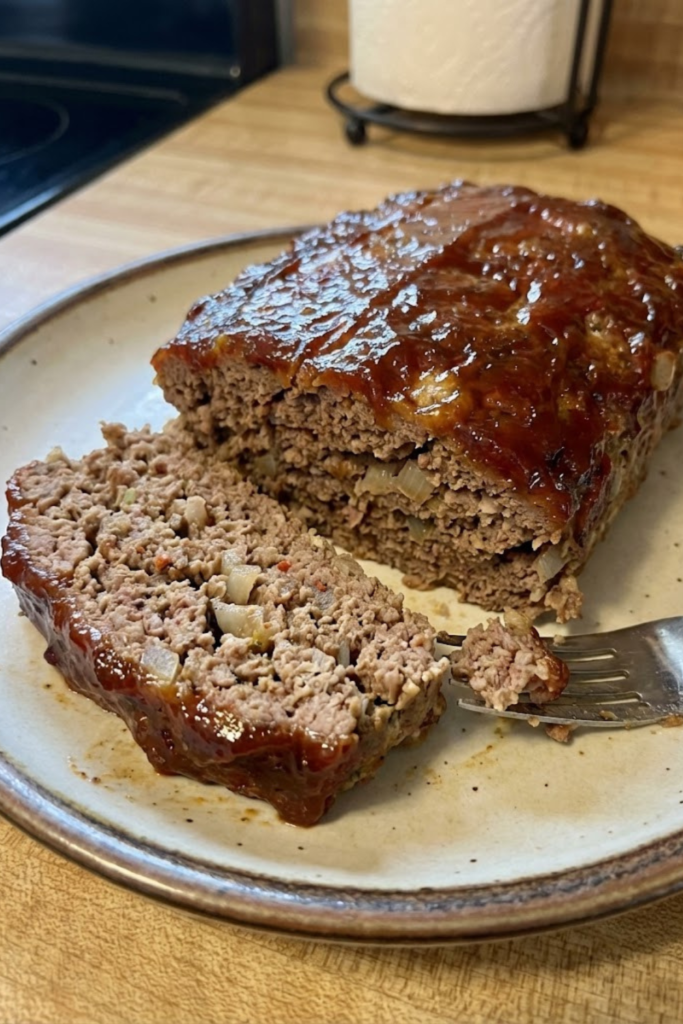
I used to think meatloaf was boring. Boy, was I wrong! One bite of this sticky, sweet, and savory masterpiece changed my mind forever. Did you know that meatloaf is consistently ranked in the top 5 American comfort foods? It’s true! Today, we are diving deep into the world of ketchup brown sugar glazed meatloaf. This isn’t your grandma’s dry meatloaf; this is a moisture-packed explosion of flavor that will have your family asking for seconds. We’ll cover everything from the perfect meat blend to that shiny, irresistible glaze. Let’s get cooking!
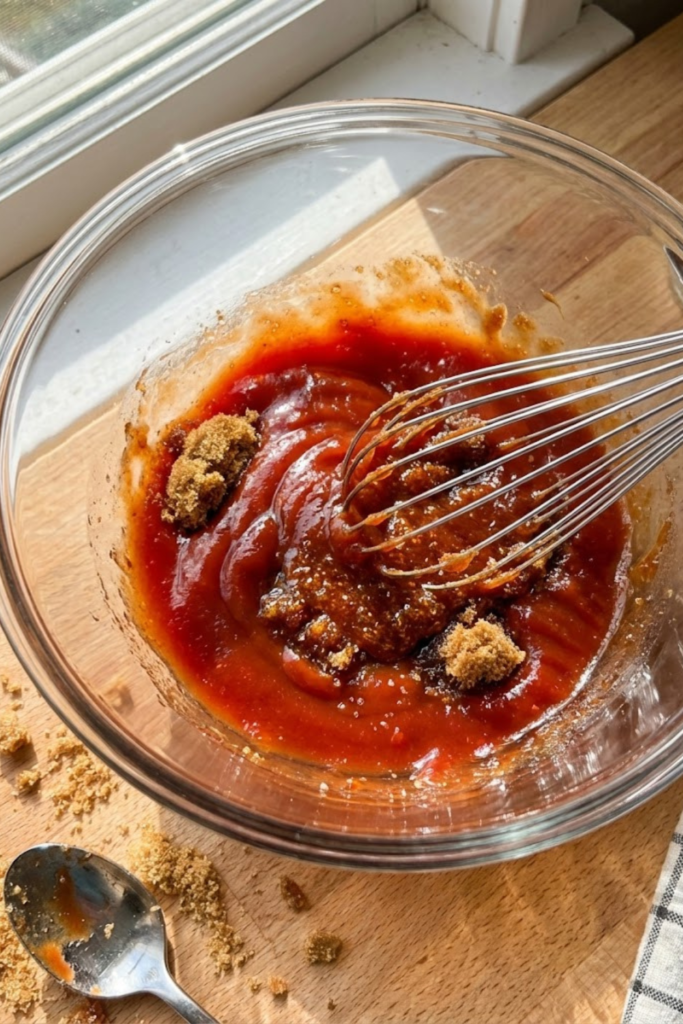
Why the Ketchup Brown Sugar Glaze is the Secret Weapon
If you have ever sat down to a family dinner and felt like your main dish was missing a little something, you know what I am talking about. Meatloaf is a great meal, but without the right topping, it can feel a bit plain or even boring. In my years of cooking for my family and teaching students how to handle a kitchen, I have found that the glaze is what really makes this dish stand out. It is the special sauce that turns a simple brick of meat into something everyone wants to dive into. Most people think the meat is the star, but honestly? It is the sticky, red coating on top that everyone remembers.
The Perfect Balance of Sweet and Tangy
Think about why we love certain foods more than others. Usually, it is because they hit different parts of our tongue at the same time. The ketchup in this recipe gives you that sharp, vinegary kick that wakes up your taste buds. Then, you have the brown sugar. It brings a deep, molasses-like sweetness that smooths out the sharp edges of the ketchup. When these two mix together while baking, they create a flavor that is bright and rich. I have tried using honey or maple syrup before, but they just do not have the same grip as brown sugar. The sugar helps the sauce stay on the meat instead of just sliding off into the pan.
Why the Texture Matters So Much
One of the biggest reasons I love this glaze is what happens inside the oven. As the heat rises, the sugar starts to bubble and melt. This process creates a sticky, slightly tacky layer on top of the meatloaf. This is not just for taste, though. That layer acts like a shield. It helps keep the moisture trapped inside the beef so your dinner doesn’t end up dry. Plus, that slightly crispy edge where the sauce gets a little dark? That is the best part. It gives you a nice contrast between the soft meat and the chewy topping. My kids used to fight over those corner pieces because they had the most glaze!
Simple Tweaks for Better Results
You do not need a bunch of fancy tools or expensive spices to make this work. Most of us already have these items in the pantry right now. If you want to change it up a bit, you can add a tiny splash of apple cider vinegar or a teaspoon of yellow mustard. This adds even more layers to the sauce. I usually tell my students to start with the basic recipe first. Once you see how the sugar and ketchup work together, you can start playing around with it. The goal is to make a sauce that is thick enough to coat the back of a spoon. If it is too runny, it won’t give you that nice crust we want.
Choosing the Best Meat for a Juicy Meatloaf
When I first started teaching my students about cooking, the meatloaf lesson was always a bit messy. I’ve seen way too many people reach for the package at the store that says 95% lean beef. I get it, you want to be healthy, but lean beef is basically the enemy of a moist dinner. If you want that perfect ketchup brown sugar glazed meatloaf, you need some fat. Fat is what carries the flavor and keeps the whole thing from falling apart into dry crumbs on your plate. If the meat is too lean, your glaze can’t save it.
Why Fat Content is Your Best Friend
I always tell people to look for 80/20 ground beef. This means it is 80 percent meat and 20 percent fat. When it bakes, that fat melts and bastes the meat from the inside out. If you use meat that is too lean, you end up with a texture like a dry sponge. I’ve made that mistake more times than I can count. My family used to call my early attempts “the brick” because they were so tough. Once I switched to 80/20, everything changed. It stays tender even after an hour in the oven, which is exactly what we want for this recipe.
The Secret Beef and Pork Mix
If you want to take things up a notch, don’t just use beef. I like to mix in about a half-pound of ground pork for every pound of beef. Pork has a different kind of fat that stays juicy at higher temperatures. Also, it adds a nice savory depth that beef alone just doesn’t have. Some stores even sell a “meatloaf mix” which is usually beef, pork, and sometimes veal. If you see that, grab it! It’s a great shortcut for getting that restaurant-style texture right in your own kitchen.
Keep Your Ingredients Cold
One thing a lot of folks forget is to keep the meat in the fridge until the very last second. If the beef gets too warm while you are mixing in the onions and spices, the fat starts to soften. If that happens, the fat will just leak out onto the baking tray instead of staying inside the loaf. This simple trick makes sure your meatloaf stays plump and juicy instead of shrinking down into a greasy puddle. Trust me, your dinner guests will really notice the difference.
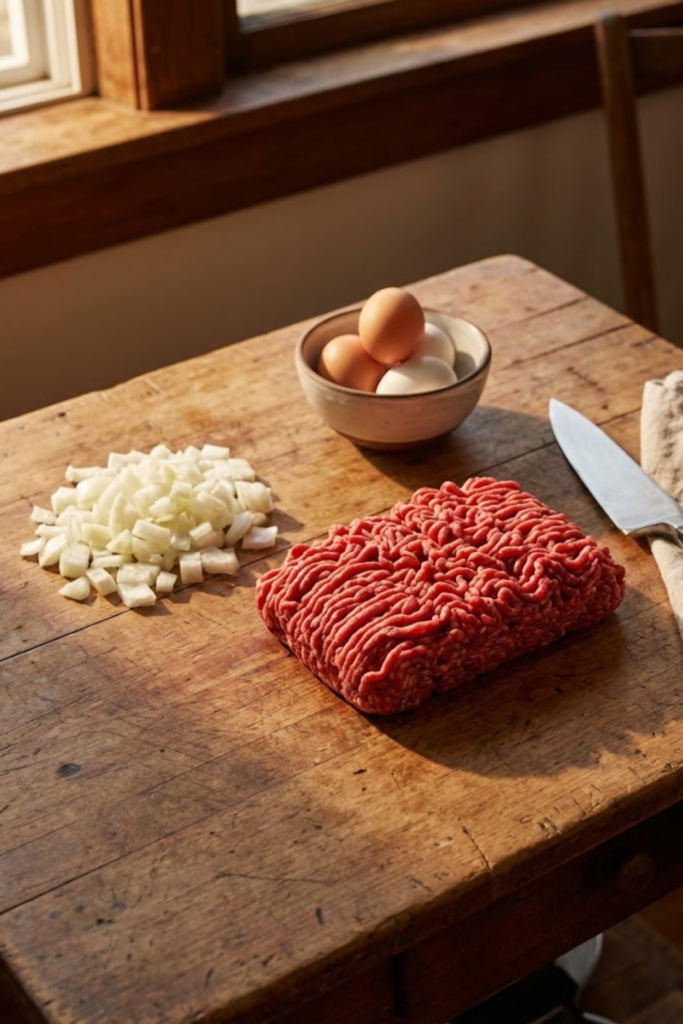
Ingredients You Need for This Comfort Food Classic
I always get asked what makes my recipe different from the store-bought stuff. It isn’t just about the meat or that sticky sauce on top. It’s about the specific things you mix inside the bowl before you ever turn on the oven. Over the years, I’ve learned that skipping even one small spice can change the whole vibe of the meal. When I’m gathering my supplies on the counter, I like to think of them as a team. Each one has a job to do. If one player is missing, the whole game is off!
The Magic of Breadcrumbs and Milk
A lot of folks think breadcrumbs are just filler to make the meat go further, but that isn’t the case at all. I use a mix of milk and plain breadcrumbs to create what chefs call a panade. This paste is the real secret to a tender slice. If you just throw dry crumbs into the meat, they suck up all the moisture and leave you with a crumbly mess. I like to let my crumbs soak in the milk for about five minutes before I add the beef. This makes sure every bite stays soft. I’ve found that Panko works okay, but regular fine breadcrumbs really do the best job of holding everything together.
Why Sautéing Your Veggies Matters
Don’t even get me started on raw onions in a meatloaf. I used to just toss them in chopped up, but they never quite cooked through. You’d bite into a soft piece of meat and get a crunchy, sharp piece of onion. It just felt wrong. Now, I always take the time to cook my diced onions and garlic in a little bit of butter until they are soft and clear. This brings out their natural sweetness, which tastes amazing with the ketchup brown sugar glazed meatloaf topping. It’s an extra step, but your family will thank you for it.
The Binding and Seasoning Secrets
To keep the loaf from falling apart when you slice it, you need eggs. I usually use two large eggs for every two pounds of meat. For the flavor, I rely on a heavy hand with Worcestershire sauce. It adds a deep, salty flavor that you just can’t get from salt alone. I also toss in some dried parsley, salt, and plenty of black pepper. I’ve tried adding fancy herbs before, but I always come back to the basics. Sometimes simple is just better. Make sure you don’t overwork the mix when you add these in—just use your hands until it’s just combined.
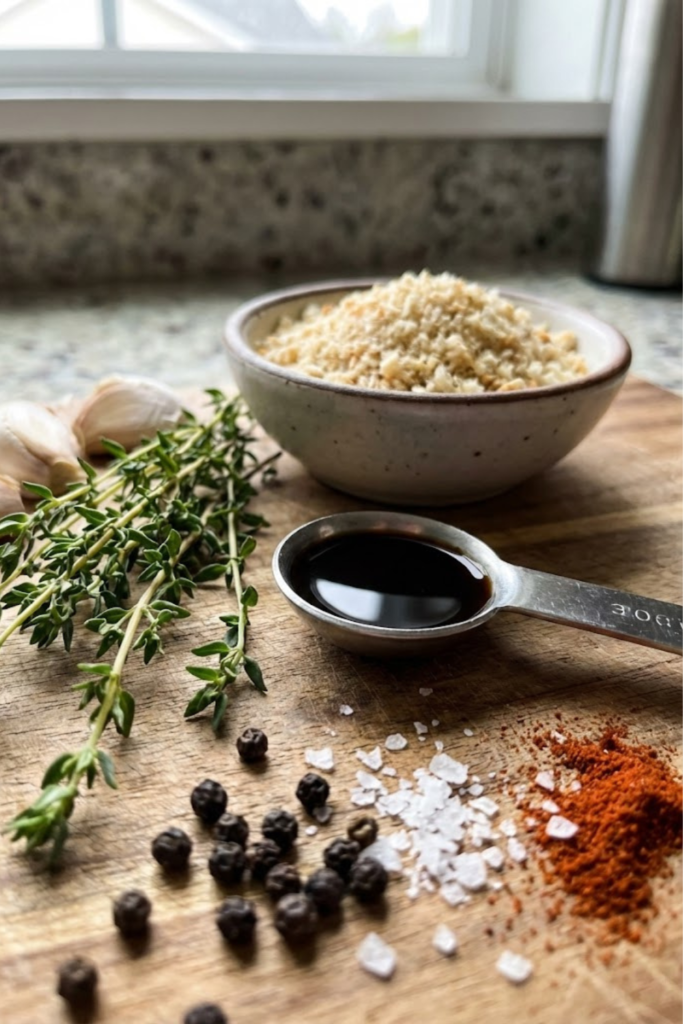
Step-by-Step Instructions for the Perfect Bake
Getting the oven ready is usually the first thing I do in my kitchen. You want it at 350 degrees Fahrenheit. If it’s too hot, the outside of your ketchup brown sugar glazed meatloaf will burn before the middle is safe to eat. I’ve learned that the hard way after pulling out a loaf that looked perfect but was basically raw in the center. It’s a real bummer when you have a hungry family waiting at the table. Take your time and let that oven heat up properly while you get your hands dirty with the prep work.
Mixing Without the Mess
I always tell my students that their hands are the best tools they own. Forget the spoons or the whisks for this part. You want to gently fold the meat and the ingredients together. If you squeeze the meat too hard or mix it for too long, the texture gets really tough and rubbery. It’s a bit like making bread dough; you don’t want to overwork it. I just toss everything in a big bowl and use my fingers to move things around until I don’t see any big clumps of breadcrumbs or meat. Once it looks even, I stop right there.
To Pan or Not to Pan?
This is a big debate in the cooking community. Some people love a loaf pan because it keeps the shape, but I actually prefer a flat baking sheet lined with foil. If you use a pan, the meat basically boils in its own grease. On a flat sheet, you can shape it into a nice log yourself. This gives more surface area for that sticky glaze to cover. Plus, the edges get a bit more airflow, which helps create that slightly crusty exterior that everyone loves. Just make sure the log is the same thickness all the way across so it cooks at the same speed.
The Two-Stage Glaze
Don’t just dump all your sauce on at once! I like to split my glaze into two parts. I brush about half of it on before the meatloaf goes into the oven. This layer cooks down and really sticks to the meat. Then, about 15 minutes before it’s done, I pull it out and slather on the rest. This second coat stays shiny and bright red. It makes the whole thing look like it came out of a food magazine. Also, make sure you let the meat rest for at least ten minutes after you take it out. If you cut it too soon, all those delicious juices will just run out on the board.
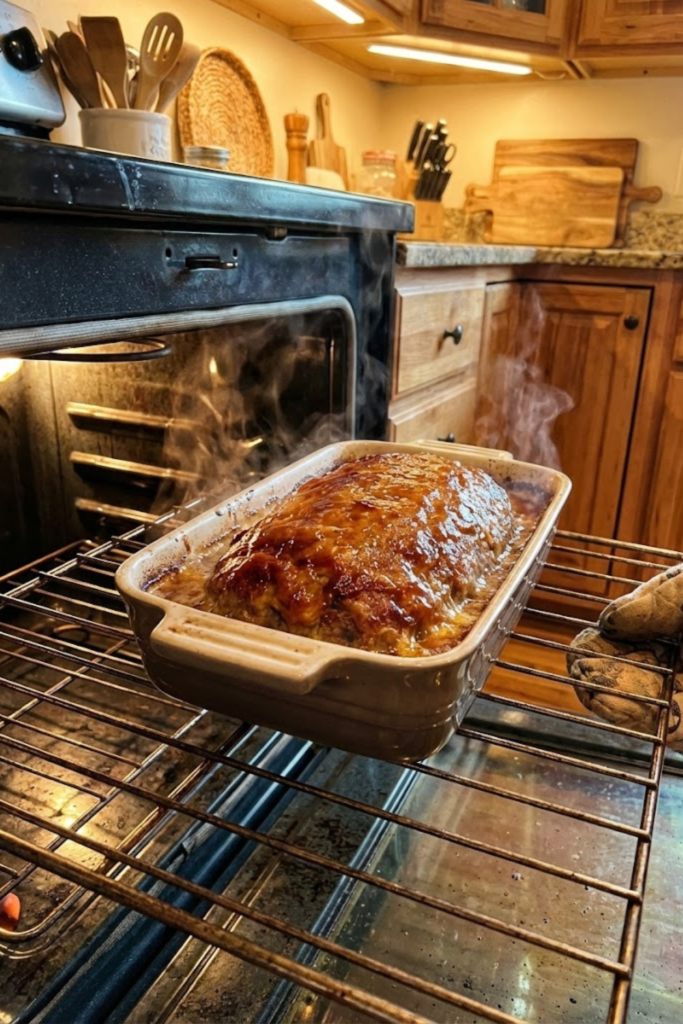
Serving Suggestions and Side Pairings
Picking the right sides for your ketchup brown sugar glazed meatloaf is just as important as the meat itself. You do not want something that is going to fight with the sweet and tangy flavors of the glaze. Instead, you want side dishes that support the main course and help balance out the richness of the beef. I have tried a lot of different combinations over the years, from plain white rice to corn on the cob, but some things just stand out more than others. In my house, we have a few “must-have” sides that make the meal feel complete. If I do not have these on the table, my family definitely notices and asks where they are!
The Classic Mash and Meat Combo
I have spent many years trying to figure out what goes best with a thick slice of meatloaf. You really want something that can soak up any extra sauce that drips off the meat. For me, there is absolutely no debate: mashed potatoes are the winner every single time. I tell my kids that a plate of meatloaf without potatoes is like a classroom without a whiteboard—it just does not work. I like to make mine extra buttery and smooth with a little bit of warm milk. The creamy texture of the potatoes sits so well against the tangy, sweet glaze on the beef. Sometimes I even make a little extra glaze to drizzle right over the potatoes like gravy.
Adding a Little Green to the Plate
We also need some color on the plate so it is not just all brown and red. My go-to is usually roasted green beans or some steamed broccoli. I like to toss the beans in a bit of olive oil and garlic and put them in the oven at the same time as the meatloaf. This makes dinner much easier because everything is done at once. The crunch of the fresh veggies is a great break from the heavy, savory meat. Sometimes I even roast carrots with a little honey to match the sweetness of the brown sugar glaze. It makes the whole meal feel like a big holiday dinner, even if it is just a random Tuesday night after work.
Turning Leftovers into Lunch Gold
Now, let’s talk about the best part of this whole process. I honestly think I make a bigger loaf than I need just so I can have leftovers the next day. Cold meatloaf sandwiches are one of my favorite things to pack for my lunch at school. I take two slices of white bread, a little bit of mayo, and a cold slice of that ketchup brown sugar glazed meatloaf. The glaze gets even thicker and stickier after it sits in the fridge overnight. It is simple, filling, and way better than whatever they are serving in the cafeteria. Just wrap it up tight in some foil so it stays fresh. You can also crumble up the leftovers and put them in a pasta sauce if you want to try something different. There are so many ways to use it up so nothing goes to waste.
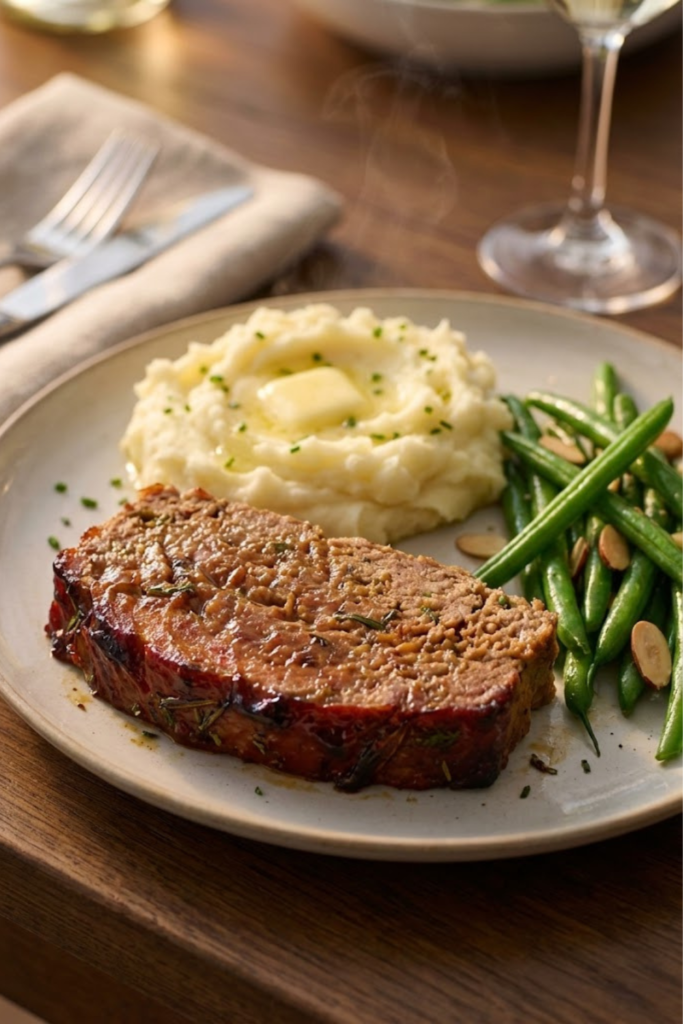
There you have it—the secret to the most mouthwatering ketchup brown sugar glazed meatloaf you will ever taste. It is sweet, it is savory, and it is the definition of comfort on a plate. Whether you are cooking for a busy weeknight or a big Sunday family gathering, this recipe is a guaranteed winner in 2026. My students always love when I share these kitchen tips, and I hope your family loves this meal as much as mine does. Don’t forget to save this recipe for later—pin it to your “Dinner Favorites” board on Pinterest right now so you can find it whenever you need a hug in food form!