Wow, let’s talk about comfort food! Ina Garten’s meatloaf is seriously one of those dishes that just hits the spot, isn’t it? I mean, who doesn’t love a classic, tender, and deeply savory meatloaf? Did you know that meatloaf recipes have been popular in American cookbooks since the late 19th century? That’s a long history of deliciousness! But for me, the Barefoot Contessa version, particularly her famous 1770 House Meatloaf, changed the game. It’s a recipe that manages to be both classic and utterly sophisticated at the same time. We’re talking about a fantastic blend of meats, aromatic fresh herbs like thyme and parsley, and a secret ingredient that keeps it so incredibly moist and flavorful! This article is going to dive deep into her methods, giving you the inside track on making the most tender, most delectable meatloaf you’ll ever have. Get ready to impress everyone at the dinner table with the absolute best Ina Garten’s meatloaf—trust me, it’s going to be fabulous!
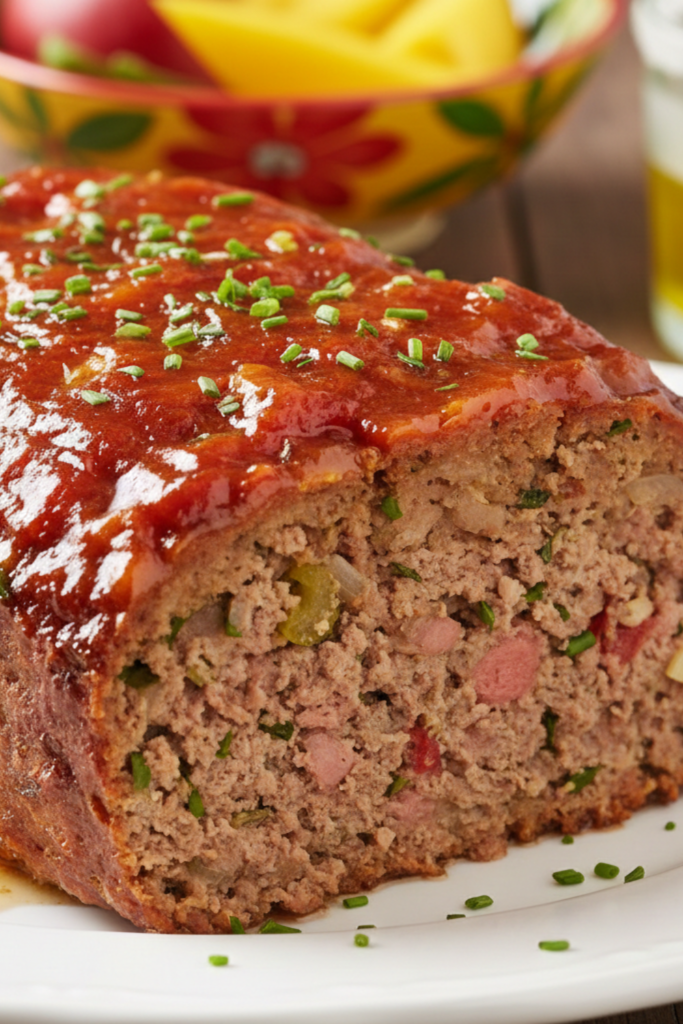
The Perfect Meat Blend: Key to a Flavorful and Tender Meatloaf
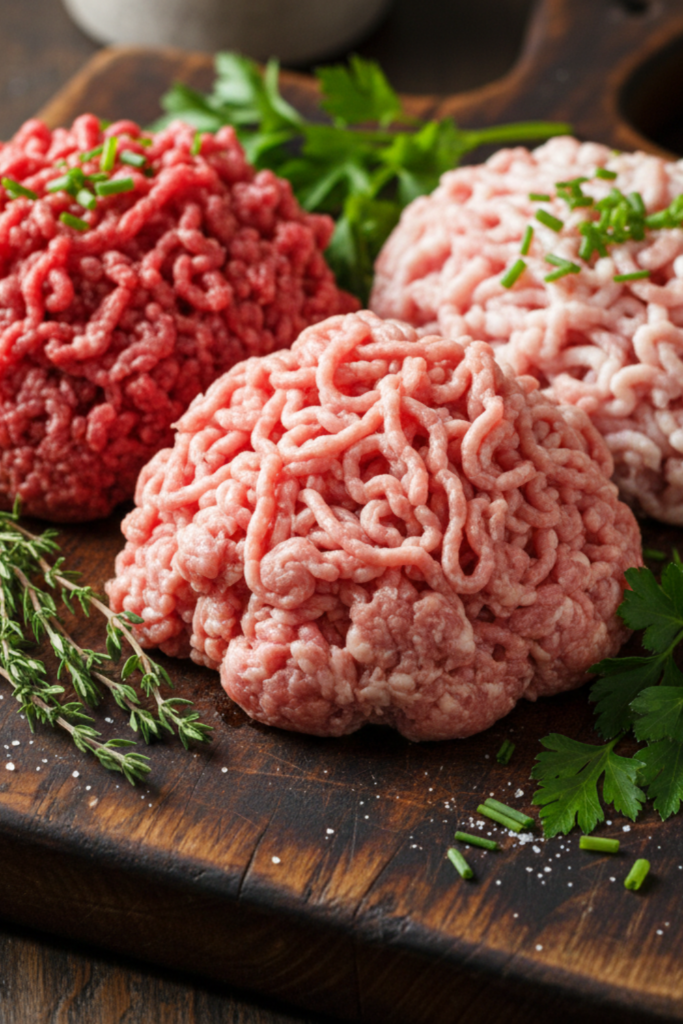
Oh, man, let me tell you, when I first started making meatloaf—way back before I knew the wisdom of the Barefoot Contessa—I was using just plain ol’ ground beef, 85/15, and my meatloaf was fine. Just fine. But ‘fine’ isn’t what we’re going for here, right? We’re shooting for “fabulous!”. The biggest game-changer, the thing that elevated my dish from ‘Monday night dinner’ to ‘Oh my goodness, can I have that recipe?’ was switching up the meat.
Why Three is the Magic Number
The secret to a truly great meatloaf, especially Ina Garten’s meatloaf, is that fantastic three-meat blend. It’s typically ground beef, ground veal, and ground pork. I know, a lot of home cooks skip the veal, figuring it’s too much fuss or too pricey, but trust me, it’s worth the extra trip to the butcher! That veal is what contributes so much tenderness to the final product. It’s a subtle difference, but one that makes the loaf feel melt-in-your-mouth soft.
Now, let’s talk about the pork. The ground pork is key for richness and moisture. Pork fat has a lower melting point and infuses the whole loaf with flavor as it cooks. Without that blend, specifically the veal and pork, I found my earlier loaves were drier and kinda one-note in flavor. It was a real bummer when my meatloaf came out tough, but I learned that the texture starts with the meat selection, and that 1770 House Meatloaf blend is the way to go.
The Deal with Fat Content
You don’t want a meatloaf that’s swimming in grease on the sheet pan, but you absolutely need some fat to keep it moist. I’ve always found that using 80/20 ground chuck for the beef part is the sweet spot. It provides enough fat to keep things juicy without being a greasy mess. My poor mother, bless her heart, always used the leanest ground beef she could find, and her meatloaf, while lovingly made, was always just a bit crumbly and dry. It was a good lesson, though: fat equals flavor and moisture, period!
If you’re not into veal, or can’t find it, don’t fret! It’s not the end of the world. You could use all beef, maybe an 80/20 mix of sirloin and chuck for a good compromise, but honestly, you’re losing a little something special. Some folks swap the pork for ground turkey or more beef, too. Just remember to add back some moisture if you go too lean, maybe a little more milk or sautéed aromatics.
I remember one time, I tried to make a huge double batch of this for a potluck and my butcher was outta veal. I just doubled up on the beef and pork. It was good, sure, but it didn’t have that je ne sais quoi that the full Ina Garten’s meatloaf recipe has with the veal. Live and learn, right? Now I always call ahead to make sure they have that special blend!
- Always ask your butcher for a fresh grind; it really does make a difference in the tenderness of your final meatloaf.
- When substituting meats, consider adding a tablespoon of olive oil or butter to your sautéed vegetables to replace some of the lost fat and keep things juicy.
- The three-meat blend ensures a depth of flavor that a single-meat loaf just can’t touch.
Mastering the Aromatics: Sautéing for Depth of Flavor
Okay, now that we’ve got the meat blend sorted—seriously, that three-meat mix is a winner!—we need to talk about what truly builds the flavor foundation for Ina Garten’s meatloaf. It’s the aromatics! I see so many folks just tossing raw, chopped onions and celery right into the meat mixture, and I gotta tell you, that’s a mistake that can really hurt the texture and taste.
The Game-Changing Sauté
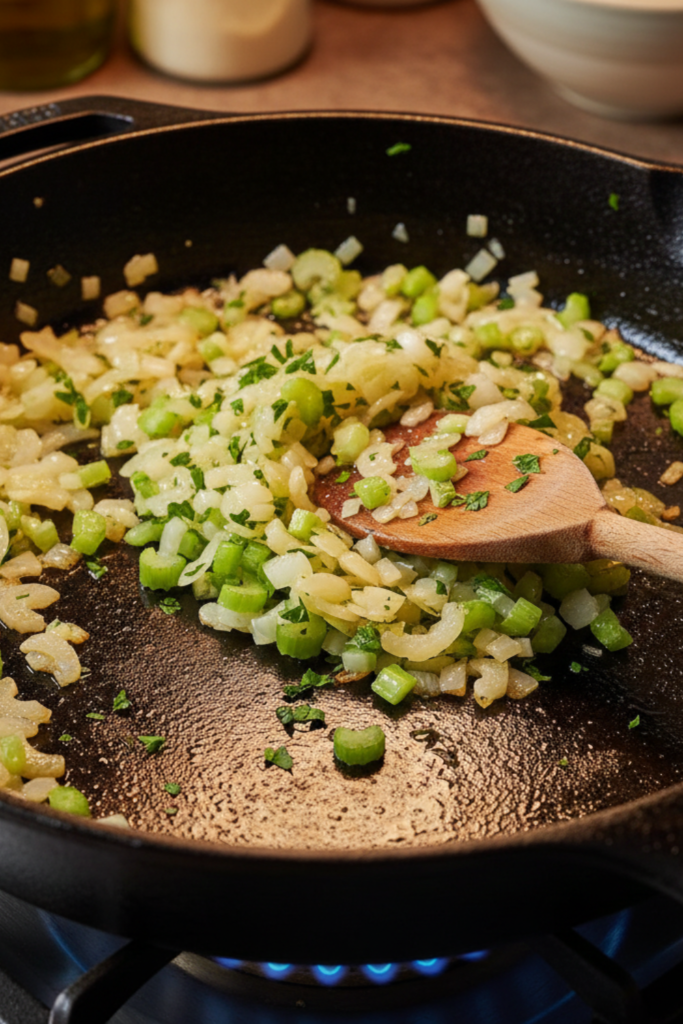
In the 1770 House Meatloaf recipe, Ina starts with sautéing the chopped Spanish onion and diced celery in a little olive oil. This step isn’t just nice to do; it’s crucial. You’re cooking them until they are softened and beautifully translucent, not browned, which is a key difference.
Why do we do this? Well, there are two main reasons:
- Mellowing the Flavor: Raw onions and celery have a sharp, almost aggressive taste. Sautéing them mellows that harshness and brings out their natural sweetness, making them blend much more harmoniously into the final loaf.
- Adding Moisture (Without Crunch!): When you sauté the vegetables, they release some of their water, and then that moisture is reabsorbed as they soften. If you skip this, your raw, hard vegetables will release their moisture while the meatloaf is baking, which can make the loaf a bit watery and create little air pockets. Plus, who wants crunchy celery in their perfectly tender meatloaf? Not me!
I had this one kitchen blunder where I was in a massive hurry and thought, “Eh, the oven will cook the onions,” and just threw them in raw. Big mistake. The meatloaf came out with these distractingly sharp bites of onion and the texture felt… off. I learned my lesson: never rush the sauté for your meatloaf base!
Fresh Herbs Are Non-Negotiable
This is where you can tell the difference between a mediocre meatloaf and a fabulous one. You absolutely have to use fresh herbs. Ina’s recipe calls for finely chopped fresh flat-leaf parsley, fresh thyme leaves, and often fresh chives. Seriously, the flavor of dried herbs, while convenient, is flat compared to the bright, aromatic pop that fresh herbs provide.
I always get a big bunch of fresh parsley; it’s not just a garnish, it adds a freshness that cuts through the richness of the three-meat blend. Same goes for fresh thyme—it gives that warm, slightly savory, earthy note that is just classic comfort food. Make sure your herbs are properly washed, dried, and chopped finely so they distribute evenly throughout the Ina Garten’s meatloaf mixture.
The Cooling Time-Out
Here is a super important, but often overlooked, tip I picked up from a pro: once your beautiful aromatics are softened, you must let them cool slightly before mixing them with the raw meat, panko, and eggs. Why?
If you pour a hot vegetable mix into your bowl of raw ground beef and eggs, you risk partially cooking the meat and scrambling the eggs! That’s an instant recipe for a dry, rubbery, and totally messed up meatloaf. Just transfer the sautéed vegetables to a small bowl and let them hang out on the counter while you prep the other ingredients. A little patience now means a perfectly tender Ina Garten’s meatloaf later. That cooling step is a total pro move! What a difference that little time-out makes!
The Secret to Moist Meatloaf: Binders and Technique
Alright, we’ve nailed the meat blend and the flavor-packed aromatics, which means we’re really getting close to meatloaf perfection! But let me tell you, even with the best ingredients, your Ina Garten’s meatloaf can still end up dense or dry if you mess up the next two steps: the binders and the mixing technique. I had a friend whose meatloaf always came out like a tough, rubbery brick—a total tragedy—and it was all because of these little details she overlooked!
The Power of Panko and Milk
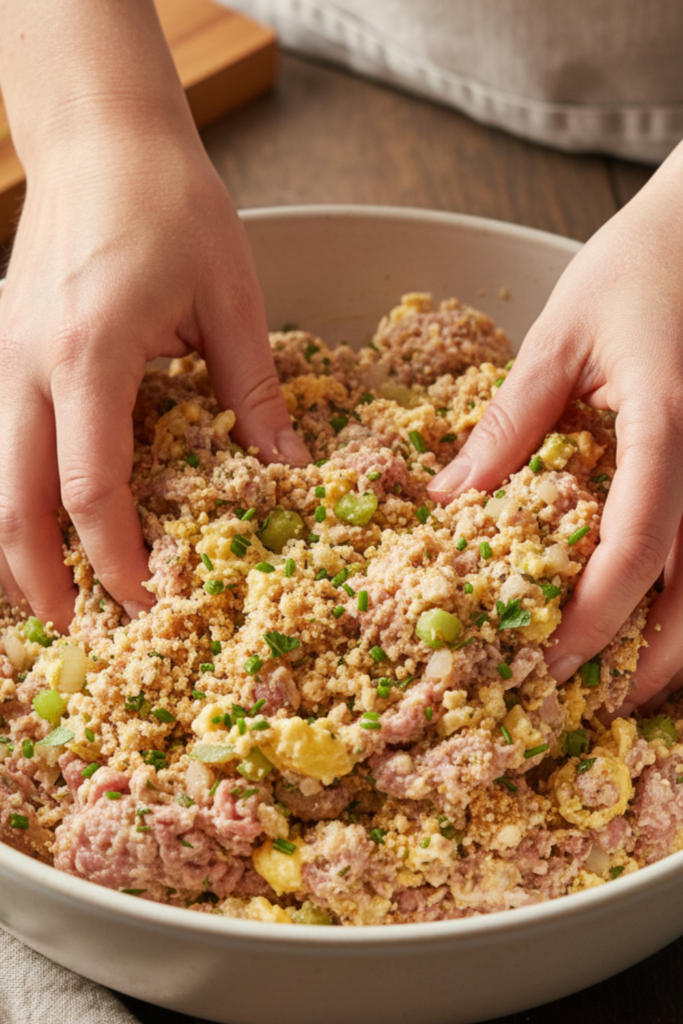
Every great meatloaf needs a binder, but you don’t want a binder that makes the loaf heavy. Ina’s recipe is brilliant because it uses finely ground panko bread crumbs, soaked in whole milk, along with a couple of large eggs. The eggs are there to help hold everything together, giving the loaf structure.
But the panko? That’s the real star! I used to use regular old breadcrumbs, but when I switched to panko, the difference was wild. Panko is lighter and absorbs the milk beautifully, puffing up like tiny sponges. This absorption is key because it holds the moisture inside the loaf while it bakes. Regular breadcrumbs often turn mushy and can make the finished meatloaf feel too dense. The panko ensures that when you slice into your Ina Garten’s meatloaf, it’s incredibly tender and juicy, not packed solid.
The Golden Rule: Don’t Over-Mix!
This is the most critical mistake I see home cooks make, and I’ve been guilty of it myself. When everything—the meat, the cooled aromatics, the panko/milk mix, and the fresh herbs—is in the bowl, you need to mix it with the gentlest hand possible.
I prefer to use my (clean!) hands because you can feel when the mixture is just combined. Think of it like this: you’re just folding the ingredients together until everything is evenly distributed. Do not knead it like dough or mix it vigorously. Overworking the meat develops the proteins (gluten in the breadcrumbs and myosin in the meat) and leads to a tight, tough texture. The goal is a light, airy, and very tender meatloaf. Trust me, if you take just a minute or two to be super gentle here, your final Ina Garten’s meatloaf will be perfectly tender. I once had a catastrophic meatloaf that I had mixed for way too long, and it was chewy—not a good look for a comfort food classic!
Ditching the Loaf Pan for a Sheet Pan
Now for the final trick: the baking vessel. You might be used to baking your meatloaf in a standard loaf pan, but not for this recipe. Ina’s method uses a free-form cylinder shape on a parchment-lined sheet pan. This is pure genius!
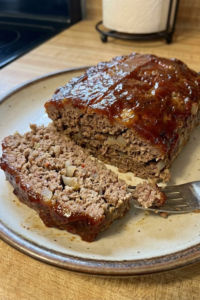
When you bake a loaf in a pan, it tends to steam in its own juices, especially if you have a great moisture-holding meatloaf. Baking it free-form on a sheet pan allows the edges to caramelize nicely, giving you a deeper, richer flavor on the outside, and prevents that steamed, soggy bottom. Just shape the mixture into a nice, even football shape and pop it in the oven. That superior caramelization is what makes the Ina Garten’s meatloaf so darn delicious! You’ll never go back to a loaf pan again.
Serving the Classic: Ina’s Famous Garlic Sauce
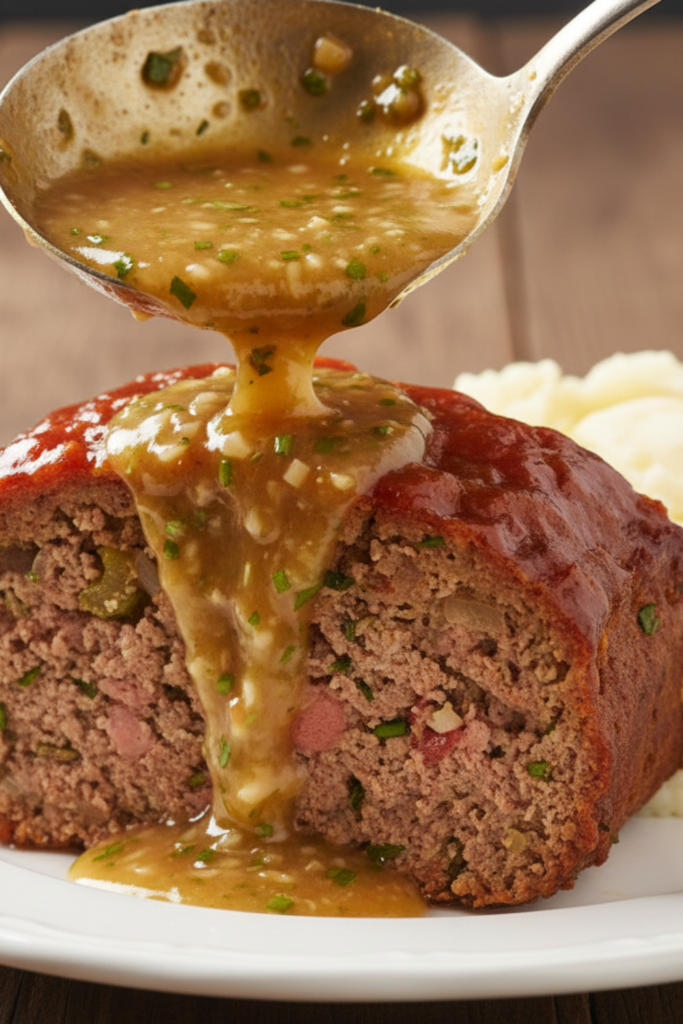
Okay, we’ve got a perfectly shaped, beautifully caramelized meatloaf coming out of the oven! If you stop here, you’ve still got a fantastic meal, but if you want the full 1770 House Meatloaf experience, you absolutely must make the Garlic Sauce. I mean, this isn’t just a sauce; it’s a golden, savory, unctuous bath of flavor that takes the whole dish to a completely different level. Honestly, the first time I made it, I realized I’d been missing out on meatloaf glory my whole life!
Building the Unforgettable Sauce
This sauce is actually quite simple, which is what I love about many of Ina’s recipes—simple ingredients, huge flavor payoff. It starts with olive oil and a lot of garlic cloves, plus some chicken stock and butter.
The first step is critical: you want to gently simmer those whole garlic cloves in the olive oil until they are soft and just lightly browned. The key word there is lightly. If you let them go too far, they’ll burn and turn bitter, and that’s a mistake you can’t come back from! I ruined a batch once by trying to multitask and forgetting the garlic on the stove. Total bummer! But when done right, this simmering infuses the oil with this deep, mellow garlic flavor.
Finishing with Flair
Once the garlic is soft, you add the chicken stock and a big pat of butter. You then boil that mixture down until it reduces and thickens slightly. As it boils and reduces, the sauce becomes more concentrated and velvety. I always give it a good stir to make sure everything is mingling nicely.
The final, essential step? You mash those soft, cooked garlic cloves right into the sauce. They basically dissolve, thickening the sauce further and adding a gentle, nutty garlic flavor that is miles away from the harsh bite of raw garlic. It creates this irresistible, golden-brown sauce that is perfect for draping over your sliced Ina Garten’s meatloaf. It’s a real masterpiece, if I do say so myself!
The Perfect Sidekicks
Now that you have this incredible meatloaf and the amazing Garlic Sauce, you need the right sides to complete the picture.
- Mashed Potatoes: You just have to have mashed potatoes. They are the perfect absorbent pillow for that luscious Garlic Sauce. I’m talking about creamy, buttery mashed potatoes here!
- Roasted Veggies: A side of roasted Brussels sprouts or green beans adds a nice bit of bitterness and crunch to cut through the richness of the meatloaf.
- A Little Tang: Sometimes I make a simple side salad with a sharp vinaigrette. The tanginess really balances the rich flavors of the meat and the sauce.
This isn’t just dinner; it’s an experience. If you’re looking to impress, this combo of tender Ina Garten’s meatloaf and that unforgettable sauce is a guaranteed winner!
So there you have it! The definitive guide to making Ina Garten’s meatloaf is right here. We went deep, folks! We figured out that superior texture comes from that amazing three-meat blend—beef, veal, and pork—and the moisture-locking power of those carefully sautéed aromatics. We also mastered the gentle mixing technique and the secret of using panko soaked in milk, which keeps the loaf from getting tough or dense.
I know you’re now equipped to create this absolute classic! Don’t forget that unbelievable, rich Garlic Sauce—it truly elevates the whole experience from simple comfort food to dinner party-worthy. This isn’t just any meatloaf; it’s a tender, flavorful masterpiece that will have everyone asking for the recipe. You’re going to get requests, trust me on this one! It’s such a triumph when you get that perfect slice.
I know you’re going to love this new approach to Ina Garten’s meatloaf! Now go make this incredible meatloaf and share your triumph with the world!