Did you know that over 70% of parents say breakfast is the most stressful part of their morning routine? I totally get it! Honestly, I used to just toss a frozen waffle in the toaster and call it a day until I realized how much better life is with home-cooked french toast sticks with cinnamon sugar. In 2026, we are all about that “slow morning” vibe even when we’re in a rush. These sticks are crunchy on the outside, fluffy inside, and smell like a literal hug. Let’s get into how you can make these without losing your mind before the first bell rings!
Selecting the Best Bread for Sturdy Sticks
So, let’s talk about the bread. This is where most people mess up their french toast sticks with cinnamon sugar. I remember my first time trying this back when I was just starting out in the kitchen. I used regular old sandwich bread. It was a total disaster! The sticks turned into soggy little sponges that fell apart before they even hit the pan. I was so frustrated I almost threw the whole skillet out the window. You really need a bread that can stand up to the liquid. If your bread is too thin, it is just going to turn into mush. And nobody wants mushy sticks for breakfast. The bread is the foundation of the whole meal, so you can’t just grab whatever is on the top of the fridge and expect it to work out.
Why Thick-Cut is King
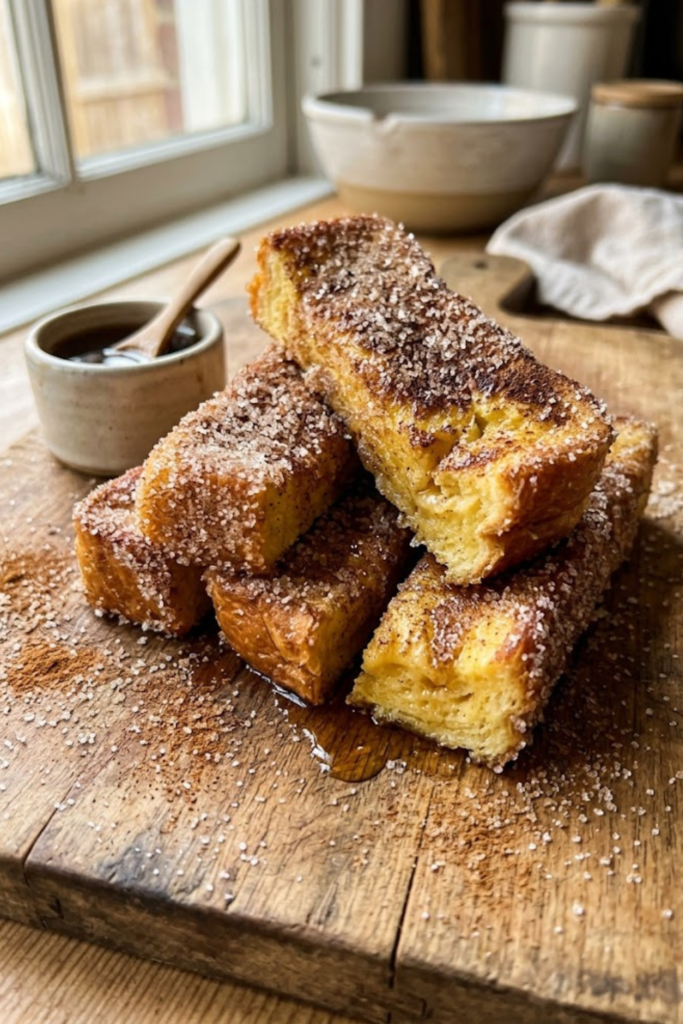
The best choice for this is Brioche or Texas Toast. I personally love Brioche because it is already a bit sweet and buttery. It’s like it was made for this specific recipe. Texas Toast is great too because it is usually cut about an inch thick right out of the bag. You want that thickness because it gives the custard something to grab onto without soaking all the way through instantly. If you can find a loaf that isn’t pre-sliced, that is even better. Then you can cut the slices exactly how you want them. I usually go for about an inch and a quarter. It feels substantial in your hand and holds its shape while you fry it. If you use thin bread, the stick will just flop over when you pick it up, and that’s a real bummer.
The Stale Bread Trick
Here is a pro tip I learned the hard way. Use bread that is a day or two old. Fresh bread is just too soft. It has too much moisture inside already. If you put fresh bread in that egg mix, it is going to get heavy and sad. If your bread is fresh, just leave the slices out on the kitchen counter for an hour or two. It helps them dry out a bit so they soak up the custard without falling apart. I once forgot to do this and had to bake the bread for five minutes on low heat just to dry it out. It worked like a charm! You want it to feel a little bit like a dry sponge that is ready to drink up all that cinnamon goodness.
Slicing for Success
When you actually cut the bread into sticks, aim for about three or four sticks per slice. You want them to look like thick fingers. If they are too skinny, they will snap when you try to flip them in the pan. I like to make sure every stick has a little bit of crust on the end. That crust acts like a handle and keeps everything together. Don’t worry if they aren’t perfectly straight. It gives them that homemade look that makes people feel like you spent all morning on them. Just make sure they are thick enough to stand up on their own without bending. Keeping them uniform in size helps them cook at the same speed too, so you don’t have some burnt and some raw.
The Ultimate Cinnamon Sugar Custard Ratio
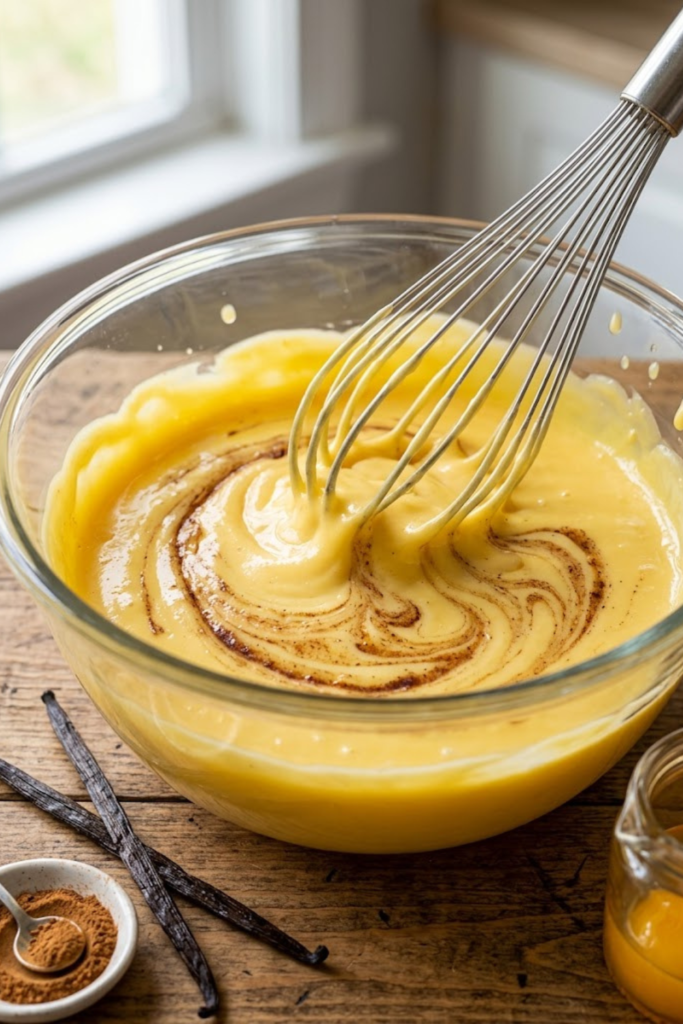
Now, for the dip. The custard is the soul of french toast sticks with cinnamon sugar. I used to think it was just eggs and milk, but man, was I wrong. One time I used too many eggs and it tasted like a sweet omelet. Gross! You want that rich, creamy vibe that makes the bread feel special. I like using heavy cream instead of just milk. It makes a huge difference in how fancy it feels. You need to get the ratio just right or the sticks will be either too dry or way too eggy. I’ve spent a lot of Saturday mornings testing this out, and I think I finally found the sweet spot that makes everyone in the house happy. It’s all about creating a liquid that is thick enough to coat but thin enough to soak in just a tiny bit.
Finding the Right Balance
I usually go with about 3 large eggs for every half cup of heavy cream. If you use whole milk, it’s okay, but the cream really adds a thickness that makes the bread feel like a dessert. Throw in a big splash of vanilla. And I mean a big one! I don’t really measure the vanilla anymore; I just pour until my heart says stop. A little bit of nutmeg also adds a warmth that makes people wonder what your secret ingredient is. Some folks like to add a bit of sugar directly to the liquid, but I prefer to save the sugar for the coating at the end. It keeps the bread from getting too dark too fast in the pan because sugar burns quickly.
Mixing Like a Pro
Make sure you whisk it really good. If you leave big globs of egg white, they’ll cook onto the bread and look like weird white spots. I hate when that happens! It took me years to realize I wasn’t whisking long enough. Now, I whisk it until it’s all one beautiful, pale yellow color. You can use a fork, but a whisk really helps get air in there and breaks up the eggs better. I remember one time my kid tried to help and didn’t mix it at all—we had “polka dot” french toast that morning. It still tasted fine, but it looked pretty funny and the texture was all wrong in some spots.
The Quick Dip Method
Don’t let the bread soak for too long. Just a quick dip on each side is plenty. If you leave it in there, it gets heavy and sad. I usually do a “one-two” count in my head. Dip, flip, and move to the pan. This keeps the middle fluffy while the outside gets that nice crust we’re looking for. If you are using that thick-cut brioche we talked about, it can handle a slightly longer soak, but don’t overdo it. The goal is to have the custard coat the outside and seep in just a little bit, not turn the whole stick into a wet sponge. It’s a bit of a balancing act, but you’ll get the hang of it after a few tries. Once you see how the bread reacts to the liquid, you’ll know exactly when to pull it out.
Frying to Golden Perfection: Butter vs. Oil
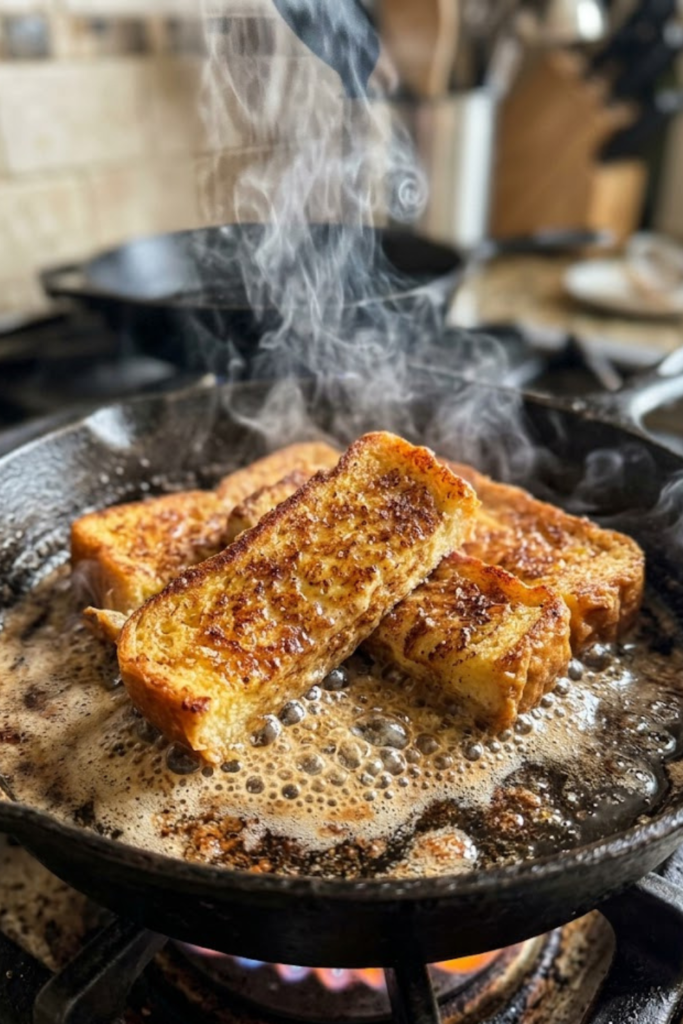
Frying these babies is the best part of making french toast sticks with cinnamon sugar. The smell of butter hitting a hot pan is basically heaven. But you have to be careful! I’ve burnt more sticks than I’d like to admit because I had the heat too high. You really want to stick to medium heat. If it’s too hot, the butter burns and turns bitter. If it’s too low, the bread just soaks up the grease and gets oily and heavy. I remember my first time trying this, I thought the hotter the better, but I ended up with black crusts and raw insides. Now I know better. You want a steady sizzle that sounds like a soft rain, not a loud popping noise.
Finding the Right Temperature
Medium heat is your best friend here. If you go too fast, the sugar in the bread and the custard will char before the middle is actually cooked through. I usually let my pan heat up for a solid three minutes before I put the first stick in. You can test it by dropping a tiny bit of water or a crumb of bread in. If it bubbles right away, you are ready to go. I used to be so impatient and just throw them in, but waiting those extra few minutes makes all the difference for that perfect golden color. It’s about being patient and watching the bread react to the pan.
The Butter and Oil Secret
I like to use a mix of butter and a tiny bit of vegetable oil. The oil keeps the butter from burning too fast. It’s a little trick my grandma taught me back in her tiny kitchen. I remember watching her, and she never used a timer. She just knew by the sound of the pan. The butter gives you that amazing salty flavor that pairs so well with the cinnamon, but the oil acts like a shield. It helps the sticks get that deep brown without smoking up your whole house. I usually add a fresh knob of butter between every batch to keep things tasting fresh.
Giving Them Space
I once tried to cook twenty sticks at once in a small pan. Bad move! They all stuck together and didn’t get crispy at all. Now, I do them in batches of maybe five or six. It takes a little longer, but it’s worth it for that crunch. Trust me, nobody wants a limp french toast stick. It’s better to take your time and do it right. Use a spatula to gently press down on them while they fry. This helps the heat get all the way through the thick bread and makes sure the surface hits the pan evenly. It’s a little extra work, but the results speak for themselves when you take that first bite.
The Perfect Cinnamon Sugar Coating Technique
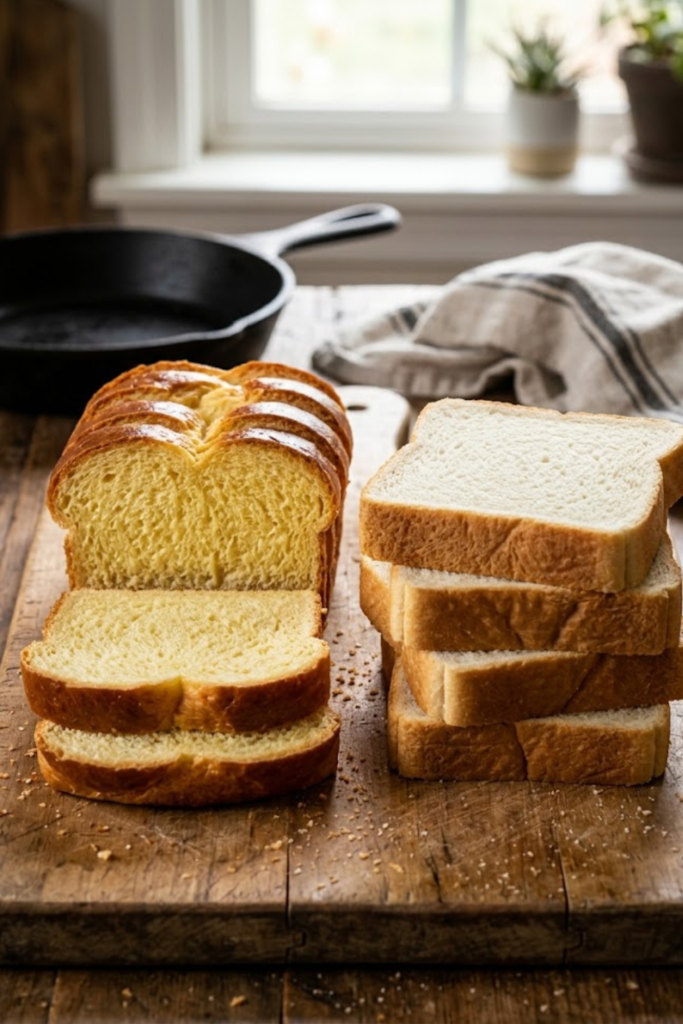
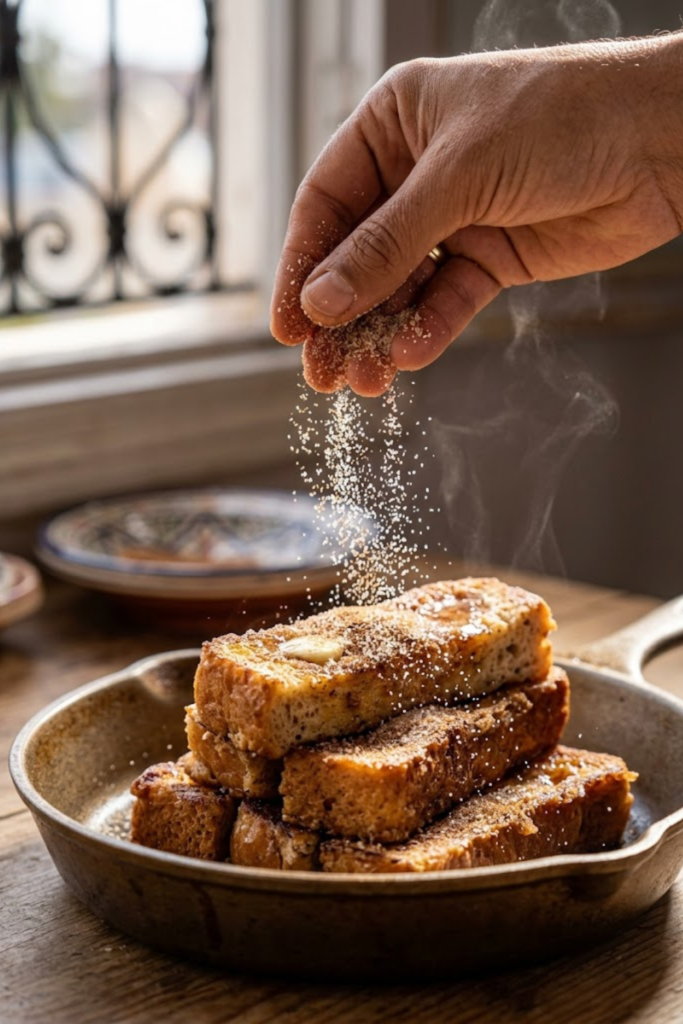
This is the part where you turn ordinary fried bread into french toast sticks with cinnamon sugar magic. You gotta be fast here. If the sticks cool down, the sugar won’t stick. I usually have a shallow bowl ready with my sugar and cinnamon mix while the toast is still sizzlin’ in the pan. I’ve seen some people try to do this after the toast has sat for five minutes, and it’s just a sad pile of bread with loose sugar at the bottom of the plate. It needs that hot, buttery surface to really grab the coating and hold onto it.
The Golden Ratio of Spice and Sweet
For the mix, I usually use about a half cup of granulated sugar and two big tablespoons of cinnamon. You can add more cinnamon if you like it really spicy and dark. I sometimes add a tiny pinch of salt to the mix too. It sounds weird, but it makes the sugar taste even sweeter! My kids think I’m a wizard when I do that. It’s funny how a little salt can change the whole flavor. Just don’t use too much or you’ll ruin the whole batch. I like to mix it in a wide bowl or a pie tin so I can roll the sticks around easily without them getting cramped.
The Shake and Bake Method
I’ve tried dipping them one by one with a pair of tongs, but that’s just too slow. By the time I get to the fourth stick, the first one is already getting cold and the sugar is barely sticking. Now, I put the sugar mix in a big plastic container or even a clean brown paper bag. I toss the hot sticks in—only a few at a time—and give them a gentle shake. It coats them all over perfectly and saves so much time. Just don’t shake too hard or you’ll break your beautiful sticks! I learned that the hard way when I ended up with cinnamon sugar bread crumbs one morning. It still tasted good, but it wasn’t exactly the “finger food” I was going for.
Why Heat is Your Best Friend
You really have to catch them right as they come out of the pan. The melted butter on the bread acts like a glue. If you wait even a minute, the butter starts to soak into the bread or dry up, and the sugar just won’t stay put. I usually have my “coating station” set up right next to the stove. It makes a bit of a mess, with sugar getting everywhere on the counter, but that’s part of the fun of cooking. Cleaning up is a lot easier when everyone has a full stomach and a big smile on their face. Plus, that smell of warm cinnamon and sugar hanging in the air is better than any fancy candle you can buy at the store. It really makes the kitchen feel like a cozy bakery for a few minutes. If you want a really thick crust, you can even double-dip them, but usually, one good shake is enough to get that perfect french toast sticks with cinnamon sugar finish.
Freezing and Reheating for Busy 2026 Mornings
Let’s be real, 2026 is moving fast, and most of us don’t have thirty minutes to stand over a stove every single weekday morning. Between work calls and getting kids out the door, breakfast usually gets the short end of the stick. That is why I always make a double or even a triple batch of these french toast sticks with cinnamon sugar. It’s a total life saver for my sanity. I remember back when I first started trying to save leftovers, I would just toss the extra sticks into a plastic bag while they were still a bit warm. Big mistake! I ended up with a giant, frozen block of bread that I had to pry apart with a butter knife. It was a mess and totally ruined the shape of the sticks. Now I have a system that actually works.
The Flash Freeze Secret
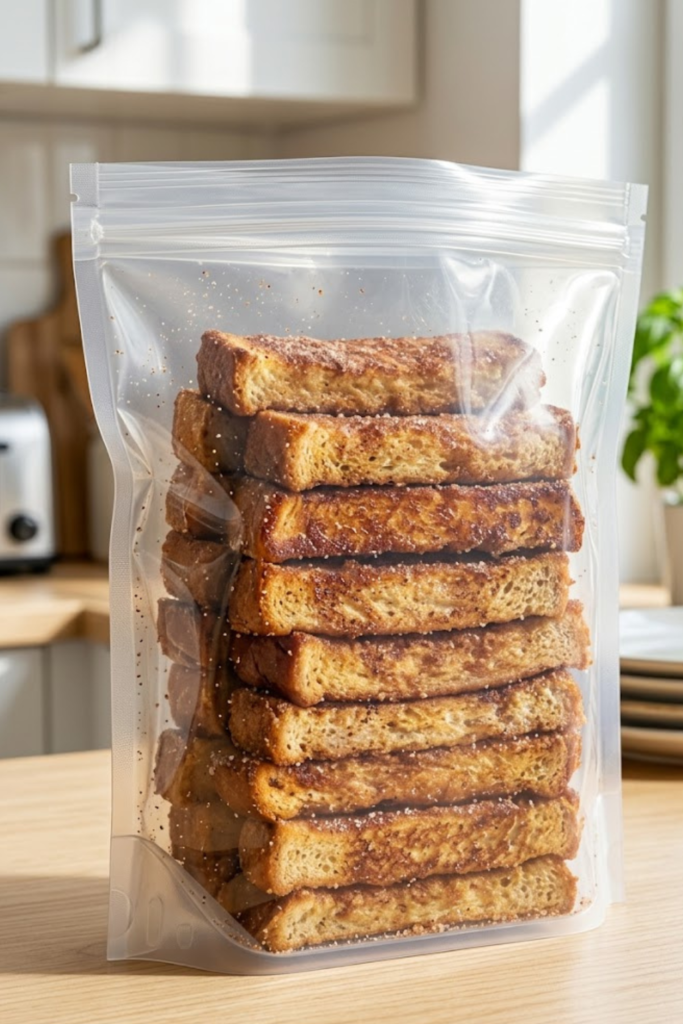
To do this right and keep your breakfast looking good, you have to use a technique called flash freezing. After you’ve coated your sticks in that delicious cinnamon sugar and let them cool down on a wire rack for a few minutes, lay them out in a single layer on a big baking sheet. Make sure they aren’t touching each other at all. Put the whole tray in the freezer for about two hours. This freezes the outside of each stick individually so they don’t bond together. Once they are hard as rocks, you can dump them all into a freezer-safe bag. Because they were frozen separately, they won’t stick together. You can just reach in and grab exactly two or three sticks whenever you need them without having to thaw the whole bag.
Proper Storage Tips
When you put them in the freezer bag, try to get as much air out as possible. Air is the enemy of frozen food because it causes freezer burn, which makes the bread taste like ice cubes. I usually use a straw to suck out the last bit of air before sealing the bag tight. I also write the date on the bag with a marker. These stay good for about a month, though in my house, they usually get eaten within a week. Having a bag of these ready to go makes the kitchen feel a lot less chaotic on a Monday morning. It’s like giving a gift to your future self.
Skip the Microwave for Best Results
When it’s finally time to eat, please stay away from the microwave. I’ve tried it, and the results are always a bit sad. The microwave makes the bread rubbery and the sugar turns into a sticky, syrupy mess that loses its crunch. If you want that “just cooked” feeling, use your air fryer or a toaster oven instead. Set it to 350 degrees and pop the frozen sticks in for about four to five minutes. The air fryer is especially great because it circulates the heat and makes the outside crispy again while keeping the inside nice and soft. It’s almost better than when they are fresh off the pan! If you don’t have an air fryer, the regular oven works too, just give it a few extra minutes to heat through. Your family will think you woke up early to cook, and you can just enjoy your coffee in peace.
Bringing the Magic to Your Breakfast Table
Well, we’ve covered a lot of ground today! From picking out the right loaf of bread to mastering the art of the perfect sizzle, I hope you feel ready to tackle french toast sticks with cinnamon sugar in your own kitchen. I know it might seem like a lot of steps for a simple breakfast, but once you get into the rhythm of it, it becomes second nature. I’ve been making these for years now, and every time I see my family’s faces light up when they smell that cinnamon in the air, I know it was worth the effort. It’s those little moments, like sitting around the table with a plate of warm sticks and some maple syrup, that really make a house feel like a home.
Why Homemade Always Wins
You could always go out and buy a box of the frozen kind, but they just don’t have the same soul. There is something special about knowing exactly what went into your food. You picked the bread, you whisked the eggs, and you tossed the sugar yourself. It tastes better because it was made with care. Plus, you get to customize it! If you want extra cinnamon, you add it. If you like yours extra crispy, you leave them in the pan for another thirty seconds. That kind of control is what makes cooking so much fun for me, and I bet it will be for you too. I always tell my students that the best ingredient in any recipe is the person making it.
A Quick Review for Success
Just remember the big points we talked about. Start with thick bread like brioche so it doesn’t fall apart. Make sure your custard is well-mixed so you don’t get those weird egg spots. Be patient with the heat on your stove—medium is the way to go! And most importantly, get that cinnamon sugar coating on while the sticks are still piping hot. If you follow those simple rules, you are going to have a breakfast that looks like it came straight out of a fancy cafe. Don’t be afraid to make mistakes either. I’ve burnt my share of toast, and that’s just part of the learning process. Each batch gets a little bit better than the last one.
Share the Breakfast Love
I really want to hear how these turn out for you! If you try this recipe and love it as much as I do, please take a second to save this post to your breakfast board on Pinterest. It helps other families find easy and delicious ways to start their mornings, and it helps me keep sharing these tips with all of you. There is nothing I love more than seeing photos of what you all are cooking up in your own homes. So, go grab a loaf of bread, get that pan heating up, and let’s make some breakfast memories together. You’ve got this, and I can’t wait to hear all about your successful morning!