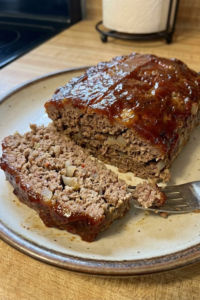
Do you remember walking into those old-school diners, the air thick with the smell of brewing coffee and sizzling onions? There is nothing—and I mean nothing—that hits the soul quite like a slab of diner style meatloaf. It’s the king of blue-plate specials! In fact, surveys often show that for over 60% of Americans, meatloaf is the ultimate comfort food definition. But why is the diner version always better than the dry brick we sometimes make at home? I’ve burnt a few loaves in my day to figure it out, but I finally cracked the code! We are going to dive deep into making a loaf that is tender, juicy, and draped in that sticky, sweet glaze we all crave. Let’s get cooking!
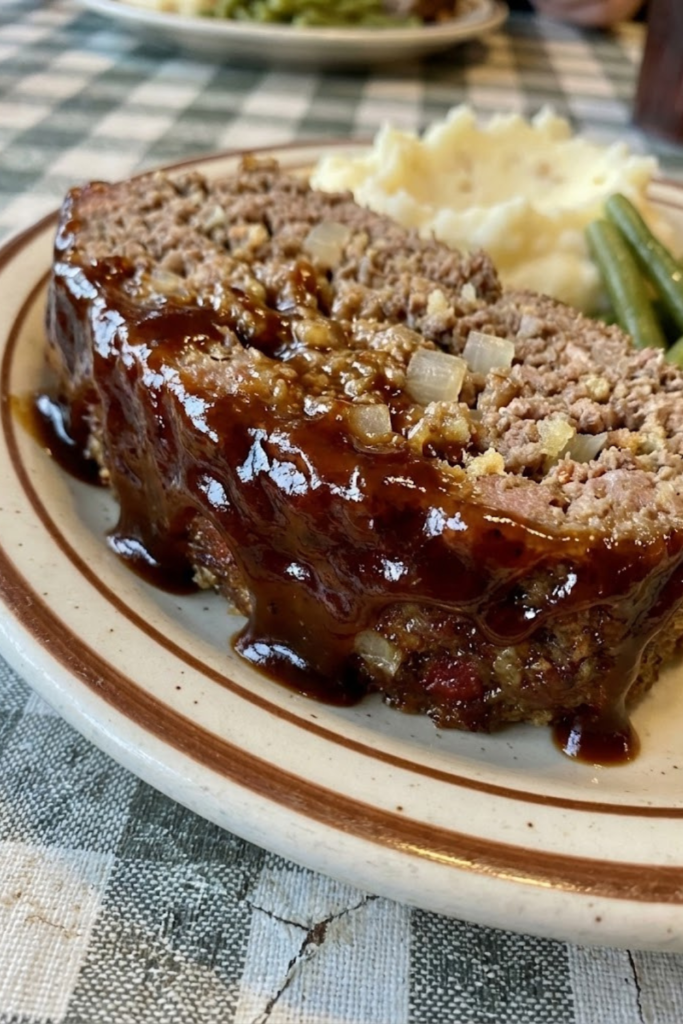
Mastering the Meat Blend: Beef, Pork, and Veal
I used to think meatloaf was just a big lump of ground beef shoved into a pan. Man, was I wrong. I remember the first time I tried to make a “healthier” version back in the day. I grabbed some super lean ground beef, like that 96% lean stuff, thinking I was doing myself a favor.
Big mistake.
I pulled that thing out of the oven, and it was tough as a boot. You could’ve used it to chock a tire on a steep hill. I was so frustrated I almost threw the whole pan in the trash right then and there! But, you live and you learn, right? The secret to that tender, juicy diner style meatloaf isn’t just about how long you cook it; it’s entirely about what meat you put in the bowl to start with.
The Holy Trinity of Meat
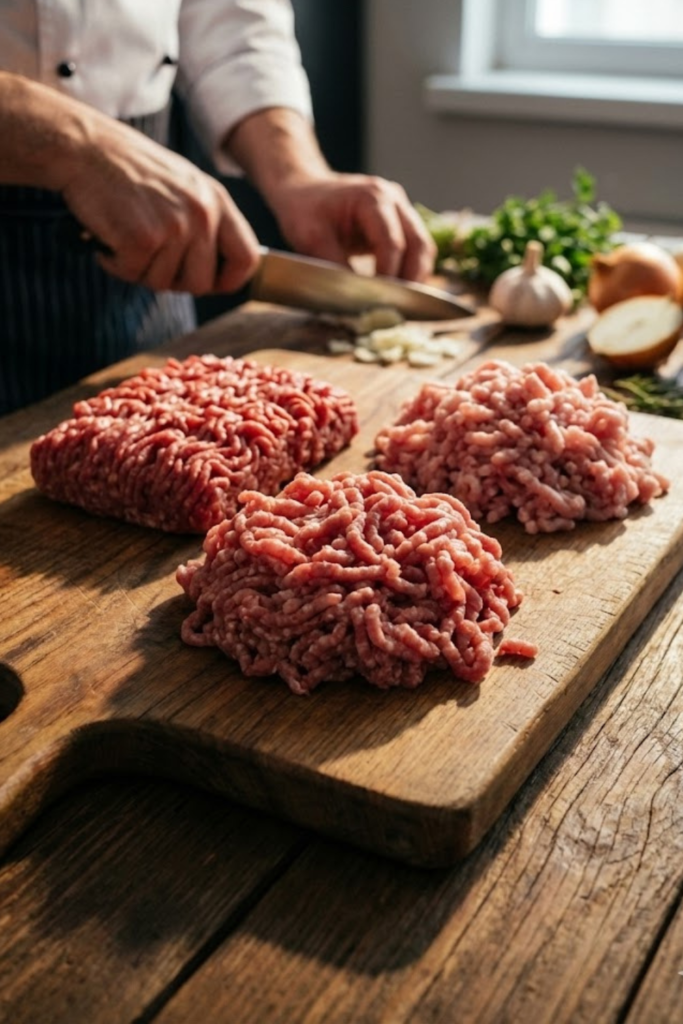
If you want that authentic diner taste, you can’t just stick to plain old cow. You gotta mix it up. Most classic diners use what we call a “meatloaf mix.” It’s usually a blend of beef, pork, and veal in equal parts.
Why does this matter? Well, each meat brings something different to the party.
- Beef gives you that hearty, savory flavor we all crave.
- Pork adds a natural sweetness and, more importantly, fat that keeps everything moist.
- Veal is full of gelatin, which helps bind the loaf together so it doesn’t crumble when you slice it.
I know veal can be hard to find or a bit pricey sometimes. If you can’t get your hands on it, don’t sweat it too much. Just doubling up on the pork works wonders too. The pork is really the heavy lifter here for texture.
Fat is Your Best Friend
Here is the hill I will die on: Fat is flavor.
When you are standing at the butcher counter, do not—I repeat, do not—reach for the lean ground beef. You want ground chuck, specifically the 80/20 blend (80% meat, 20% fat). It feels wrong if you’re used to buying lean, but trust me on this one.
When the meatloaf cooks, that fat renders down. It creates little pockets of moisture inside the loaf. If you use lean meat, there’s no fat to melt, and the fibers just tighten up into a dry brick. I’ve seen it happen too many times. That rendered fat is exactly what gives you that juicy meatloaf experience where it practically melts in your mouth.
Grinding It Out
If you really want to level up, ask your butcher to grind the meat fresh for you.
Store-bought ground beef is fine, I use it all the time. But sometimes it’s been sitting there compressed in the package for who knows how long. Freshly ground meat has a looser texture, which means you don’t have to work it as hard when you mix in your onions and spices. Overworking the meat is another fast track to a tough dinner, and nobody wants that.
So, don’t be shy. Ask the guy behind the counter for a fresh grind. It makes a difference you can actually taste. Just remember, we are aiming for comfort food heaven here, not a diet plate!
The Secret Binders: Keeping It Moist and Tender
You know what used to drive me absolutely crazy? I would spend all this money on good meat, seasoning it up perfectly, and then the moment I went to slice it—crumble city. It fell apart all over the plate like loose gravel. It was embarrassing, especially when I had company over.
I used to think adding more dry breadcrumbs would hold it together tighter. Turns out, that was the worst thing I could do. I was basically adding little sponges that sucked all the juice right out of the meat.
It took me a few “dry as a bone” dinners to realize that the binder isn’t just about glue; it’s about hydration. If you want a moist meatloaf that actually stays on the fork, you have to treat your binders with some respect.
The Magic of the Panade
Okay, don’t let the fancy French word scare you. A “panade” is just a paste made from starch and liquid. This is the single biggest game-changer I’ve found for keeping ground meat tender.
Instead of dumping dry crumbs into the bowl, you need to soak them first. I usually take a few slices of stale white bread—the cheap stuff works best—and tear them into chunks. Then, I pour enough milk over them to get them soggy.
Let it sit for about ten minutes. It’s gonna look like unappealing mush, but trust me, this is liquid gold. When you mix this panade into the meat, it keeps the protein strands from tightening up too much during cooking.
If you don’t have bread, crackers work too, but soak them! I’ve tried doing it without the soak, and the difference is night and day. The milk adds richness that water just can’t match.
Eggs are the Glue
Eggs are the other half of the equation. They act as the cement that holds the meatloaf ingredients together. But you have to be careful here.
Too many eggs and you end up with something that feels rubbery, kind of like a sponge cake made of beef. Gross, right? I usually stick to one large egg per pound of meat. It’s enough to bind without making the texture weird.
Beat the eggs lightly before you add them to the mix. It helps them distribute more evenly so you don’t have to overwork the meat. Remember, overworking is the enemy of tenderness.
Sneaky Moisture from Veggies
Here is a tip I learned the hard way. I used to chop my veggies into big chunks because I was lazy.
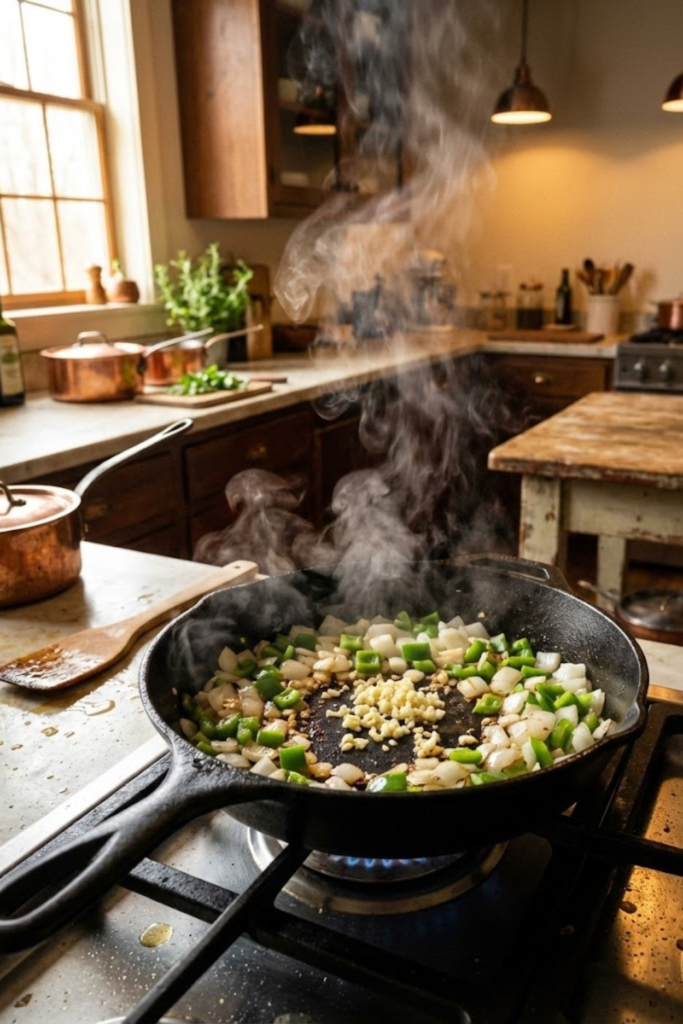
The problem is, big chunks of onion or celery don’t cook down enough inside the loaf. They stay crunchy, and the meat around them dries out. You want to dice those veggies super fine.
When they are small, they release water as they cook, steaming the loaf from the inside out. It adds this subtle moisture that keeps the tender meatloaf texture perfect. Plus, nobody bites into a raw piece of onion, which is a total mood killer.
So, grab your knife and get to chopping. It’s a little extra work, but your dinner guests will thank you.
Flavor Boosters: Seasoning Like a Short Order Cook
I’m going to be honest with you—my early meatloaves were boring. I mean, really boring. You could have blindfolded me and told me I was eating a hamburger patty that fell into a pot of boiling water, and I probably would have believed you. It was just… gray meat.
I spent years wondering why the diner style meatloaf down at the local greasy spoon tasted so explosive while mine tasted like cardboard. I thought maybe they had better meat or a magic oven.+1
The truth? I was terrified of seasoning. I used to sprinkle a little salt and pepper and call it a day. Big mistake. To get that restaurant-quality taste, you have to season like you mean it. You are flavoring a giant brick of protein, so a pinch here and there isn’t going to cut it.
Beyond Salt and Pepper
First off, put the salt shaker down for a second and grab the heavy hitters.
If you want that savory profile, you need garlic powder and onion powder. I know, I know—fresh garlic is “better.” But in a meatloaf? I actually prefer the powder. It distributes evenly throughout the mix so you don’t get a spicy chunk of garlic in one bite and nothing in the next. It just works better for the texture.+1
Also, don’t sleep on dried herbs. Dried thyme is the secret weapon here. It gives it that earthy aroma that fills the kitchen. A little paprika doesn’t hurt either; it adds a nice warmth and color so the meat doesn’t look so gray when you slice it.
Umami Bombs
This is the part where I felt like a mad scientist the first time I tried it. To really make the beef taste “beefier,” you need umami.
Worcestershire sauce is non-negotiable. I don’t care if you can’t pronounce it (I still struggle with it), just dump it in there. It adds a salty, tangy depth that salt alone can’t achieve. I usually go for about two tablespoons for a standard loaf.
Another trick I learned? A squirt of tomato paste right into the meat mix. It sounds weird, but it adds a rich acidity that cuts through the fat. Some people even swear by a splash of soy sauce. I tried it once when I was out of salt, and wow—it really woke up the flavors.
Sautéing Veggies First
Here is the hill I will die on, right next to the fat content debate. You absolutely must cook your vegetables before putting them in the meat mixture.
I used to just dice up raw onions and green peppers and throw them in. The result? Crunchy, watery vegetables inside a cooked meatloaf. It was gross. The onions never fully cooked, and they released water that made the meat mushy around them.
Now, I take five minutes to sauté my diced onions and green bell peppers in a little butter until they are soft and translucent. This does two things:
- It gets rid of the raw crunch.
- It caramelizes the natural sugars in the veggies, adding a sweetness that balances the savory meat.
Let them cool down before mixing them in so you don’t scramble the eggs, but definitely don’t skip this step. It’s a little extra effort, but it guarantees that flavor integration you’re looking for.
The Sticky Sweet Glaze: The Crown Jewel
You know what makes me sad? A naked meatloaf. I remember going to a potluck years ago, and someone brought a meatloaf that was just… brown. No sauce, no shine, just a dry-looking log sitting there on a platter. It looked like a giant hamburger that gave up on life.
I took a polite slice, but let me tell you, it was a struggle to get down. That is when I realized that the glaze isn’t just a garnish. It’s the whole point! The glaze provides that necessary acidic kick to cut through the heavy, fatty meat. Without it, you’re just eating a bowl of beef.
I’ve ruined a few glazes in my time—burnt them to a crisp or made them way too sour—but I’ve finally dialed in the perfect meatloaf glaze that mimics that sticky, sweet stuff you get at a diner.
The Classic Ketchup Base
Don’t try to get fancy here. I went through a phase where I tried using BBQ sauce or fancy chili pastes. They were okay, but they weren’t right.
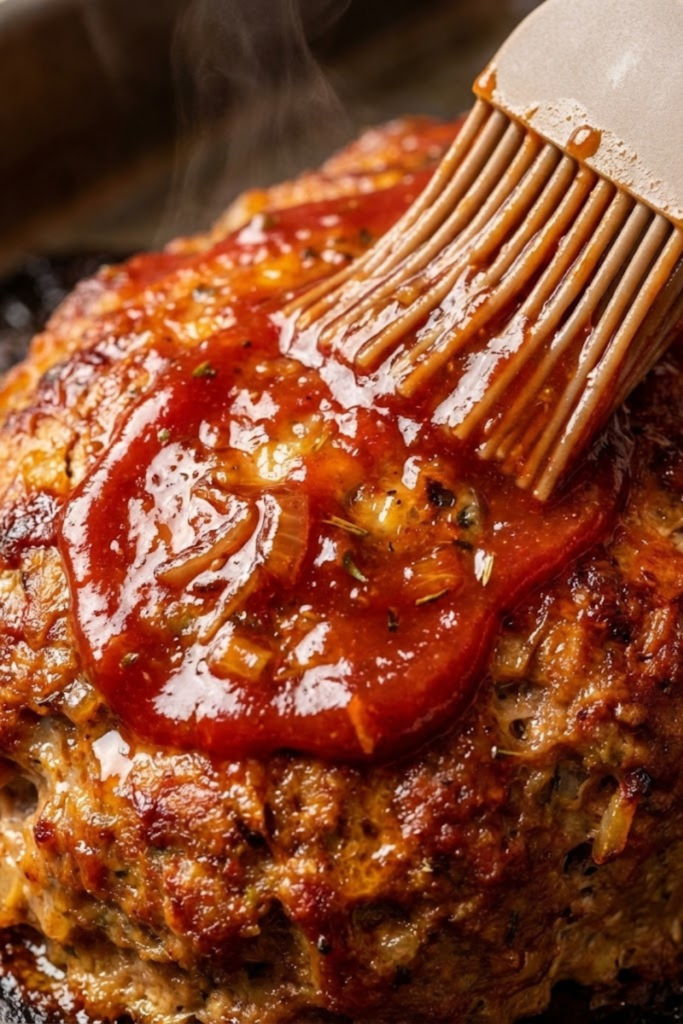
The classic diner flavor comes from a base of good old-fashioned ketchup. It sounds basic, but it works. To transform it from a condiment into a glaze, I mix:
- Ketchup (about half a cup)
- Brown sugar (for that molasses depth)
- Apple cider vinegar (to wake up your taste buds)
That brown sugar glaze creates a sticky coating that clings to the meat. If you want a little kick, throw in a dash of cayenne, but keep the base simple. It should taste sweet, tangy, and savory all at once.
Timing is Everything
Here is where I messed up for years. I used to slather the sauce on the raw meatloaf right before shoving it into the oven for an hour.
By the time the meat was cooked, the sauce was black. It was like beef frosting made of charcoal. Not appetizing. The sugar in the sauce burns way faster than the meat cooks.
Now, I play the waiting game. I bake the meatloaf naked (scandalous, I know) for the first 45 minutes. Then, I pull it out and spoon that ketchup glaze over the top generously. This gives it enough time to set and get sticky without turning into carbon.
The Broiler Risk
If you want that bubbly, slightly charred finish that looks like it came from a pro kitchen, you have to use the broiler. But be warned: the broiler is not your friend; it is a wild animal.
I usually pop the glazed loaf under the broiler for the last 2 minutes. I sit on the floor and watch it through the oven window the entire time. I’m not kidding.
One minute it’s perfect, and ten seconds later it’s ruined. You want the sugars to bubble and caramelize just enough to get tacky. That sticky layer is the best part of the meal, hands down. It seals in the juices and makes the whole house smell incredible.
Baking and Resting: The Patience Game
I used to think that to make meatloaf, you absolutely had to use a loaf pan. I mean, it’s in the name, right? So, for years, I jammed my meat mixture into that rectangular metal tin, shoved it in the oven, and hoped for the best.
And every single time, the result was kind of disappointing. The meat would be swimming in a pool of gray grease at the bottom of the pan. The sides would be soggy and pale because they never touched the hot air. It was less like roasting and more like steaming. It just wasn’t appetizing.
I finally ditched the loaf pan a few years ago, and I haven’t looked back. If you want a diner style meatloaf that actually has texture, you have to rethink how you bake it.
Free-form vs. Loaf Pan
Here is the deal: when you bake in a loaf pan, the meat steams in its own juices. While that keeps it moist, it prevents that delicious crust from forming on the outside.
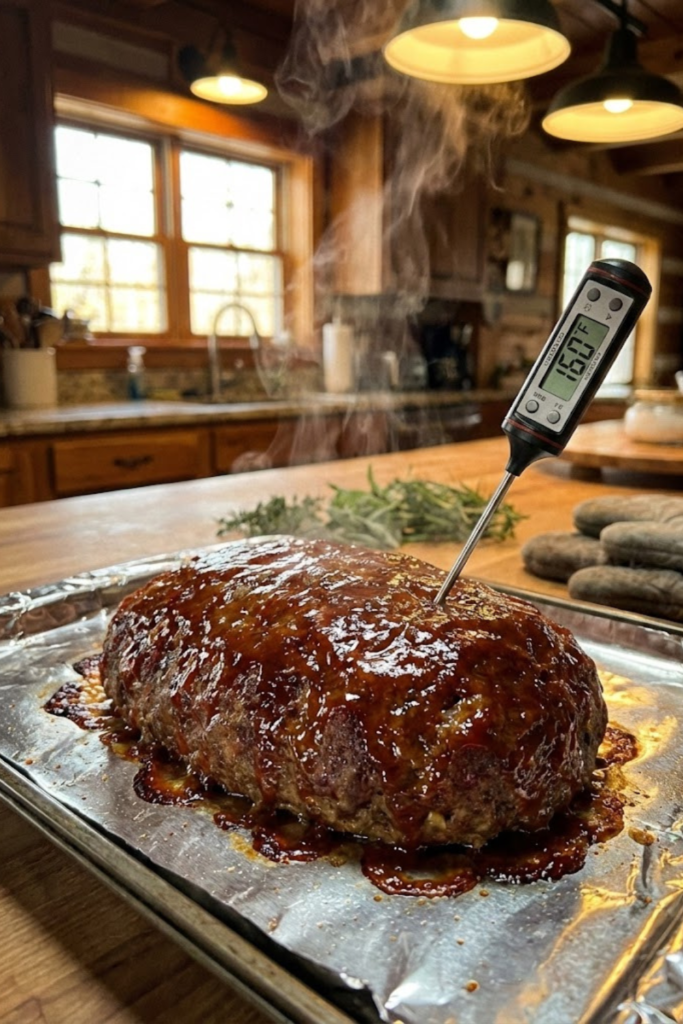
Now, I shape my meatloaf by hand right on a baking sheet lined with foil or parchment paper. I shape it into a nice, even log—usually about 9 inches long and 4 or 5 inches wide. This is often called sheet pan meatloaf.
By doing it this way, the hot oven air circulates all around the meat. The grease drains away from the loaf instead of soaking back into it, and the glaze gets sticky on the sides, not just the top. It creates a “bark” almost like a brisket, which is where all the flavor lives. Plus, cleanup is way easier when you can just toss the foil.
Don’t Guess, Measure
My grandmother used to say she could tell when the meat was done just by looking at it. Well, I don’t have those superpowers, and I’m betting you don’t either.
I used to be terrified of undercooking it, so I would leave it in until it was basically charcoal. Or, I’d slice into the middle to check, letting all the precious juice run out.
Stop guessing. Buy a digital meat thermometer. They are cheap and they will save your dinner. You want to pull the meatloaf temperature right when it hits 160°F (71°C).
Some people pull it at 155°F and let the carryover heat finish the job, but with ground meat, I like to be safe and hit the 160 mark. If you go past 165°F, though, you are entering dry territory, so keep an eye on it!
The Hardest Part: Doing Nothing
Okay, this is the part where I always struggle. The kitchen smells amazing, you’re starving, and that glazed masterpiece just came out of the oven. You want to cut a slice immediately.
Don’t do it!
If you slice into a hot meatloaf the second it leaves the oven, all the juices are going to run out onto the cutting board. Your moist meatloaf will turn dry in seconds.
The meat needs to rest. I usually tent a piece of foil loosely over the top and set a timer for 15 minutes. This allows the fibers to relax and reabsorb the juices. It also makes it way easier to slice without it crumbling apart. Go set the table or pour a drink while you wait. It’s worth the torture.
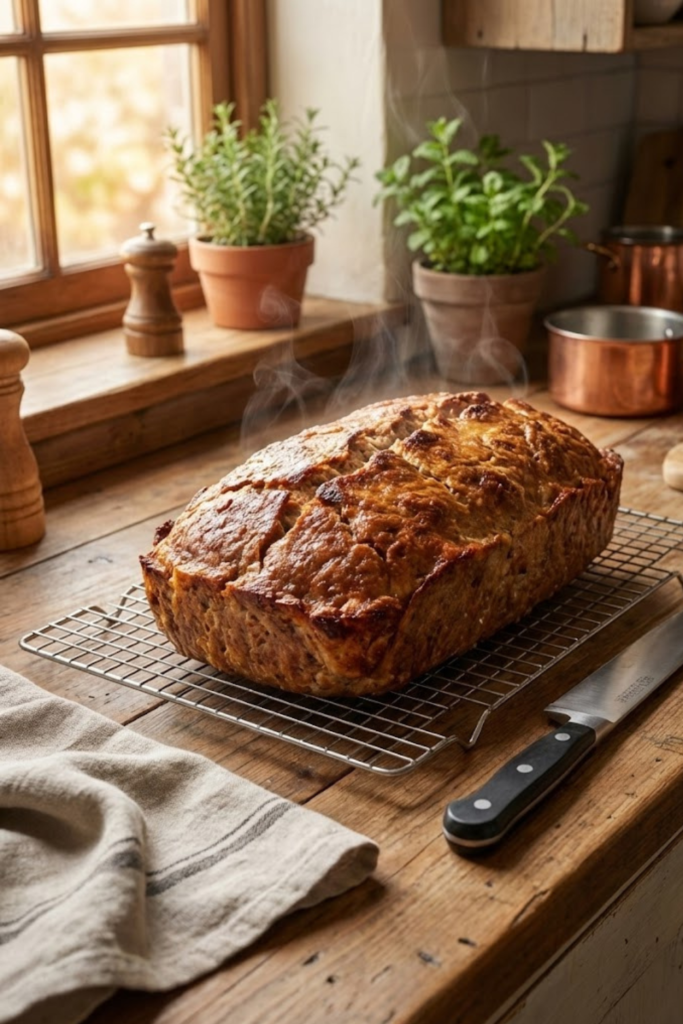
Well, there you have it. We’ve been through the grinder (pun intended) together, and hopefully, your kitchen is smelling like a roadside diner right about now.
Making a diner style meatloaf isn’t rocket science, but it definitely isn’t just throwing raw meat in a pan and crossing your fingers. It really comes down to those little details we talked about. I mean, who knew that soaking some cheap white bread in milk (the fancy “panade”) was the difference between a juicy slice of heaven and a dry doorstop? I sure didn’t for a long time.
And don’t even get me started on the glaze again. That sticky, sweet, caramelized top is the stuff dreams are made of. If you skipped the resting period, though, I’m gonna be a little disappointed in you! I know it’s hard to wait when you are hungry, but letting those juices settle is the only way to keep the flavor inside the meat where it belongs.
For me, this recipe is more than just dinner. It’s comfort food wrapped in nostalgia. It reminds me of those rainy Tuesday nights when I was a kid and nothing mattered except getting that corner piece with the extra sauce. I really hope this recipe finds a spot in your regular rotation and brings a little bit of that cozy feeling to your table.
If you dug this recipe (or if it saved you from another dry dinner disaster), do me a huge favor. Go ahead and pin this recipe on Pinterest. Save it to your “Family Dinner Ideas” or “Comfort Food” board so you don’t lose it. Trust me, when the craving hits in a few weeks, you’re gonna want to find this fast!