You know that sound? The aggressive sizzle of bacon grease hitting a hot cast iron pan on a lazy Sunday morning? That is the sound of happiness. I remember the first time I tried to wing a country breakfast skillet; I ended up with burnt onions and raw potatoes. It was a disaster! But after years of tweaking (and plenty of taste testing), I’ve found the sweet spot. This isn’t just breakfast; it’s a hug on a plate. Whether you are feeding a hungry crowd or recovering from a long night, this hearty dish delivers. In this guide, we are going to master the art of the perfect skillet—crispy edges, runny yolks, and all!
The Essential Ingredients for a Classic Skillet
Honesty time. The first time I tried to whip up a country breakfast skillet, I just threw whatever was in my fridge into the pan. It was a soggy, sad mess. I learned the hard way that the type of ingredients you use actually matters way more than how fancy your stove is or what brand of pan you have. You can’t just toss in salad potatoes and expect crispy magic to happen. It just doesn’t work that way. After ruining a few Sunday brunches, I finally figured out the specific lineup that works every single time.
Picking the Right Potato
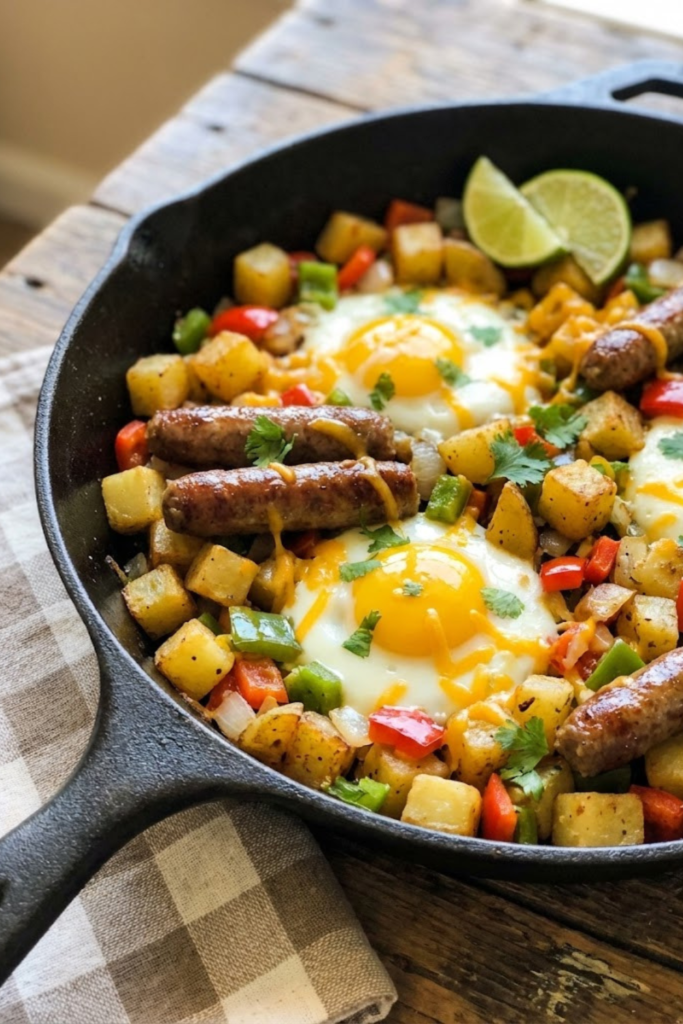
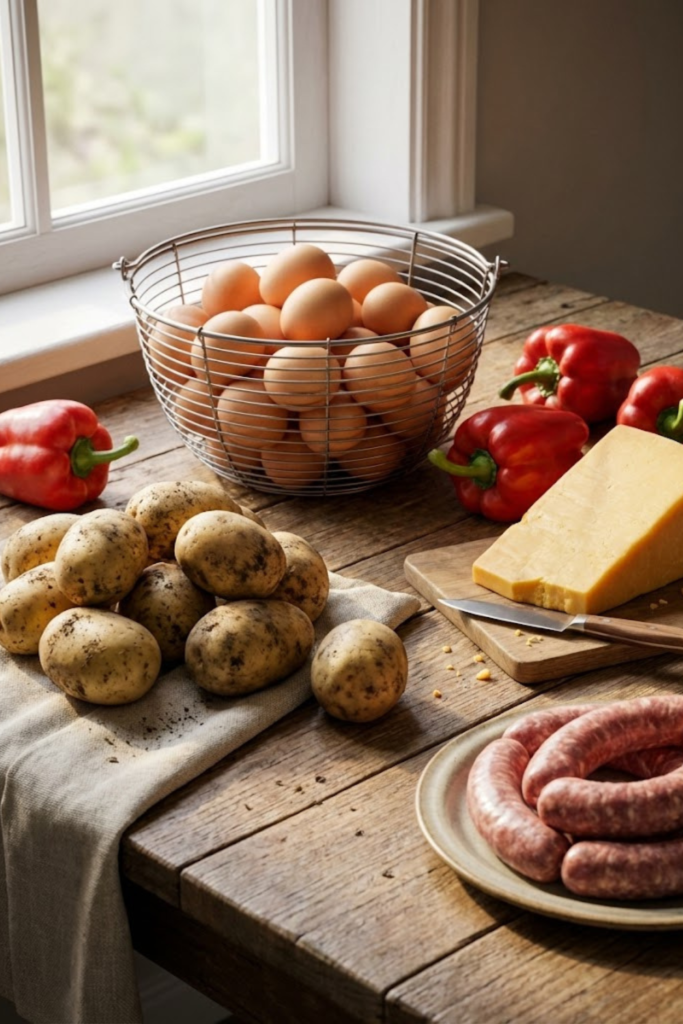
This is where most people mess up, and I was definitely one of them. I used to think a potato is a potato, right? Wrong. For a skillet that actually has some texture, you gotta go with Russet potatoes. Russets have a high starch content. This is crucial because it means they get fluffy on the inside while getting that golden crunch on the outside.
I tried red waxy potatoes once because they looked pretty at the store. They just turned into a heavy, oily gum in the pan. If you absolutely must, Yukon Golds are a decent runner-up because they hold their shape well, but they won’t get that same satisfying crunch. Also, don’t bother peeling them perfectly. I leave the skins on for that rustic look and extra flavor.
The Protein Base
You need fat to cook those potatoes right. That’s why I usually stick to pork breakfast sausage. When you brown the sausage first, it leaves behind delicious rendered fat. That fat is what flavors the vegetables later. It is often said that fat is flavor, and in this recipe, it is 100% true.
Bacon is also a solid choice, but make sure you chop it up into pieces before frying. I’ve tried using lean turkey bacon to save calories, but honestly? It just didn’t taste like a real country breakfast skillet without that savory grease to fry the potatoes in. Sometimes you just have to treat yourself to the real thing.
Don’t Skip the Aromatics
I had a phase where I thought I could skip the onions to save time chopping. My family noticed immediately and asked why it tasted “boring”. You need a yellow onion and a bell pepper to build the base flavor. Red peppers are sweeter and look nice, but green bell peppers give you that classic, savory diner vibe.
Garlic is optional, but I always toss in a minced clove or two near the end. Just don’t put the garlic in too early with the onions. It will burn and taste bitter before your potatoes are done.
Cheese and Eggs
Finally, the glue that holds it all together. I only use sharp cheddar cheese. Mild cheddar just gets lost in the heavy flavors of sausage and potatoes. You want that sharp bite to cut through the richness. As for eggs, use large ones. I usually crack them right into little wells I make in the hash. It helps them cook evenly without spreading all over the place.
Step-by-Step: How to Make a Country Breakfast Skillet
I used to think I could just toss raw potatoes into a hot pan and they would be done in ten minutes. Boy, was I wrong. They would always end up burnt black on the outside and crunchy-raw on the inside. Nobody wants that for breakfast. It took me a few tries to realize that a country breakfast skillet requires a bit of a plan. You can’t just wing it if you want that perfect diner-style finish. Here is how I do it now to make sure it comes out great every single time.
The Secret Pre-Cook Step
First thing you gotta do is the “par-boil.” It sounds like a fancy cooking term, but it just means boiling your potato cubes for about five minutes before they ever touch the skillet. This makes sure the middle of the potato is soft and fluffy. While the potatoes are boiling, I use that time to chop up my onions and peppers. Doing your chopping first is a big help because once that pan gets hot, things move fast and you don’t want to be scrambling around looking for a knife.
Searing the Meat and Veggies
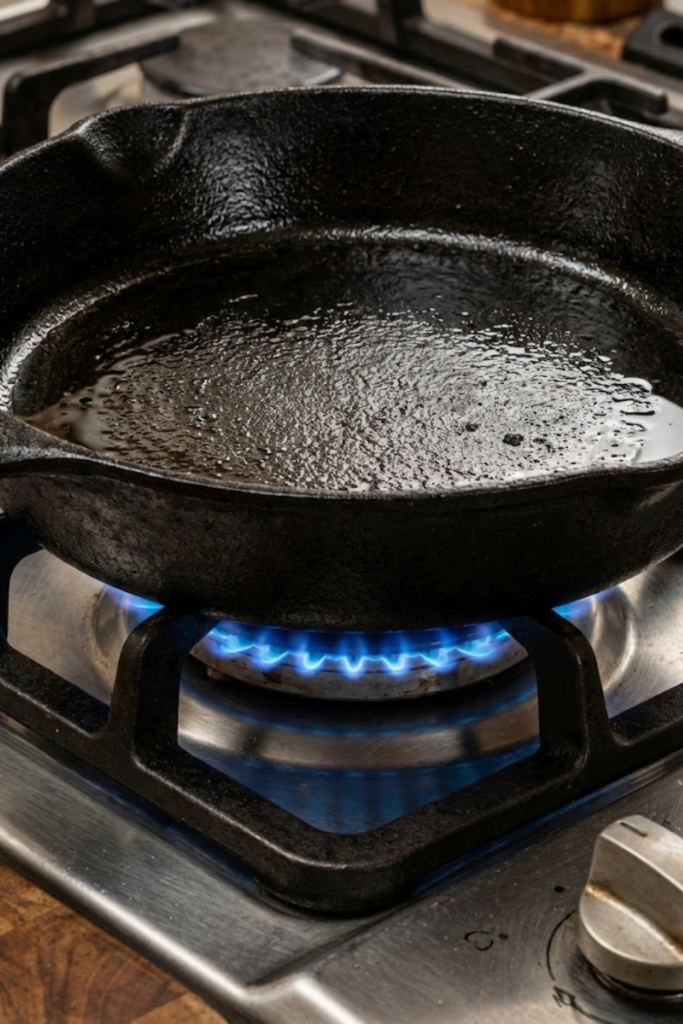
Next, get your cast iron skillet nice and warm over medium heat. Toss in your crumbled sausage or bacon. You want to cook it until it is brown and slightly crispy. Now, here is the important part: don’t you dare wash that pan! Take the meat out with a slotted spoon and leave that liquid gold—the grease—right there in the skillet.
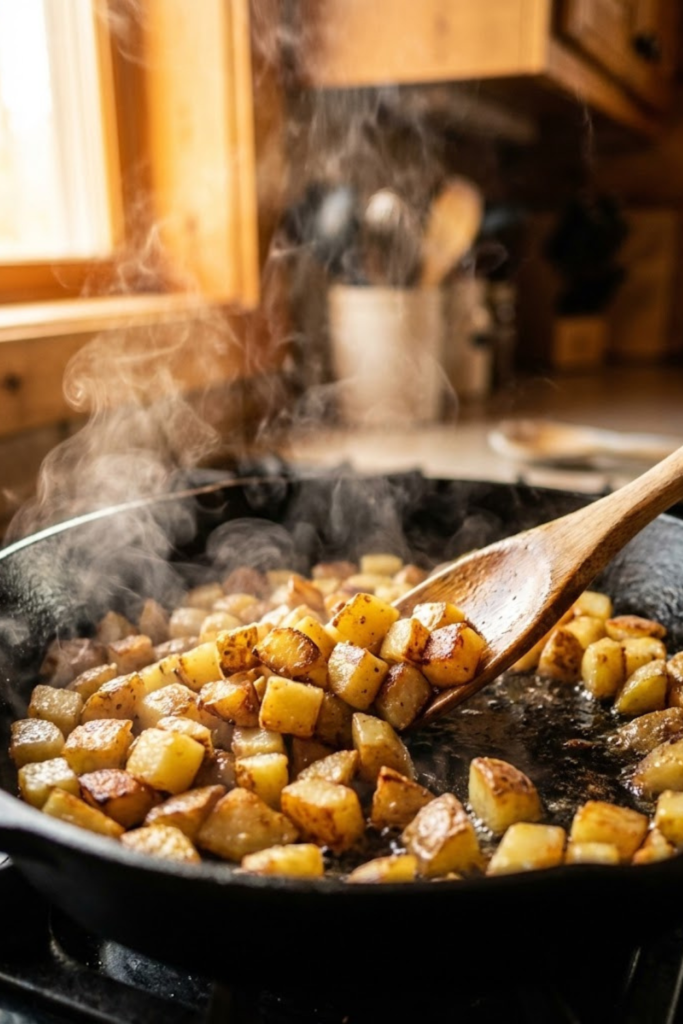
Throw your par-boiled potatoes into that grease. Let them sit for a few minutes without touching them. If you stir too much, they won’t get that crust we are looking for. Once they are golden, push them to the side and toss in your peppers and onions. They only need about four or five minutes to get soft and sweet.
The Final Layering and Eggs
Finally, mix everything back together. Use the back of your spoon to make four little “nests” or holes in the mixture. Crack an egg into each one. I like to put a lid over the skillet for about three minutes. This steams the tops of the eggs so the whites set but the yolks stay nice and runny. Sprinkle your sharp cheese on right at the end so it just barely melts over the whole thing. It is a beautiful sight, honestly. Just serve it right out of the pan!
Cast Iron Care: The Secret to Perfect Crust
I honestly used to be terrified of cast iron. I thought it was some kind of ancient tool that only professional chefs or mountain men used. I sticked to my non-stick pans for years because they just seemed easier to deal with. But no matter how hard I tried, my country breakfast skillet always looked like a pile of soft, mashed potatoes. It never had that dark, crispy crust that makes you want to lick the plate. That all changed when I finally bought a cheap cast iron pan at a yard sale. It turns out, that heavy piece of metal is the whole secret to a good breakfast.
The Power of Heat Retention
The big problem with thin aluminum pans is that they lose their heat the second you put food in them. You drop those cold, chopped potatoes in, and the pan temperature crashes. Instead of searing, the potatoes just sit there and steam in their own juices. That is how you get soggy, grey breakfast hash. A cast iron pan is thick and heavy. It holds onto heat like a radiator. Once it gets hot, it stays hot even when you fill it up with ingredients. This helps you get those brown, crunchy edges on every single piece of potato. It makes the sausage snap better and keeps the eggs from getting rubbery.
Don’t Rush the Preheat
One mistake I see my students and friends make all the time is being too impatient. I’m guilty of it too! You’re hungry, it’s Sunday morning, and you just want to eat. But you really have to let that pan sit on the burner for at least five or six minutes before you add any oil or butter. I usually do the “water drop” test to check it. I flick a few drops of water onto the black surface. If they dance and sizzle away immediately, the pan is ready. If they just sit there and bubble slowly, you gotta keep waiting. Starting with a cold pan is the fastest way to make your eggs stick to the bottom like glue, and nobody wants to scrub that off.
Cleaning After the Mess
People always ask me, “But isn’t it hard to clean?” Especially when you have melted cheese and eggs in there! If your pan is seasoned right, it’s actually easier than you think. After I finish my skillet, I let it cool down just a little bit so I don’t burn myself. I never use soap unless I have a massive disaster. I just use a stiff brush and very hot water. If there are bits of egg stuck, I pour in a little coarse salt and some oil and scrub it hard with a folded paper towel. The salt acts like a scrub brush without scratching the surface or ruining the seasoning. Dry it immediately on a warm stove so it doesn’t rust, and you’re good for next time.
Variations to Customize Your Morning Feast
I get bored eating the same thing every morning, even if it is a classic country breakfast skillet. After you make this recipe a few times, you’ll start seeing your kitchen like a big puzzle. You can swap pieces out to fit your mood or whatever you have left over in the fridge. Sometimes I want something that wakes me up with a kick, and other times I want something a bit lighter because I know I’m going to have a big dinner later. Here are my favorite ways to change things up when the basic sausage and potato mix feels a bit too “everyday.”
The Spicy Southwest Kick
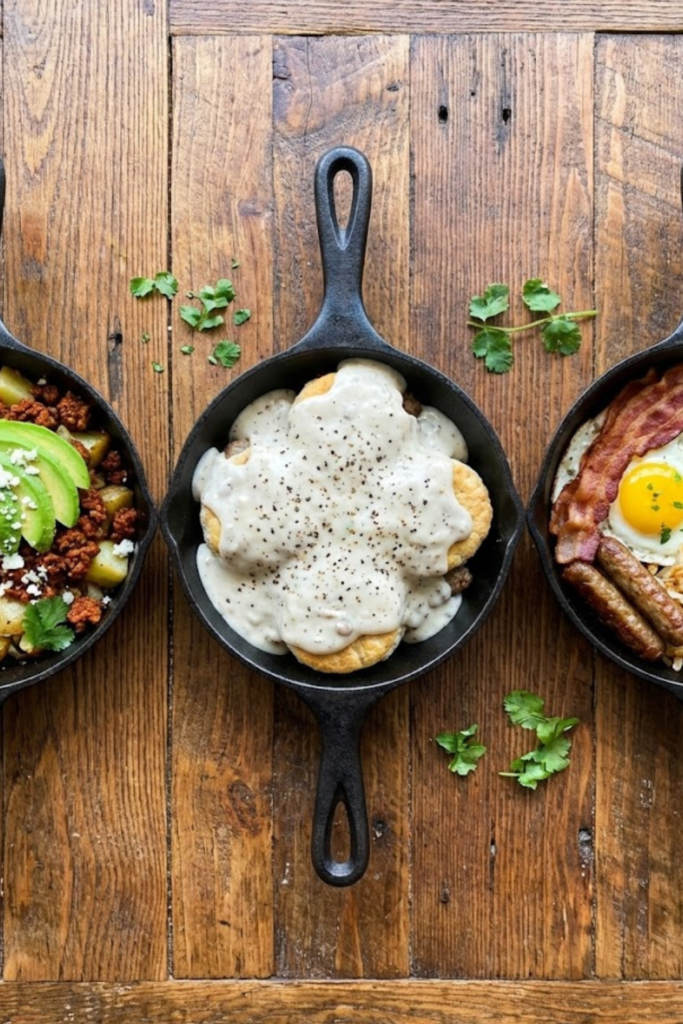
If you like a bit of heat, swap the breakfast sausage for spicy chorizo. This is probably my favorite way to change the recipe. Chorizo has a lot of red oil that makes the potatoes turn a beautiful orange color while they fry. I usually add some canned black beans—make sure you drain them first so things don’t get soggy—and a small can of diced green chiles. Once it is all cooked, I top the whole skillet with fresh avocado slices and a big spoonful of cold sour cream. The mix of the hot, spicy meat with the cold cream is just perfect. If you have some cilantro in the drawer, chop that up and throw it on top too. It makes the whole meal feel like something you’d get at a fancy brunch spot in a big city.
Keeping it Green and Healthy
I know a skillet full of sausage and cheese isn’t exactly “diet food,” but you can make it a lot lighter if you want to. My wife loves it when I use sweet potatoes instead of regular Russets. They don’t get quite as crispy, but they have a great flavor that goes well with kale or spinach. I usually wilt a few handfuls of greens right at the end before I add the eggs. Instead of heavy pork sausage, you can use smoked turkey sausage or even just double up on the mushrooms. Sliced mushrooms give you that “meaty” texture without all the heavy grease. It’s a great way to get some veggies in before noon without feeling like you are eating a salad.
The Gravy Boat Special
This is the “special occasion” version. If it’s a holiday or a really cold rainy morning, I go all out. I make a separate batch of white pepper gravy while the skillet is cooking. Once the eggs are set and the cheese is melted, I pour that thick gravy right over the top of everything. It’s heavy, it’s messy, and it’s absolutely delicious. You probably won’t want to move for an hour after eating it, but sometimes that’s exactly what a weekend is for. Just make sure you have plenty of black pepper in that gravy; it really brings out the flavor of the potatoes and makes the whole house smell like a farmhouse kitchen.
At the end of the day, making a country breakfast skillet is about more than just filling your stomach before you head out the door. It is about that feeling of a slow morning where you don’t have to be anywhere in a rush. I’ve spent many years trying to find the “perfect” breakfast, and I keep coming back to this one because it’s just so honest. There aren’t any hidden tricks or expensive tools needed—just a hot pan, some basic groceries, and a little bit of patience. If you’re like me and you hate doing a mountain of dishes after a big meal, this one-pan wonder is going to become your new best friend. It’s a complete meal that actually feels like home.
I really hope you give this a shot, even if you’ve never used a cast iron skillet before or if you’re worried about burning the onions. Don’t let the fear of making a mess stop you. I’ve burned more potatoes than I care to admit, but each time I learned something new about how my stove works or how much oil I actually need. That’s the best way to learn! If the eggs aren’t perfectly runny the first time, they’ll still taste great with all that melted cheese and savory sausage. Cooking should be fun, not something that makes you feel stressed out.
This dish has a way of bringing people into the kitchen. There is something about the smell of sizzling bacon and frying potatoes that acts like a magnet for family members. Before you know it, everyone is standing around the stove with a fork in their hand, waiting for those eggs to set. It is a great way to start a conversation and just check in with each other. Whether you make the classic version or try one of the spicy variations I mentioned, I know you’re going to love having this in your rotation.
If you enjoyed this guide and want to help others find a great weekend meal, I would really appreciate it if you shared it! Pin this recipe to your Breakfast & Brunch board on Pinterest so you can find it easily the next time you have a bag of potatoes and a hungry family to feed. Happy cooking, and I hope your next breakfast is the best one yet!