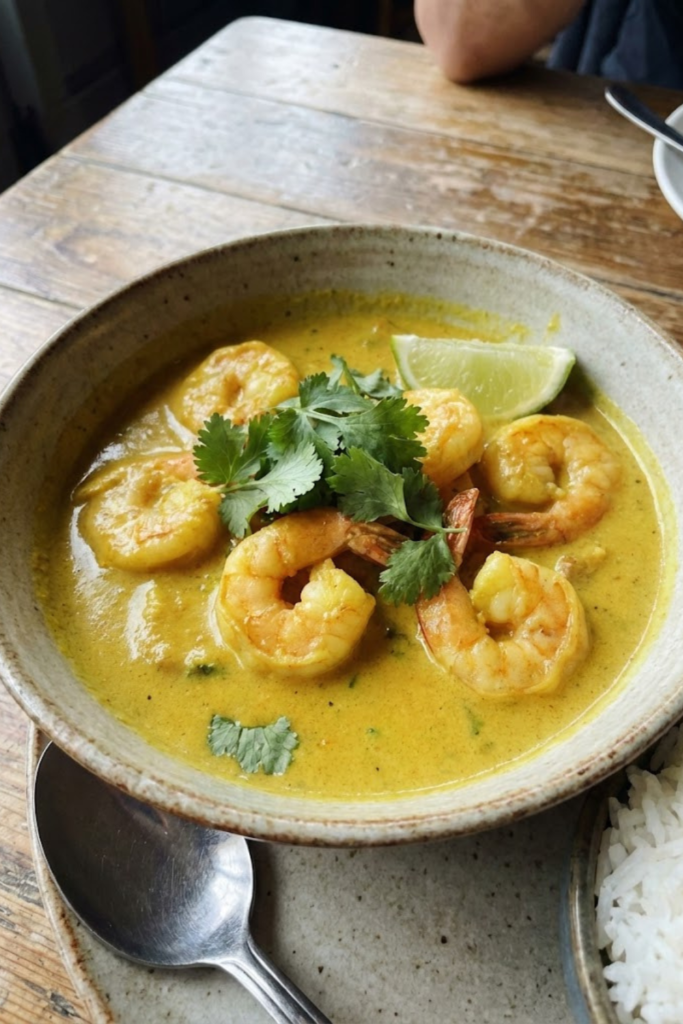
Ever feel like your weeknight dinners are stuck on a boring loop? I’ve totally been there! But let me tell you, this coconut curry shrimp is about to shake things up in the best way possible. Did you know that turmeric, a key ingredient in curry, has been used for over 4,000 years to boost moods? Okay, so I can’t promise it will solve all your problems, but one bite of this creamy, golden sauce might just make you forget them for a while! We are going to create a dish that bursts with flavor and brings the warmth of the tropics right to your kitchen table.
Gathering the Freshest Ingredients for Your Curry
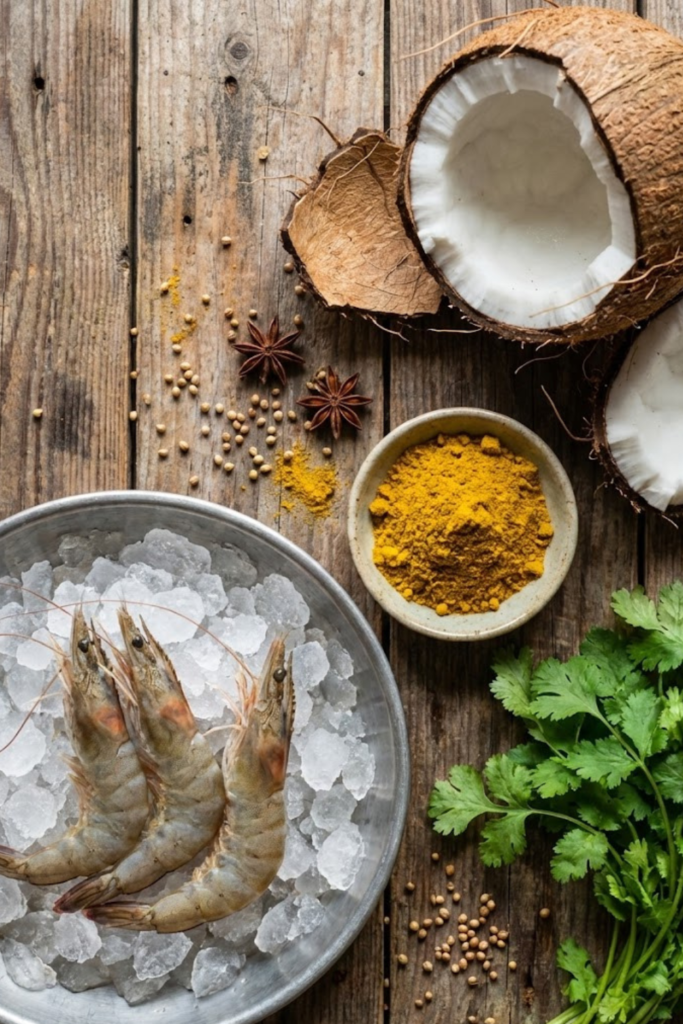
I have a confession to make. The first time I tried to make a curry dish, I just grabbed whatever was cheapest at the grocery store. I ended up with tiny, rubbery shrimp and a sauce that looked more like murky water than a rich curry. It was a total dinner fail! Over the years, I’ve learned that for a truly killer coconut curry shrimp, the magic really happens in the grocery aisle before you even turn on the stove.
Picking the Right Shrimp
Let’s talk about the star of the show. I used to think “fresh” shrimp from the seafood counter were always better. But here is a little secret I learned: most of that “fresh” shrimp was previously frozen and just thawed out at the store. Unless you live right on the coast, you are actually better off buying a bag of frozen jumbo shrimp.
Look for the bag that says “IQF” or Individually Quick Frozen. This locks in the freshness way better. Also, size matters here! I always go for the 16/20 count (which means 16 to 20 shrimp per pound). If you get the tiny ones, they overcook in seconds and get tough. We want juicy, plump bites for this coconut curry shrimp recipe, not chewy little erasers.
The Coconut Milk Mistake
Okay, this is where I messed up big time in the past. Do not, I repeat, do not buy the coconut milk in the carton that is meant for cereal or coffee. I did that once, and the sauce never thickened. It was heartbreaking.
You need the canned stuff. And specifically, you want full-fat coconut milk. I know, we are all trying to be healthy, but the “lite” version just doesn’t carry the flavor right. The fat is what makes the spices sing and gives you that velvety texture. When you shake the can, you shouldn’t hear much sloshing. That’s how you know the good cream has separated at the top, which is exactly what we want.
Spices and Aromatics
Check the expiration date on your yellow curry powder. If you’ve had that jar since 2018, throw it out! I’m guilty of hoarding spices, but old curry powder tastes like sawdust. Treat yourself to a fresh jar; it makes a huge difference.
Also, don’t use powdered ginger if you can help it. Fresh ginger adds a zing that powder just can’t match. A quick tip I picked up: use the edge of a spoon to peel the ginger skin. It’s way easier than using a knife and you don’t waste as much of the root.
Veggie Add-ins
While the coconut curry shrimp is the main event, I love throwing in some red bell peppers for a crunch and a pop of color. It just makes the bowl look so appetizing. You can also toss in some spinach at the very end just to wilt it down. It’s an easy way to sneak in some greens without anyone complaining. Getting these ingredients right is half the battle won, believe me.
Mastering the Art of Preparing Shrimp
I used to be totally intimidated by raw shrimp. Honestly, they look a bit like little aliens, don’t they?. But after making this coconut curry shrimp about a hundred times, I’ve realized that how you prep these little guys makes or breaks the dish. There is nothing worse than biting into a piece of shell when you are trying to enjoy a creamy curry.
Cleaning and The “Gross” Part
If you bought fresh shrimp with the shell on, you have some work to do. I remember one time I was in a rush and didn’t devein the shrimp properly. My husband didn’t say anything, but I saw him picking at his food. It was mortifying!.
The “vein” running down the back is actually the digestive tract (yeah, poop). You want that gone.. Use a small paring knife to make a shallow cut along the back and pull it out with the tip of the knife. If you are squeamish like me, just buy the “EZ peel” kind that are already split down the back. It saves so much time and sanity..
To Tail or Not to Tail?
This is a huge debate in the food world. Restaurants love leaving the tails on because it looks fancy and makes the shrimp appear bigger. But let’s be real for a second..
When I’m eating coconut curry shrimp, I want to scoop up a big spoonful of rice, sauce, and shrimp and shove it in my face. I don’t want to get my fingers messy pulling tails off mid-meal.. For this recipe, I highly recommend pulling the tails off before you cook. Your guests might not get that “chef-y” visual, but they will thank you when they can eat without getting sauce under their fingernails..
Marination Magic
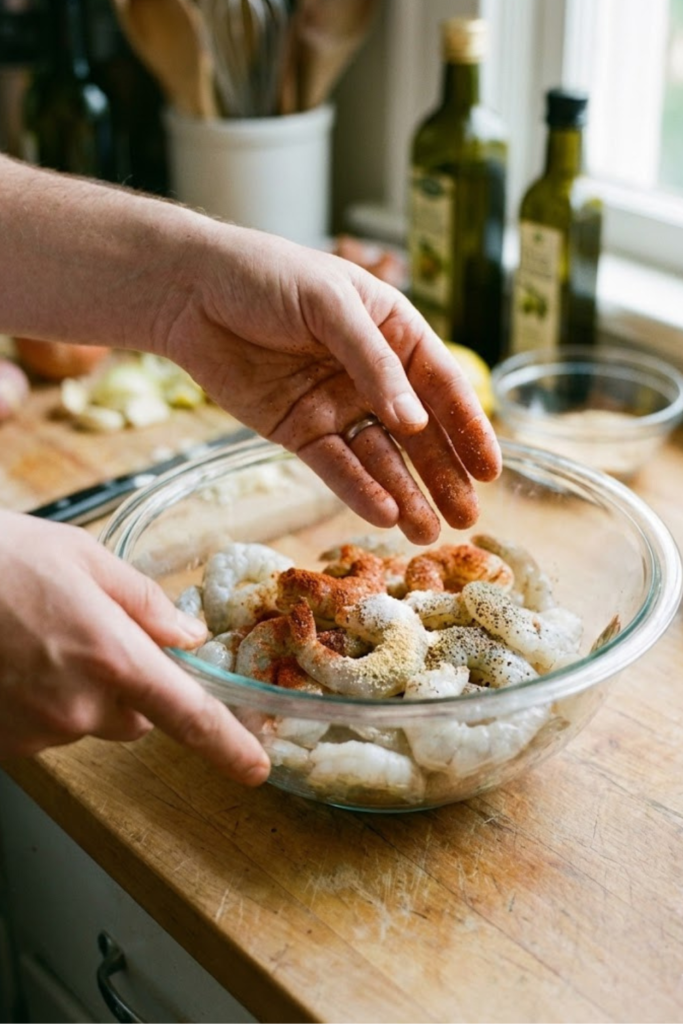
Here is a mistake I made for years: throwing plain, raw shrimp directly into the sauce. They end up tasting bland on the inside even if the sauce is great..
Toss your cleaned shrimp in a bowl with a pinch of salt and a little squeeze of lime juice while you chop your veggies. Just don’t let them sit for too long!. If you leave them in lime juice for more than 15 minutes, the acid will start to “cook” them (like ceviche) and the texture gets weird and mushy.. A quick 10-minute soak is the sweet spot.
The Fear of Rubberiness
Overcooked shrimp are the worst. They turn into rubber bullets. I have chewed on way too many tough shrimp in my life because I was afraid of undercooking them..
Here is the trick I teach everyone: Watch the shape..
- If the shrimp curls into a “C” shape, it’s Cooked perfectly.
- If it curls tight into an “O” shape, it’s Overcooked.
Shrimp cook fast—like, 2 to 3 minutes fast. Do not walk away to check your phone!. Stand there and watch them turn pink and opaque. The second they hit that “C” shape, get them off the heat. It is better to pull them a few seconds early, as they will keep cooking in the residual heat of the sauce..
Simmering the Perfect Coconut Curry Sauce
If the shrimp are the stars, the sauce is the stage they dance on. I remember the first time I made this, I just dumped everything into the pot at once and boiled the heck out of it. The result? A separated, oily mess that looked unappealing and tasted “meh.” I was so frustrated I almost ordered pizza. But I figured out that building a great coconut curry shrimp sauce is all about layering.
Waking Up the Spices
You cannot just dump raw curry powder into liquid and expect it to taste good. It tastes powdery and flat. You have to “bloom” your spices first. This was a game-changer for me.
Heat your oil and add the curry powder, garlic, and ginger before you add the coconut milk. Let them sizzle for about a minute. The smell hitting your face should be intense! That heat releases the essential oils in the spices. Just don’t burn it—burned garlic tastes bitter and nasty. If it starts getting too dark, get that coconut milk in there ASAP to cool things down.
The Balancing Act
Thai and Indian cooking are all about balancing four flavors: salty, spicy, sour, and sweet. Once you pour in your coconut milk, take a spoonful and taste it. It might taste a bit rich and heavy.
This is where you play chemist. I always add a teaspoon of brown sugar to cut the heat and a splash of fish sauce for that deep savory flavor (umami). If you don’t have fish sauce, soy sauce works in a pinch, but fish sauce is the secret weapon here. And don’t forget the lime juice! That hit of acid wakes the whole dish up. Keep tasting until your mouth waters.
Don’t Boil It to Death
Here is a mistake I see people make constantly. They crank the heat up to high to get dinner on the table faster. Please don’t do that with coconut milk.
If you boil full-fat coconut milk too hard, the oil separates from the water, and your sauce will look curdled. It’s still edible, but it’s not pretty. Keep the heat on low or medium-low. You want a gentle simmer, just a few lazy bubbles popping on the surface. We want a smooth, velvety sauce to coat our coconut curry shrimp, not a broken, grainy soup.
The Final Reunion
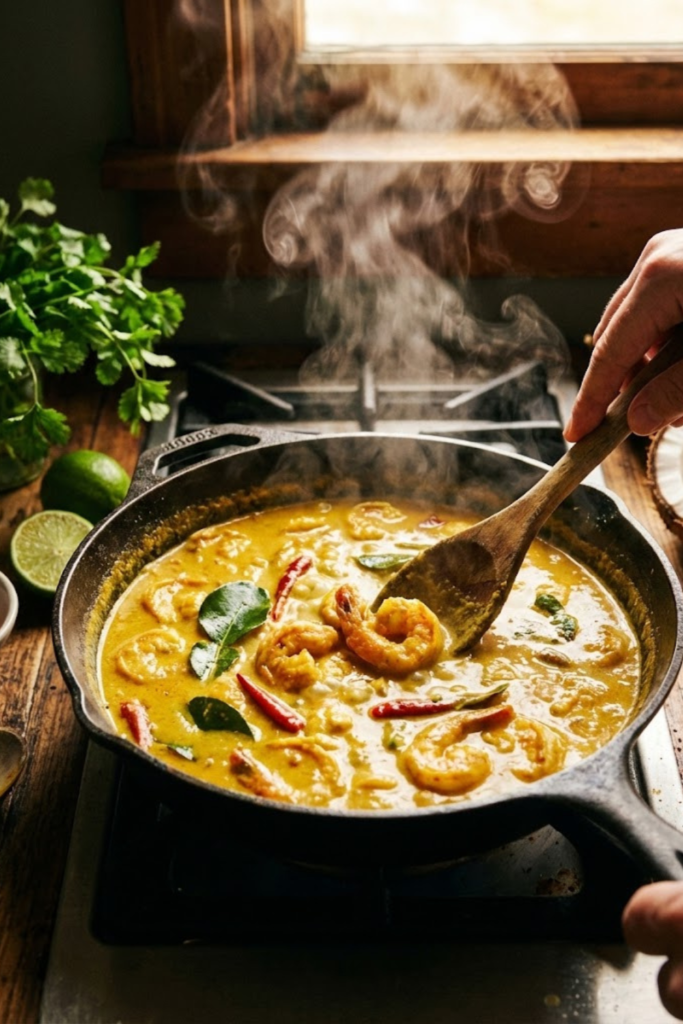
Once the sauce has thickened slightly—usually about 5 to 7 minutes—it’s time to reunite it with the shrimp. Since we don’t want to overcook them, slide the shrimp into the hot sauce and let them gently poach.
They will soak up all those incredible flavors in just a few minutes. This is the moment where the magic happens. The sauce turns a beautiful golden color, the shrimp turn pink, and you realize you just made something restaurant-quality in your pajamas.
Serving and Pairing Your Curry Creation
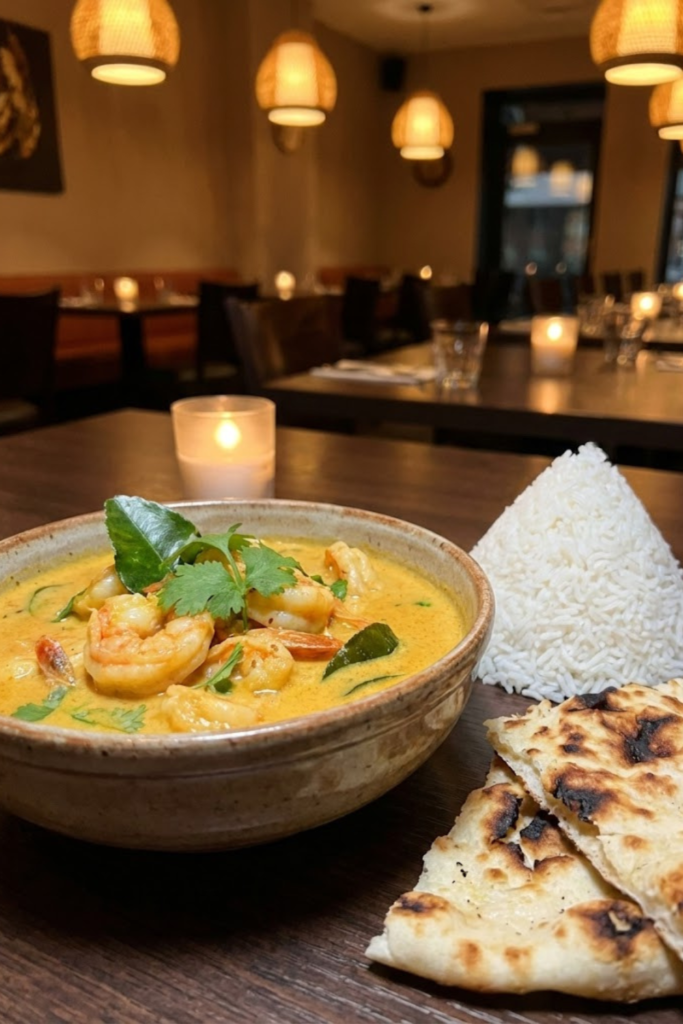
You have spent 30 minutes making this incredible coconut curry shrimp, so please, I am begging you, do not serve it with instant mushy rice. I made that mistake once when I was rushing to get dinner on the table. It was like putting a diamond necklace on a burlap sack. The sides are just as important as the main event because they help soak up that liquid gold sauce.
The Rice Situation
For this dish, texture is everything. You want a rice that is fluffy and separate, not sticky and clumpy. Jasmine rice is my absolute go-to here. It has that floral aroma that pairs so well with the coconut milk.
If you want to be a bit healthier, I have actually tried this with cauliflower rice. I was skeptical at first—I love my carbs—but the sauce is so flavorful you honestly barely notice the difference. Just don’t overcook the cauliflower or it smells like old socks. Pan-fry it quickly so it keeps a bit of a bite.
The Vessel for the Sauce (Bread!)
In my house, we have a rule: no sauce left behind. The spoon can only do so much. You need some warm Naan bread to really get in there and clean the bowl.
I usually just buy the garlic Naan from the grocery store and toast it in the oven for a few minutes. If you can’t find Naan, a piece of crusty baguette works too, though it’s less traditional. There is something so satisfying about ripping off a piece of warm bread and dunking it into the spicy, creamy yellow sauce. It’s my favorite part of the meal, hands down.
Garnishing for the ‘Gram
Let’s be honest, curry can look a bit… brown. Or monochromatic yellow. It tastes amazing, but it needs a facelift before you serve it.
I always keep fresh cilantro and a lime on hand. A handful of chopped cilantro adds a fresh, herbal contrast to the rich coconut milk. If you have that gene that makes cilantro taste like soap (my sister has that, poor thing), use thin slices of green onion or fresh basil instead. And squeeze that extra lime wedge right before you take the first bite. The acidity cuts through the fat perfectly.
What to Drink?
If it’s a Friday night, I am pouring a glass of crisp Riesling or Pinot Gris. The sweetness in the wine balances the spice of the curry. If you are keeping it non-alcoholic or feeding kids, a mango lassi is a fun treat, but honestly, ice-cold water with lemon is just fine too. The spice can sneak up on you!
So, there you have it! A dinner that looks incredibly fancy but is secretly super easy to pull off. I promise, once you smell those spices hitting the pan, your family is going to come running to the kitchen. Cooking doesn’t have to be a chore; it can be a mini-vacation to the tropics on a Tuesday night.
If you loved this creamy, dreamy coconut curry shrimp, please pin this recipe on Pinterest to save it for your next curry night! I’d love to see your creations, so tag me if you post a picture. Now, go enjoy that delicious bowl of comfort—you earned it!