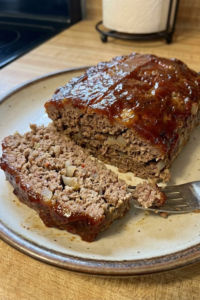
Remember that smell wafting from your grandmother’s kitchen on a Sunday afternoon? That rich, savory aroma of roasting meat and caramelized tomato glaze that promised a meal full of love. Meatloaf isn’t just a slab of ground beef; it’s a culinary hug that transcends generations! Yet, so many of us struggle with dry, crumbly disappointments that frankly, serve better as doorstops than dinner. Not anymore. In this guide, we are bringing the “classic” back to your kitchen with a homestyle beef meatloaf that is impossibly moist, packed with flavor, and surprisingly easy to master. Get your loaf pans ready—we’re about to make magic happen!
Selecting the Perfect Ground Beef for Meatloaf
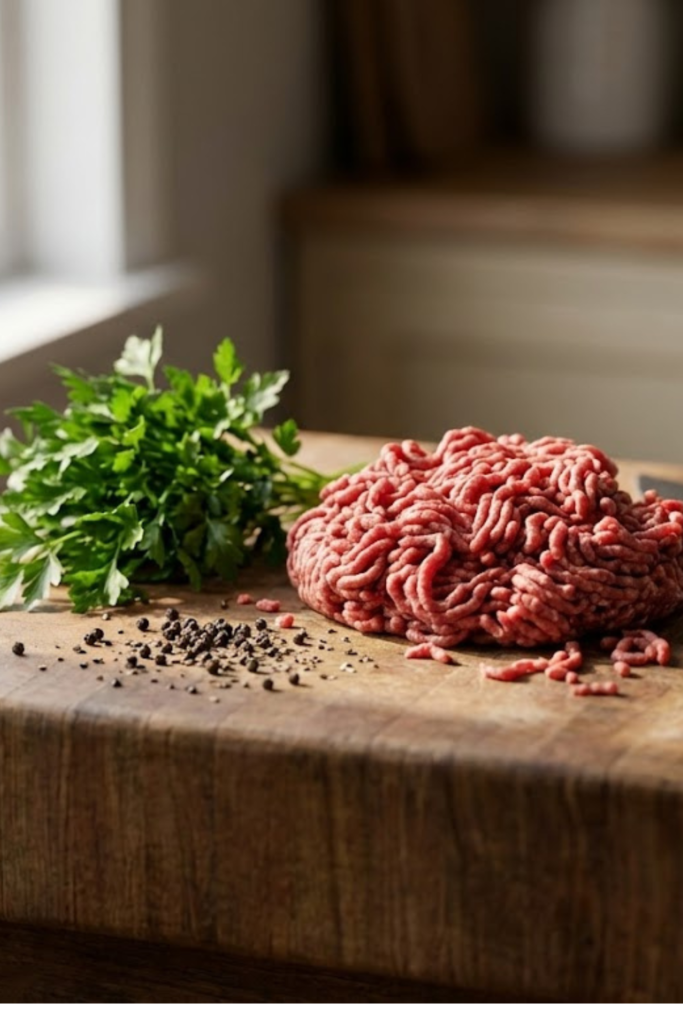
I’ve spent a lot of time teaching folks how to cook, and the biggest mistake I see happens before the stove even gets turned on. People just grab any old package of meat and hope for the best. You can’t do that if you want a meatloaf that actually tastes good. I usually look for ground chuck because it has the right balance of flavor and juice that makes a Sunday dinner special. I remember my first few tries at this; I bought the leanest beef I could find because I thought it was “better,” but the result was a dry, crumbly mess that my kids wouldn’t even touch. You have to be careful about what you pick to get that classic texture we all love.
The 80/20 Rule for Juice
When you are looking at those labels in the meat aisle, look for 80/20. This means it is 80% lean meat and 20% fat. I know 20% might sound like a lot if you are trying to eat healthy, but trust me on this one. As the meatloaf cooks, that fat melts and keeps the beef from getting tough. If you use the super lean stuff, like 90% or higher, you’ll end up with a dinner that tastes like a brick. I’ve made that mistake more times than I’d like to admit! The fat also helps hold the breadcrumbs and eggs together. This makes sure the whole thing doesn’t fall apart when you try to slice it. You want a slice that stays whole on the plate, not a pile of beef crumbles.
Checking for Freshness at the Counter
Don’t just grab the first package you see on the shelf. You want meat that is a bright cherry-red color. If it looks a little gray or brown on the edges, just leave it there. That beef has been sitting out a bit too long and it won’t taste as fresh as it should. I also like to feel the package. If the meat feels really mushy or wet, it might have too much water added to it. You want it to feel firm. If you have a local butcher you trust, ask them to grind some fresh chuck for you right then and there. It makes a big difference because it hasn’t been squished in plastic for days. Freshly ground beef has a lighter texture, which leads to a much fluffier meatloaf.
Why Cold Meat is Better
One little trick I tell my students is to keep the beef in the fridge until the very second you are ready to mix it. If the beef gets warm on the counter, the fat starts to soften up. Then, when you start mixing it with your hands, that fat turns into a weird, oily paste. This makes the meatloaf greasy instead of juicy. You want those little pockets of fat to stay solid until they hit the heat of the oven. It is a small thing, but it really changes how the final meal turns out. I always chop my onions and get my crumbs ready first. Only then do I pull the beef out of the cold. It keeps everything easy to handle and helps the flavor stay right where it belongs.
The Secret Binders: Breadcrumbs, Milk, and Eggs
Once you’ve got your beef picked out, you might think you are ready to start cooking. But wait a minute! If you just throw that meat in the oven by itself, you are going to be very unhappy with what comes out. I’ve seen so many of my students try to skip the “binders” because they want more meat and less “filler.” That is a huge mistake. Without the right stuff to hold it together, your meatloaf will just crumble apart and feel like dry sand in your mouth. I learned this the hard way during a school potluck years ago. My meatloaf ended up being a pile of loose ground beef on everyone’s plate. It was pretty embarrassing, let me tell you.
The Magic of the Panade
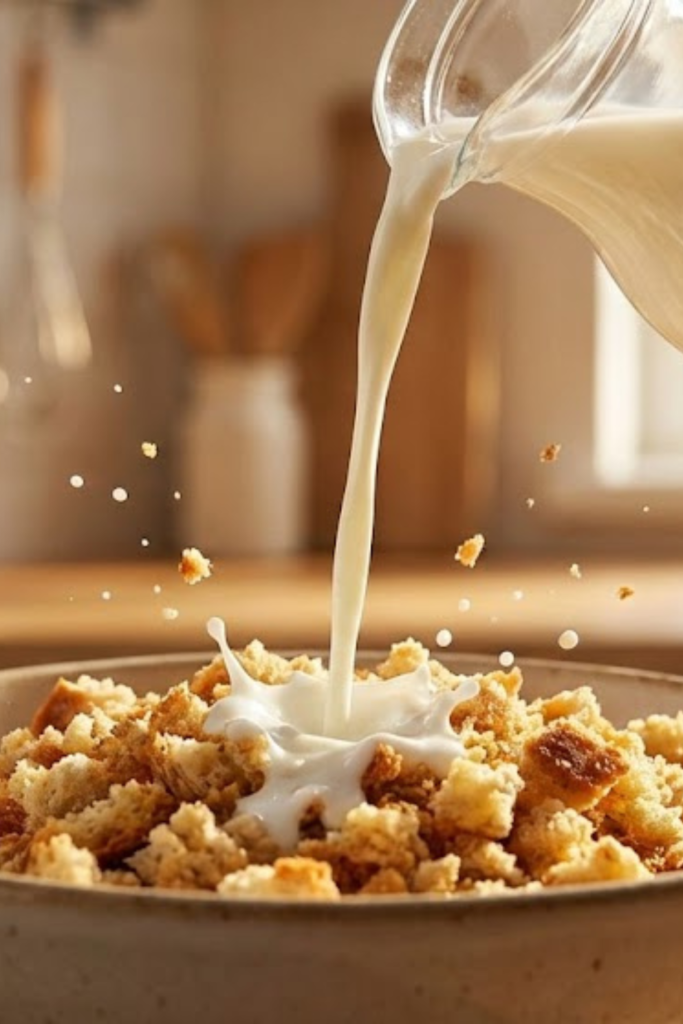
This is a fancy word for something very simple: soaking your breadcrumbs in milk. I always tell my class that this is the most important step for a moist loaf. You let the crumbs soak for about five or ten minutes until they turn into a sort of mushy paste. This paste gets mixed into the meat and acts like a bunch of tiny sponges. It holds onto the moisture while the beef cooks so the juices don’t all run out into the bottom of the pan. If you skip this, the dry breadcrumbs will actually pull moisture out of the meat, which is the opposite of what we want. I usually use whole milk for this because the extra fat adds even more flavor.
Which Crumbs Work Best?
I get asked this all the time in my kitchen. Should you use the dry stuff in the blue canister or fresh bread? Personally, I like using Panko breadcrumbs lately. They are flaky and light, so they don’t make the loaf feel heavy or dense. If you want a more traditional taste, those Italian seasoned crumbs work fine too, but be careful with the salt. Those pre-seasoned ones already have a lot in them. One time, I used leftover sourdough that I ran through the blender, and it was honestly one of the best I ever made. Just make sure whatever you use can soak up that milk well.
Finding the Right Egg Balance
Eggs are the glue of the whole operation. They help the meat and the bread paste stick together so you can get those nice, clean slices that look good on a plate. For every pound and a half of beef, I usually use two large eggs. If you add too many, the meatloaf gets a weird, rubbery texture that feels like a bouncy ball. If you don’t use enough, it falls apart the second your fork touches it. It is a bit of a trick to get right, but once you do, you’ll see why it matters so much. If you can’t have dairy, you can use beef broth instead of milk in your mix. It works almost as well and keeps things flavorful without the milk.
Mastering the Mix: Texture and Seasoning
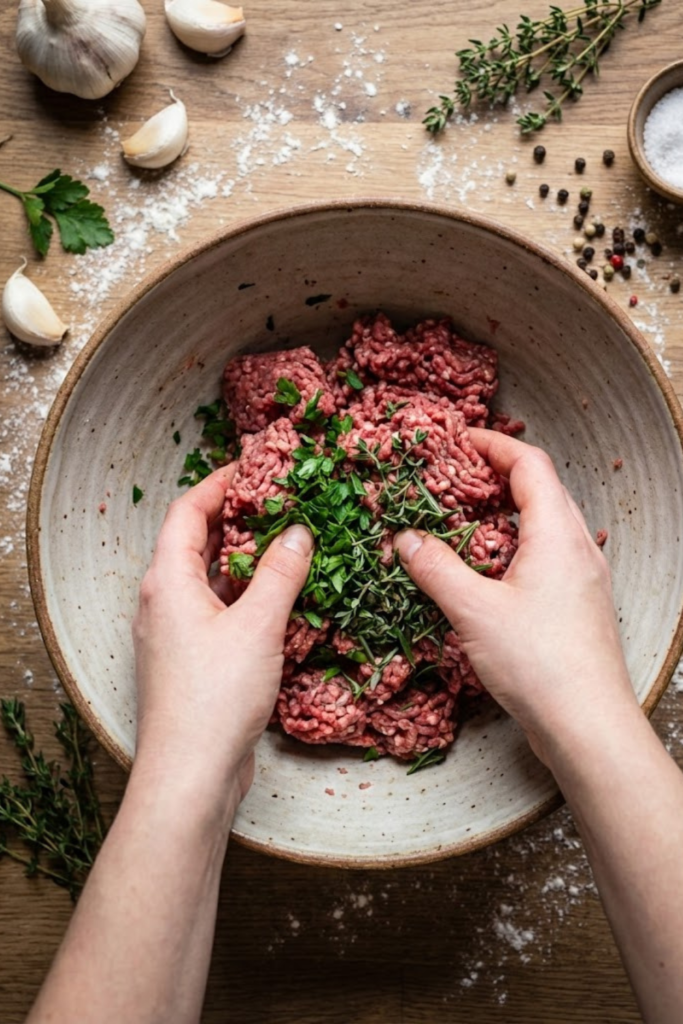
Mixing the meatloaf is where a lot of people go wrong. They think they need to beat it like bread dough, but that is a big no-no in my book. I’ve seen my students get in there and squeeze the meat through their fingers until it looks like a thick paste. If you do that, you are going to end up with a finished loaf that is way too dense. It won’t have that nice, light texture that makes a classic meatloaf so good to eat. I always tell my classes to treat the meat gently. You want to fold everything together just until it is combined and no more. I usually use my hands for this because you can really feel when the ingredients are mixed without overdoing it. It is a bit messy, sure, but it is the best way to get it right.
Stop Before You Overwork It
The biggest tip I can share is to stop mixing the second you don’t see big clumps of breadcrumbs or meat anymore. If you keep going, you are going to squeeze all the air out of the mixture. I remember one time I was in a hurry and used a big stand mixer for this part. That was a total disaster! The meatloaf came out looking like a gray brick. My husband didn’t even want to finish his plate, and he eats almost anything. Now, I just use a big bowl and my fingers. I spread the meat out, sprinkle the seasonings on top, and just toss it like a salad. This keeps those little pockets of air inside, which makes the meatloaf soft and easy to chew once it’s cooked.
Sauté Those Onions First
Another thing I see people do is throw raw onions and garlic straight into the meat. Now, some people like that crunch, but I think it ruins the vibe of a homestyle loaf. I always take five minutes to sauté my onions in a little butter or oil until they are soft and clear. This makes them sweet and lets them blend right into the beef. Plus, it adds another layer of flavor that you just can’t get with raw veggies. I also like to add my garlic at the very end of the sauté so it doesn’t burn. Believe me, your family will thank you for not giving them big chunks of half-cooked onion in every bite.
The Little “Fry Test” Trick
Before I put the whole thing in the pan, I do one last thing. I take a tiny piece of the mix, about the size of a marble, and fry it up in a small pan. This is the only way to know if you put in enough salt or Worcestershire sauce. You can’t exactly taste raw beef to check! I’ve had times where I thought I seasoned it perfectly, but then the test bite told me it needed way more pepper. It takes an extra minute, but it makes sure the whole dinner is a success. I usually add a splash of mustard and some dried thyme too, just to give it that extra kick that makes people ask for the recipe. It is better to know now than when the whole loaf is already baked.
The Iconic Sweet and Tangy Glaze
Now, we have to talk about the part that everyone fights over at the dinner table—the glaze. For me, a meatloaf without that sticky, red topping is just a giant hamburger, and nobody wants that for a Sunday feast. I remember being a kid and always trying to snag the corner piece because it had the most sauce on it. My mom had this way of making it so it was thick and almost like candy. If you get this part right, even the picky eaters who say they don’t like meatloaf will be asking for seconds. It really is the crown on top of the whole meal. I’ve tried many versions, but the classic one always wins.
The Classic Three-Ingredient Base
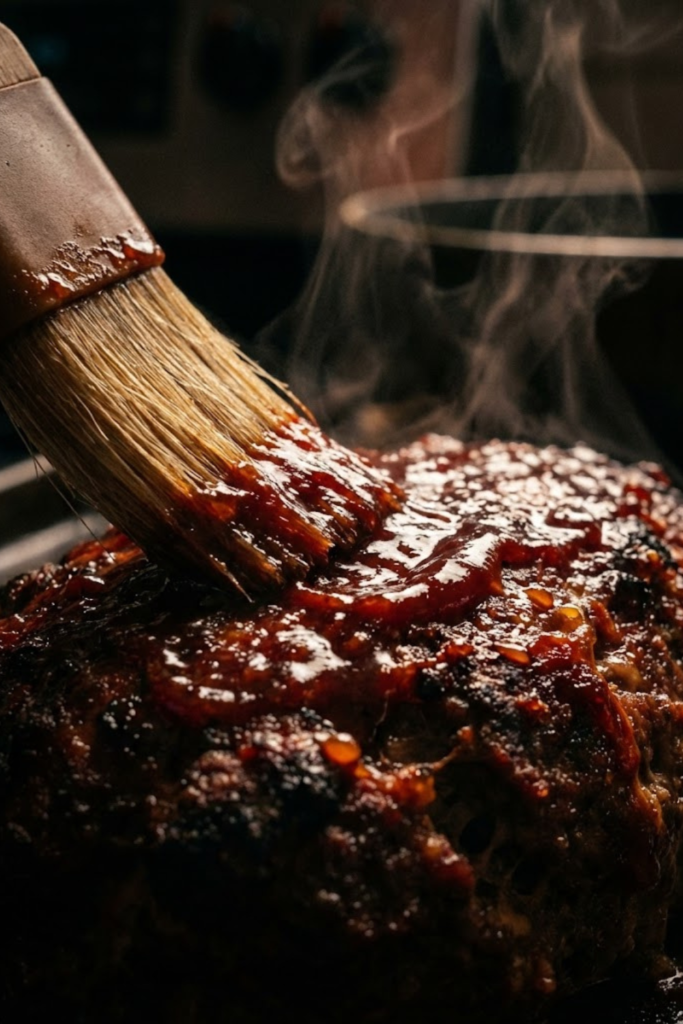
Most of the time, I stick to the basics because they work so well. You really only need three things: ketchup, brown sugar, and a little bit of vinegar or mustard. I usually just eyeball it in a small bowl until it looks right. The ketchup gives it that familiar tomato base, the sugar makes it sweet and sticky, and the vinegar cuts through all that fat from the beef. I once tried to use fancy tomato paste instead of ketchup, and it was a total flop. It didn’t have that “tang” that makes your mouth water. Stick to the cheap ketchup; it actually works better here. I like to whisk it until the sugar is all dissolved so it goes on smooth and shiny.
When to Put the Sauce On
This is a big debate in the cooking world. Some people put it on right at the start, but I find that the sugar burns before the meat is even done. That leaves you with a bitter crust instead of a sweet glaze. I usually wait until the meatloaf has about twenty minutes left in the oven. I pull the pan out, slather a thick layer on top with a spoon, and then pop it back in. This gives the sauce enough time to bubble and caramelize without turning black. If you want to be extra fancy, you can even do two layers. Put one on at the 20-minute mark and another quick coat right before you take it out. It makes it look like it came from a professional kitchen.
Trying New Flavors
Even though I love the classic version, sometimes I like to mix things up if I’m feeling adventurous. My brother likes to add a splash of Sriracha to his glaze to give it a little heat, which is actually pretty good. You could also swap out the ketchup for your favorite BBQ sauce if you want a smoky flavor. I’ve even seen people use maple syrup instead of brown sugar. The main thing is to make sure you have that balance of sweet and sour. Whatever you choose, make sure you make plenty of it. There is nothing worse than a “dry” meatloaf because you ran out of sauce halfway through. Make sure you cover the sides a bit too, so every bite has some flavor.
Baking Times and Resting for Perfection
I remember one time I was so hungry after a long day at school that I cranked my oven up to 450 degrees. I thought I could make the meatloaf cook twice as fast. Well, that was a big mistake! The outside turned into a burnt crust while the middle was still basically raw. I had to throw the whole thing away and order pizza. Since then, I’ve learned that patience is the most important ingredient in the kitchen. Now, I always stick to 350 degrees. It’s the perfect temperature to get the meat cooked through without drying it out. Most of the time, a standard loaf takes about an hour, but you really have to keep an eye on it because every oven is a little bit different.
Why the Thermometer is Your Best Friend
I tell my students all the time that guessing is for games, not for cooking meat. If you want to make sure your dinner is safe and juicy, you need a meat thermometer. I’ve seen people try to poke the meat with a fork or cut it open to see the color, but that just lets the juices escape. You want to slide that thermometer right into the center of the loaf. Once it hits 160 degrees, it’s done. Don’t wait for it to hit 170 because the temperature will keep rising a few degrees after you take it out. This is called “carryover cooking,” and it’s why some meatloaves end up dry even when you think you timed it right.
The Hardest Part: The Wait
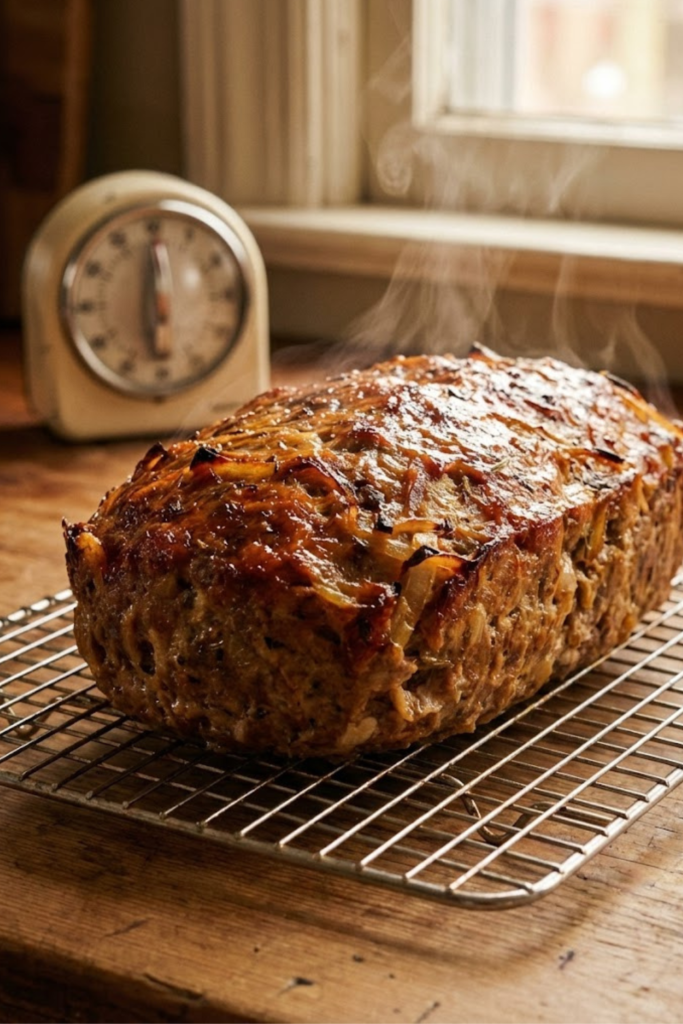
The biggest mistake you can make is cutting into the meatloaf the second it leaves the oven. I know, it smells amazing and you’re probably starving, but you have to wait. If you slice it right away, all those juices will run out onto your counter, and you’ll be left with dry meat. I always set a timer for 10 minutes and walk away. This resting time lets the meat relax so it can hold onto the moisture. It also makes the slices stay together much better on the plate instead of falling into a pile of crumbs.
Choosing Your Baking Pan
I get asked if a loaf pan is better than a flat baking sheet. A loaf pan keeps the meat in a nice shape, which is great for making sandwiches later. But I often use a flat baking sheet and shape the meat into a log with my hands. This lets the glaze drip down the sides and get crispy and caramelized. If you like those crunchy edges, the sheet pan is the way to go. Just make sure the pan has a rim so the grease doesn’t spill into your oven and cause a smoky mess!
So, there you have it! Making a classic homestyle beef meatloaf doesn’t have to be a guessing game where you just hope for the best. I know I’ve had my share of kitchen disasters over the years, but following these steps really makes a difference. If you remember to pick the right meat with enough fat, like that 80/20 ground chuck we talked about, you are already halfway to a great dinner. That fat is what keeps things from getting dry, and nobody wants a dinner that feels like eating a piece of cardboard. Just keep things cold until you are ready to mix, and you’ll see how much better the texture turns out in the end.
Don’t forget about those binders either. That little trick with the milk and breadcrumbs—the panade—is the real secret to a moist loaf. It’s funny how such a small step can completely change the way the meat feels. And please, treat that meat gently! I can’t say it enough: don’t overwork the mix. Just fold it together like you’re tossing a light salad. If you do that, and remember to sauté those onions first, your family is going to be very happy. The smell of that sweet and tangy glaze caramelizing in the oven is usually enough to bring everyone running to the kitchen before the timer even goes off.
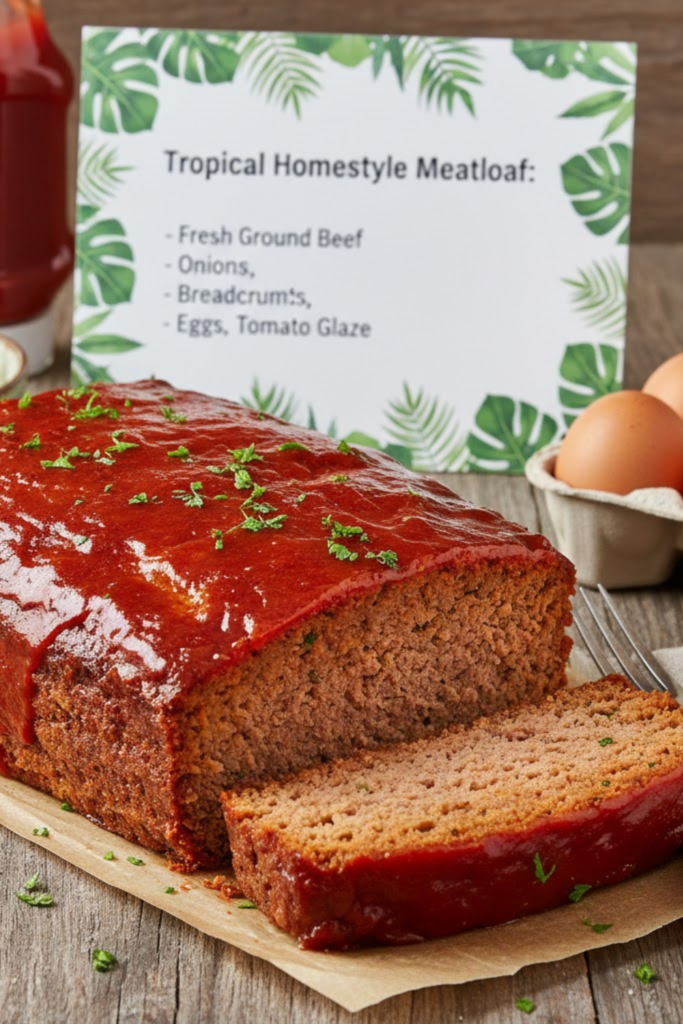
The hardest part is definitely waiting those ten minutes while the meat rests, but it is so worth it. I promise that if you let it sit, you’ll get those perfect slices that look just like the ones in the pictures. It’s a meal that feels like a warm hug, and it’s perfect for a rainy Sunday or a busy weeknight when you need something familiar and filling. I really hope you give this recipe a try in your own kitchen this week. It’s been a favorite in my house for a long time, and I bet it will be in yours too. If you enjoyed these tips and want to save them for later, please go ahead and share this post on Pinterest! It helps other home cooks find these easy tips, and it keeps all your favorite comfort food recipes in one easy spot. Happy cooking, and I hope your next meatloaf is the best one yet!