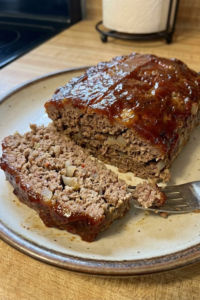
Do you remember the smell of your grandmother’s kitchen on a Sunday afternoon? That’s the feeling we are chasing today! Brown sugar meatloaf isn’t just a dinner; it’s a warm hug on a plate. I’ve made plenty of dry, boring loaves in my time, but this one? It changes the game entirely! We are talking about a perfect balance of savory beef and that sticky, caramelized brown sugar glaze that makes you want to lick the spoon. Get your baking dish ready, because we are about to make the ultimate comfort food classic.

Why You Will Fall in Love With This Brown Sugar Meatloaf
Look, I’ll be honest with you—I used to absolutely dread meatloaf night. Growing up, the meatloaf I knew was basically a gray, flavorless brick that required a gallon of water just to swallow. It was the kind of dinner that made you want to hide veggies in your napkin. But then I stumbled upon the magic of a proper brown sugar meatloaf, and everything changed. It wasn’t just edible; it was actually crave-worthy.
The Sweet and Savory Sweet Spot
The first time I tried adding a brown sugar glaze, I was skeptical. Putting sugar on dinner meat? It sounded weird. But that combination is actually the secret sauce—literally. When the brown sugar melts down and mixes with the savory juices of the ground beef, something incredible happens. You get this sticky, caramelized coating that cuts right through the richness of the meat. It’s that perfect sweet and savory balance that hits every single taste bud. I remember taking that first bite and realizing I had been doing it wrong for years.
No More Dry Dinner Disasters
We need to talk about texture because that is where most people mess up. I have definitely been guilty of overcooking my meatloaf until it was basically a doorstop. A huge perk of this brown sugar meatloaf recipe is how the glaze acts as a shield. It seals in the moisture while the loaf bakes. Instead of drying out, the meat stays incredibly juicy and tender. If you have ever suffered through dry, crumbly meatloaf, this version is going to be a total game-changer for you.
It Uses Stuff You Already Have
I am not the type of person who likes running to the grocery store at 5 PM. The beauty of this recipe is that it relies on pantry staples. You probably have the brown sugar, the ketchup, and the spices sitting in your cupboard right now. There is no need to hunt down fancy ingredients or spend a fortune. It is budget-friendly comfort food at its finest. Honestly, the best meals are usually the ones that don’t require a culinary degree or a special trip to the store.
The Ultimate Picky Eater Test
Here is the real data on why this recipe works: my kids actually eat it. Usually, if I put a slice of meat in front of them, it’s a battle. But the sweetness in this brown sugar meatloaf wins them over every single time. It masks any “meatiness” that some kids find off-putting. I once watched my youngest polish off two slices and ask for seconds, which is basically a miracle in our house. If you are struggling to find a dinner the whole family agrees on, this is it. It’s familiar enough to be comforting but tasty enough to feel special.

Essential Ingredients for the Juiciest Meatloaf
I used to think that meatloaf was just a “dump everything in a bowl and pray” kind of recipe. Man, was I wrong. I remember this one time I tried to get fancy with super lean beef because I was on a “health kick” after the holidays. The result? A dry, sad brick that even the dog looked at suspiciously. I learned the hard way that the ingredients you choose actually matter more than the recipe itself. If you want that melt-in-your-mouth texture, you can’t just grab whatever is on sale.
The Meat Matters: Don’t Fear the Fat
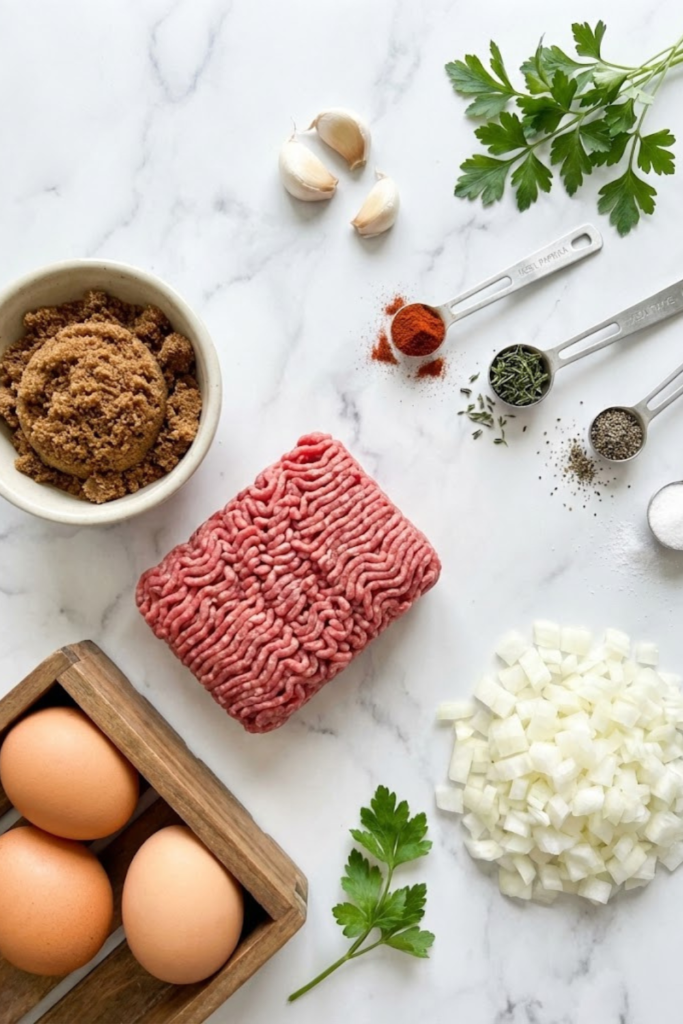
Let’s get real about the beef. If you walk away with one tip from this whole post, let it be this: buy the 80/20 ground chuck. I know, I know, we are all trained to look for the “lean” sticker. But for a juicy meatloaf, fat is flavor.
When you use 90% or 93% lean beef, there isn’t enough fat to render down and keep the meat moist while it bakes. It just tightens up. I’ve made this mistake enough times to tell you it’s not worth saving the calories. The 80/20 blend (80% lean, 20% fat) is the sweet spot. It keeps the loaf tender and prevents it from turning into a hockey puck. Trust me on this one.
The Secret Weapon: The Panade
Okay, “panade” sounds like a fancy French term, but it’s just a paste made of starch and liquid. This is the difference between a burger shaped like a loaf and an actual, tender meatloaf.
In the past, I would just throw dry breadcrumbs in with the meat and hope for the best. Big mistake. The dry crumbs just sucked up the moisture from the beef! Now, I always soak my breadcrumbs (or panko) in milk for a few minutes before adding them to the mix. It creates a gelatinous little mash that locks moisture inside the meat proteins. It’s a small step that makes a massive difference in the final texture.
Aromatics: Cook Them First!
Here is a hill I am willing to die on: you have to sauté your onions and garlic before putting them in the raw meat mix. I used to be lazy and skip this step because I didn’t want to dirty a skillet.
But there is nothing worse than biting into a soft slice of meatloaf and getting a raw, crunchy chunk of onion. It ruins the vibe. By cooking the onions down for 5 minutes first, they get sweet and soft. They melt right into the brown sugar meatloaf mixture. Plus, it releases way more flavor than raw veggies ever could. It adds about ten minutes to your prep time, but your taste buds will thank you.
The Flavor Boosters
Meat on its own is pretty boring. You need to wake it up. Aside from the glaze, the internal seasoning is crucial. I always use a heavy hand with salt and pepper, but the real MVP here is Worcestershire sauce.
It adds that deep, savory umami punch that beef desperately needs. If you don’t have it, soy sauce can work in a pinch, but Worcestershire is the classic choice for a reason. Don’t be shy with the seasonings. Since you can’t taste the raw meat (please don’t taste raw meat), you have to trust the ratios. A good rule of thumb is about one teaspoon of salt per pound of meat. It might seem like a lot, but remember, potatoes soak up salt, and meatloaf is dense!
Mastering the Sticky Brown Sugar Glaze
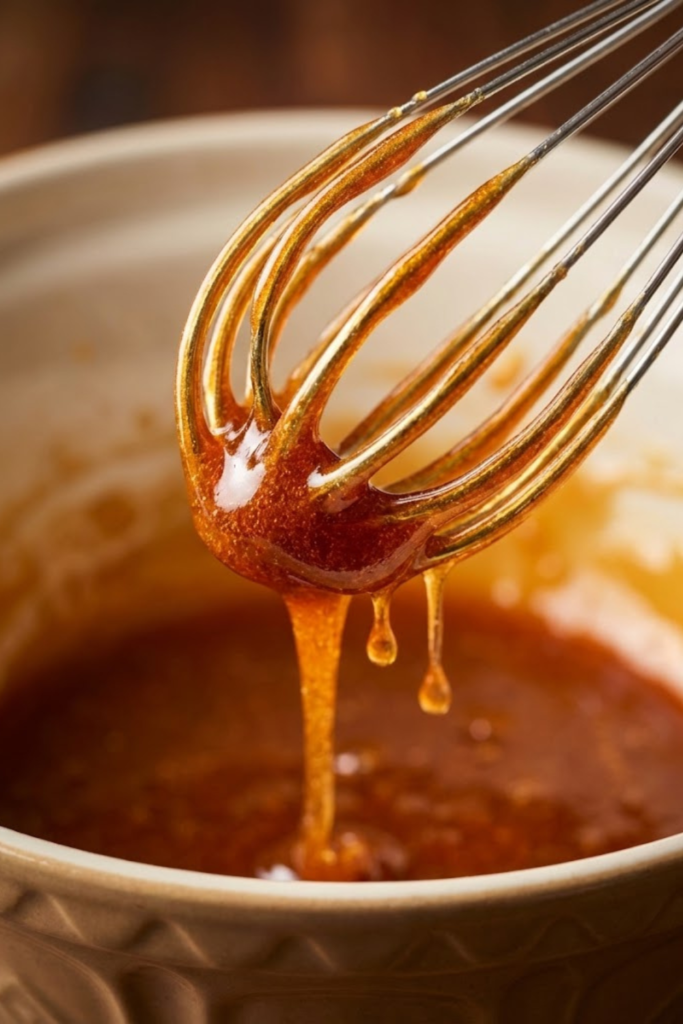
Okay, let’s be real for a second. The meat is important, but the glaze? The glaze is the reason we are all here. I used to just squirt some plain ketchup on top of my meatloaf and call it a day. Looking back, that was practically a crime against comfort food. It wasn’t bad, but it was just… boring. The first time I mixed up a proper meatloaf glaze recipe, I realized I had been missing out on the best part of the meal. It’s that sticky, sweet, caramelized top layer that makes people fight over the end pieces.
The Holy Trinity of Ingredients
You don’t need to be a fancy pastry chef to get this right. The best glaze usually comes down to three simple things: brown sugar, ketchup, and a splash of vinegar or mustard. I remember scrambling through my pantry one night, panicking because I didn’t have any “steak sauce.”
I threw these three ingredients together, and it was magic. The brown sugar brings the molasses sweetness, the ketchup adds that tomato tang, and the vinegar cuts through the sugar so it’s not cloying. It is a brown sugar ketchup glaze that tastes way more expensive than it is. Sometimes I add a pinch of nutmeg if I’m feeling wild, but honestly, keep it simple. Simple is usually better when you are trying to get dinner on the table.
The “Double Glaze” Technique
Here is a mistake I made for years: I would dump all the sauce on the raw meatloaf right at the start. By the time the meat was cooked, the sauce was either burned to a crisp or had slid off completely into the grease. It was a mess.
I learned a trick from a diner chef a few years back. You have to double glaze. I put about half of the sauce on before it goes into the oven. This bakes into the meat and creates a base layer. Then, I save the rest for the last 15 minutes of baking. This fresh layer gets sticky and tacky without burning. It is the only way to get that glossy, magazine-cover look. If you put it all on at once, you’re just asking for a smoky kitchen.
Getting the Texture Right
When you mix the glaze, you gotta put some muscle into it. I’ve been guilty of lazily stirring it with a fork and ending up with lumps of brown sugar on top of the loaf. That is not appetizing.
Grab a small whisk and beat it until it is totally smooth. You want the sugar to basically dissolve into the ketchup before it even hits the heat. If it looks too thick, like paste, I sometimes splash in a teaspoon of worcestershire sauce to loosen it up. It should be thick enough to stay on the spoon, but loose enough to spread easily. If it runs off the spoon like water, add more sugar.
Kick It Up a Notch
Sometimes, I get bored with the standard sweet stuff. If the kids aren’t eating with us, I love making a spicy brown sugar glaze. I just mix in a tablespoon of Sriracha or a heavy pinch of red pepper flakes.
It adds this awesome heat that hits you right after the sweetness. My husband was unsure about it at first, but now he asks for the “spicy version” every time. Don’t be afraid to experiment. Cooking should be fun, right? Even if you mess it up once, you learn something for next time. But seriously, try the spice. It’s a total flavor bomb.
Step-by-Step Instructions for Baking Success
Baking meatloaf used to give me major anxiety. Seriously. I would stare at the oven door, wondering if I was making a delicious dinner or a giant, raw bacteria bomb. Or worse, a dry brick that would break a window. Over the years, I’ve burned a few and undercooked more than I’d like to admit. But through all that trial and error, I figured out the specific steps that actually work. It’s not rocket science, but you do have to follow the rules if you want that perfect slice.
Ditch the Loaf Pan (Seriously)
Okay, this might be controversial. For years, I baked my meatloaf in a standard loaf pan. It’s in the name, right? But here is the problem: when you use a deep pan, the meat just steams in its own juices and grease. It gets soggy.
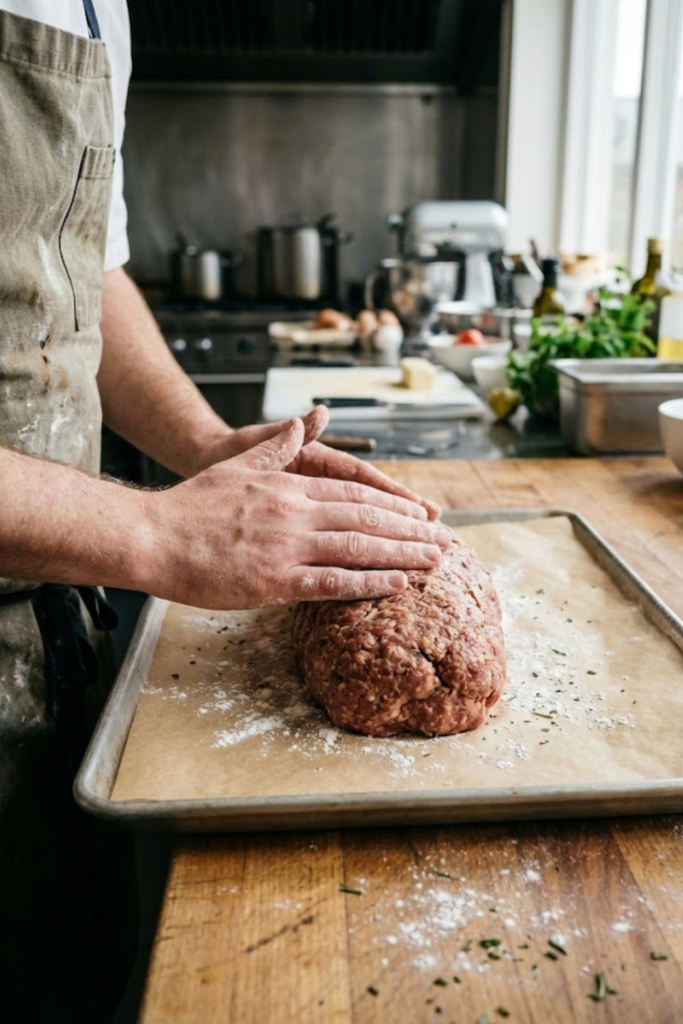
The sides never get that nice, caramelized crust because they are pressed against the glass or metal. Now, I exclusively use a baking sheet lined with parchment paper or foil. I shape the homemade meatloaf by hand right on the sheet. This allows the heat to circulate all around the meat. The result is a loaf that holds its shape and has a beautiful texture on the outside, rather than a grey, steamed mess.
The “Claw Hand” Mixing Technique
When you are combining your meat with the onions, spices, and that milk-soaked breadcrumb mixture, be gentle. I used to get in there and squeeze the life out of the beef, thinking I needed to blend it perfectly.
Big mistake. Overworking the meat develops proteins that make the finished product tough and chewy. You want a tender bite, not a rubber ball. My trick is to make my hand into a “claw” shape. I gently toss the ingredients together until they are just combined. It should look a little loose. If you are smashing it like dough, stop immediately. You are killing your easy meatloaf before it even gets to the oven.
Shaping Without the Stress
Since we aren’t using a loaf pan, you have to shape it yourself. This used to intimidate me. I’d end up with a weird football shape that cooked unevenly.
The trick is to dump the meat mixture onto your baking sheet and gently pat it into a rectangle, about 9×5 inches. You want it to be uniform in thickness so the meatloaf cooking time is consistent throughout. If the ends are super thin and the middle is thick, the ends will burn before the center is safe to eat. Smooth out any major cracks with a little cold water on your fingers. Cracks let the juices escape, and we want to keep those inside.
Stop Guessing, Use a Thermometer
I cannot stress this enough: buy a meat thermometer. My grandma used to just “know” when it was done, but I don’t have that superpower. I used to slice into the middle to check, which just let all the delicious juices run out onto the pan. Tragic.
The target meatloaf internal temperature is 160°F (71°C). Pull it out exactly when it hits that number. If you wait for 170°F or higher, you are serving dry meat. It usually takes about 50 to 60 minutes at 350°F, but ovens vary wildy. Mine runs hot, so I check it at the 45-minute mark. Trust the thermometer, not the clock. It is the only way to guarantee oven baked meatloaf success every single time.
Secret Tips for Preventing Dry Meatloaf
I have a confession to make. I once served a meatloaf so dry that my poor father-in-law had to drink a glass of water after every single bite. He was too polite to say anything, but I knew. It was crumbly, tough, and honestly, a little embarrassing. That disaster sent me on a mission to find the ultimate moist meatloaf recipe. I realized that keeping a loaf juicy isn’t about luck; it is about science and a few sneaky tricks I picked up along the way.
The Power of the Rest
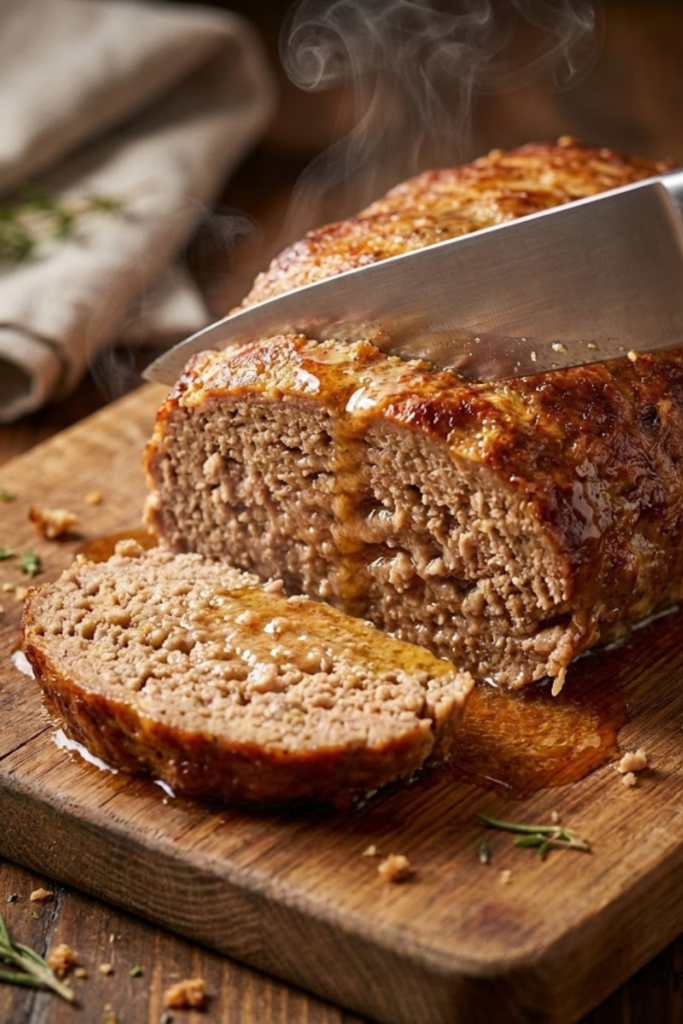
This is the hardest part for me because I am usually starving by the time the timer goes off. But you absolutely cannot slice into the meatloaf right when it comes out of the oven. If you do, watch out. All those precious juices will run out onto your cutting board, leaving the meat dry as a bone.
Think of it like a good steak. You have to let it relax. I let my brown sugar meatloaf sit on the counter for at least 10 to 15 minutes before I even touch it with a knife. This creates the proper meatloaf rest time for the juices to redistribute back into the fibers of the meat. It makes a massive difference. The slices hold together better, and every bite is juicy. Patience really pays off here.
Hidden Moisture (And Veggies!)
Okay, don’t tell my kids about this one. One of my favorite hacks for keeping meatloaf moist is adding grated vegetables. I started doing this just to get more vitamins into my toddlers, but I realized it made the meat texture incredible.
I usually grate a zucchini or a carrot directly into the mix. You don’t taste the veggies at all because they melt down while baking. They basically turn into little pockets of water that steam the meat from the inside out. It prevents that dense, heavy texture that gives meatloaf a bad reputation. Plus, you get to feel virtuous about eating vegetables with your comfort food. It’s a win-win situation. Just make sure to squeeze a little of the excess water out of the zucchini first, or it might get too wet.
Don’t Skimp on the Binder
I used to think the breadcrumbs were just “filler” to make the meat stretch further. That was a broke college student mindset. The binder is actually the structural glue that holds the moisture in.
If you don’t use enough meatloaf binder (the breadcrumbs and milk mixture), the fat renders out too fast. I always let my breadcrumbs soak in the milk until it looks like a gross, mushy paste. It’s not pretty, but it works. This paste bonds with the meat proteins and traps the liquid. If you just toss dry crumbs in, they act like little sponges that suck the meat dry. I learned that the hard way.
Watch the Fat Ratio
I know I mentioned this before, but it bears repeating because it is the number one culprit for dry meatloaf. Using super lean ground beef is a recipe for disaster. I once tried using ground turkey breast without adding any oil or extra moisture, and it was inedible.
You need that fat to baste the meat from the inside as it cooks. If you are dead set on using lean beef or turkey, you have to add moisture elsewhere. I sometimes add a tablespoon of olive oil or even sautéed mushrooms to the mix to compensate. But honestly? Just stick to the 80/20 beef for this brown sugar meatloaf. It’s comfort food, not diet food. Live a little.
Serving Suggestions: What Goes With Meatloaf?
I used to be the worst at planning side dishes. I would spend all this energy making a beautiful main course, and then five minutes before dinner, I’d realize we had nothing to eat with it. I’d end up throwing a bag of plain tortilla chips on the table. Classy, right? But brown sugar meatloaf deserves better than that. It needs sides that can stand up to that rich, sweet glaze without getting lost. Over time, I’ve found the combinations that turn this from a random Tuesday dinner into a meal my family actually cheers for.
The Non-Negotiable: Creamy Mashed Potatoes
Let’s just get this out of the way: you cannot have meatloaf without mashed potatoes. It is scientifically impossible. Or at least, it should be illegal. The first time I tried to serve this with rice, my husband looked at me like I had three heads.
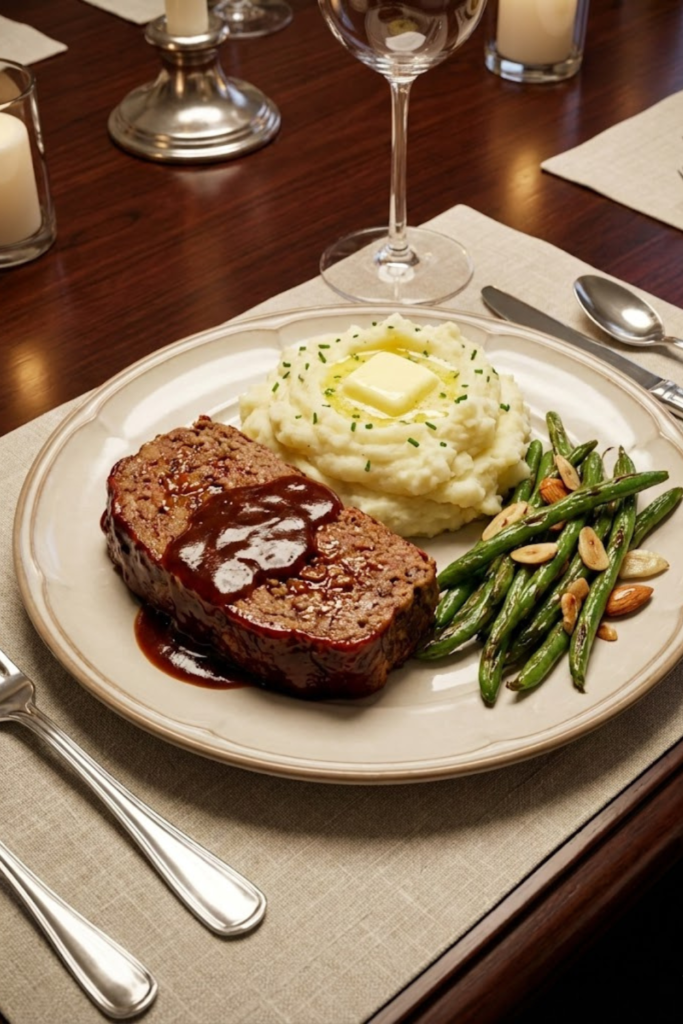
The fluffy, buttery texture of mashed potatoes is the perfect vehicle for the sauce. When that sticky brown sugar ketchup glaze drips onto the potatoes? Game over. It is pure comfort food heaven. I like to keep my potatoes pretty simple—just butter, milk, and salt—so they don’t fight with the flavors of the meat. If you are feeling lazy (which I usually am), even the store-bought refrigerated ones work fine. I won’t tell if you don’t.
Adding Some Green Crunch
Okay, we need to balance out all that heavy, savory goodness. I tried serving corn once, but it was just too much sweet on sweet. You need something fresh and green to cut through the richness.
My go-to meatloaf side dishes are usually roasted green beans or asparagus. I just toss them on a baking sheet with olive oil and garlic salt and shove them in the oven right alongside the meatloaf for the last 20 minutes. It’s easy, and the slight bitterness of the greens pairs perfectly with the sweet glaze. Plus, it makes the plate look like a real meal instead of just a pile of brown food. It makes me feel a little better about the second slice of meatloaf I’m definitely going to eat.
The Ultimate Indulgence: Mac and Cheese
Sometimes, you just have had a bad week. The car broke down, the kids are screaming, and you need a food hug. That is when I pull out the big guns: macaroni and cheese.
Serving mac and cheese with meatloaf is definitely not for the calorie-counters, but man, is it good. The cheesy, salty pasta with the sweet beef is a match made in heaven. It reminds me of those diner meals I used to love as a kid. If I’m making this for a family dinner ideas night, the mac and cheese is always the first thing to disappear. Just be prepared to need a nap immediately after eating.
Don’t Forget the Carbs
If I’m really trying to impress, I’ll throw some dinner rolls in the oven. You need something to mop up that extra sauce on your plate. I hate seeing good glaze go to waste.
Soft yeast rolls or even those frozen garlic knots work wonders. I have a vivid memory of my son using a roll to wipe his plate so clean I almost didn’t have to wash it. That’s the sign of a successful dinner in my book. Whether it’s homemade or from a tube, having that extra bread makes the meal feel complete.
Final Thoughts: Your New Favorite Dinner
So, there you have it. We have officially traveled from “scary, dry meat brick” territory to “can I please have a third slice” land. I really hope this guide helps you look at brown sugar meatloaf a little differently. It is not just some outdated 1950s diner food; it is a legit flavor bomb that deserves a spot in your weekly rotation. I know I was skeptical about the sugar at first, but that sticky glaze is just undeniable. It turns a basic budget meal into something that feels like a hug on a plate.
The Magic of Leftovers (The Best Part?)
Okay, I have to let you in on a little secret. As good as this classic meatloaf is fresh out of the oven, it might actually be better the next day. Seriously.
There is something about letting it sit in the fridge overnight that lets the flavors meld together even more. My absolute favorite thing to do is make a cold meatloaf sandwich for lunch. I grab two slices of white bread, slather on some mayo and extra ketchup, and throw a cold slice of meatloaf in the middle. It sounds simple, but it is honestly one of the best sandwiches on earth. Sometimes I even fry the slice in a pan for a minute to get the edges crispy again. If you have leftover meatloaf recipes you love, you have to try this one. It makes cooking once and eating twice totally worth it.
Don’t Be Afraid to Mess Up
Look, I have burned the glaze. I have under-salted the meat. I have definitely forgotten to set the timer and panicked. It happens to the best of us.
Cooking is messy and imperfect, just like life. But this recipe is forgiving. As long as you don’t bake it for three hours, it’s going to taste good. The sweetness of the glaze covers a multitude of sins. So, don’t stress about getting it magazine-perfect on your first try. Just get in the kitchen, get your hands a little dirty (wash them after, please), and feed your people. That is what really matters at the end of the day.
Share the Loaf Love!
If you make this brown sugar meatloaf and your family actually eats it without complaining, I want to hear about it! It makes my day to see your creations.
If you want to save this recipe for a rainy day (or a busy Tuesday), please pin this recipe to your Dinner Ideas board on Pinterest. It helps other home cooks find it, and it helps me keep the lights on around here. Plus, you will know exactly where to find it when the craving for comfort food hits. Go ahead and hit that pin button—your future hungry self will thank you!