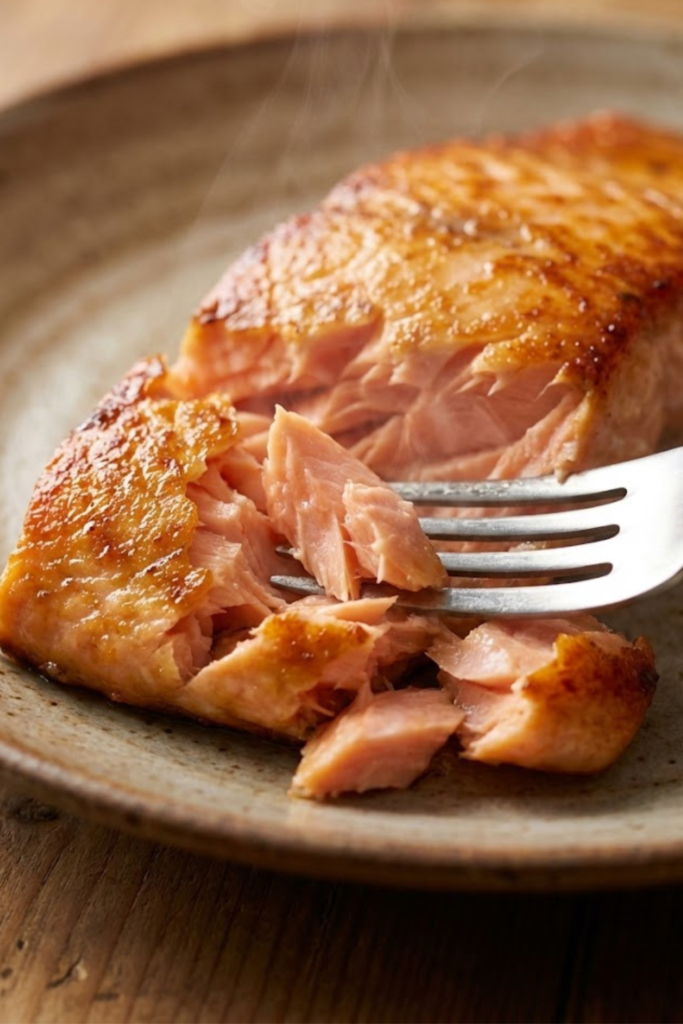
Do you know that feeling when you crave something that is just the right mix of sweet and savory? That happened to me last Tuesday. I was staring at a fresh filet of fish, totally uninspired, and then—bam!—it hit me. Brown sugar glazed salmon is the answer! It’s sticky. It’s flaky. It is absolutely divine! “Food & Wine” recently noted that salmon remains the number one heart-healthy dinner choice for families, and once you try this method, you’ll never go back to plain old lemon butter again. Get your skillet ready, because we are about to make magic happen in your kitchen.
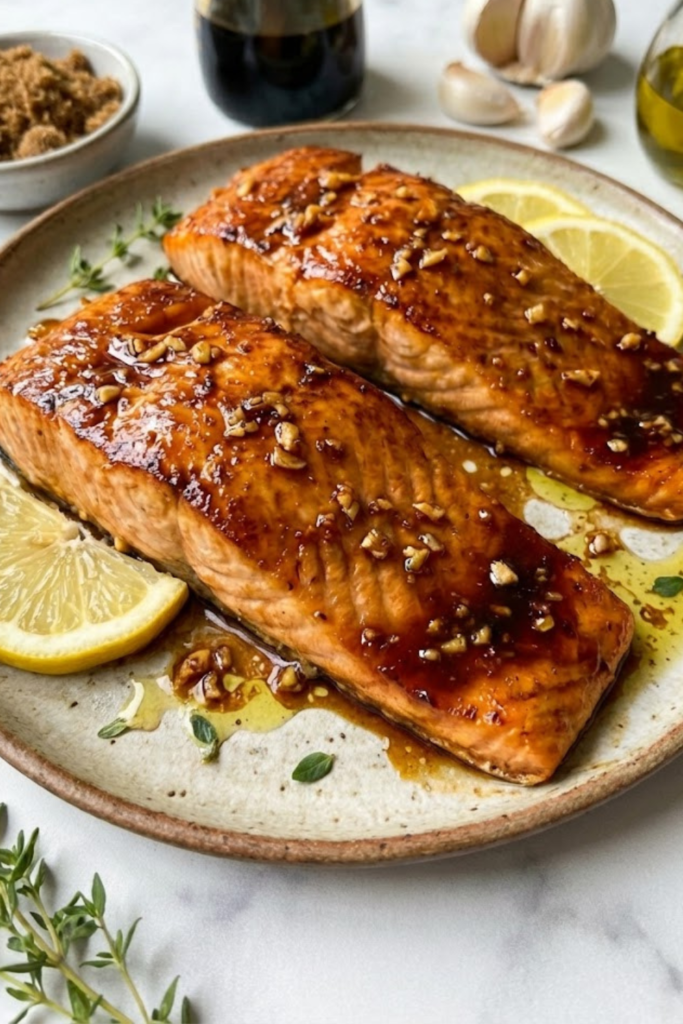
Why This Glazed Salmon Recipe Works
Look, I’m going to be real with you for a second. I used to be absolutely terrified of cooking fish. I’d buy a gorgeous, expensive fillet, stare at it in the pan, and then inevitably overcook it until it had the texture of an old shoe. My family would sit there, politely chewing and drinking gallons of water, while I sat there feeling like a total failure in the kitchen. It was frustrating! But then I stumbled upon the magic of combining high heat with sugar, and let me tell you, it was a total game-changer.
This brown sugar glazed salmon isn’t just another dinner idea; it’s the recipe that saved my weeknight reputation.
The Magic of Sweet and Savory
The biggest reason this dish works is the flavor balance. I learned the hard way that fish on its own can be a bit boring if you don’t season it right. By mixing dark brown sugar with salty soy sauce, you create this incredible “umami” bomb. It hits every taste bud.
The sweetness of the sugar cuts right through the richness of the fish. It’s not dessert-sweet, though. It’s that sticky, savory kind of sweet that makes you want to lick the spoon. When I make this brown sugar glazed salmon, my kids actually ask for seconds. No lie.
That Caramelized Crust
Here is a mistake I used to make: I was scared of the heat. I’d cook the fish on low, thinking I was being gentle. Nope! You need that heat. When the brown sugar hits the hot pan, it caramelizes.
- It creates a slightly crispy, sticky outer layer.
- The inside stays buttery and soft.
- It looks like you spent hours on it, even if you just threw it together.
Getting that texture contrast is key. If you are afraid of burning it (I’ve been there), just keep an eye on it. It goes from “perfect” to “burnt” fast, but the result is worth the risk.
It’s Faster Than Ordering Pizza
Honestly, by the time I find my phone, argue about toppings, and place a delivery order, I could have already cooked this brown sugar glazed salmon and eaten it. This recipe relies on speed. You aren’t marinating it for hours. You are cooking it right now.
I love that I can come home exhausted, feeling like I have zero energy, and still get a healthy meal on the table in under 20 minutes. It feels like a small victory every time. Plus, because the flavor is so big, you don’t need complicated sides. Plain rice works perfectly because it soaks up that extra sauce.
A Note on Simplicity
I’ve tried those fancy recipes with twenty ingredients where half of them I can’t even pronounce. They usually end in disaster. This brown sugar glazed salmon works because it is simple. You don’t need to go to a specialty store. You probably have the stuff in your pantry right now.
It’s forgiving, too. If you add a little too much garlic (is there such a thing?) or a bit too much sugar, it’s still gonna taste amazing. It’s real food for real life, not just for looking pretty on Instagram—though it does look pretty good there too!
Essential Ingredients for the Perfect Glaze
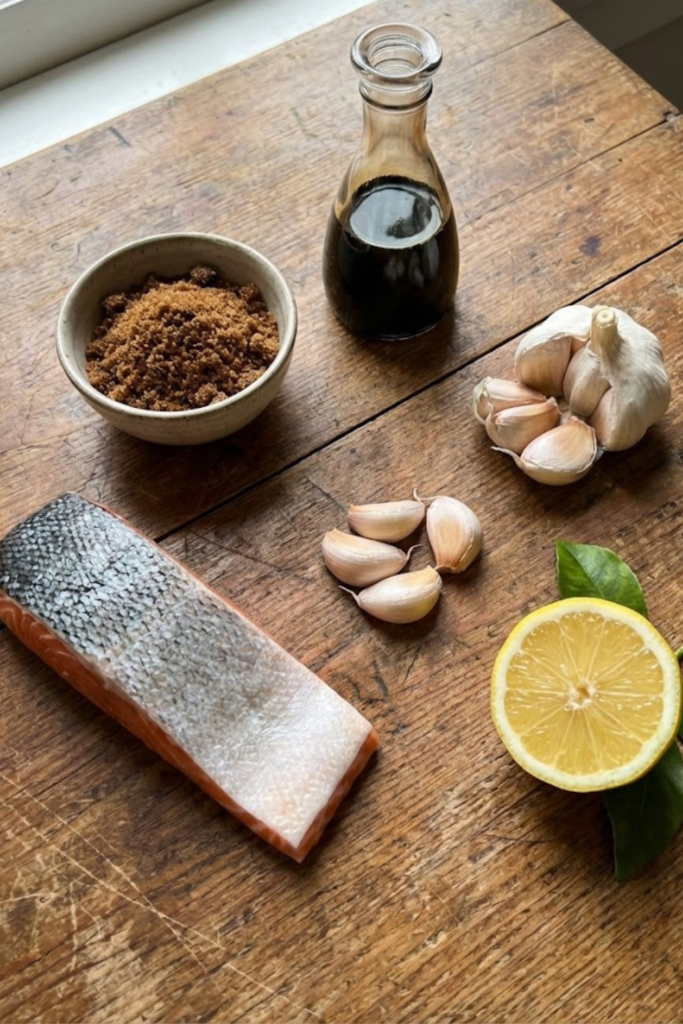
You know that saying, “garbage in, garbage out”? It definitely applies to cooking. I used to think I could swap ingredients willy-nilly and get the same result. Spoiler alert: I was wrong. I remember standing in the grocery store aisle once, staring at five different types of sugar, and just grabbing whatever was cheapest. The dish turned out okay, but it wasn’t great. Over the years, I’ve learned that for this brown sugar glazed salmon, specific ingredients actually matter if you want that restaurant-quality taste at home.
The Salmon Situation
Let’s talk about the star of the show. I used to buy those frozen, skinless blocks of fish because they were cheap. But here is the thing: they dry out so fast! For this recipe, fresh salmon fillets are the way to go.
I highly recommend getting skin-on fillets. Even if you don’t like eating the skin, cooking with it on helps protect the meat from the high heat of the pan. It acts like a little heat shield. Plus, if you get it crispy enough, it’s actually delicious (don’t knock it ’til you try it!). If you can splurge on wild-caught, do it for the flavor, but farmed atlantic salmon works just fine too because of the higher fat content.
The Sugar Debate: Light vs. Dark
Here is a mistake I made for years: using light brown sugar because that’s all I had in the pantry. It works, sure. But if you want that deep, sticky, molasses-like flavor, you need dark brown sugar.
The dark stuff has more molasses in it. This helps the glaze thicken up faster and gives it a richer color. When I finally switched to dark brown sugar, the sauce went from “meh” to “wow.” It coats the fish better and caramelizes beautifully in the pan without burning as quickly as white sugar would.
Fresh vs. Powdered Aromatics
Okay, listen to me closely on this one. Put down the garlic powder. I tried making this once with garlic powder because I was too lazy to chop fresh cloves. It was a disaster. The powder burned in the hot oil and tasted bitter.
You need fresh minced garlic and, if you have it, fresh ginger. The fresh aromatics release oils that flavor the entire dish. It takes two extra minutes to chop them, but it makes a huge difference. If you are really pressed for time, those little jars of pre-minced garlic are a decent backup, but fresh is always king.
The Salty and The Sour
Since we are using so much sugar, we need something to balance it out so you aren’t eating fish candy. That’s where the soy sauce comes in. I strictly use low-sodium soy sauce. Regular soy sauce can make the glaze way too salty once it reduces down.
And don’t forget the acid! I used to skip the lemon juice, and the dish felt “heavy.” A squeeze of fresh lemon or a dash of rice vinegar cuts through the sweetness and the fat of the salmon. It brightens everything up. It’s that little “zing” that makes you want another bite.
Step-by-Step: How to Make Brown Sugar Glazed Salmon
I used to think cooking salmon required a culinary degree. I’d watch those chefs on TV flip fish effortlessly, while mine always ended up looking like a shredded mess. It was so embarrassing! But once I broke it down into steps, I realized it’s actually easier than cooking chicken. You just have to follow the rules. If I can do this without setting off the smoke alarm, you can too. This brown sugar glazed salmon is going to be your new best friend.
The Prep Work Is Real
Here is the biggest secret I learned after ruining about five dinners: dry your fish. Seriously. I used to take the salmon fillets right out of the package and throw them in the pan. Big mistake.
The water hits the oil and steams the fish instead of searing it. Grab a paper towel and pat that fish dry. Get every bit of moisture off the skin and the flesh. It sounds weird, but it makes a huge difference.
If the fish is wet, you’ll never get that crispy skin we all want. I also like to let it sit on the counter for about 10 minutes to take the chill off. Cooking cold fish in a hot pan causes it to seize up and cook unevenly.
The Sear
Get your pan hot. Like, really hot. I prefer using a cast iron skillet because it holds heat so well, but any heavy-bottomed pan will work. Add your oil and wait until it shimmers.
Place the salmon skin-side down (if it has skin) and then—this is the hard part—don’t touch it! I used to nervously poke at it with a spatula every thirty seconds. Stop doing that. Let it cook for about 4-5 minutes without moving it.
You will see the color change up the side of the fillet. When the skin is crispy, it releases naturally from the pan. If it’s sticking, it’s not ready yet.
Creating the Glaze
While the salmon is searing, I quickly mix my sauce ingredients in a small bowl or jar. Don’t try to add them one by one into the pan; you might burn the garlic while looking for the soy sauce. I’ve done that, and burnt garlic is nasty.
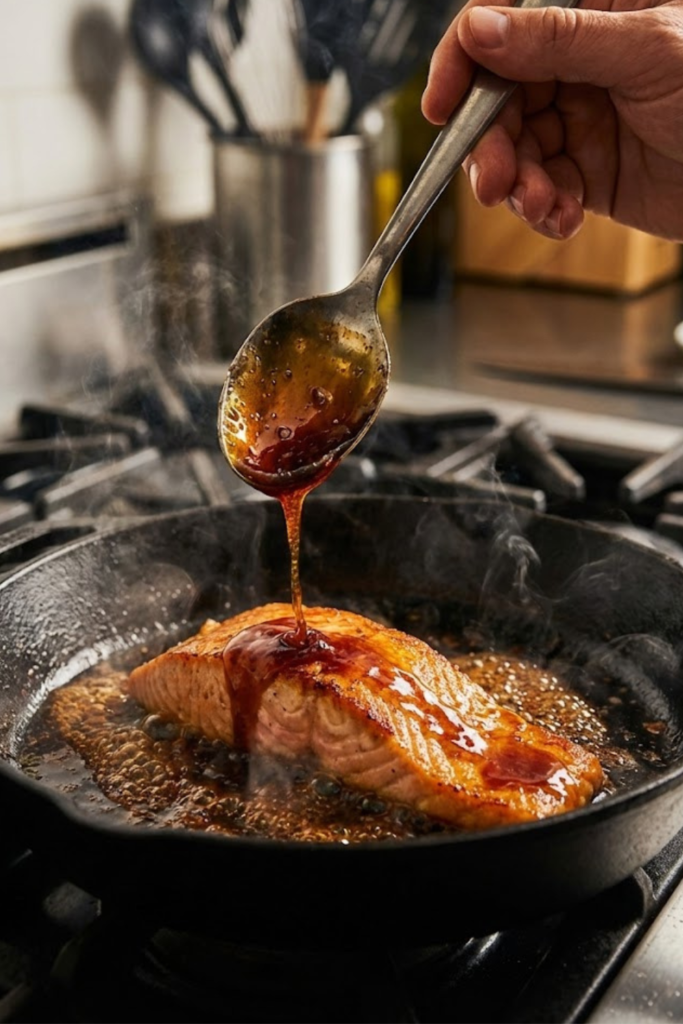
Flip the salmon over. It should be golden and beautiful. Now, pour that sauce mixture right into the pan around the fish. It’s going to hiss and bubble like crazy. That is normal! Turn the heat down to medium immediately so the sugar doesn’t burn.
The Basting Process
This is where the magic happens. As the sauce bubbles, it will start to thicken into a syrup. Take a spoon and scoop that hot, sticky liquid over the fish. Do this repeatedly.
We call this basting. It cooks the top of the brown sugar glazed salmon and coats it in flavor. It only takes another 2-3 minutes. Watch the sauce closely.
If it gets too thick, add a splash of water to loosen it up. Once the salmon flakes easily with a fork, get it off the heat immediately. Overcooked salmon is dry, and nobody wants that.
Serving Suggestions and Side Dishes
I have a confession to make. I am terrible at timing my side dishes. There have been so many times where I pulled a perfect brown sugar glazed salmon off the stove, only to realize I hadn’t even started the rice yet. So, we’d stand around the kitchen eating cold fish while the rice cooker took its sweet time. It was a mess! Over the years, I’ve learned that the sides need to be just as quick as the main event, or the whole dinner flow falls apart.
Choosing the right partner for this sticky, sweet fish is crucial. You don’t want something that fights for attention. You want backup singers, not another diva on the plate.
The Best Grain Pairings
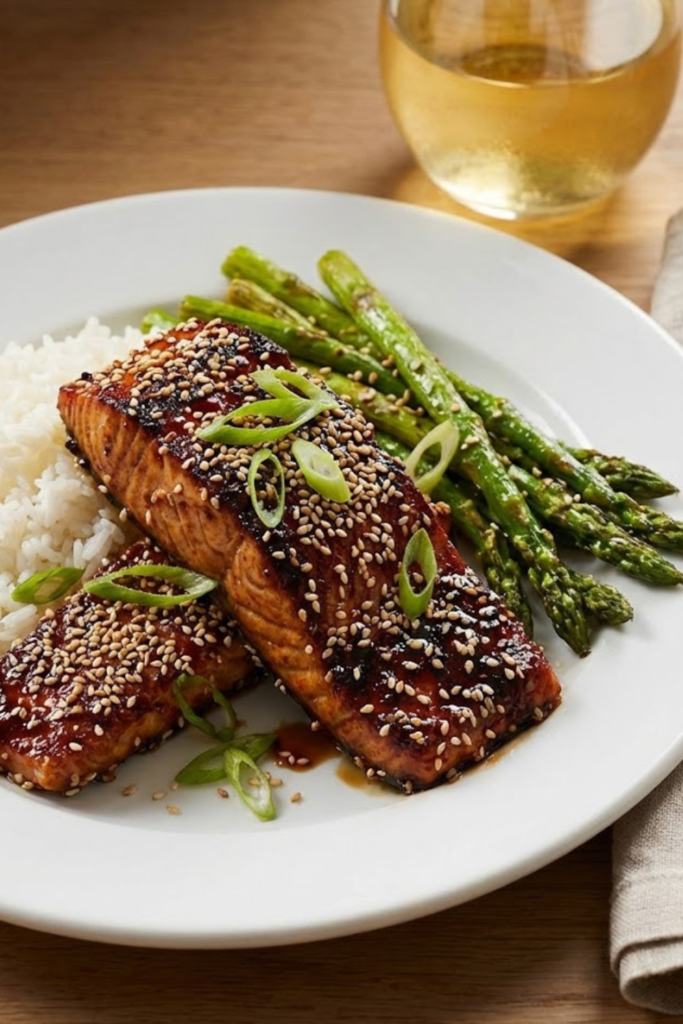
In my humble opinion, rice is the MVP here. Since the glaze is so flavorful and salty, plain white rice is perfect for soaking up all that extra sauce. I usually go for jasmine rice sides because they are fluffy and have a nice floral aroma that matches the ginger in the glaze.
If I’m trying to be a bit healthier (or if my jeans are feeling tight), I’ll swap the white rice for quinoa. It has a nutty flavor that actually works really well with the soy sauce.
- Pro Tip: If you want to keep it low carb, cauliflower rice is a solid option. Just don’t overcook it, or it turns to mush. I learned that the hard way.
Vegetable Options That Work
You need something green on that plate. Brown fish and white rice look kind of sad and beige without a pop of color. My go-to is an asparagus side dish. I just toss the spears in olive oil and roast them in the oven while the salmon cooks on the stove. They take about the same amount of time, which is a lifesaver.
If asparagus isn’t in season, garlicky green beans are amazing. You can blanch them quickly and toss them in the same pan you cooked the fish in (after you remove the fish, obviously) to pick up that leftover flavor.
For a more Asian-inspired vibe, I love doing a quick bok choy recipe. Halve the baby bok choy and sear it face down. It looks fancy but takes literally three minutes.
Don’t Forget the Garnish
I used to think garnishes were just for restaurants. Who has time to chop green onions on a Tuesday? Well, turns out, I do. Adding a salmon garnish makes the dish look finished.
- Green Onions: Slice them thin. The sharp onion bite cuts through the sugar.
- Sesame Seeds: Toasted sesame seeds add a little crunch and make you look like a pro chef.
Honestly, even if the food tastes good, we eat with our eyes first. Throwing some green stuff on top hides a multitude of sins. If I accidentally burn a corner of the fish, I just cover it with extra scallions. Problem solved!
Wine Pairing (For the Adults)
If it’s been a long week, I’m definitely pouring a glass of wine. Since this dish has a strong flavor profile, you need a wine that can stand up to it. A light Pinot Noir is surprisingly good with salmon. If you prefer white, go for a dry Riesling. It has enough acidity to balance the sticky glaze without getting lost.
Storing and Reheating Leftovers
I need to share a slightly embarrassing story with you. A few years ago, I was “that person” in the office breakroom. You know the one. I brought leftover fish for lunch and decided to nuke it in the communal microwave. The smell was… indescribable. My coworkers were not happy, and I ended up eating my rubbery, overheated lunch in shame at my desk. I learned a valuable lesson that day: reheating fish is an art form, and the microwave is usually the enemy.
If you are lucky enough to have leftovers of this brown sugar glazed salmon, don’t ruin them! With a little care, tomorrow’s lunch can be just as good as tonight’s dinner.
The Fridge Situation
First off, let’s talk storage. You can’t just throw the plate in the fridge uncovered (my husband does this, and it drives me crazy). You need an airtight glass container.
Cooked salmon will stay good in the refrigerator for up to 3 days. After that, it gets a little sketchy. I actually love using this recipe for meal prep salmon because it holds up well for a few days. Just make sure you let it cool down completely before putting the lid on. If you trap the steam, the crispy skin turns into a soggy mess.
To Freeze or Not to Freeze?
I get asked this a lot: “Can I freeze the cooked salmon?” Technically, yes. But honestly? I wouldn’t recommend it for this specific dish.
The high sugar content in the glaze changes texture when it freezes and thaws. It can get kind of weird and watery. Plus, thawed cooked salmon tends to be dry. If you absolutely must freeze it, wrap it tightly in plastic wrap and then foil. It’ll last about a month, but don’t say I didn’t warn you about the texture!
The Right Way to Reheat
Okay, step away from the microwave! If you want to enjoy your leftover salmon ideas, you need to reheat it “low and slow.”
- The Oven Method: Preheat your oven to 275°F (135°C). Place the salmon on a baking sheet and cover it loosely with foil. This traps the moisture. Heat it for about 15 minutes. It warms it through without cooking it further.
- The Skillet Method: If you are in a rush, put a splash of water in a skillet over medium-low heat. Add the salmon, cover the pan, and let it steam for 3-4 minutes.
The water helps bring that sticky glaze back to life. If it looks dry, I sometimes add a tiny drop of soy sauce or water to loosen it up again.
Cold Is Gold
Honestly, sometimes I don’t even bother reheating it. Cold salmon is actually delicious. I’ll flake the cold fish over a big salad with some vinaigrette, or wrap it in a tortilla with some cream cheese and spinach.
It makes for a super refreshing lunch, and best of all, you won’t make any enemies in the office breakroom. Trust me, your coworkers will thank you.
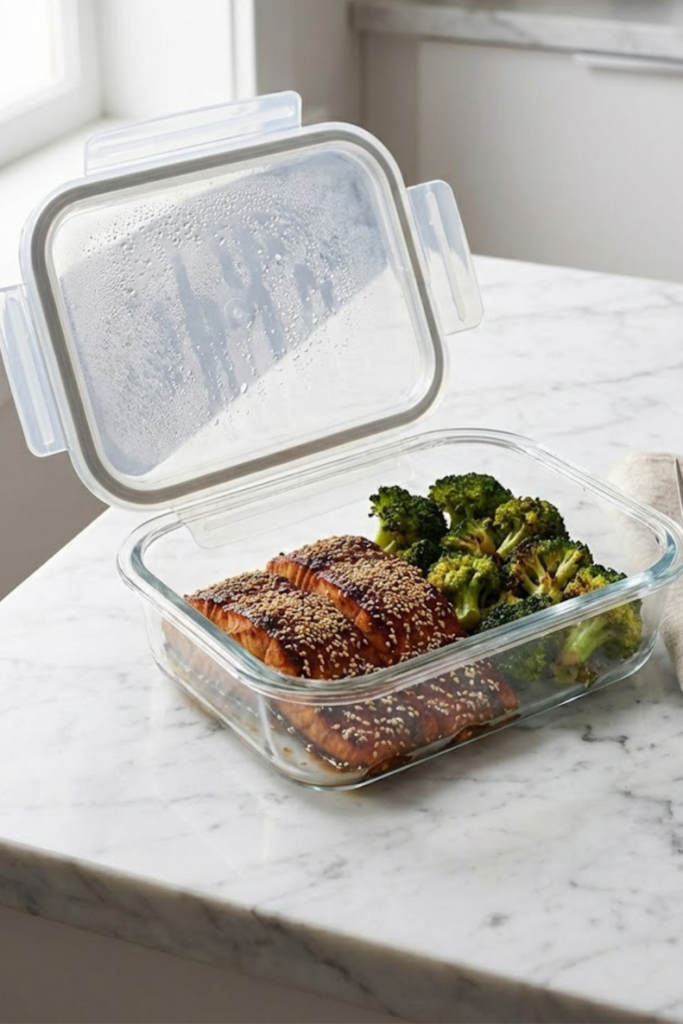
There you have it! A dinner winner that takes almost zero effort but tastes like a high-end restaurant meal. I honestly can’t tell you how many times this recipe has saved me when I was staring into the fridge at 6 PM with absolutely no plan. It’s sweet, it’s savory, and best of all, it’s fast.+2
I hope you love this sticky, sweet brown sugar glazed salmon as much as my family does. It truly is a lifesaver on busy nights. If you make it, don’t stress about getting it perfect the first time. Just watch that heat, keep an eye on the sugar, and enjoy the process.
If you found this recipe helpful, please do me a huge favor! Pin this recipe to your “Weeknight Dinners” or “Healthy Seafood” board on Pinterest. It helps other home cooks find it, and it helps me keep sharing these recipes with you. Now, go enjoy that delicious dinner!