Where did all that leftover rice come from? Raise your hand if you hate throwing away food! I certainly do. Did you know that the average household wastes nearly 30% of the food they buy? It’s a total bummer! But here is the silver lining: that cold, clumpy rice sitting in your fridge is actually the secret weapon for the most incredible morning meal you’ve ever tasted. We aren’t just making dinner for breakfast; we are crafting a purpose-built, protein-packed Breakfast Fried Rice that hits all the right savory notes to kickstart your day. Let’s turn those leftovers into something legendary!

Why Day-Old Rice is Non-Negotiable
Listen, I used to be exactly like you. I would wake up with a craving for breakfast fried rice, look at my empty fridge, and think, “I’ll just make a fresh pot of rice right now. It’ll be fine.” Let me tell you right now, as a friend—it will not be fine. I learned this the hard way about five years ago when I tried to impress my in-laws with a “quick” brunch.
I threw steaming hot, fresh rice into the wok with my bacon and eggs. You know what happened? It turned into a gloopy, sticky paste that looked more like sad oatmeal than a savory morning meal. It was humiliating, honestly. I tried to salvage it with more soy sauce, but that just made it salty mush. The lesson was learned that day: fresh rice is the enemy of a good fry up.
The Mushy Rice Incident
When rice is fresh, it is packed with moisture. The grains are swollen and sticky because the starches are fully gelatinized. If you throw that into a hot pan with oil and sauce, the grains just disintegrate. They clump together because they are holding onto too much water.
You don’t want clumps; you want distinct, individual grains that dance around the pan. That specific texture—that slightly chewy bite—is what separates a sad bowl of mush from restaurant-quality breakfast fried rice. I remember scraping that gummy mess into the trash after my in-laws left. It was a total waste of good bacon, and I swore I’d never make that mistake again.
The Science Behind the Crunch
There is actually a fancy word for what happens to rice when it sits in the fridge: retrogradation. Basically, as the rice cools down, the starch molecules crystallize and harden. This sounds bad, but it is actually perfect for us. This process dries out the grains just enough so they can absorb the fat and sauce without getting soggy.
This is why that Chinese takeout container of rice from last night is actually gold. It has had time to dry out and firm up. When the heat of the wok hits it, the rice fries rather than steams. That is how you get that beautiful, slightly toasted flavor. It is a game-changer for your texture.
Cheating the System
Okay, but what if you really want breakfast fried rice and you didn’t plan ahead? I have been there plenty of times. I’m not always organized enough to meal prep on a Sunday. Here is a little trick I’ve picked up over the years that works in a pinch.
Cook your rice, but use a little less water than usual. Once it is done, spread it out in a thin layer on a large baking sheet. Put that sheet right under a fan or in the fridge for about 30 minutes. It isn’t as good as overnight rice, but it mimics the drying process pretty well. It gets the job done when you are desperate.
Choosing Your Grain
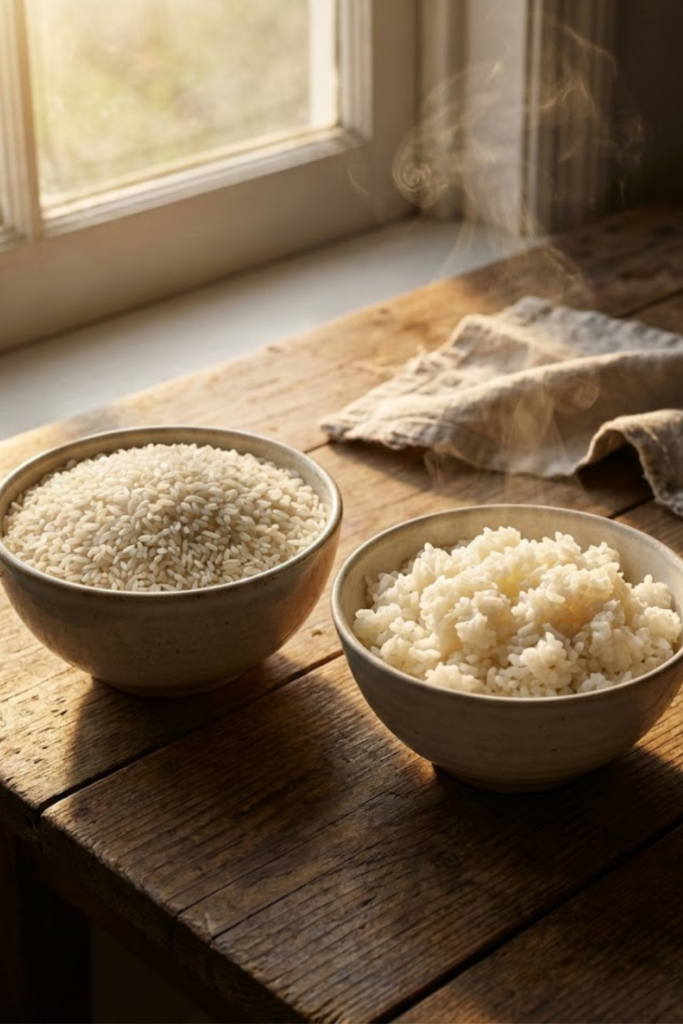
Not all rice is created equal, either. I used to think rice was just rice, but I was wrong. Short-grain sushi rice is too sticky, and long-grain brown rice can be a bit too tough for a morning meal. My absolute favorite is Jasmine rice.
It has a wonderful aroma and the grains stay separate nicely. Medium-grain white rice works great too. Just avoid anything labeled “glutinous” or “sticky” unless you want a workout for your jaw. Stick to the basics, let it get cold, and your breakfast is going to be amazing.
The Holy Trinity: Bacon, Eggs, and Aromatics
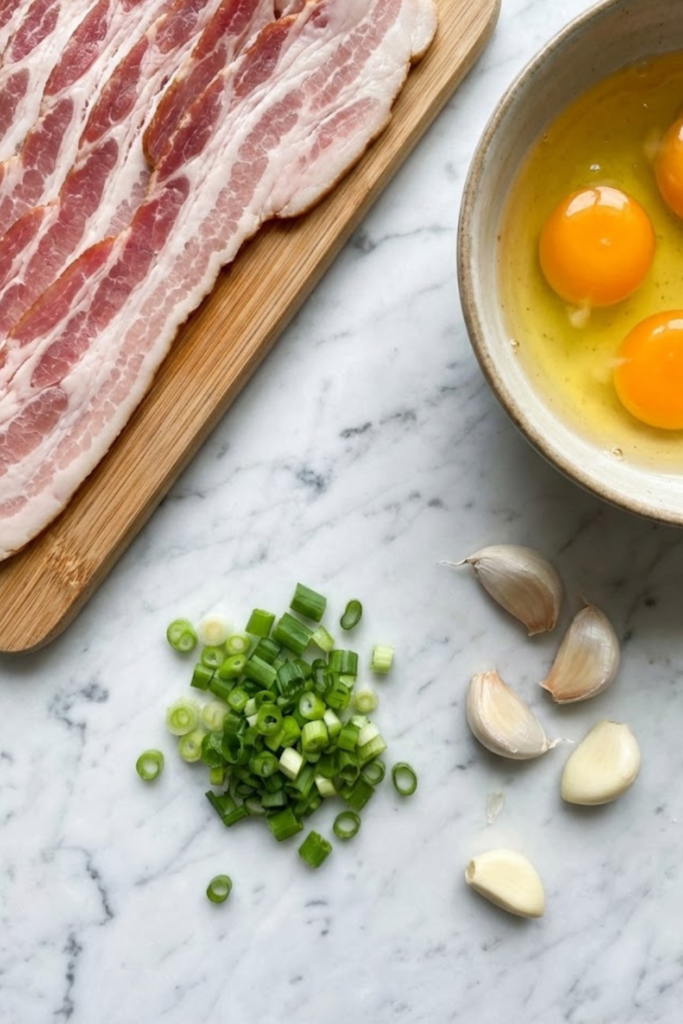
If there is one smell that can drag me out of bed on a cold Saturday morning, it’s bacon sizzling in a pan. There’s just something primitive about it, right? When we talk about breakfast fried rice, we aren’t just tossing random leftovers together. We are building a flavor profile that screams “good morning.”
I remember the first time I tried to make this without really thinking about the ingredients. I used ham lunch meat and powdered garlic. Yikes. It tasted like sad college food. Over time, I realized that three specific components—bacon, eggs, and fresh aromatics—make or break this dish. Get these right, and you are golden.
Bacon Selection and the “Liquid Gold”
Let’s be real for a second. Cheap, paper-thin bacon just disappears in a stir-fry. I’ve made the mistake of buying the bargain pack, and it just shriveled up into dry little salty bits that got lost in the rice. You want thick-cut bacon here.
The goal isn’t just the meat; it is the fat. When you chop that bacon into bite-sized pieces and cook it slowly, you render out the fat. That grease is liquid gold. Do not drain it! I used to drain it because I thought I was being “healthy,” but I was just robbing my breakfast fried rice of its soul. You need that smoky fat to coat the rice grains later. It adds a depth that vegetable oil just can’t compete with.
The Egg Technique
Now, let’s talk about the eggs. This is where wars are started in the culinary world. Do you scramble them separately, or crack them right into the rice? I have tried both, and I have failed at both.
One time, I cracked the eggs directly onto the rice while it was frying. It turned into a weird, coating that made the rice look like yellow paste. It wasn’t appetizing. Now, I swear by the “push and cook” method. Once my aromatics are fragrant, I push everything to the side of the wok to create a well.
I drop the beaten eggs into that hot, empty space. I let them set for a few seconds before scrambling them right there. This keeps the fluffy eggs distinct so you get nice, big curds mixed throughout the bowl. It looks better and tastes better.
Aromatics: The Flavor Base
If you are using garlic powder, please stop. I’m asking you as a friend. Fresh aromatics are non-negotiable for a savory breakfast. I used to burn my garlic constantly because I added it too early with the bacon. Burnt garlic tastes bitter and ruins the whole vibe.
The secret is specifically the white parts of the green onions and fresh ginger. I toss these in right after the bacon is crisp but before the rice hits the pan. It smells like heaven. Save the green parts of the onions for the garnish at the end; they provide that fresh crunch you need to cut through the heavy bacon fat.
Finding the Sauce Balance
Finally, don’t go crazy with the soy sauce. I used to think “more is better” and ended up with a brown, salty disaster that made me chug water all day. You want to season the rice, not drown it.
A splash of soy sauce for salt and a tiny drizzle of toasted sesame oil for aroma is all you need. Sometimes I add a drop of oyster sauce if I’m feeling fancy, but keep it simple. The bacon is already salty, so taste as you go. Trust me, you can always add more, but you can’t take it out.
Mastering the Wok: Step-by-Step Instructions
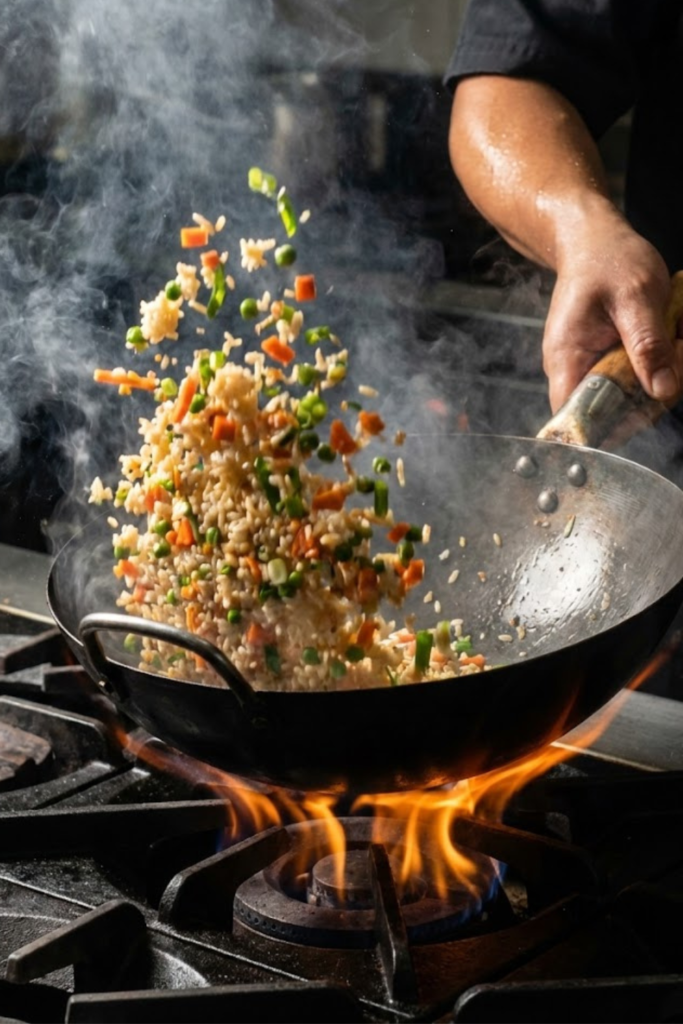
I’ll admit it—I used to be terrified of my wok. It sat in the back of my cupboard gathering dust because every time I used it, I set off the smoke alarm. I thought I was doing something wrong, but it turns out, smoke is actually part of the deal. If you want restaurant-quality breakfast fried rice, you have to get comfortable with high heat.
When I finally embraced the heat, my cooking changed forever. I stopped trying to gently sauté things and started actually frying them. You need that pan ripping hot before the oil even touches it. If you are using a non-stick pan, be careful, but if you have a carbon steel wok or cast iron, crank that burner up.
Managing the Heat and “Wok Hei”
There is a Cantonese phrase called wok hei, which basically means the “breath of the wok.” It’s that smoky, charred flavor you get from a good takeout spot. I used to think I needed a jet engine burner to get it, but you can get close at home. The trick is letting the pan get hot enough that the oil shimmers instantly.
Don’t crowd the pan, either. I used to dump everything in at once because I was impatient. That just cools down the wok instantly and makes your food steam instead of fry. Cook in batches if you have to. It makes a huge difference in the final taste.
The Critical Cooking Order
The sequence of ingredients matters more than you think. I learned this the hard way by burning my garlic to a crisp while waiting for my bacon to cook. It was bitter and ruined the whole batch of breakfast fried rice.
Here is the flow that works for me:
- Crisp the meat: Cook the bacon first to render the fat, then take the meat out.
- Aromatics: Throw in your onions and garlic for just 30 seconds so they don’t burn.
- The Rice: Add the cold rice immediately to stop the garlic from scorching.
- Sauce: Pour the soy sauce around the rim of the wok, not directly on the rice, so it sizzles.
- Combine: Toss the bacon back in and finish with the eggs.
Breaking the Clumps
Now, let’s talk about the rice clumps. When you dump that cold block of rice into the pan, your instinct is to smash it with the back of your spatula. Don’t do that! I used to squash the grains flat, turning them into mushy paste.
Instead, use a chopping motion. Stab at the clumps with the tip of your spatula to break them apart gently. It takes a little patience, but it keeps the grains whole and distinct. You want individual grains that are slightly crispy on the outside, not a mashed potato consistency.
The Final Toss
Fried rice is a workout. Once everything is in the pan, you need to keep it moving. If you let it sit too long, it burns; if you don’t move it enough, the sauce clumps in one spot. I like to think of it as a constant tumble dryer motion.
Keep tossing until every single grain is coated in that light brown color. If you see white spots, you aren’t done yet. This constant motion evaporates any remaining moisture, giving you that perfect, dry texture we are aiming for. It’s fast, furious, and totally worth the effort.
Customizing Your Morning Bowl
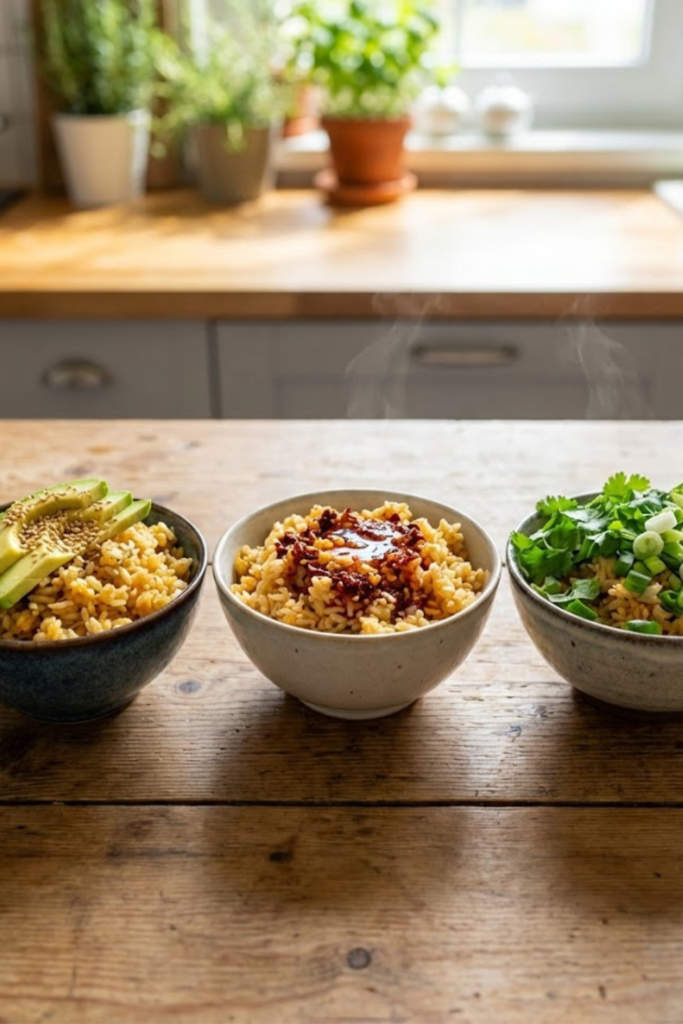
Look, I love bacon just as much as the next guy. But eating the exact same breakfast fried rice every single Saturday can get a little boring. I learned this when my kids started groaning every time I pulled out the wok. It was a wake-up call.
I realized I was stuck in a rut. I thought the recipe was perfect, so why change it? But cooking is supposed to be fun, right? So, I started experimenting with different flavors, and let me tell you, some were total disasters.
The Vegetarian Swap That Actually Works
I used to think vegetarian food was rabbit food. I tried swapping the bacon for plain tofu once, and it was awful. It tasted like wet sponges mixed with rice. I almost gave up on the idea right there.
But then I discovered smoked tofu. If you dice it up and fry it hard in the oil, it gets this chewy, crispy texture that mimics meat surprisingly well. Mushrooms are another solid option for vegetarian swaps. Just make sure you cook the water out of them first, or your rice will get soggy.
Bringing the Heat
I am a total wimp when it comes to spice, or at least I used to be. I accidentally dumped way too much cayenne pepper in a batch once, and we were all chugging milk for an hour. It wasn’t my finest moment.
Now, I control the spicy kick with toppings rather than cooking it into the dish. My current obsession is chili crisp. A spoonful of that crunchy, oily garlic goodness on top changes everything. Sriracha is a classic, of course, but diced jalapeños added with the aromatics give a nice fresh heat if you’re feeling brave.
Sneaking in the Greens
Getting my family to eat vegetables is like pulling teeth. I found that if I chop spinach finely enough, it just looks like herbs in the breakfast fried rice. It wilts down to nothing, so you get the nutrition without the complaints.
Frozen peas are another easy win for adding greens. You don’t even have to thaw them; just toss them in at the very end. They add a little pop of sweetness that balances out the salty soy sauce perfectly.
Protein Variations
If you want to stick to meat, you have to try Spam. Don’t judge me until you try it! Fried cubes of Spam are salty, crispy little flavor bombs that were basically made for rice. It’s a Hawaiian classic for a reason.
I also love using Portuguese sausage or crumbling up some breakfast sausage. The key is to match the protein to your mood. Sometimes you want the smokiness of sausage, and sometimes you just want the comfort of salty canned meat. There are no rules here, just make what tastes good to you.
Storing and Reheating for Meal Prep
I used to serve my family leftover breakfast fried rice that could practically chip a tooth. I thought reheating it was just a matter of blasting it in the microwave for two minutes. Big mistake.
The rice came out dry, rubbery, and honestly, kind of offensive. It was the kind of meal that makes you want to order pizza instead. But over the years, I’ve figured out how to keep it fresh so my hard work doesn’t go to waste.
The Fridge Life Rule
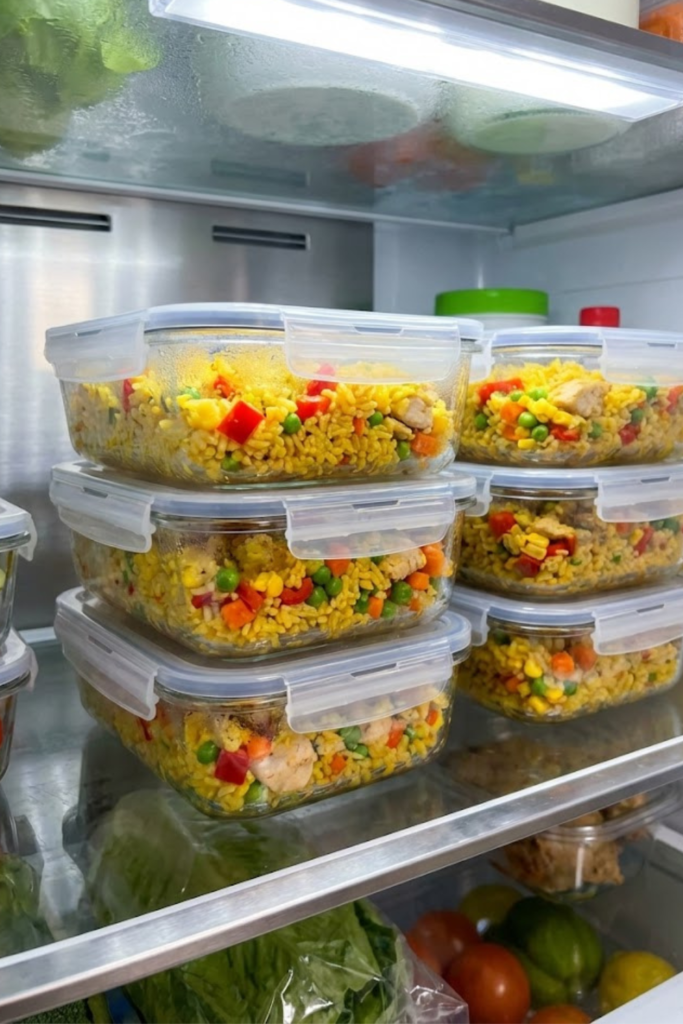
First off, don’t let this sit in your fridge forever. I know we all have that one container we’re afraid to open because we forgot when we put it there. Generally, cooked rice is good for about three to four days.
I once tried to push it to a full week because I hate throwing food away, and let’s just say my stomach did not thank me. It’s not worth the risk. If you aren’t going to eat it by Wednesday, you need a different plan.
Freezing for Future You
Freezing rice sounded weird to me at first. I thought it would turn into mush when it thawed out. But if you do it right, it’s a total lifesaver for meal prep.
I like to portion the rice into individual glass containers or freezer bags right after it cools. Squeeze all the air out if you use bags to avoid that gross freezer burn taste. Having a grab-and-go breakfast ready for those chaotic Monday mornings feels like a cheat code for adulthood.
The Microwave Hack
If you are reheating in the microwave, you need moisture. This is the trick that changed my life: the damp paper towel. Wet a paper towel, wring it out so it’s not dripping, and drape it right over your bowl.
It creates a little steam sauna for your rice. This steams the grains while they heat up, making them fluffy again instead of hard little pellets. It works every single time and saves you from a sad, dry desk lunch.
Stovetop Revival
If you have a few extra minutes, the stove is always better. Throw the rice back in a pan with a splash of water or chicken broth. I usually add about a tablespoon of liquid per cup of rice.
Cover it with a lid for a minute to let it steam, then stir it around until it’s hot. It tastes almost as good as it did fresh off the wok. It revives the texture perfectly without making it soggy.
There you have it—a reason to actually look forward to your alarm clock going off! This breakfast fried rice isn’t just a clever way to clean out the fridge; it is a savory, satisfying masterpiece that fuels you for whatever the day throws your way. The combination of salty bacon, rich eggs, and garlic-infused rice is honestly addictive.
I remember thinking rice for breakfast was strange until I took that first bite. Now? I can’t imagine my weekends without it. It has saved me on so many busy mornings when I needed something hearty but didn’t have the energy for a full production.
Give this recipe a try this weekend. I promise you’ll never look at leftover takeout rice the same way again. And hey, do me a huge favor? When you make it and realize how life-changing it is, snap a photo and share it on Pinterest! It helps other hungry folks find this recipe, and I’d love to see your creations on your breakfast boards.