I used to be absolutely terrified of cooking fish in a skillet! I thought I’d burn it to a crisp every single time. But then I discovered the magic of blackening—a technique that looks burnt but tastes like heaven. Did you know that true blackened salmon isn’t about burning the fish, but toasting the spices? It’s a game-changer!
In this article, we are going to dive deep into this blackened salmon recipe. It is bold. It is fast. And honestly? It is going to be the best thing you cook all week. Whether you are looking for a quick weeknight meal or impressive dinner party food, this Cajun-inspired dish delivers serious flavor without the fuss. Let’s get that cast iron hot!
What is Blackening? Understanding the Cajun Technique
I have to be honest with you—the first time I tried this cooking method, I almost called the fire department. No joke. I had this beautiful piece of fish, a cheap non-stick pan (big mistake, by the way), and the heat cranked up to “surface of the sun.” Within two minutes, my small apartment was filled with gray smoke, the alarm was screaming, and my dog was hiding under the sofa.
I thought I had ruined dinner. But when I finally tasted the fish? It was incredible.
That is the chaotic beauty of making blackened salmon. It feels wrong while you are doing it, but the result is so right.
The “Burnt” Myth
A lot of people think “blackened” is just a fancy word for “burnt,” but that’s not true at all. I used to think the same thing! I’d see a dark crust and assume the chef just forgot about the food.
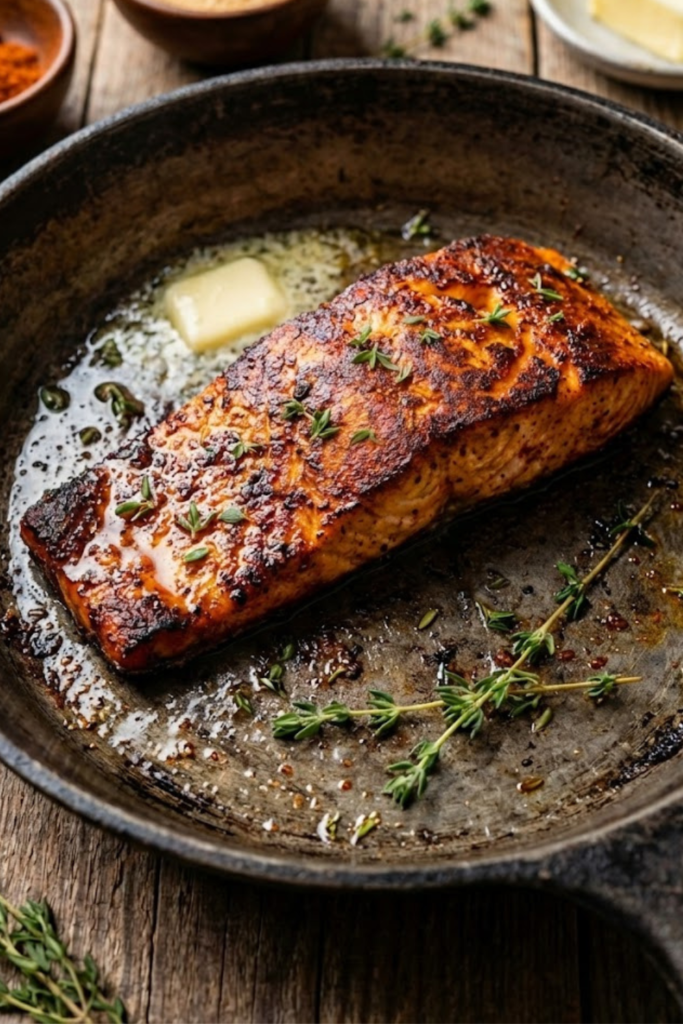
Actually, the black color comes from a specific reaction. It is the butter solids and the spices toasting together instantly when they hit the hot metal2. You aren’t burning the fish flesh itself; you are creating a super-flavorful crust of browned spices. If the fish itself is carbonized, well, then you actually burned it. We have all been there.
The goal is a dark, reddish-brown to black crust, while the inside of the salmon stays juicy and tender.
A Quick History Lesson (Don’t Worry, It’s Short)
We actually have Chef Paul Prudhomme to thank for this. Back in the 80s, in New Orleans, he popularized this technique with redfish. It got so popular that redfish almost went extinct because everyone wanted to eat it!
Thankfully, we can use sustainable salmon now. The Cajun technique relies heavily on fat—usually melted butter—and a heavy hand with the seasoning rub. You can’t be shy with the spices here. If you are stingy with the paprika and cayenne, you won’t get that signature crust.
Why You Need High Heat
Here is a tip I learned the hard way: you cannot do this on medium heat. It just doesn’t work.
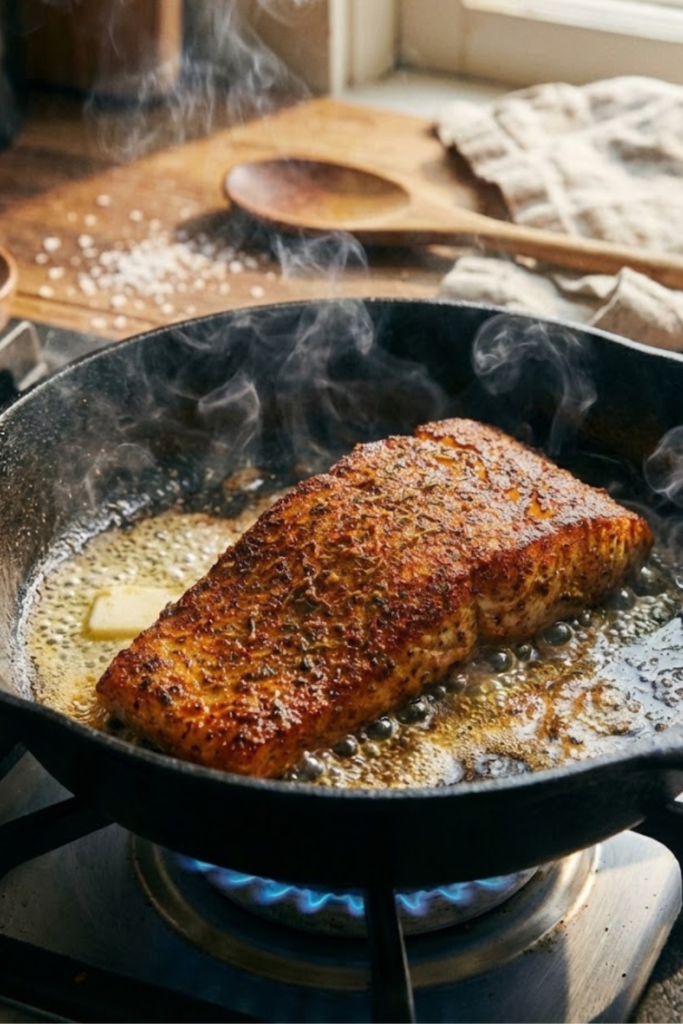
To get a proper blackened salmon fillet, your pan needs to be smoking hot. Literally. This creates a barrier that seals in the moisture immediately. If the pan is too cold, the fish just steams in its own juices, and the spices turn into a mushy paste. Gross.
Practical Advice Before You Start
Since we are talking about high heat and smoke, let’s get real about your kitchen setup.
- Turn on the fan: Do this before you even light the stove. If you have a window, open it.
- Ditch the non-stick: Teflon pans can’t handle the heat needed for blackening. You need a cast iron skillet or sturdy stainless steel.
- Be brave: It’s going to get smoky. Don’t panic and pull the fish off too early.
I remember standing over the stove, coughing a little, wondering if I was doing it right. But once you flip that fish and see that perfect, dark, crispy layer? You will feel like a total pro. Just maybe warn your family about the smoke beforehand.
The Essential Blackened Seasoning Blend Ingredients
You know that drawer in your kitchen? The one where half-used spice jars go to die? Yeah, I have one of those. For the longest time, my idea of seasoning was just grabbing whatever was in the front and hoping for the best.
But when I started trying to make blackened salmon, I realized something important. The spices aren’t just a garnish here. They are the entire point.
If you use stale, gray-looking paprika from 2018, your fish is going to taste like dusty cardboard. Trust me, I have done it. It was a sad dinner.
The Spice Trinity
To get that authentic flavor, you really need to focus on a few key players. You can’t just throw random things in the bowl.
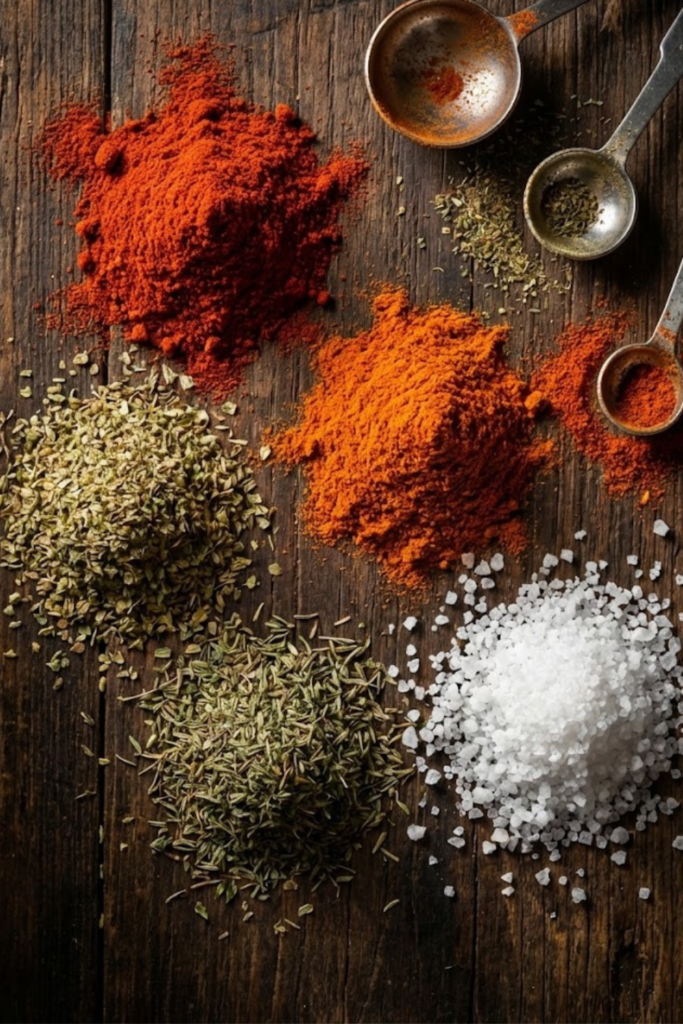
First up is paprika. This is the heavy lifter. It gives the fish that beautiful, deep red color that turns black (in a good way) when it hits the heat. I personally prefer smoked paprika because it adds that campfire vibe, but sweet paprika works if you want a milder taste.
Then, you have cayenne pepper. This is where the kick comes from.
I remember one time I got distracted and accidentally dumped a tablespoon of cayenne instead of a teaspoon. My husband was sweating profusely after one bite! We had to scrape the crust off just to finish the meal. Lesson learned: measure the hot stuff carefully.
Finally, garlic powder. Not fresh garlic! Fresh garlic will burn and turn bitter in the high heat we are using. You need the powder for this blackened seasoning because it can withstand the temperature.
Herbs and Balance
It’s not just about the heat, though. You need something earthy to ground the flavors.
That is where dried thyme and dried oregano come in. I used to skip these because I didn’t think they mattered. I was wrong. The herbs add this savory aroma that fills the kitchen when the butter starts sizzling. Without them, the spice blend just feels flat.
Also, don’t forget onion powder. It adds a sweetness that balances out the sharp cayenne.
DIY vs. Store-Bought: The Salt Trap
Here is the biggest secret I can give you. Stop buying those pre-mixed Cajun canisters at the grocery store.
Why? Salt.
Most store-bought blends are like 60% salt. Since blackening requires you to heavily coat the fish—I mean, really caked on—if you use a store-bought mix, you are basically encrusting your salmon in a salt lick. It is inedible.
By making your own homemade blackening spice, you control the sodium. I like to keep the salt separate. I salt the fish first, then apply the salt-free spice rub. It gives you way more control.
Plus, mixing it yourself makes you feel like a wizard in the kitchen. It takes five minutes, and you can store the leftovers in a jar for next time. Just maybe label it so you don’t mistake it for cinnamon later. I may or may not have put Cajun spice in my oatmeal once. Don’t ask.
Choosing the Best Salmon for Blackening
I used to stand at the seafood counter staring at the fish like they were alien artifacts. I had no idea what to pick. One time, I bought a super thin, delicate white fish—I think it was sole?—and tried to blacken it. It disintegrated instantly. I basically served spicy fish confetti for dinner that night.
It was a mess, and I felt like I had wasted money. But it taught me that the type of fish you choose creates the foundation for the whole meal. You can’t just grab anything and hope for the best.
Fat Content Matters
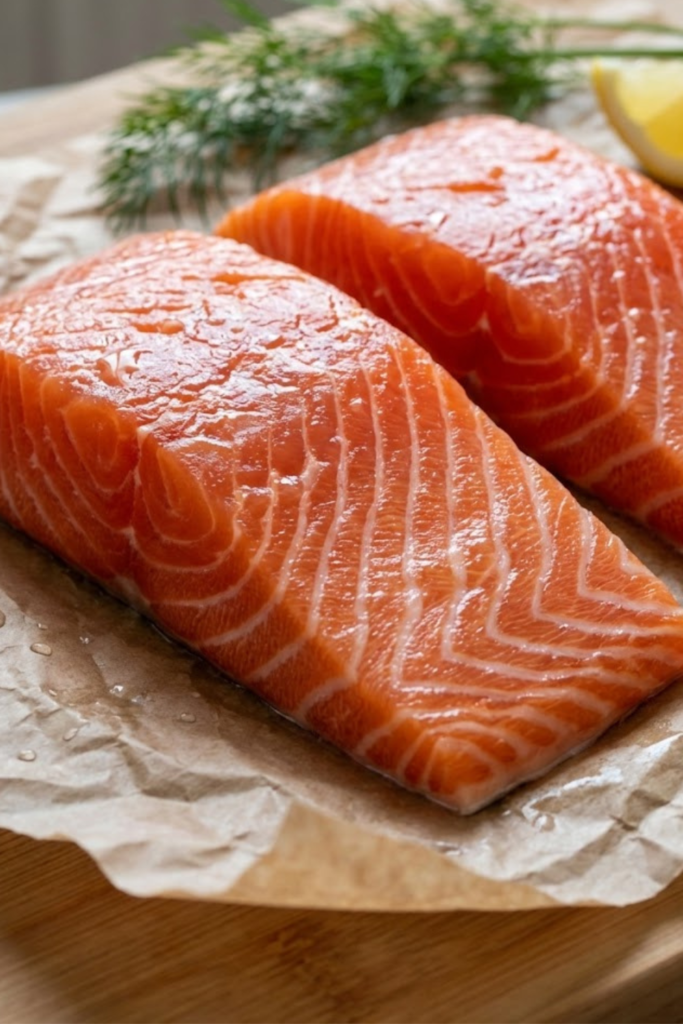
The reason blackened salmon works so well is the fat. You need a fish that can stand up to the aggressive heat of a cast iron skillet without turning into leather. Lean fish just dry out and get rubbery when you blast them with high heat.
Salmon is loaded with natural oils and omega-3s. That fat renders down as it cooks, keeping the inside moist even while the outside is getting that intense char. It acts like a built-in safety net for us home cooks.
If you overcook it by a minute, the fat saves you. It keeps the salmon fillets juicy when a leaner fish would be ruined.
The Great Skin Debate
Should you buy skin-on salmon or skin-off? This is a polarizing topic in my house. My kids refuse to eat the skin, but I love it.
I am firmly on team skin-on. Here is why: the skin acts like a structural support beam. When you are flipping that fish in a scorching hot pan, a skinless fillet is way more likely to break in half.
Plus, if you crisp the skin up right, it’s like a salty, crunchy chip. Delicious. If you really hate the skin, you can remove it after cooking, but I’d say cook with it on to keep the fish intact.
Varieties: Atlantic vs. Sockeye
Not all salmon is created equal, and this affects your cooking time big time.
I usually grab Atlantic salmon for blackening. It is generally thicker and fattier, which makes it very forgiving. It stays juicy even if you get distracted by a phone notification or a pet begging for food.
Sockeye salmon is that deep, vibrant red color. It tastes amazing—more “fishy” and robust—but it is usually much thinner. If you use Sockeye, you have to be fast.
I learned that the hard way after turning a gorgeous piece of wild-caught Sockeye into a dry hockey puck. It cooks in literally half the time of Atlantic salmon. It was an expensive mistake I won’t make again.
A Note on Frozen Fish
Don’t feel bad about buying frozen fish. I keep a bag of frozen fillets in the freezer for emergency dinners.
Just make sure they are fully thawed before you cook. And—this is crucial—pat them completely dry with paper towels. If they are wet, they won’t blacken; they will steam. And nobody wants steamed Cajun fish.
Step-by-Step: How to Cook Blackened Salmon Perfectly
Okay, deep breath. This is the moment of truth.
I remember the first time I actually got the technique right. I was sweating, the kitchen was hazy, and I was convinced I had just incinerated expensive seafood. But when I took a bite, it was pure magic.
You don’t need a culinary degree to do this, but you do need to follow the steps. If you try to wing it, you’ll end up with a soggy mess or a charcoal briquette. I’ve done both.
The Prep Work: Dry It Out
This is the step everyone skips. Don’t skip it.
Take your salmon fillets and pat them dry with paper towels. I mean really dry. If the fish is wet, the butter won’t stick, and the spices will slide right off.
I used to just throw the fish in the pan wet because I was lazy. The result? Steamed fish with a weird, sludge-like topping. Not appetizing.
Once it’s dry, you need a dredging station. Traditionally, you dip the salmon in melted butter. Yes, butter. It helps the blackening spice rub adhere and creates that signature crust. If you are watching your waistline, you can use olive oil, but let’s be real—butter tastes way better.
The Coat: Don’t Be Shy
Pour your seasoning onto a plate. Now, press the flesh side of the salmon firmly into the spices.
Don’t just sprinkle it on like fairy dust. You want a thick, solid coating. I usually coat the top and the sides, leaving the skin alone.
I once watched a friend lightly dust the fish because she was afraid of the heat. It just tasted like bland salmon with a hint of pepper. You want the fish to look completely covered, almost like it’s breaded.
The Sear: Heat is Your Friend
Now, grab your heavy cast iron skillet. Place it on the burner and crank the heat to medium-high.
Let it get hot. Like, smoking hot.
Add a small knob of butter or a splash of oil to the pan. It should hiss immediately. Carefully lay the salmon in the pan, seasoned side down. Lay it away from you so you don’t get splashed with hot oil. I have a tiny scar on my wrist from ignoring this rule.
The Hardest Part: Don’t Touch It
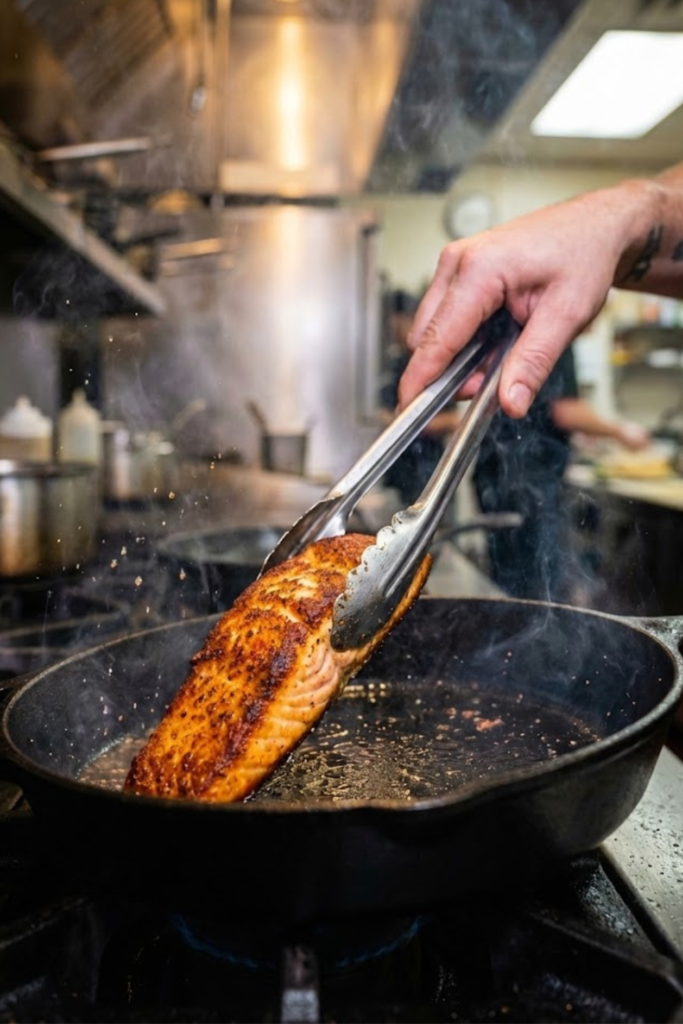
Here is where most people mess up. Once that fish hits the pan, do not move it.
Set a timer for 3 to 4 minutes. Just stand there and watch. You might see smoke. That is normal! Turn on your exhaust fan.
If you try to lift the fish and it sticks to the pan, it’s not ready. Put it back down. The salmon fillet will naturally release from the metal when the crust is formed. When you flip it, it should be dark—blackened, not burnt.
Cook the skin side for another 3-4 minutes.
I always keep a meat thermometer handy because I’m paranoid about undercooked fish. You are looking for an internal temp of about 125°F to 130°F for medium-rare to medium. It will flake easily with a fork when it’s done.
Then, get it out of the pan immediately so it doesn’t overcook. High fives all around.
Perfect Pairings: What to Serve with Blackened Salmon
I have a confession to make. The first time I made this dish for guests, I got a little carried away with the theme. I served the spicy blackened salmon with spicy Cajun rice, spicy corn, and—I am not kidding—jalapeño cornbread.
It was a disaster.
My poor guests were sweating by the second bite. We drank about four gallons of milk that night just to survive. It taught me a valuable lesson: balance is everything. When your main dish punches you in the mouth with flavor, your sides need to be the peacekeepers.
Cooling Sides to the Rescue
Since the salmon fillets are packing heat, you really want something creamy or fresh to cool things down.
My absolute favorite pairing is a creamy coleslaw. The mayo and vinegar cut right through the heavy spices and cleanse your palate. It is a classic combo for a reason.
If you aren’t a fan of mayo, try a cucumber salad or a fresh avocado salsa.
I threw together a quick avocado salsa last week—just diced avocado, lime juice, and cilantro—and it transformed the whole meal. The creamy texture of the avocado matches perfectly with the flaky fish. It felt fancy, but it took me like three minutes to chop up.
The Carbohydrate Situation
You need something to soak up that delicious butter and spice that’s left on the plate.
Dirty rice is the traditional choice, and it is delicious. But if you want to keep it simple, garlic butter pasta is a huge hit with my kids. They call it “butter noodles,” but I throw some parsley in there to make myself feel better.
Another great option is roasted sweet potatoes. The natural sweetness of the potato contrasts so well with the salty, smoky rub on the fish. Plus, you can toss them in the oven while you manage the smoking skillet on the stove. It keeps your hands free.
Don’t Forget the Greens
We should probably talk about vegetables, right? I try to force my family to eat something green with every meal.
Sautéed spinach is my go-to because it cooks in seconds. Literally. You blink and it’s done.
Asparagus is another winner. I usually just roast it with a little olive oil and lemon. You don’t want to over-season the veggies. Let the salmon be the star of the show.
If you are feeling festive, Cajun-style corn is amazing, but maybe go easy on the chili powder if you are serving kids.
The goal is to build a plate where every bite brings something different. A little spice, a little crunch, and something cool to put out the fire. Trust me, your taste buds will thank you.
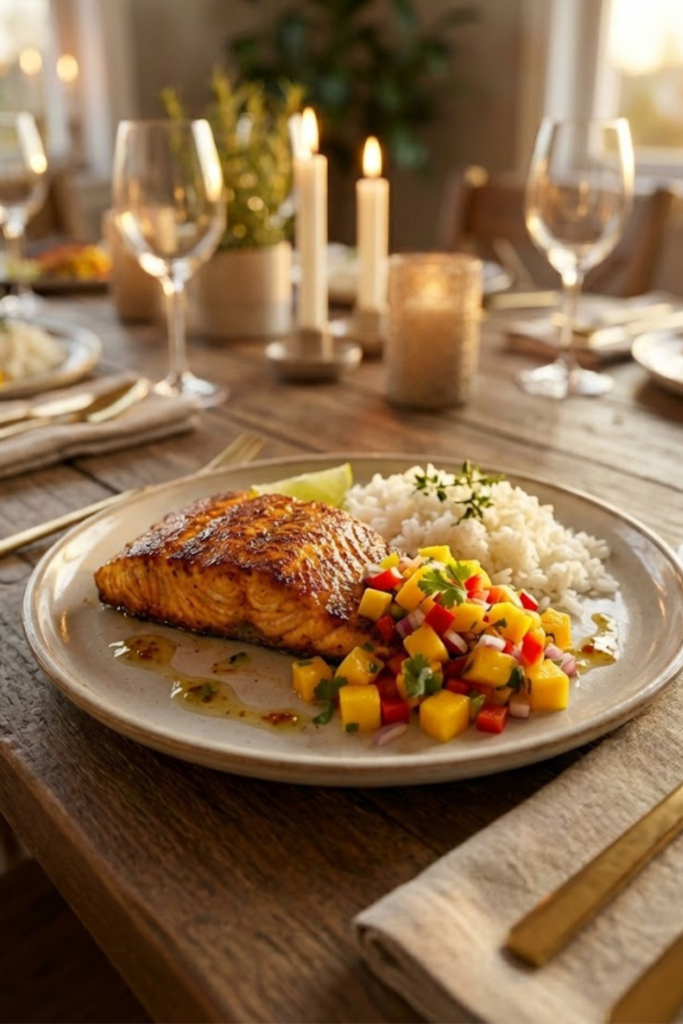
So, there you have it. We went from being terrified of setting off the smoke alarm to mastering one of the flavor-packed, healthy salmon recipes out there.
Making restaurant-style salmon at home isn’t just about saving money (though that is a nice bonus). It is about realizing that you don’t need complicated equipment to make incredible food. You just need a hot pan, some Cajun spices, and about 15 minutes.
I really hope you give this a shot this week. It is fast enough for a busy Tuesday but fancy enough to impress your in-laws on the weekend.
If you loved this guide, do me a huge favor. Pin this recipe on Pinterest! It helps other people find it, and it saves you from frantically searching for “spicy fish recipe” three months from now.