I used to be absolutely terrified of cooking fish. Seriously! I’d sweat bullets staring at the oven, convinced I was about to serve my family a dry, rubbery disaster. But did you know that nearly 40% of home cooks avoid making seafood simply because they are afraid of overcooking it? That stops today. I am going to show you how to make the best damn oven baked salmon that comes out buttery and flaky every single time! It’s easier than you think. Put down the takeout menu; we are making magic happen in your kitchen tonight!
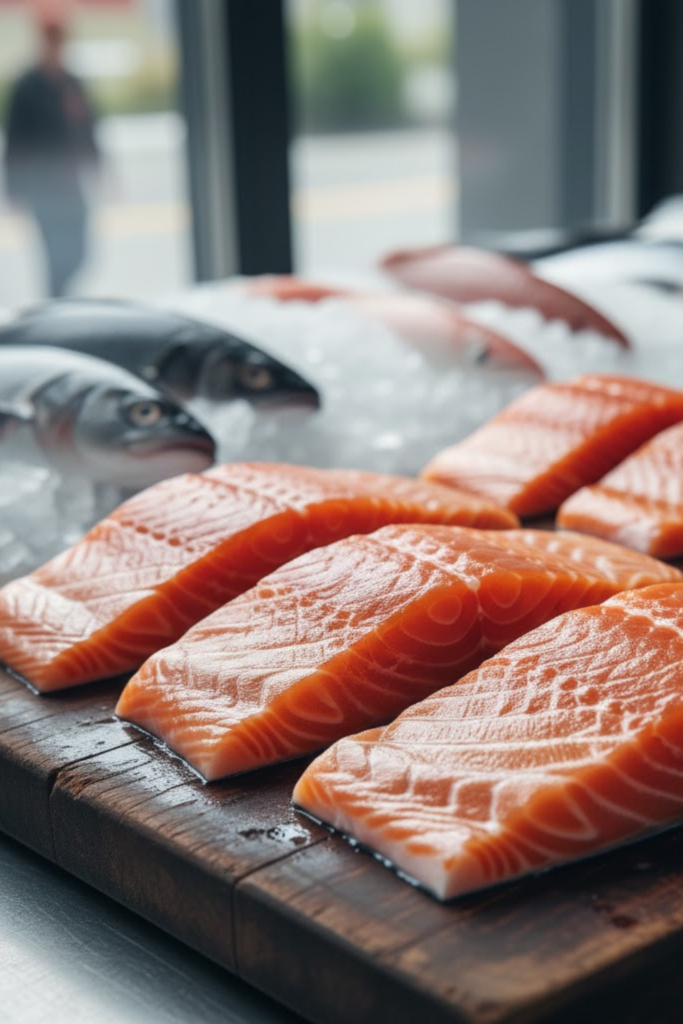
Choosing the Perfect Salmon Fillet for Baking
I used to think all pink fish in the display case were created equal. Big mistake. Huge! I remember the first time I tried to impress a date with a fancy “seafood dinner.” I walked into the store, grabbed the cheapest fillet I could find, and waltzed out feeling like a chef. Spoiler alert: it tasted like a muddy river, and the texture was mushier than baby food. I was mortified, to say the least. That’s when I learned that the best damn oven baked salmon starts way before you even preheat the oven. It starts at the grocery store.
If you’ve ever felt overwhelmed staring at the seafood counter, you are definitely not alone. It can be confusing! But getting the right piece of fish is honestly 90% of the battle here.
Wild-Caught vs. Farm-Raised: The Great Debate
Okay, so here is the tea on the types of salmon. You’ll usually see two main contenders: Atlantic salmon (usually farmed) and wild-caught varieties like Sockeye or King.
I personally love the rich, buttery taste of Atlantic salmon because it has a higher fat content. That fat is forgiving, which means if you accidentally leave it in the oven a minute too long (we’ve all been there), it won’t dry out instantly. It’s perfect for beginners.
On the flip side, wild-caught salmon, like Sockeye, has this incredible, deep red color and a more intense “fish” flavor. It’s leaner, though. So, if you go this route, you have to watch that timer like a hawk because it dries out faster than a sidewalk in July.
Fresh vs. Frozen: Don’t Be a Snob
Let me be real with you for a second. I use frozen salmon fillets probably 80% of the time. Fresh fish is amazing if you live near the coast, but for most of us, “fresh” at the supermarket was actually frozen and thawed out anyway.
Buying frozen is often cheaper and fresher because it’s flash-frozen right on the boat. Just make sure you thaw it properly! Don’t microwave it. Please, I am begging you.
Put the frozen package in the fridge the night before. If you are in a rush—and I am always in a rush—seal the fish in a plastic bag and submerge it in a bowl of cold water for about 30 minutes. It works like a charm.
The “Smiff” Test
This is the most practical advice I can give you. When you are buying fresh fish, it shouldn’t smell like fish. It should smell like the ocean—clean and salty.
If you catch a whiff of anything ammonia-like or overly “fishy,” walk away. Seriously, just turn around. You also want to look at the flesh. It should be firm and bounce back if you poke it (though maybe don’t poke the food in the store, you know?).
Avoid fillets that have gaps or separation in the meat; that usually means it’s old. We want firm, vibrant fillets for a healthy salmon dinner that actually tastes good.
Picking the right fillet might seem like a small detail, but it makes the difference between a sad, fishy meal and a restaurant-quality dinner. Trust me on this one!
The Secret Ingredient Marinade for Flavor
I have a confession to make. For years, my idea of seasoning fish was a sad sprinkle of salt and maybe a squeeze of an old lemon I found in the back of the fridge. It was tragic. I wondered why my home-cooked meals never tasted like the restaurants. I assumed they had some magic equipment I didn’t have. Turns out, I was just scared of flavor! Once I realized that salmon can handle—and actually needs—bold seasoning, everything changed.
To make the best damn oven baked salmon, you have to ditch the fear of over-seasoning. This fish is rich, so it needs a marinade that can stand up to it.
Butter Makes Everything Better
If you want that melt-in-your-mouth texture, you need fat. I used to use just olive oil, and while that’s fine, it’s not great. The real secret weapon here is melted butter.
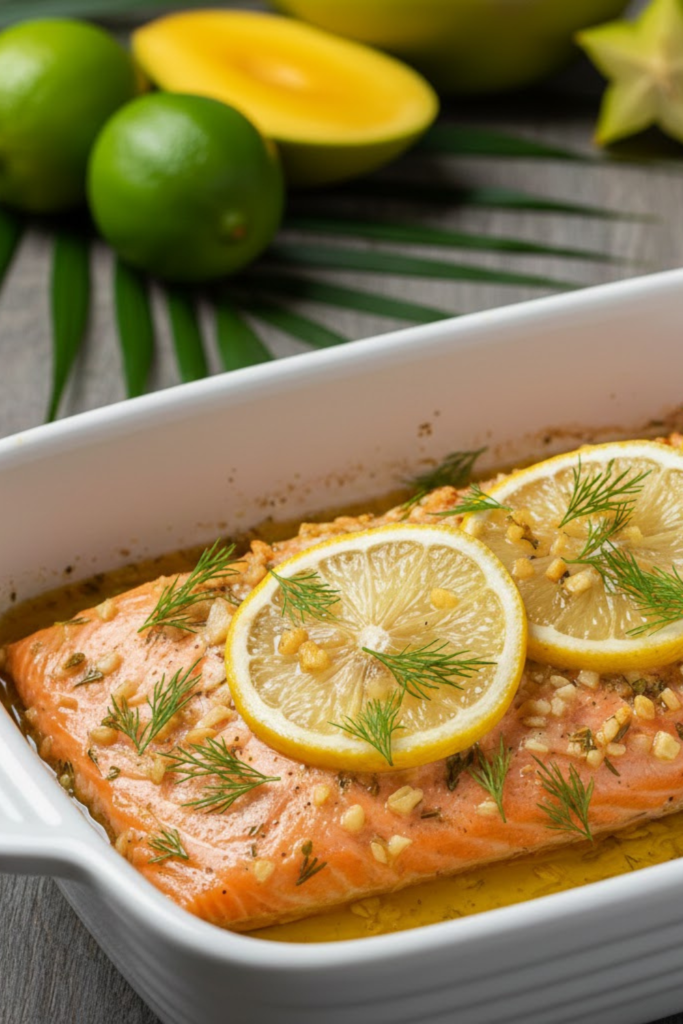
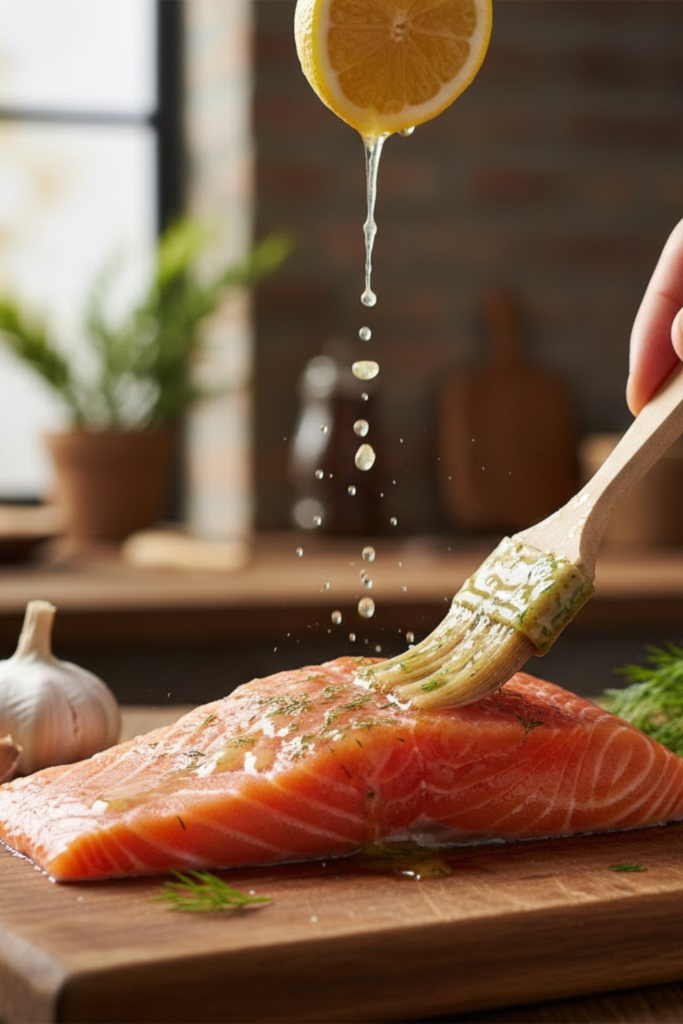
I mix melted butter with an embarrassing amount of minced garlic. Like, if the recipe says two cloves, I’m probably using four. Sorry, not sorry! Mixing that garlic herb butter with some fresh dill or parsley creates a flavor profile that sinks right into the flaky layers of the fish. It’s rich, it’s savory, and it smells like heaven when it hits the heat.
The Acid Trap (Don’t Do What I Did)
Here is a major mistake I made early on. I thought, “Hey, lemon is good on fish, so I’ll let the salmon soak in pure lemon juice for an hour.”
Big mistake. Huge mess.
Acid, like lemon juice or vinegar, actually starts to “cook” the fish if you leave it too long. It’s called denaturation (think ceviche). I ended up with mushy, weirdly textured fillets before they even touched the oven.
Now, I only add the lemon juice right before baking. Or better yet, I slice lemons and bake the salmon on top of them. It infuses the flavor without wrecking the texture.
Sweet and Savory Balance
Sometimes I like to switch it up. If you aren’t feeling the garlic-butter vibe, try a little sweetness. A maple glaze salmon is fantastic because the sugar caramelizes in the oven.
I usually whisk a tablespoon of maple syrup or honey into soy sauce and garlic. It gets sticky and delicious. But be careful—sugar burns fast! If you go this route, keep an eye on your oven.
Watch the Clock
Marinating isn’t an all-day event for fish. Unlike a tough steak that needs hours to break down, marinating salmon only takes about 15 to 30 minutes.
Any longer than that, and you risk overpowering the natural taste of the fish. You want to enhance the flavor, not mask it completely. Just brush that glorious sauce on while the oven preheats, and you are golden. Trust me, keeping it simple and fresh is the key to a healthy salmon dinner that people will actually ask for seconds of.
Essential Equipment and Preparation
I am going to be honest with you: I am incredibly lazy when it comes to doing dishes. There was a time when I would cook a beautiful meal, look at the disaster in the sink, and immediately regret my life choices. I used to bake fish in these intricate glass casserole dishes because I thought that was the “proper” way to do it.
Big mistake. The cleanup was a nightmare. I spent more time scrubbing crusted fish skin off the corners of the pan than I did eating dinner. It was tragic.
Over the years, I’ve learned that for the best damn oven baked salmon, you don’t need a kitchen full of expensive gadgets. You just need the right setup to save your sanity.
The Sheet Pan Savior
Forget the fancy ceramic dishes. The absolute best tool for this job is a simple, rimmed baking sheet.
Why rimmed? Because when that delicious garlic herb butter starts melting, it’s going to run. If you use a flat cookie sheet, you’ll end up with butter burning on the bottom of your oven. I’ve set off my smoke alarm more times than I care to admit doing exactly that.
My number one rule for sheet pan salmon is to line that pan. Parchment paper is my best friend.
Some people use aluminum foil, but I find that salmon skin loves to stick to foil like superglue. Parchment paper cooking ensures the skin slides right off (or stays crispy on the pan if you like that), and when you’re done, you just ball up the paper and throw it away. Zero scrubbing required. It is a total game changer.
Foil Packets: The “Lazy Fancy” Method
If you are terrified of drying out your fish, you might want to try the foil packet method. The fancy French term is “en papillote,” but let’s just call it what it is: steaming in a bag.
You place the salmon on a piece of foil, pile on your veggies and lemon butter sauce, and seal it up tight. It traps all the steam inside.
I do this when I want zero cleanup and super moist fish. However, you won’t get any roasted texture or caramelized edges this way. It’s strictly for soft, steamed fish lovers.
The Temperature Mistake
Here is the one prep step that 90% of people skip. I used to grab the salmon from the fridge and toss it straight into a 400-degree oven.
Don’t do that.
When you cook ice-cold fish, the outside cooks way faster than the inside. You end up with a piece of salmon that is dry on the edges and raw in the middle. It’s gross.
Now, I let the fillets sit on the counter for about 15 minutes before baking. Bringing them closer to room temperature helps them cook evenly. It’s a small annoying step, I know, but it makes a huge difference in getting that restaurant-quality texture. Just don’t forget about it and leave it out all day!

Mastering the Oven Temperature and Timing
I’m going to be real with you—I have ruined more pieces of fish than I can count. There was this one dinner party where I was so afraid of serving raw fish that I baked the life out of it. We are talking salmon jerky. My guests were polite, drinking way more water than usual to wash it down, but I knew. I had committed the cardinal sin of cooking salmon in oven: I let it stay in too long.
It’s stressful, right? You can’t exactly cut it open to check without ruining the presentation. But once I figured out the science of temperature and timing, the anxiety disappeared. Now, getting that perfectly flaky salmon texture is almost automatic.
The 400°F Sweet Spot
For the longest time, I debated the salmon oven temperature. Some recipes said 350°F, others screamed 425°F. It was confusing.
Through a lot of trial and error (and a lot of dry dinners), I found that 400°F (200°C) is the magic number. It’s hot enough to get the edges slightly crisp and lock in the juices, but not so scorching that the outside burns before the middle is cooked.
At 400°F, the salmon roasts beautifully. It creates that nice, firm texture we all want. If you go too low, you are basically steaming it, and the texture can get a bit mushy. We don’t want mushy. We want the best damn oven baked salmon that holds its shape on the fork.
The 10-Minute Rule (Is Just a Guide)
You might have heard the “10-minute rule”—cook the fish for 10 minutes for every inch of thickness. It’s a decent starting point, but honestly? It’s not foolproof.
My oven runs hot. Your oven might run cool. And let’s be honest, who actually measures the thickness of their fish with a ruler? I sure don’t.
I usually set my timer for about 12 minutes for a standard fillet. But I never, ever just trust the timer blindly. The timer is just a suggestion; the fish tells you when it’s done. Relying solely on the clock is how you get overcooked salmon.
Get a Thermometer (Seriously)
If you take one thing away from this post, let it be this: buy a digital meat thermometer. It changed my life.
I used to think using a thermometer was “cheating” or for amateurs. How wrong was I? It’s the only way to guarantee perfection.
You want to pull the salmon out when the salmon internal temperature hits between 125°F and 130°F at the thickest part.
“But wait,” I can hear you saying, “isn’t the safe temp 145°F?”
Yes, technically. But here is the secret: carryover cooking. When you take the pan out of the oven, the residual heat keeps cooking the fish for a few minutes. If you wait until it hits 145°F in the oven, it’ll be 155°F or 160°F by the time you eat it. And that means dry, chalky fish.
Pull it early, let it rest for 5 minutes, and it will glide right up to the perfect temperature. It’s science!
The “Fork Test”
If you don’t have a meat thermometer for fish handy (though you should get one), use the fork test.
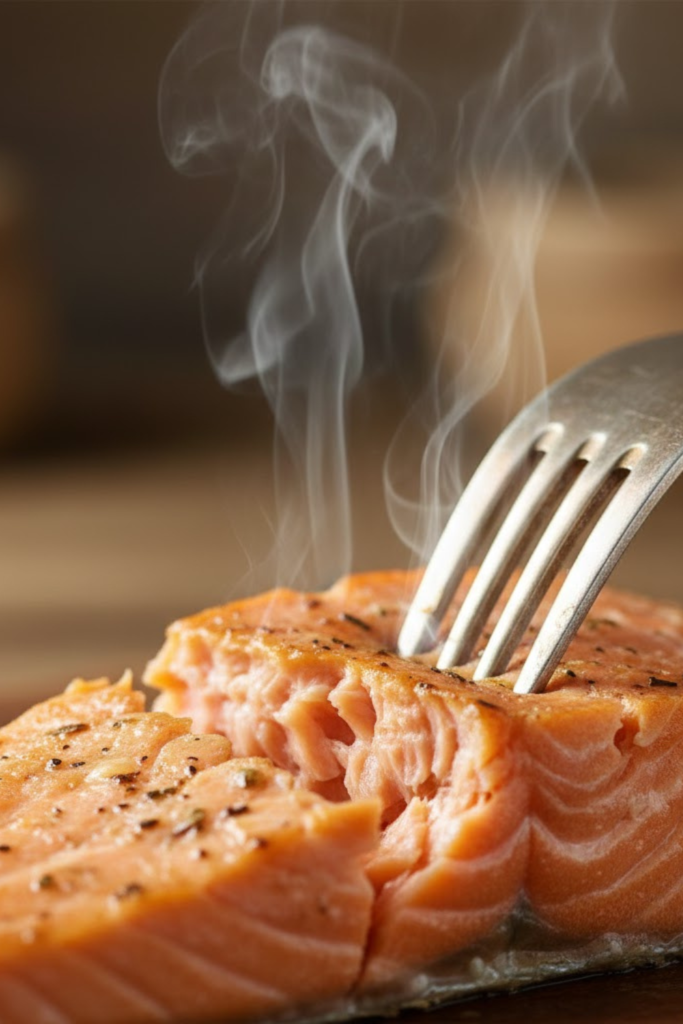
Take a fork and gently press down on the top of the thickest part of the fillet. If the flesh separates easily along the white lines—flaking—it’s done.
Also, look at the color. Raw salmon is translucent and shiny. Cooked salmon is opaque and matte. If it’s still jelly-like in the center, stick it back in for two minutes. But be careful! The line between “perfect” and “dry” is about sixty seconds wide. It’s better to undercook it slightly and put it back in than to overcook it and ruin dinner.
Delicious Side Dishes to Serve
I used to be that person who would spend all my energy making the main dish perfect, only to realize five minutes before dinner that I had completely forgotten about the sides. I’d be standing there with a beautiful piece of fish, frantically microwaving a bag of frozen peas. It was sad. The best damn oven baked salmon deserves better than rubbery peas, okay? It needs a supporting cast that elevates the whole meal without making you lose your mind in the kitchen.
Finding the right side dishes for salmon was a game of trial and error for me. I learned the hard way that you can’t just pair heavy, rich sides with fatty fish. You need balance. If the salmon is buttery and rich, the sides need to be bright or crisp.
One-Pan Wonders (The Lazy Way)
My favorite way to cook is to wash as few dishes as possible. That is why I am obsessed with roasting vegetables right alongside the fish.
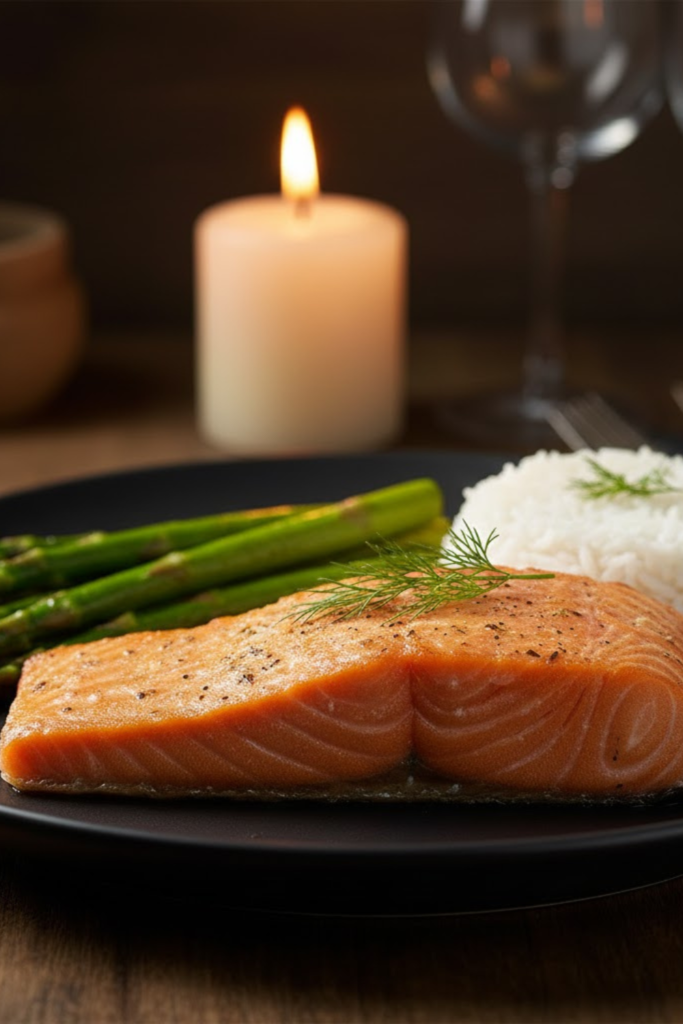
Roasted asparagus is the classic pairing for a reason. It cooks in almost the exact same amount of time as the salmon. I toss the spears in a little olive oil, salt, and pepper, and arrange them around the fillets. By the time the fish is flaky, the asparagus is tender-crisp. It is practically magic.
But here is a mistake I made so you don’t have to: potatoes.
I once tried to roast potato wedges on the same pan at the same time. Disaster. By the time the salmon was done, the potatoes were still rock hard. If you want those crispy spuds, you have to start them way earlier. Put the potatoes in for 20 minutes first, then add the salmon to the pan. Timing is everything when you are trying to pull off family friendly dinners on a Tuesday night.
The Carb Situation
I have a love-hate relationship with rice. For years, I either burned it to the bottom of the pot or turned it into mush. But a scoop of fluffy rice is just the perfect vehicle for soaking up that extra garlic herb butter sauce.
If you are trying to keep things light or sticking to mediterranean diet recipes, swap the rice for quinoa or a big, crunchy salad. I love doing a quick cucumber salad with vinegar and dill. The acidity cuts right through the richness of the salmon. It wakes up your palate and stops the meal from feeling too heavy.
Get Saucy
Here is a little secret: sometimes, even the pros overcook the fish. It happens! Maybe you got distracted by the kids or a phone call.
The saving grace? Sauce.
A good lemon butter sauce or a dollop of tzatziki can hide a multitude of sins. If your salmon is a little drier than you wanted, just drown it in sauce. No one will know! I always keep a jar of tartar sauce in the fridge for emergencies, but making a quick pan sauce with the drippings is next level.
Planning your sides doesn’t have to be stressful. Just pick one veggie and one grain, and let the oven do the work. It turns a simple piece of fish into a complete, restaurant-quality meal.
I really hope you feel ready to go out there and conquer your fear of cooking fish. Making the best damn oven baked salmon isn’t about being a perfect chef; it’s about having the right plan and not overthinking it too much. I’ve messed up plenty of dinners, but those mistakes are exactly what taught me how to get that buttery, flaky result every single time!
By focusing on a fresh fillet, a simple garlic herb butter, and watching that internal temperature like a hawk, you’re going to impress everyone at the table. Seriously, even your pickiest eaters are going to love this juicy healthy salmon dinner. It’s fast, it’s easy, and the cleanup is a breeze if you use my parchment paper trick!
Go ahead and give this recipe a shot tonight—you’ve totally got this! If you found these tips helpful, please save this post to your “Easy Dinners” board on Pinterest so you can find it next time you’re at the store. Happy baking, and enjoy every single bite!