Have you ever stared at a dry, gray slab of traditional meatloaf and thought, “There has to be more to life than this?” I certainly have! That’s exactly why I ditched the ketchup-only rule and embraced the vibrant, punchy flavors of the East. This isn’t just another dinner; it’s a total flavor intervention.
We are talking about a succulent Asian style meatloaf that is so packed with moisture and aromatics, it practically sings on the plate. Did you know that incorporating ingredients like soy sauce and sesame oil actually helps retain moisture better than traditional seasoning salts? It’s true! Get ready to impress your family (and your tastebuds) with a recipe that is equal parts comfort food and culinary adventure. Let’s get cooking!
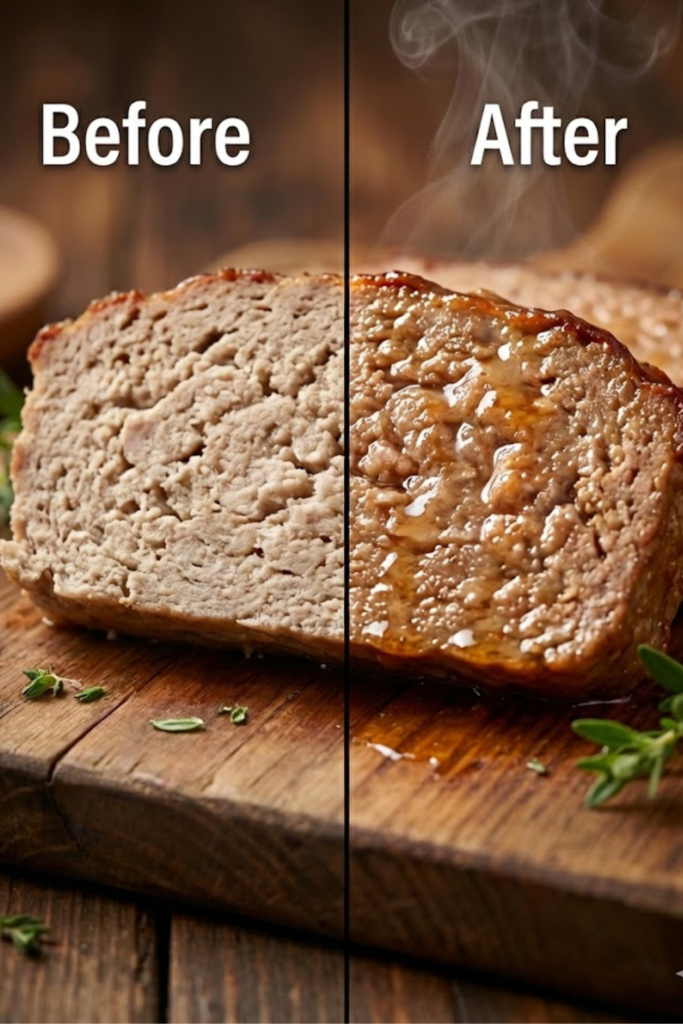
Why This Asian Twist Works
I have a confession to make. For years, I treated meatloaf like a culinary punishment. It was that dry, gray block that showed up on Tuesdays when I didn’t have the energy to cook something “real.” I’ve baked loaves that were so dense they could’ve been used as construction material. It wasn’t until I stumbled into the world of Asian style meatloaf that I realized I was doing it all wrong.
Mixing these flavors isn’t just about being fancy; it actually fixes the chemistry of the dish. When you swap out traditional ketchup and salt for soy and aromatics, something magical happens. It hits different, and I’m going to tell you exactly why this version is a total game-changer for your weekly rotation.
The Umami Punch
Traditional meatloaf often relies heavily on salt and dried herbs for flavor. That’s fine, but it can get one-note pretty fast. The secret weapon here is umami.
By using ingredients like soy sauce, hoisin, and a splash of fish sauce, you create a deep, savory profile that salt alone can’t achieve. I remember the first time I added fish sauce to my meat mixture. I was terrified it would taste fishy.
It didn’t. It just tasted like “more.” The umami flavor acts like a flavor amplifier. It makes the beef taste beefier and the pork taste richer. It’s a trick I learned the hard way after serving bland dinners that my kids drowned in ketchup just to get down.
Banishing the Dry Brick
Let’s talk about moisture because dry meatloaf is the worst. I used to buy the leanest ground beef possible, thinking I was being healthy. Big mistake.
Lean beef equals a dry, crumbly mess that falls apart on the fork. In this Asian style meatloaf, we use a mix of beef and pork, plus liquid seasonings like sesame oil. The oil doesn’t just add a nutty aroma; it actually coats the proteins.
This helps keep the juices inside the meat where they belong. I’ve found that liquid aromatics (like soy sauce and chili paste) keep the loaf moist way better than dry spices do. If you have ever suffered through a “dry brick” dinner, this method is your salvation.
That Crunch Though
Texture is where most people mess up. A standard meatloaf is soft on soft on soft. It’s boring to eat.
I started adding chopped water chestnuts to my mix a few years ago, and I haven’t looked back. It sounds weird if you haven’t tried it, but that little snap in every bite breaks up the monotony. It keeps your palate interested.
If you can’t find water chestnuts, chopped celery works too, but you need that contrast. Cooking should be fun, and eating something that is just one texture is a snooze fest. Trust me, once you try this combo of savory juices and crunchy veggies, you won’t go back to the plain stuff.
A Note on Versatility
The best part about this profile is how flexible it is. Leftovers used to be a drag, but this loaf makes amazing sandwiches the next day. I slice it thin and throw it on a baguette with some pickled carrots for a quick banh mi vibe.
It solves the lunch problem instantly. You aren’t just making dinner; you are prepping for the week. And honestly, isn’t that what we all need?
Essential Ingredients for Authenticity
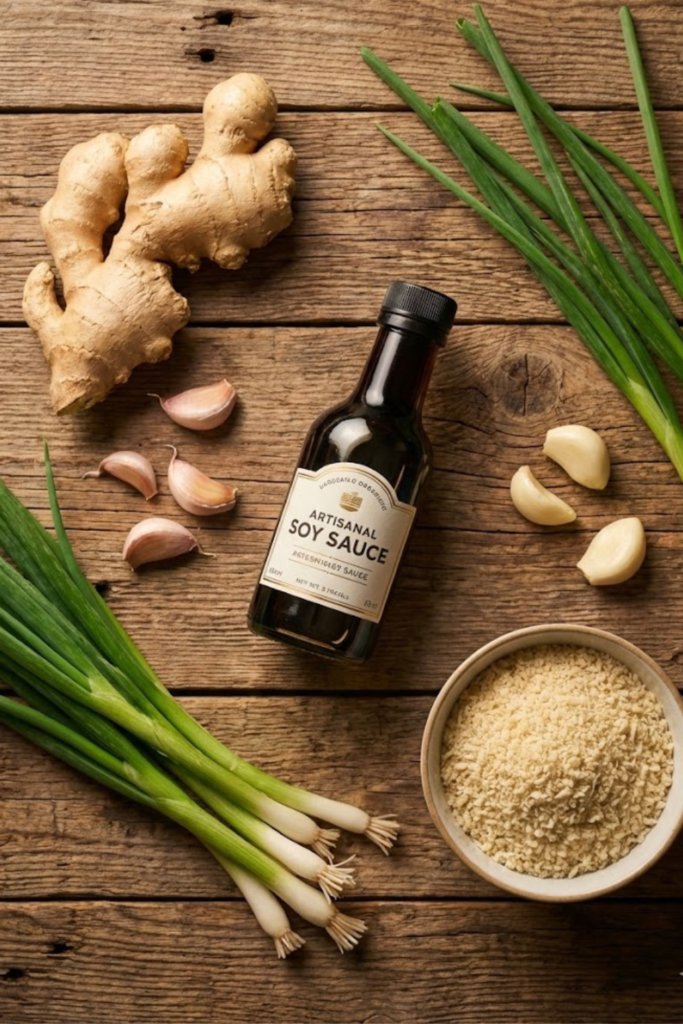
I used to think making Asian food at home meant just adding soy sauce to whatever I was cooking. Spoiler alert: that is not how it works. If you want that restaurant-quality taste in your Asian style meatloaf, you have to respect the ingredients list.
I’ve tried cutting corners, and I’ve ended up with dinner that tasted like a salt lick. Not fun. To get the balance right, you need specific players on the field. Here is what you need to grab from the grocery store to make this loaf sing.
The Meat Blend: Don’t Go Solo
Here is a hill I am willing to die on: do not use 100% lean ground beef. Just don’t do it. I tried this once when I was on a “health kick,” and the result was so dry I had to drown it in water just to swallow it.
For the best results, you need a mix. I recommend a 50/50 split of ground beef (80/20 is best) and ground pork. The pork adds a natural sweetness and, more importantly, fat. Fat is flavor, my friends.
The pork fat renders out while baking, basting the beef from the inside. It creates a texture that is tender and juicy, not crumbly. If you can’t eat pork, try using dark meat turkey, but beef and pork is the gold standard here.
The Holy Trinity of Aromatics
You might be tempted to use garlic powder or ground ginger from a jar. Please, put the jar down. I’ve made that mistake because I was feeling lazy, and the flavor just disappears into the meat.
You need the fresh stuff. We are talking about fresh ginger, garlic cloves, and green onions (scallions). When you mince these up fresh, they release oils that permeate the entire loaf.
- Ginger tip: If you hate peeling ginger (it’s annoying, I know), use the edge of a spoon to scrape the skin off. It works way better than a knife.
- Garlic: Smash it, peel it, mince it. Don’t use the stuff in the jar that sits in oil; it tastes slightly metallic.
The Binder: Panko Power
Standard breadcrumbs are fine for grandma’s meatloaf, but for this, we want Panko breadcrumbs. They are larger and flakier, which keeps the meatloaf lighter.
Here is a trick I learned after reading a dozen cookbooks: soak your Panko in a little milk or broth before mixing it in. This is called a panade. It sounds fancy, but it’s just soggy breadcrumbs.
This gooey paste creates little pockets of steam inside the meatloaf as it cooks. It is the single best way to prevent your dinner from drying out. I skipped this step once because I was in a rush, and the difference was noticeable. The loaf was tighter and tougher.
** The Seasoning Squad**
This is where the magic happens. You’ll need fish sauce, toasted sesame oil, and five-spice powder.
Be careful with the five-spice powder. It is potent stuff. I once accidentally dumped in a tablespoon instead of a teaspoon, and the whole dinner tasted like licorice and medicine. It was inedible. A little goes a long way.
The fish sauce smells strong in the bottle, but don’t worry. Once it cooks, that smell vanishes, leaving behind a rich, salty depth that makes the meat taste incredible. It’s the secret ingredient that will have people asking, “What is in this?”
Mastering the Sticky Glaze
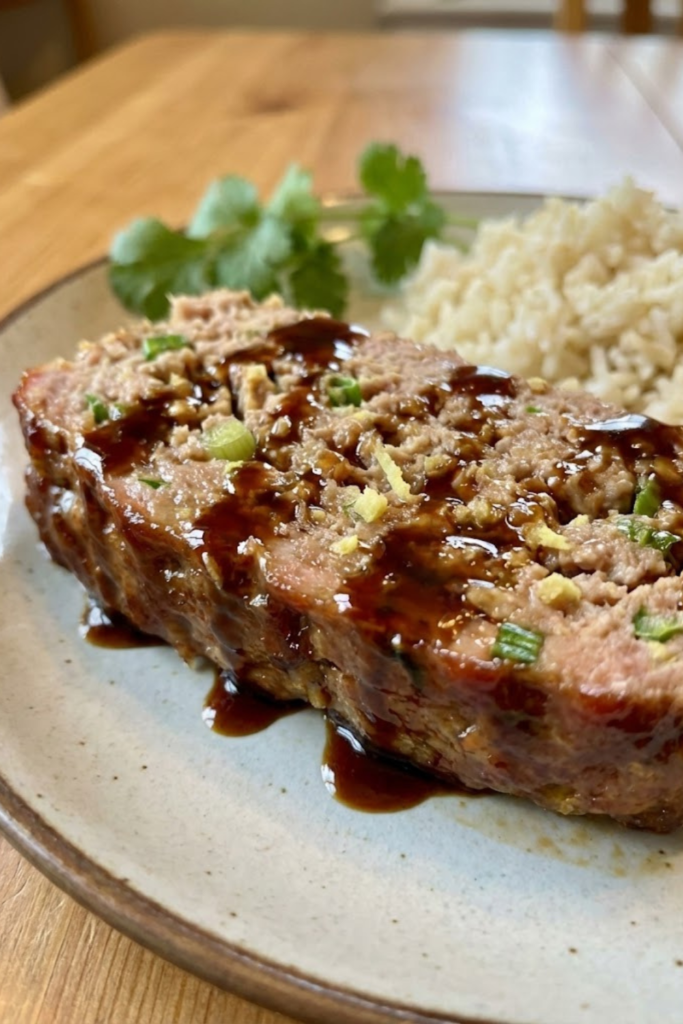
Let’s be honest with each other. The meat is important, but the glaze? The glaze is the reason we are all here. It’s the sticky, sweet, savory coating that makes you want to lick your fingers in polite company.
I used to ruin my Asian style meatloaf by skipping the glaze or just dumping plain soy sauce on top. It was a disaster. The sauce was too thin, it ran everywhere, and the meat looked sad and pale. You need something thick that clings to the loaf like a delicious blanket.
The Base: An Unlikely Duo
You might think I’m crazy for saying this, but you need ketchup. Yes, good old American ketchup.
I remember reading a recipe once that called for it and thinking, “No way, that’s not authentic.” So, I left it out. The result was a sauce that was way too salty and lacked that tangy kick.
For the perfect base, you mix ketchup with hoisin sauce. Hoisin is basically Chinese BBQ sauce—thick, sweet, and garlicky. When you mix it with the acidity of the ketchup, it balances out perfectly. It creates that deep mahogany color we are looking for.
Sweet Heat
If you want to feel alive, you have to add a little spice. I like to whisk in a tablespoon of Sriracha or chili garlic sauce.
My kids used to complain if things were too spicy, so I learned to start small. A teaspoon gives you flavor without the burn. But if it were just me? I’d dump half the bottle in there.
The chili garlic sauce is actually my favorite because it adds little flecks of pepper that look great when the loaf is finished. It adds texture to the sauce so it’s not just a smooth globs.
Timing is Everything
Here is a mistake I made for years: glazing the raw meat before it went into the oven.
Don’t do this. If you glaze it raw, the sugar in the hoisin sauce will burn before the meat is cooked through. You’ll end up with a charred black crust that tastes like bitterness and regret.
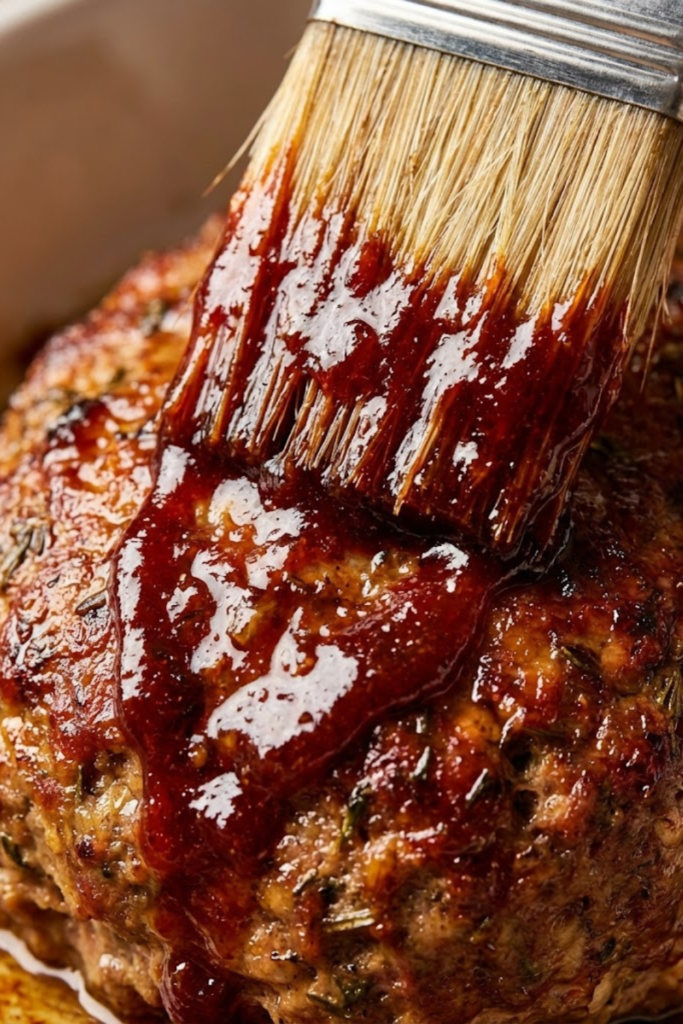
Instead, bake the meatloaf naked for about 30 to 40 minutes. Then, pull it out and brush on half the glaze. This lets the sauce set without burning. It also keeps the top of the loaf from drying out during the last leg of cooking.
The Broiler Watch
This is the final step that separates the amateurs from the pros. To get that bubbling, sticky finish, you need to use the broiler.
But listen to me closely: do not walk away.
I once put my meatloaf under the broiler and went to check my email. Two minutes later, my smoke alarm was screaming, and my dinner was charcoal.
Put the remaining glaze on, slide it under the broiler, and stare at it. It takes maybe 2 minutes to get those perfect bubbly spots. As soon as you see bubbles, pull it out. That caramelized sugar adds a layer of flavor you just can’t get from baking alone.
Step-by-Step Cooking Instructions
Okay, we have our ingredients prep and our glaze is ready to rock. Now comes the part where we actually turn this pile of ingredients into dinner.
I used to find cooking meatloaf stressful because you can’t see what’s happening inside the loaf. Is it raw? Is it burning? I’ve pulled out uncooked meatloaves and I’ve pulled out hockey pucks. But after ruining a few dinners, I figured out the rhythm.
The Mixing Technique: Hands Only
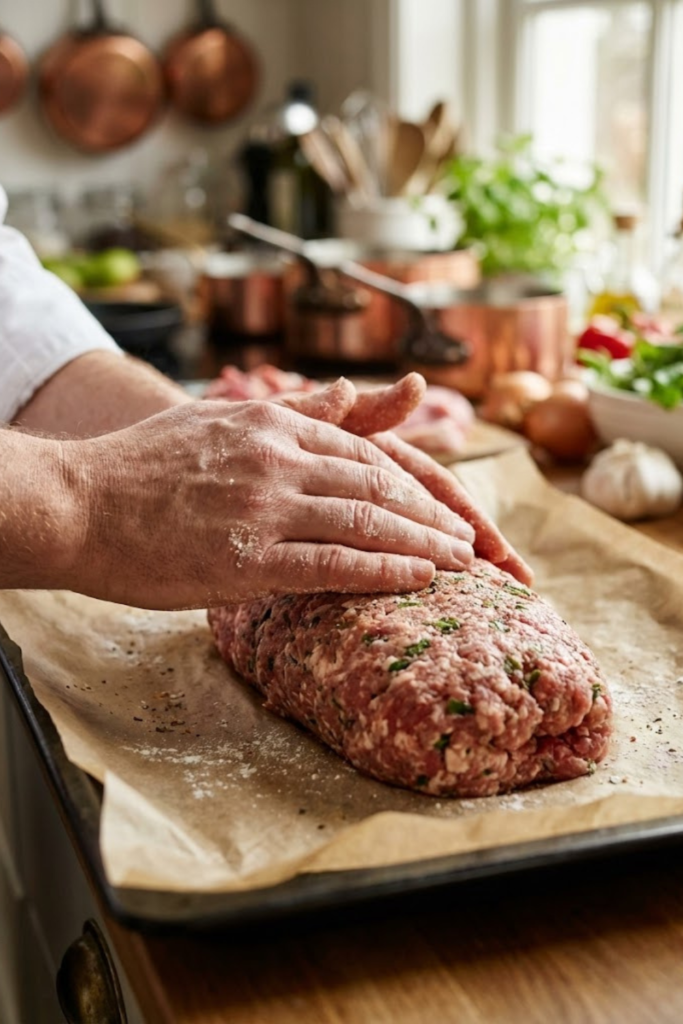
First things first: put the spoon away. When it comes to mixing your Asian style meatloaf, your hands are the only tools for the job.
I know, touching raw meat is gross. I hate it too. But using a spoon or a mixer makes you overwork the meat. When you overmix ground meat, the proteins get sticky and tight.
The result? A meatloaf that has the texture of a rubber tire. I made this mistake for years and wondered why my loaf was so bouncy. You want to mix it until the ingredients are just combined. Stop as soon as you don’t see streaks of egg or breadcrumbs. Treat it gently, like you’re handling something fragile.
Free-Form vs. Loaf Pan
Here is a controversial opinion: throw your loaf pan in the trash. Okay, maybe not the trash, but keep it in the cupboard for banana bread.
For this recipe, you want to shape the loaf free-form on a baking sheet lined with parchment paper. Why? Because a loaf pan steams the meat in its own juices. It makes the sides soggy and gray.
When you shape it on a sheet, heat can circulate all around the meat. Plus, and this is crucial, it gives you more surface area for the glaze. I shape mine into a nice 9×5 inch rectangle. It doesn’t have to be perfect; rustic is better anyway.
Temperature Check
If you don’t have a meat thermometer, stop reading and go buy one. Seriously. It is the only way to know when your meat is safe without drying it out.
I used to slice into the middle of the loaf to “check” it, which just let all the juice run out. Terrible idea. You are looking for an internal temperature of exactly 160°F (71°C).
Pull it out the second it hits that number. Remember that the temperature will rise a few degrees after you take it out of the oven (carryover cooking). If you wait until it hits 170°F, you have waited too long, and your dinner will be dry.
The Hardest Part: Resting
This is the step where I usually fail because I am impatient and hungry. You have to let the meatloaf rest for at least 10 minutes before you touch it with a knife.
I know it smells amazing. I know you want to eat it right now. But if you cut into it immediately, all those delicious juices we worked so hard to create will flood out onto the cutting board.
You want those juices in the meat, not on the counter. Give it ten minutes. Use that time to yell at your kids to wash their hands or pour yourself a drink. It’s worth the wait.
Serving Suggestions and Pairings
Now that you have this beautiful, glistening Asian style meatloaf coming out of the oven, please do me a solid: do not serve it with mashed potatoes.
I made that mistake the first time I cooked this. I went on autopilot and made my standard garlic mash. It was… weird. The texture was too heavy, and the creaminess fought with the soy glaze in a way that just felt wrong . You need sides that respect the flavor profile we just built, not ones that try to bury it.
The Starch Situation
If you want to do this right, Jasmine rice is the move. It’s aromatic and fluffy, and it acts like a sponge for any extra sauce that drips off the meat .
I used to think rice was boring until I realized it’s the perfect blank canvas. If I’m feeling a little extra, I’ll make garlic noodles. You know, the kind you get at takeout places that are swimming in butter and garlic?
They are surprisingly easy to make at home. But honestly, on a busy Tuesday, plain white rice is my best friend. It balances the saltiness of the meatloaf perfectly, giving your palate a break between bites .
Green and Crunchy
Because the meatloaf is rich and savory, you need something fresh to cut through it. My go-to is baby bok choy.
I usually just slice it in half and sear it in the same pan I used to sauté the onions (less dishes, right?). A quick stir-fry of green beans with a little chili paste is also a winner .
If you want something cold, try an Asian cucumber salad. I started doing this last summer. Just slice cucumbers thin and toss them with rice vinegar, sugar, and sesame oil. The acid wakes up your tongue and stops the meal from feeling too heavy .
The Leftover Hack
I almost look forward to the leftovers more than the actual dinner. This meatloaf firms up nicely in the fridge, making it easier to slice thin .
My favorite thing to do is make “Meatloaf Fried Rice.” I chop the cold meatloaf into cubes and throw it into a hot wok with day-old rice, peas, and eggs. The glaze on the meat caramelizes a second time, and it is honestly better than takeout .
Pro tip: Use cold rice for this. Warm rice turns into mush when you fry it. I learned that the hard way after serving my family a dish that looked like glue .
Garnish Like You Mean It
We eat with our eyes first, right? A brown loaf on a white plate looks a bit sad.
I always finish the dish with a sprinkle of toasted sesame seeds and chopped cilantro. It takes two seconds, but it makes it look like you tried way harder than you actually did .
If you have people who hate cilantro (I know you’re out there), sliced green onions work just as well. It adds that pop of green that tells your brain, “Hey, this is fresh!” .
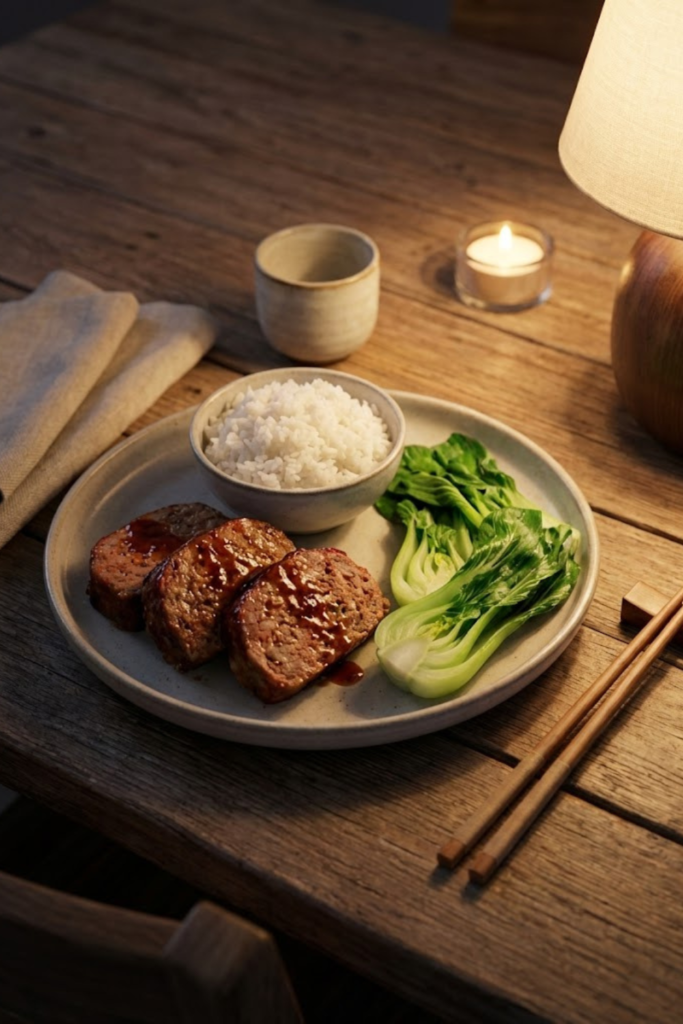
We have covered a lot of ground here, from ditching the dry beef brick to embracing the sticky glaze life. Honestly, cooking shouldn’t be about perfection; it should be about making something that tastes good and makes you happy.
This Asian style meatloaf is one of those recipes that proves you don’t need a culinary degree to make restaurant-quality food at home. It’s forgiving, it’s flavorful, and it breaks up the monotony of the weekly grind. I’ve burned a few loaves and made some questionable sauce choices along the way, but that’s how we learn.
So, go ahead and get your hands dirty. Mix that meat, glaze that loaf, and watch your family’s eyes light up. And hey, if you loved this recipe (or even if you just liked my story about the smoke alarm), please pin this to your “Favorite Dinners” board on Pinterest! It helps other hungry folks find us.