Did you know that over 75% of people choose chocolate as their top birthday cake flavor? I’ve spent years in my kitchen trying to get that perfect “wow” factor, and honestly, nothing beats a classic chocolate drip birthday cake recipe. It’s 2026, and we are moving away from those stiff, over-decorated cakes toward something that looks a bit messy but tastes like heaven! I remember my first attempt at a drip cake; it looked more like a chocolate landslide than a professional dessert. But don’t worry, I’ve made all the mistakes so you don’t have to. Let’s get baking!
Choosing the Right Ingredients for Your Cake
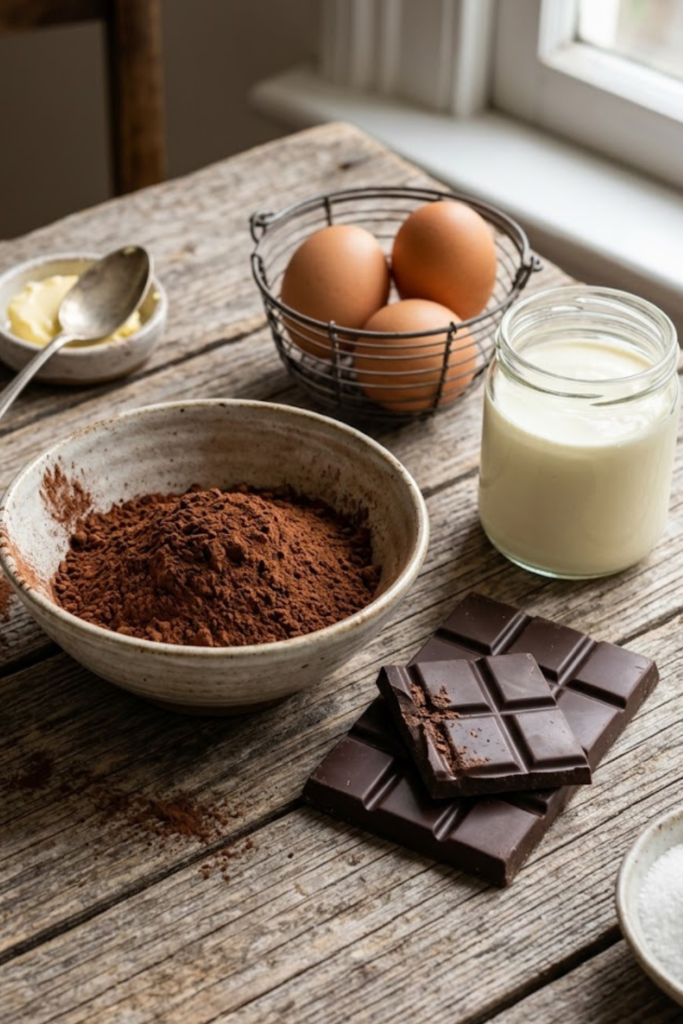
I have spent a lot of time in my kitchen, and let me tell you, your ingredients make or break that chocolate drip birthday cake recipe. I used to think I could just grab whatever was on sale at the store. Big mistake. One time I used some old, generic cocoa powder and the cake tasted like nothing. It was so sad! If you want that deep, dark chocolate flavor, you have to pick the right stuff. It is like building a house; if the wood is bad, the house will not stand. I learned that the hard way after many flat and tasteless cakes.
Dutch-Process vs Natural Cocoa
Why does this matter? Well, Dutch-process cocoa is treated with alkali. That sounds like a science experiment, but it basically makes the cocoa darker and less acidic. If your recipe calls for baking powder, you usually want Dutch-process. I remember trying natural cocoa once in a recipe meant for Dutch-process, and the cake did not rise right. It was a dense brick! For a birthday cake, you want that rich, dark look that looks great under a chocolate drip.
The Butter and Oil Mix
Some people argue about butter versus oil. I say use both! Butter gives you that amazing taste we all love. But oil? Oil is what keeps the cake moist even if you put it in the fridge. I used to make all-butter cakes and they would get hard as a rock after a day. Now, I swap out a little bit of the butter for a neutral oil like vegetable or canola oil. It makes the crumb so much softer. Your friends will ask how you kept it so moist, and you can just wink at them. It really changes the texture for the better.
Get Those Eggs to Room Temperature
This is the one step I always used to skip because I am impatient. But cold eggs do not mix well with the fat in your batter. If you forget to take them out, just put them in a bowl of warm water for five minutes. It works like a charm. I have ruined many batters because the cold eggs made the butter clump up. It looked like curdled milk! Don’t be like me. Take the extra five minutes to get the temperature right.
The Baking Process for a Moist Sponge
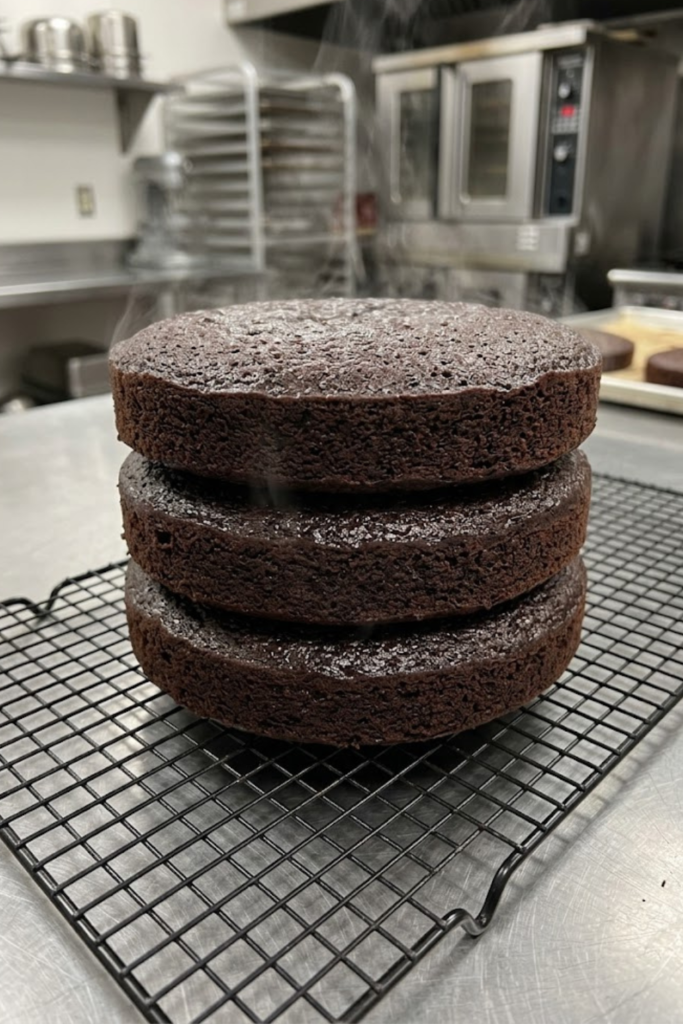
I used to think that baking was just about following a list. But after years of teaching kids how to bake in my classroom, I’ve realized it is more about how you handle the batter than anything else. Getting a moist sponge for your chocolate drip birthday cake recipe is actually the hardest part for most people. I can’t tell you how many times I’ve pulled a cake out and it looked great, but then I tasted it and it was like eating a dry sponge from the kitchen sink. It’s a total bummer when that happens, especially when you have a party starting in an hour!
Stop Mixing So Much
One of the biggest mistakes I see is people over-mixing. You get that electric mixer out and you just want to see it go fast. I have done it too! I used to think that a smoother batter meant a better cake. Nope. When you mix flour too much, you develop gluten. That is great for a loaf of bread, but it makes a cake tough and rubbery. Now, I usually turn the mixer off when I still see a tiny bit of white flour. I finish the rest by hand with a big spoon. My cakes have been way softer since I started doing this.
Why Your Oven Might Be Lying
Here is a secret: most ovens are not telling the truth about how hot they are. Mine is always about twenty degrees off. If I set it to 350, it stays at 330. I wasted so much money on butter and sugar before I bought a cheap oven thermometer. It hangs right on the rack and tells me the real temperature. If your oven is too hot, the edges of your cake will burn before the middle is cooked. If it’s too cold, the cake won’t rise right. It is a small thing, but it keeps your cake from being a disaster.
The Famous Skewer Test
Don’t just look at the kitchen timer. Every cake is a little different depending on the day. I always start checking my cakes about five minutes before the recipe says they should be done. Stick a toothpick or a wooden skewer right in the middle. If it comes out with a few sticky crumbs, take it out! If it comes out totally clean, it might already be getting too dry. I remember one birthday where I left the cake in for “just two more minutes” and it turned into a giant chocolate cracker.
Let It Chill Out
You have to let the cake cool in the pan for at least ten minutes. If you try to flip it out immediately, it will probably break in half. I have had many cakes fall apart because I was in a rush to start frosting. Once you get it out of the pan, let it cool completely on a wire rack. If the middle is even a little warm, your frosting will melt and slide right off. We definitely don’t want that mess!
The Best Chocolate for Drips
For the drip, skip the cheap chips. They have stuff in them that keeps them from melting smoothly. I like using a good bar of 60% dark chocolate. Chop it up fine so it melts fast in the warm cream. I once tried to make a drip with leftover candy… let’s just say it did not end well. It was a sticky, lumpy mess that would not pour. Spend the extra few dollars on a decent chocolate bar. It is a birthday, after all, and you want it to look nice!
Mastering the Perfect Ganache Drip
I’ve seen so many people get scared when they hear the word “ganache.” It sounds like something only a fancy chef in a tall white hat would say, right? But honestly, it is just chocolate and cream mixed together. The first time I tried to make a drip for my chocolate drip birthday cake recipe, I was so nervous my hands were shaking. I ended up with a runny mess that looked like chocolate soup all over my kitchen counter. I even cried a little bit because I had spent all day on that cake! But I learned that the secret isn’t some magic trick; it’s all about the temperature and how much of each thing you use.
The Magic Ratio for Success
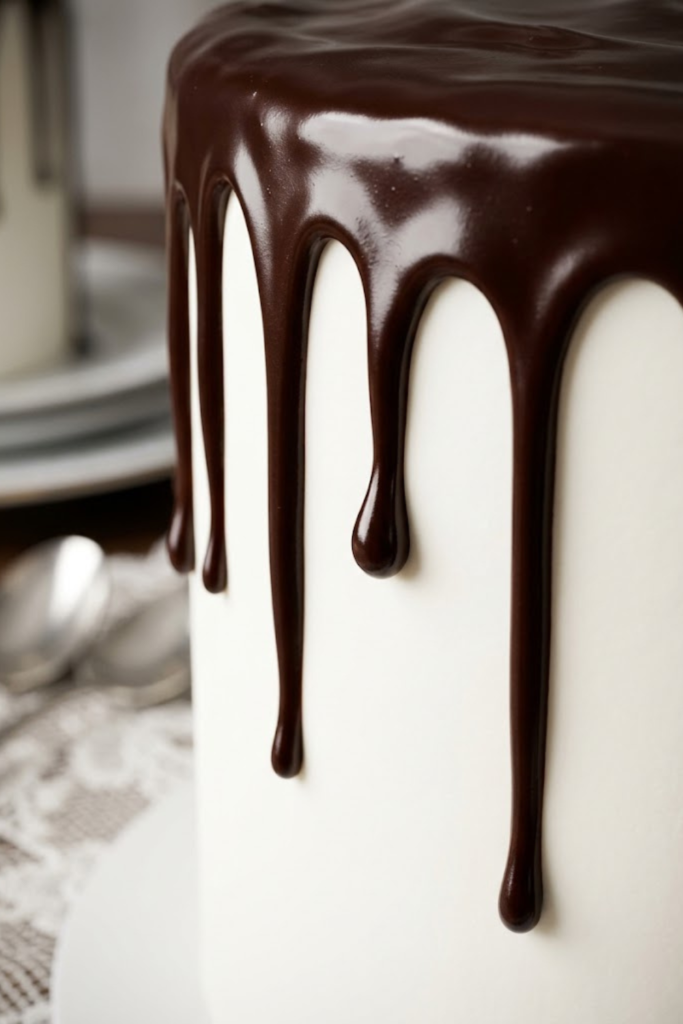
The easiest way to remember how to make this is the one-to-one rule. That means you use the same weight of chocolate as you do heavy cream. I usually use about four ounces of each for a standard cake. If you use too much cream, the drip will run straight off the cake and make a puddle at the bottom. If you use too much chocolate, it will be too thick to even pour. I always use a kitchen scale because it is way more accurate than using a measuring cup. Once you get the ratio right, you are halfway there. I once tried to eye-ball it, and the drip was so thick it looked like a brown caterpillar stuck to the side of the cake. It was not pretty!
Don’t Fall for the Temperature Trap
This is where most people mess up. I know I did for years! You cannot just melt the chocolate and pour it right away. If it is too hot, it will melt your frosting and you will have a giant disaster. I like to let my ganache sit on the counter for about 10 or 15 minutes. It should feel like the temperature of a warm bath. I usually stick a clean finger in it to check. If it feels hot, wait. If it feels barely warm and looks thick like honey, it is ready. I once got impatient and poured it while it was steaming, and the whole top layer of buttercream just slid off. I had to tell everyone it was a “lava cake” just to save face!
The Squeeze Bottle Secret
I tell all my students to buy a cheap plastic squeeze bottle. You can get them for a dollar at the grocery store. It gives you so much more control than using a spoon. I always do a “test drip” on the side of a glass first. If the drip stops halfway down the glass, it is perfect. If it goes all the way to the bottom and pools, I let the bottle cool for five more minutes. If you make a mistake and the drip is too short, just give the bottle a little more pressure next time. It takes some practice, but you will feel like a pro after a few tries.
Assembling and Decorating Your Masterpiece
Now we get to the part where your chocolate drip birthday cake recipe actually starts looking like a cake and not just a pile of ingredients. I always get a little excited at this stage, but I also have to remind myself to slow down. I’ve rushed this part too many times and ended up with a leaning tower of cake that looked like it was about to fall over! Assembly is about being patient and making sure you have a solid foundation. If your layers are wonky, the whole cake will look crooked once you add that chocolate drip. I spent years trying to fix leaning cakes with extra frosting, but trust me, it never really works. It just makes the cake look bulky.
Why You Need to Level Your Cake
One thing I learned the hard way is that cakes never bake perfectly flat. They always have that little dome in the middle. I used to try to just squash them down with my hands, but that just makes the cake dense. Now, I take a long serrated knife and saw the tops off so they are nice and flat. It makes stacking so much easier. Plus, the best part of being the baker is that you get to eat those chocolate scraps! I usually have a little bowl of cake pieces sitting next to me while I work. It’s my favorite part of the whole process. If you don’t level them, the weight of the top layers will make the middle of the cake bulge out, and your frosting will eventually crack.
The Crumb Coat is Your Best Friend
If you take one piece of advice from me, let it be this: do not skip the crumb coat. This is just a very thin layer of frosting that “locks” in all the loose crumbs. Without it, your final cake will have little brown specks all over the outside. I used to be so lazy about this, and my cakes always looked like they had dirt on them. After you put on this thin layer, stick the cake in the fridge for about thirty minutes. It needs to be firm before you add the final layer of frosting. This step is the difference between a cake that looks like a kid made it and one that looks like it came from a bakery.
Getting a Smooth Canvas
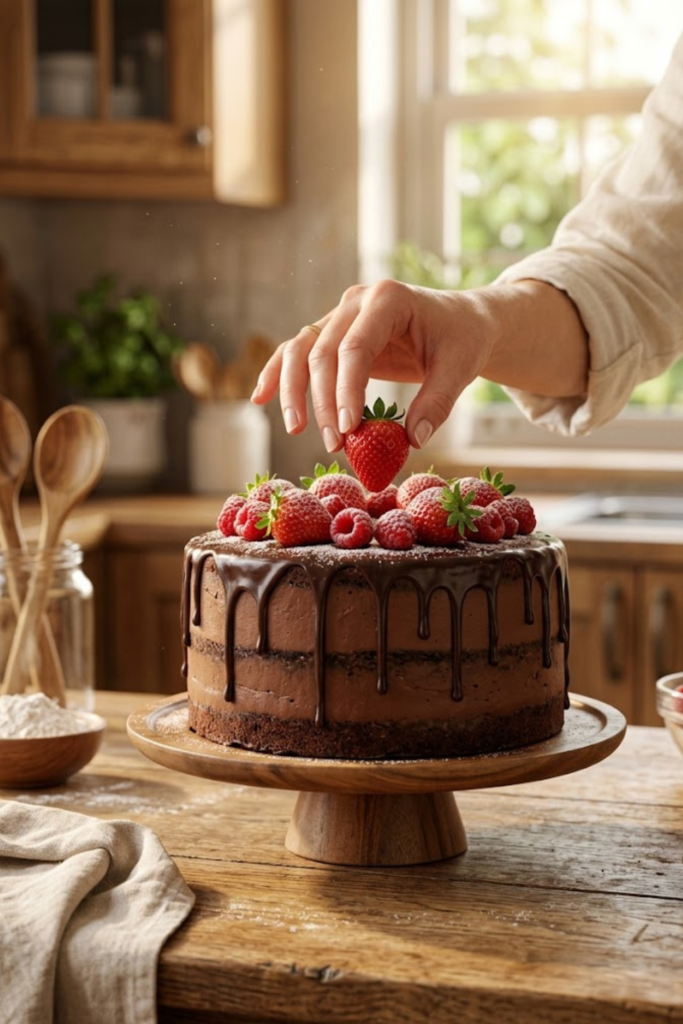
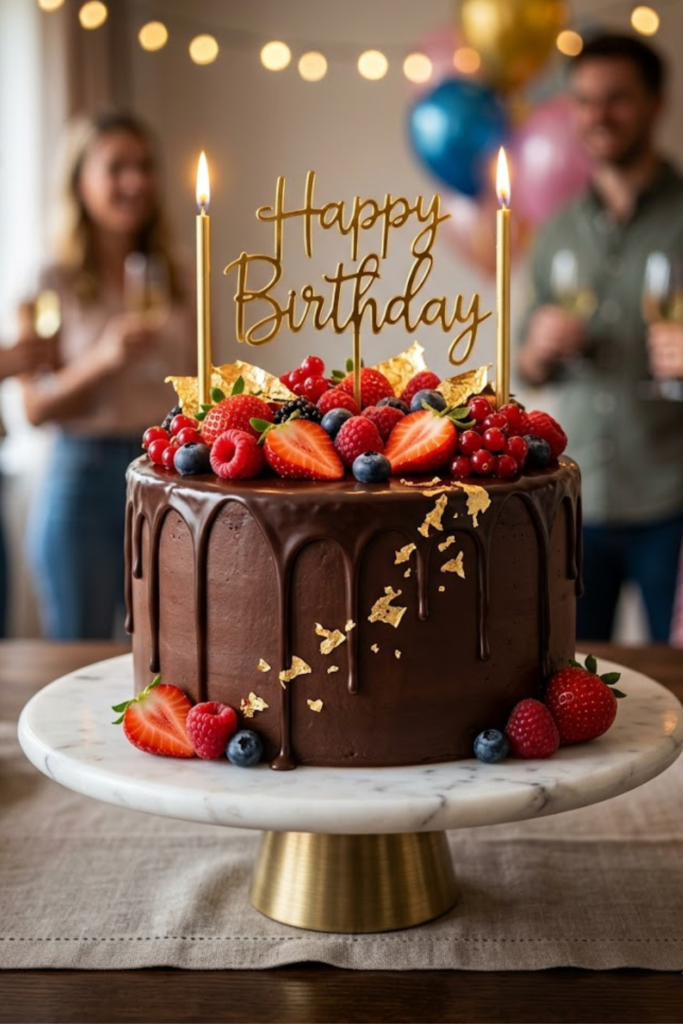
For the final layer, you want it as smooth as you can get it so the drip looks clean. I use a tool called a bench scraper. You hold it against the side of the cake while you spin the stand. It takes a few tries to get it right, but don’t worry if it isn’t perfect. The chocolate drip is going to cover the top edge anyway! Finally, add some fun 2026 toppers like fresh raspberries or even some edible gold leaf to make it pop. It feels so good to finally see the vision come together.
Bringing It All Together
I really hope this guide helps you feel more confident about trying this chocolate drip birthday cake recipe. When I started my baking journey, I was so scared of making a mess that I almost didn’t try at all. But as a teacher, I always tell my students that the mess is where the learning happens. Whether you are making this for a big 2026 milestone or just a small family gathering, the effort you put in shows how much you care. It isn’t about being a perfect pro; it is about making something delicious with your own two hands. I still remember the look on my daughter’s face when I finally got the drip right—it made all those failed, dry cakes totally worth it.
To wrap things up, just remember the big points we talked about. Start with the best ingredients you can find, especially that Dutch-process cocoa and good quality chocolate bars. Don’t let your oven lie to you—get that thermometer and make sure you aren’t over-mixing your batter. A tender sponge is the base for everything else! When you get to the assembly, take your time with that crumb coat. I know it feels like an extra chore, but it really makes the final product look so much better. And of course, be patient with your ganache. Let it cool down until it is just right before you start those drips.
If things don’t go perfectly the first time, don’t sweat it. My first few drip cakes were definitely not “Pinterest-perfect,” but they still tasted amazing. You can always hide a wonky drip with a well-placed raspberry or a pile of chocolate curls! Baking should be fun, not stressful. I have spent a lot of time figuring out these little tricks, and I am so happy I get to share them with you. Every time you pick up that spatula, you are getting better.
I would love to see how your cake turns out! Seeing other people succeed in the kitchen is honestly the best part of my day. If you found these tips helpful, please save this post to your Pinterest boards! It helps other home bakers find these recipes and keeps our baking community growing. Plus, you’ll have it ready to go the next time a birthday rolls around. Happy baking, and I can’t wait to hear about your chocolate masterpiece!