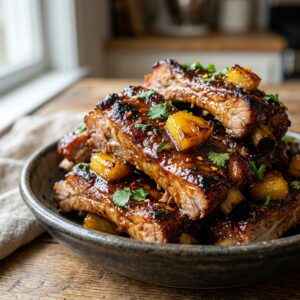
I remember the first time I tried to make dinner for my parents; it was a total disaster! I served a meatloaf that was so dry, we honestly considered using it as a doorstop. But everything changed when I discovered the magic of adding tangy mustard and earthy herbs. Did you know that over 65% of home cooks cite “texture” as their biggest struggle with ground meat dishes? Well, stress no more! This meatloaf with Dijon and thyme is going to change your Tuesday nights forever. It’s juicy, it’s bold, and it’s got that “fancy bistro” vibe without the fancy price tag. Let’s get cooking!
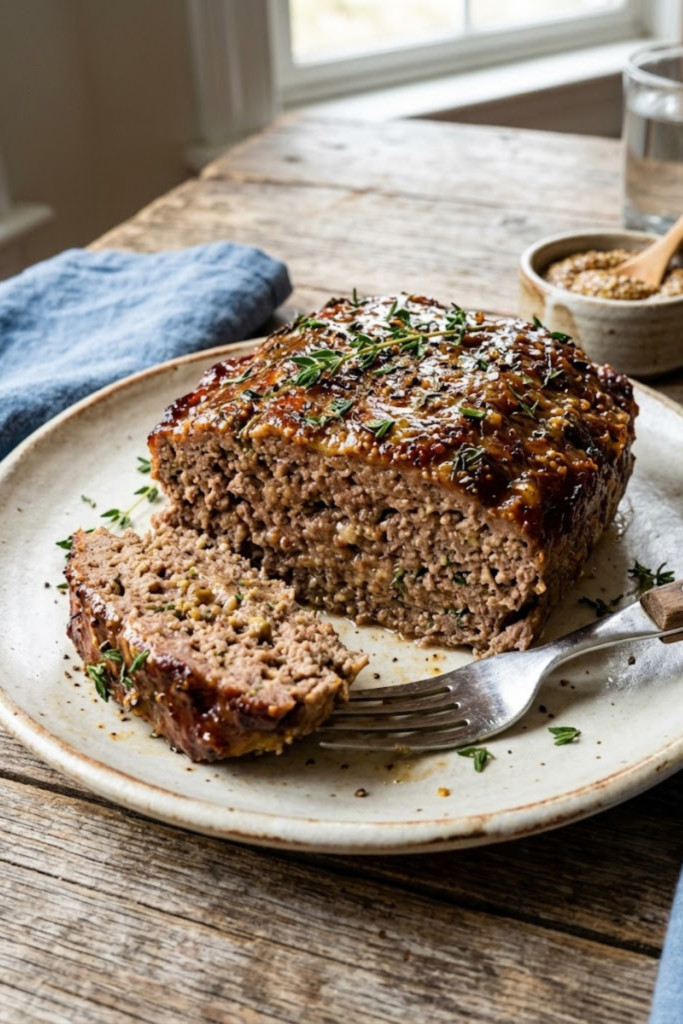
Why Dijon and Thyme are the Dynamic Duo
I’ve been cooking for my family and teaching my neighbors how to survive in the kitchen for a long time now. If there is one thing I’ve learned, it is that great cooking is mostly about finding a good balance. Think about a seesaw on a playground. If you have too much heavy meat, the whole dish feels greasy and weighs you down. If you have too much salt, the meal is basically ruined. This is where Dijon and thyme come in to save your dinner. They are like the secret weapons in my pantry that turn a boring Tuesday night meal into something people actually ask for seconds of. I used to make a pretty plain loaf, but once I started using this pair, I never went back.
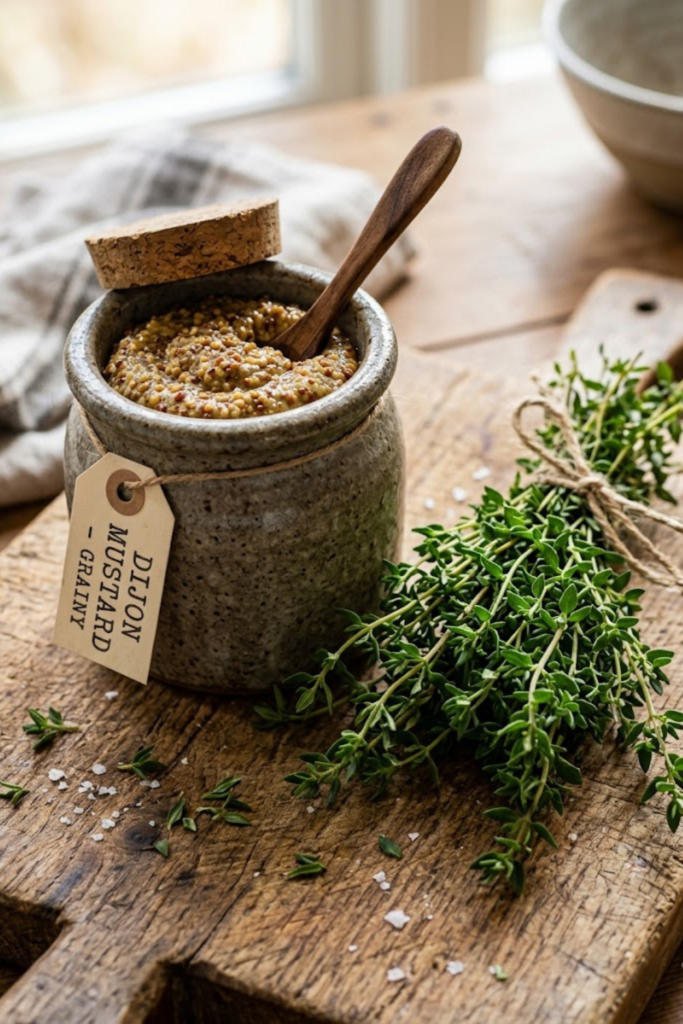
The Tangy Kick of Dijon Mustard
Most people just squirt some yellow mustard on a hot dog and call it a day, but Dijon is a whole different ball game. It has a sharp, vinegary bite that does something really special when you mix it into your meatloaf with Dijon and thyme. One cool thing about mustard is that it acts as an emulsifier. That is just a fancy teacher word for something that helps oil and water stay together.
In a meatloaf, the mustard helps the fats from the ground beef stay mixed in with the other ingredients. This means your meat stays juicy and tender instead of just sitting in a pool of grease at the bottom of your glass pan. Plus, that tanginess cuts right through the heavy, rich flavor of the beef. It makes every single bite feel a bit lighter and way more interesting than just plain meat and ketchup.
Why Fresh Thyme is a Total Game Changer
Then you have the thyme. I always tell my students to try and use fresh herbs whenever they can afford it. Thyme has an earthy, slightly minty, and almost lemony vibe. It is a very “warm” herb. Ground beef can be really one-note sometimes, which means it just tastes like plain meat and nothing else.
Thyme adds layers to that flavor. It reminds me of a cozy kitchen in the middle of winter. Because thyme is a bit of a woody herb, it stands up really well to the long cooking time in the oven. It doesn’t just disappear or turn into nothing like some more delicate herbs do. When it bakes into the meat, the smell is just incredible.
A Match Made in Kitchen Heaven
When you put these two together, they create a flavor that is way better than they are on their own. The mustard brings the acid and the “zing,” while the thyme brings that savory, herbal depth that makes the house smell like a professional bistro. It isn’t just about making the meat taste better; it’s about making the whole meal feel like you actually put some thought into it. I used to think meatloaf was just a way to use up old bread, but this duo proved me wrong. It’s a classic combo for a reason, and it’s honestly hard to mess up!
Choosing the Right Ground Meat Mix
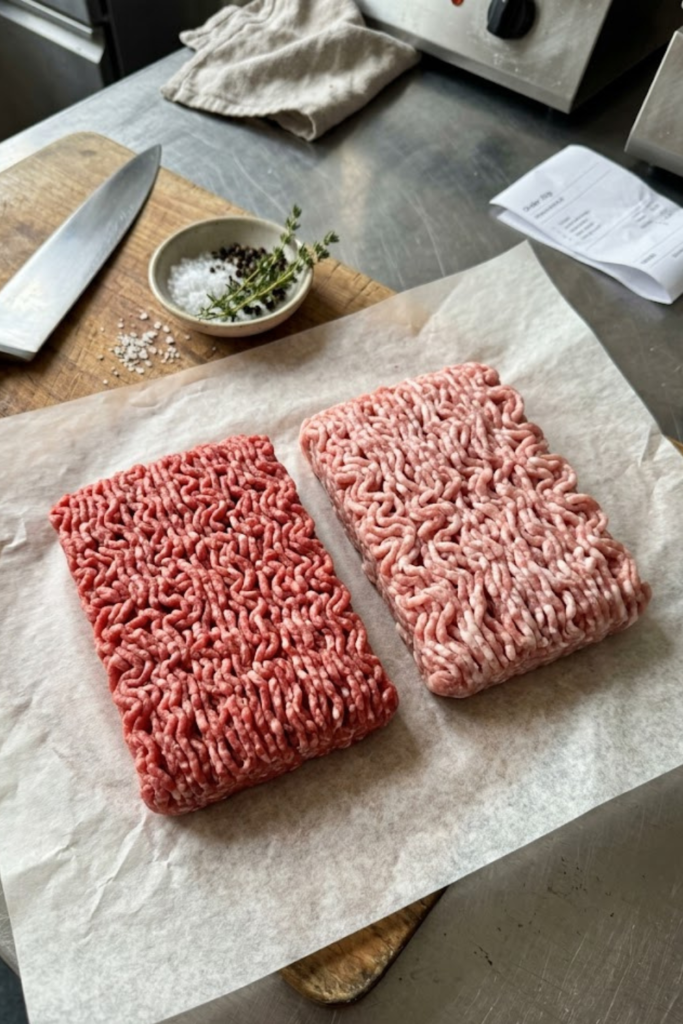
I’ve spent a lot of years standing over a hot stove, and I’ve taught a lot of folks how to cook a decent meal. One of the biggest mistakes I see people make happens before they even turn the oven on. They go to the store and just grab the first package of ground beef they see. I used to do the same thing! I’d just look for the cheapest price or the prettiest red color. But if you want your meatloaf with Dijon and thyme to actually taste like something from a restaurant, you have to be picky about your meat. It’s the foundation of the whole dish, and if the foundation is weak, the whole house falls down.
The Magic of the 80/20 Ratio
Fat gets a bad reputation, but in the kitchen, fat is your best friend. If you buy the super lean meat, like the 95/5 or 93/7 packages, your meatloaf is going to be dry and crumbly. It’ll taste more like cardboard than dinner. I always tell my students to look for the 80/20 mix. This means eighty percent lean meat and twenty percent fat. That fat melts while the loaf bakes, which keeps everything moist and helps carry the flavors of the Dijon and the thyme into every single bite. If you can’t find 80/20, 85/15 is okay, but don’t go any leaner than that. You need that moisture to make it “stick-to-your-ribs” good.
Mixing Your Meats for Better Texture
While you can totally make a great loaf with just beef, I really like to mix things up. A lot of old-school cooks use a blend of beef, pork, and veal. This is often sold in the store as a “meatloaf mix.” The pork adds a bit more fat and a softer texture, while the veal makes the loaf feel really silky and smooth. If you don’t like veal, just doing a half-and-half mix of beef and pork is a great move. The pork flavor is a really good partner for the fresh thyme, too. It makes the whole thing taste a bit more complex without you having to do any extra work.
Shopping for Quality in 2026
Nowadays, in 2026, we have a lot more choices for where our meat comes from. I try to look for meat from local farms whenever I can. Grass-fed beef is really popular now because it’s a bit healthier, but keep in mind that it can be a little leaner than grain-fed beef. If you use grass-fed for your meatloaf with Dijon and thyme, you might want to add a tiny bit of extra moisture to the mix, like an extra splash of milk or a bit more mustard. It’s worth it to get the good stuff because you can really taste the difference when the meat is fresh. Just don’t be afraid to ask the butcher for help; they usually know exactly what is best for a slow-baked loaf.
The Secret to a Moist, Never-Dry Meatloaf
I have had my fair share of kitchen fails over the years, believe me. One time, early in my teaching career, I invited some fellow teachers over for dinner and served a meatloaf that was so dry, we joked about using it as a doorstop. It was pretty embarrassing! I learned the hard way that a good meatloaf with Dijon and thyme shouldn’t be a brick. It should be tender enough to cut with a fork but still hold its shape. Getting that perfect texture isn’t about luck; it is about a few simple tricks I’ve picked up along the way. Most folks think they just need more sauce on top, but the real secret is what happens inside the meat before it ever hits the oven.
Why the Panade is Your Best Friend
If you just toss dry breadcrumbs into your meat, they act like little sponges that suck all the moisture out of the beef. This is why so many loaves end up crumbly and sad. Instead, I always use a “panade.” This is just a fancy way of saying you should soak your bread in milk first. I usually take two slices of white bread, pull them into small bits, and let them sit in a bowl with about a third of a cup of milk. After a few minutes, mash it into a thick paste. When you mix this paste into your meatloaf with Dijon and thyme, it keeps the meat fibers apart so they can’t get too tight and tough. It makes a huge difference in how juicy the final result is.
Stop Touching the Meat!
I see my students do this all the time—they get their hands in the bowl and start squeezing the meat like they are playing with play-dough. You have to be gentle! If you overwork the ground beef, the proteins get all tangled up and turn the loaf into something rubbery. I like to use a big fork to lightly toss everything together. You want to mix it just until you don’t see big streaks of egg or mustard anymore. It should look a little loose and messy. If it looks like a solid, smooth block of clay, you have probably gone too far. Keep it light, and your teeth will thank you later.
The Thermometer Doesn’t Lie
The last thing I always tell people is to stop guessing when the meat is done. I used to just cut into the middle to see if it was still pink, but that lets all the good juices run out! Buy a cheap digital thermometer and use it. You want to pull the loaf out when it hits 160 degrees in the center. If you leave it in until it’s 175 or 180, you are headed straight for Dry-Town, and nobody wants to go there. Let it rest for ten minutes after you pull it out so the juices stay where they belong. This is the best way to make sure your dinner is a hit every single time.
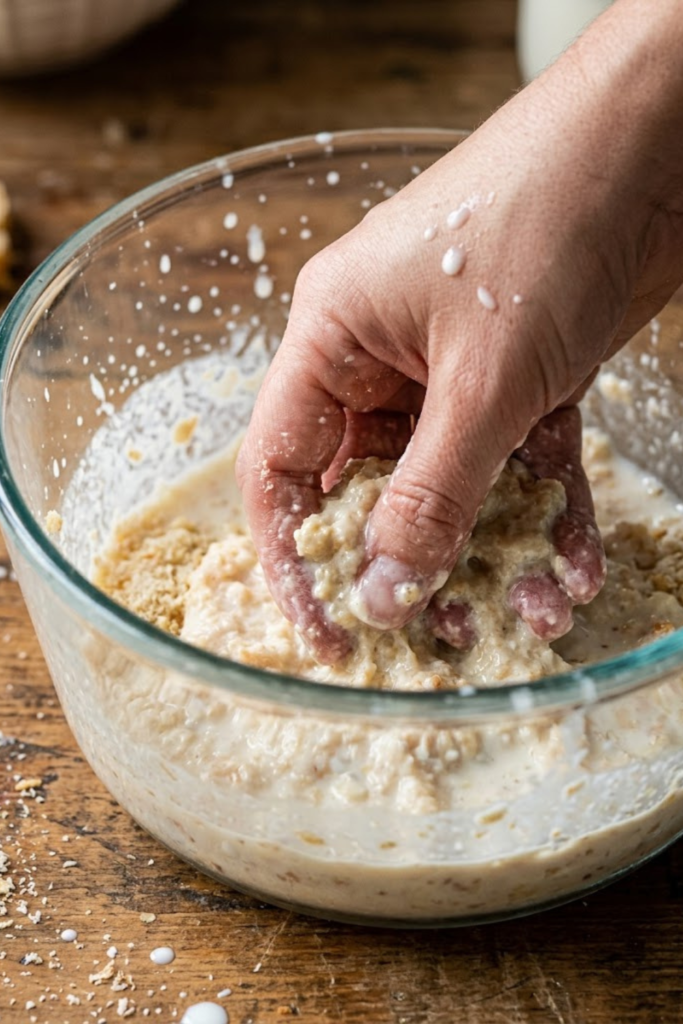
Step-by-Step: Crafting Your Meatloaf with Dijon and Thyme
I’ve made a lot of dinners that didn’t go as planned, so I know how it feels to stand in front of the fridge wondering what went wrong. After years of teaching kids how to handle a kitchen, I’ve found that the best way to get a great meal is to follow a simple plan. Making a meatloaf with Dijon and thyme isn’t hard, but you can’t just throw everything in a bowl and hope for the best. There is a bit of a rhythm to it. I like to start with the veggies because they need some extra love before they meet the meat.
Don’t Skip the Veggie Sauté
One mistake I used to make was putting raw onions and garlic straight into the ground beef. They never cook all the way through in the oven, and you end up with crunchy bits of onion in your slice. That is not what we want! I always take five minutes to cook my chopped onions and garlic in a little bit of butter first. You want them to get soft and a bit see-through. This brings out a natural sweetness that tastes amazing next to the sharp mustard. Let them cool down for a minute before you add them to the meat so you don’t accidentally cook the eggs too early!
Mixing the Main Ingredients
Once your veggies are cool, it is time to build your loaf. I grab a big glass bowl and put in the meat, the soaked bread panade we made, the sautéed onions, and a good helping of fresh thyme. This is where the magic happens. I add a couple of big spoonfuls of Dijon mustard right into the mix. I don’t measure it exactly—I usually just go by what looks right. Add your salt and pepper now, too. Remember, be gentle when you mix! You want everything to be just combined, like you’re lightly folding laundry. It should feel loose, not like a heavy brick of clay.
The Best Glaze and the Big Wait
Before I bake it, I make a separate little glaze. I mix more Dijon mustard with a tiny bit of honey or brown sugar and some extra thyme. I spread about half of this over the top of the raw loaf. Then, halfway through the baking time, I pull it out and put the rest on. This creates a sticky, caramelized crust that is the best part of the whole meal. Once it hits 160 degrees, pull it out. Now, here is the hardest part: leave it alone! Let it rest for ten minutes. If you cut it right away, all the juice runs out. Trust me, the wait is worth it for a perfect meatloaf with Dijon and thyme.
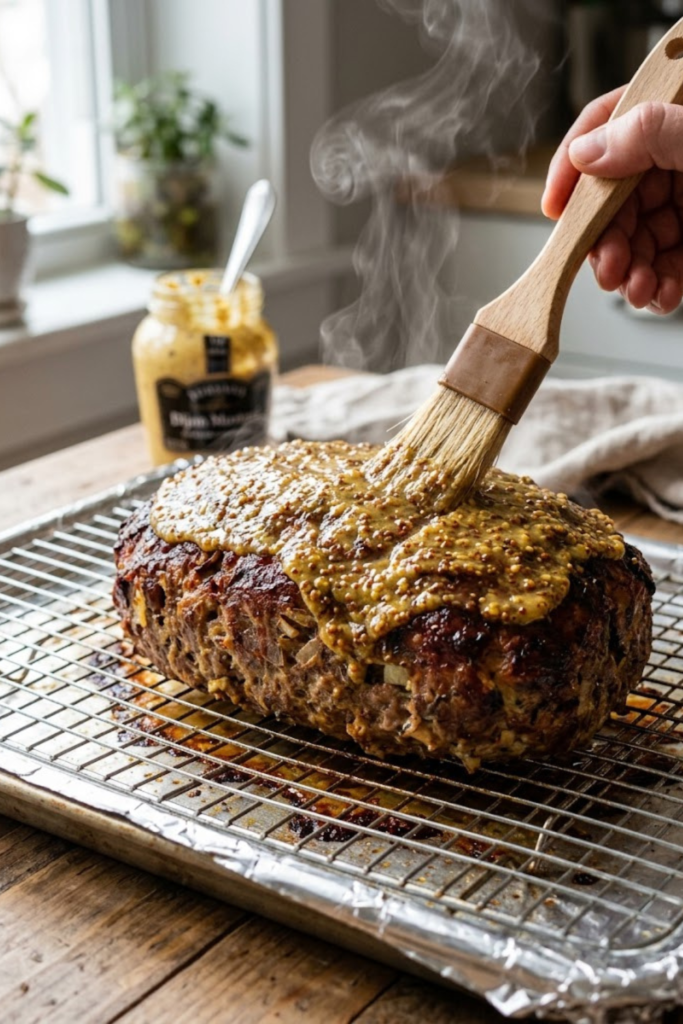
Side Dishes That Pair Perfectly
I always tell my students that a dinner plate is a lot like a little community. Every part of it needs to get along for the whole thing to be a total success. If you have a big, savory slice of meatloaf with Dijon and thyme, you can’t just serve it with something boring or bland. You need partners on that plate that make the meat taste even better. I’ve tried a lot of different combos over the years, and some definitely work way better than others. It is all about finding that right balance between the heavy, rich meat and something light or creamy to help round it out.
The Ultimate Comfort: Garlic Mashed Potatoes
You really can’t go wrong with mashed potatoes, can you? They are the classic choice for a reason. But for this specific meal, don’t just make the plain ones from a box. I like to boil up some Yukon Gold potatoes and mash them with plenty of butter, milk, and roasted garlic. The reason this works so well with meatloaf with Dijon and thyme is because the potatoes act like a soft cloud that soaks up all that extra mustard glaze. I remember one time my nephew literally used his potato pile to wipe his plate clean of the sauce. It’s that good! The creaminess of the mash helps soften the sharp bite of the Dijon, making every bite feel like a warm hug.
Roasted Root Vegetables with Extra Herbs
Another great pick is roasted carrots or parsnips. Since we are already using fresh thyme in the meatloaf, I like to toss the vegetables in a little olive oil and sprinkle on some more of those fresh herbs before sliding them into the oven. When you roast them at a high heat, they get all sweet and brown on the edges. This natural sweetness is a perfect match for the earthy thyme flavor. I once had a student who told me they hated carrots, but after trying them roasted this way alongside the meatloaf, they completely changed their mind! It makes the whole meal feel very rustic and special.
A Crisp Green Salad to Balance it Out
Lastly, I always suggest something fresh and crunchy. Because meatloaf is a pretty heavy, “sticks-to-your-ribs” kind of food, your mouth needs a bit of a break. A simple green salad with a lemon or apple cider vinegar dressing is the way to go. The acid in the dressing helps cut through the fat of the beef and pork. It keeps your taste buds awake so you don’t get bored halfway through the meal. I used to skip the salad because it felt like extra work, but now I realize it’s what makes the meatloaf with Dijon and thyme really stand out. It’s all about that contrast on the plate!
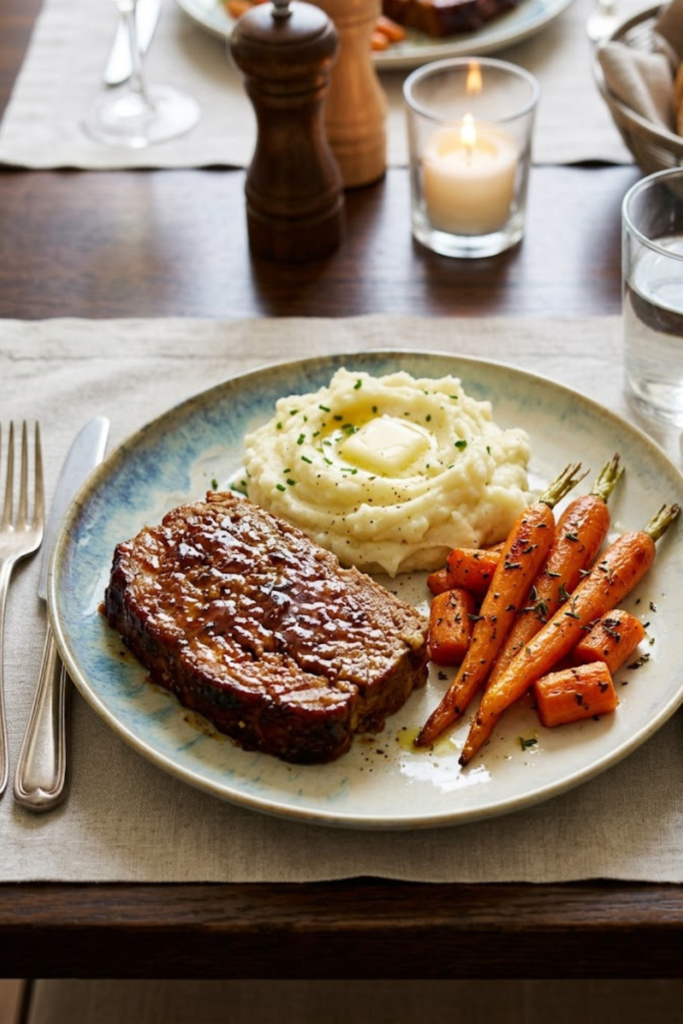
I really hope you give this meatloaf with Dijon and thyme a shot in your own kitchen. I know that sometimes cooking can feel like a chore, especially after a long day at work when everyone is hungry and cranky. But there is something so rewarding about pulling a hot, bubbling dish out of the oven that you actually feel proud of. I spent years making food that was just “okay,” but once I started focusing on these small details—like the mustard and the fresh herbs—my cooking really changed. It made me enjoy being in the kitchen a lot more because I knew the results were going to be good.
If you are nervous about trying it, just remember the big points we talked about. Get that 80/20 meat so you have enough fat for flavor. Make sure you soak your bread in milk to create that panade; it really is the most important step for a juicy loaf. And please, don’t overwork the meat with your hands! Keep it light and airy. If you do those things, I promise your family will notice the difference. My kids used to groan when they heard we were having meatloaf, but now they actually ask for it by name. That is the biggest win a home cook can get, in my opinion.
One of my favorite things about this meal is actually what happens the next day. If you have any leftovers, they make the best sandwiches you have ever had. I like to take a cold slice of the meatloaf with Dijon and thyme, put it on some toasted sourdough with a little extra mustard and a piece of lettuce, and have it for lunch. It almost tastes better the second day because the flavors have had more time to sit together. It’s a great way to save money and still eat a delicious lunch at work or school.
Thank you so much for reading along and letting me share some of my kitchen stories with you. Cooking is a journey, and we are all learning as we go. If you found these tips helpful or if your meatloaf turned out great, please share this article on Pinterest! It helps other home cooks find these secrets so they can stop serving dry dinners too. Happy baking, and I hope your next meal is the best one yet!