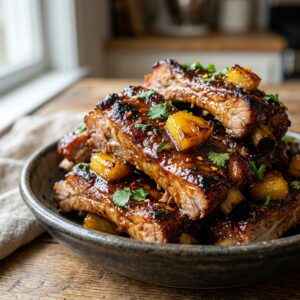
Did you know that over 60% of home cooks rank meatloaf as their top “comfort food” pick for a Tuesday night? I’ve spent years trying to get that perfect balance of tang and savory depth, and let me tell you, I’ve had my share of dry, crumbly disasters! But everything changed when I finally nailed the ratio for a meatloaf with ketchup and Worcestershire. It’s all about that classic glaze meeting a rich, umami-packed interior. This recipe is going to become your new weeknight hero!
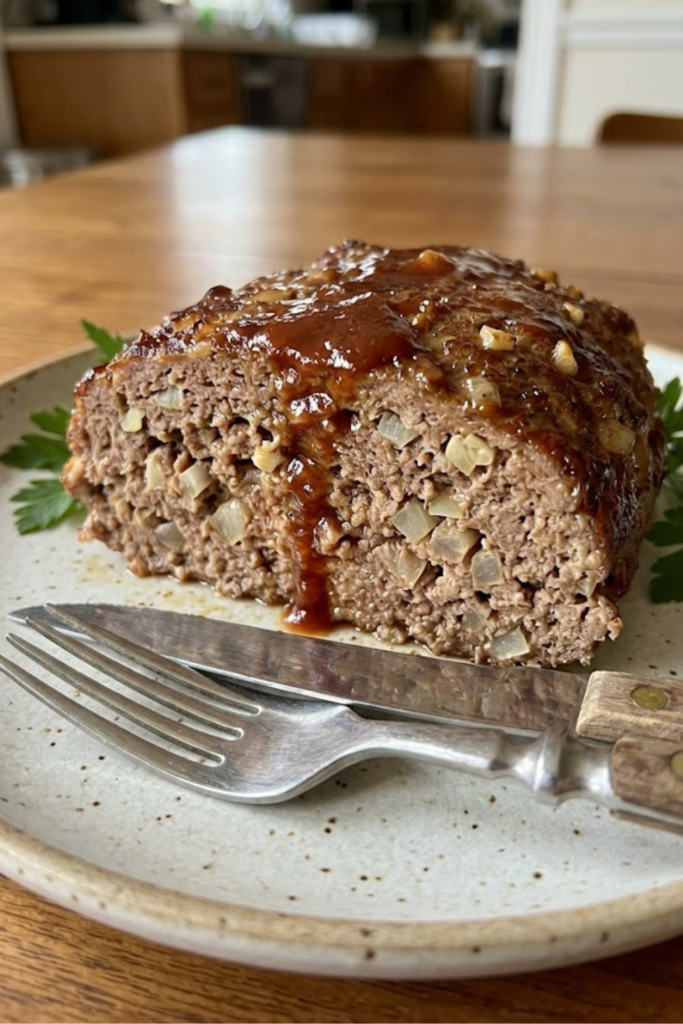
Why Meatloaf with Ketchup and Worcestershire is the Ultimate Duo
Meatloaf can be a bit of a gamble if you aren’t careful. I remember one time I tried to make it with just plain tomato paste because I ran out of the red stuff in the fridge. It was a total flop! My family barely touched it, and I ended up eating leftovers for a week. The reason why meatloaf with ketchup and Worcestershire sauce is the ultimate duo is actually pretty simple once you break it down. It’s like a team. One brings the deep, dark flavor, and the other brings the bright, sweet pop. They work together to fix the biggest problem with ground beef: it can be pretty boring on its own.
The Salty Kick of Worcestershire
If you look at a bottle of Worcestershire sauce, it’s got all sorts of stuff in there like fermented anchovies and tamarind. It sounds a little weird, I know, but it’s what gives the meat that savory “oomph” we call umami. Without it, your beef just tastes like a big hamburger that’s missing something. In my classroom, I tell my students that this sauce is like the bass player in a band. You might not always hear it clearly, but you definitely notice when it’s gone. It cuts through the fat of the ground beef and makes everything taste much richer. It provides a deep saltiness that plain table salt just can’t match.
Why Ketchup is the Secret Glue
Then you have the ketchup. People think it’s just for dipping fries, but in a meatloaf, it does two big jobs. First, the sugar in the ketchup caramelizes in the heat of the oven. That’s how you get that sticky, delicious top layer everyone fights over at the dinner table. Second, the vinegar in the ketchup helps break down the proteins. Since I’ve been cooking for years, I’ve seen folks try to skip the ketchup, but the loaf usually ends up dry and crumbly. The ketchup keeps the moisture locked inside so you aren’t eating a meat brick.
Finding the Perfect Balance
When you mix these two, you get a balance of sweet, salty, and tangy. It hits every part of your tongue. I usually tell people to use about a tablespoon of Worcestershire for every pound of meat, and then plenty of ketchup both inside the mix and on top. It’s a classic combo for a reason. It’s cheap, it’s easy, and it works every single time. Plus, it makes the house smell amazing while it bakes. It’s the kind of smell that makes you forget about a long day of work or grading papers! This duo makes sure your dinner is a hit instead of a disappointment.
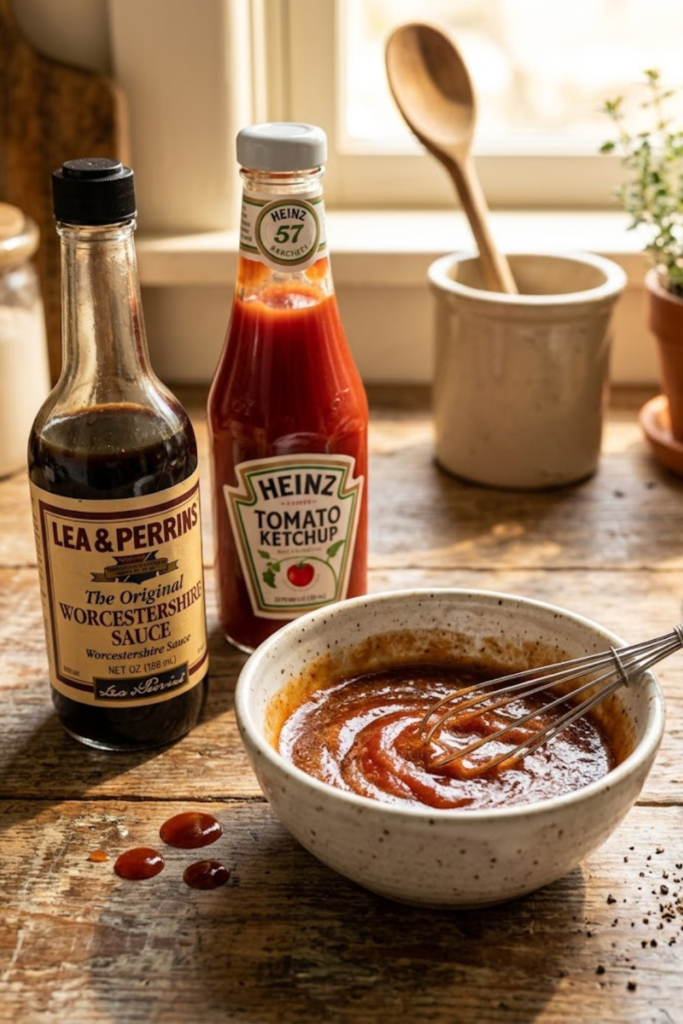
Choosing Your Meat: The 80/20 Rule for Maximum Juice
Choosing the right meat is the most important part of this whole process. If you pick the wrong kind, all the ketchup and Worcestershire won’t save you. I learned this the hard way during a school potluck once. I tried to be healthy and bought the 93% lean ground beef. It looked great raw, but after an hour in the oven, it shrunk into a tiny, grey block that tasted like dry cardboard. My coworkers were polite about it, but most of that loaf went straight in the trash. That’s when I realized that fat isn’t a bad thing; it’s actually the secret to getting a juicy slice.
Fat is Flavor
You really want to look for the “80/20” label on the package at the grocery store. This means 80 percent meat and 20 percent fat. When that fat melts during cooking, it stays inside the loaf and keeps the beef from getting tough or chewy. If you use meat that’s too lean, the moisture just evaporates, and you’re left with a dry mess that falls apart. I always tell people that the fat is what carries the flavor of the spices. Without it, your meatloaf will just feel heavy and bland in your mouth. Don’t be afraid of a little grease in the pan—that’s just proof you did it right.
Blend Options for Better Texture
Sometimes, I like to mix things up to get a softer bite. A lot of old-school cooks use a “meatloaf mix,” which is a blend of beef, pork, and sometimes veal. Ground pork is great because it has a different kind of fat that stays soft even when it’s fully cooked. It makes the texture of the loaf a lot lighter and less like a giant hamburger. If you find that your beef-only loaves are a bit too dense or hard, try swapping out half a pound of the beef for ground pork. It’s a huge help for the overall feel of the dish.
Keep It Cold
One mistake I see all the time is letting the meat sit on the counter while you prep the onions and breadcrumbs. You want the meat to stay cold right up until it goes in the bowl. If the beef gets too warm, the fat starts to soften and separate before you even start mixing. This leads to a greasy loaf with a weird, mushy texture. I usually keep mine in the fridge until the very last second. It makes it easier to work with, too! Keeping things cold makes sure the fat stays where it belongs: inside the meat. Just take it out right when you’re ready to get your hands dirty.
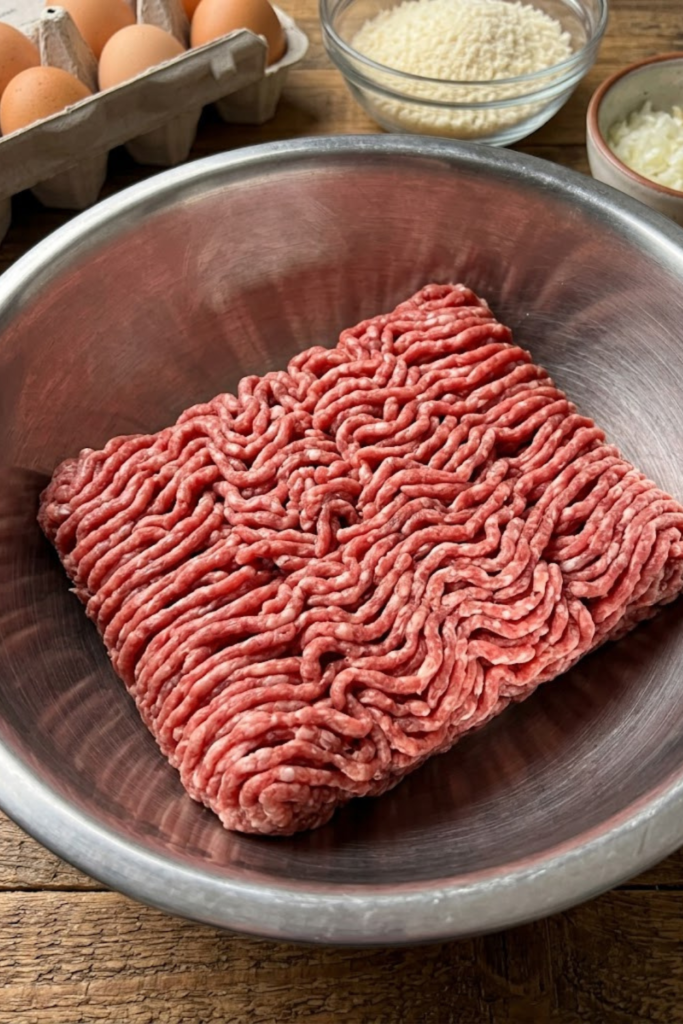
Step-by-Step Guide to the Perfect Glaze
The glaze is really the part that makes people come back for seconds. I’ve seen some folks just squirt a little plain ketchup on top and call it a day, but that’s a big mistake. A real glaze needs to be thick, sticky, and just a little bit sweet to balance out all that salty meat. If you don’t do it right, it just runs off the sides and pools at the bottom of the pan, which is a total waste of good sauce. I remember one time I tried to use honey instead of brown sugar—big mistake! It got way too runny and burnt before the meat was even done. Since then, I’ve stuck to the classic method that never fails.
Mixing the Sauce
The first thing you gotta do is get your ratio right. I like to use about half a cup of ketchup for every pound of meat. To that, I add two tablespoons of brown sugar and a good splash of Worcestershire sauce. The brown sugar is important because it has molasses in it, which helps the sauce get that dark, caramel color. I usually add a tiny bit of mustard powder too, just to give it a little zing. You want to whisk this in a small bowl until it’s smooth. If you see lumps of sugar, keep stirring! You want every single bite of that crust to taste exactly the same.
Timing the Topping
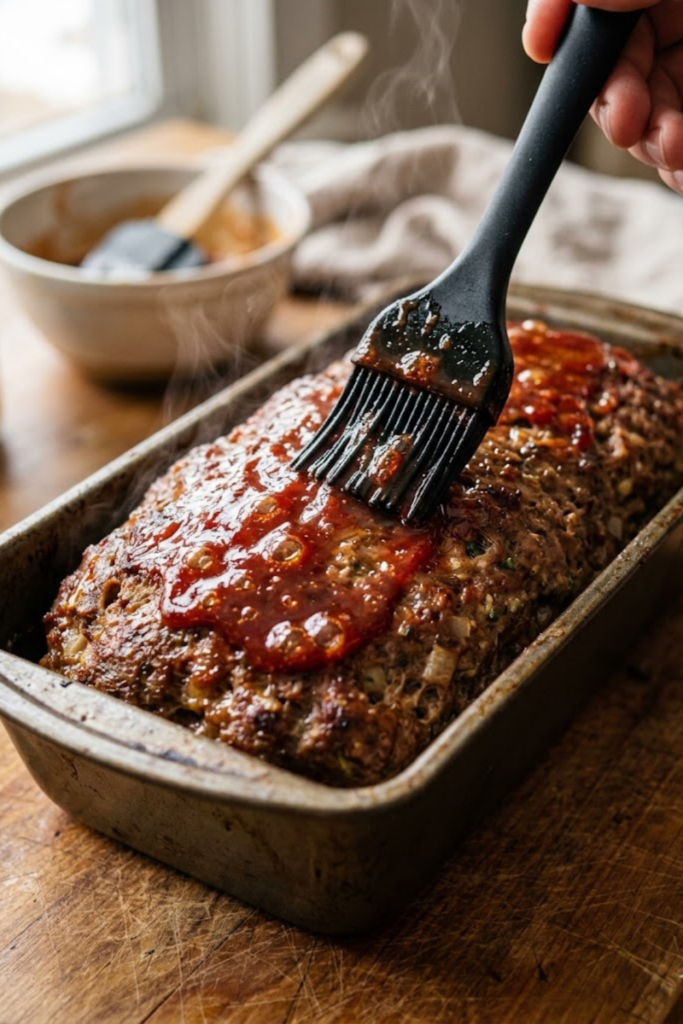
Now, here is where a lot of my students get confused. If you put all the glaze on at the very start, the sugar might burn because it’s in the oven for an hour. Burnt ketchup tastes bitter and gross. I usually put a very thin layer on at the beginning to keep the meat from drying out, but the “real” glazing happens later. About 15 minutes before the timer goes off, that’s when you really slather it on. This gives the sauce just enough time to bubble and get sticky without turning black. It makes a huge difference in the final look of your dinner.
Double Glazing
My personal pro-tip that I tell everyone is the “double glaze” method. After that first big layer has cooked for ten minutes, I take the pan out and put another layer on top. This builds up a thick, restaurant-quality crust that is just incredible. It’s almost like a candy coating for your meat. My kids used to pick the glaze off and eat it first because it’s so good. Doing it twice makes sure the flavor is really baked in there. It’s a small extra step, but it makes you look like a pro. Plus, it hides any cracks that might have formed in the meat while it was baking!
Common Mistakes and How I Fixed My “Meatloaf Misfires”
I’ve been cooking for a long time, but that doesn’t mean I haven’t messed up a few dinners. My students always ask why their meatloaf comes out like a bouncy ball or why it’s swimming in grease. Believe me, I’ve made all those mistakes too! It took me a while to figure out that meatloaf is actually pretty picky. If you treat it like a burger or a steak, you’re gonna have a bad time. Here are the big things I had to fix in my own kitchen to stop making those “meatloaf misfires” that nobody wanted to eat.
The Overmixing Drama
One of the biggest lessons I learned is to stop touching the meat so much. In my early days, I used to squeeze and knead the beef like I was making pizza dough. I thought I was making sure the flavors were all mixed in. But what actually happens is you crush the meat fibers together. This turns your nice dinner into a tough, rubbery brick. Now, I just use my fingers like a rake to gently toss the breadcrumbs and sauce into the beef. As soon as it looks combined, I stop. If you overwork it, you’re basically making a giant, heavy hot dog, and that’s not what we want.
Solving the Soggy Bottom
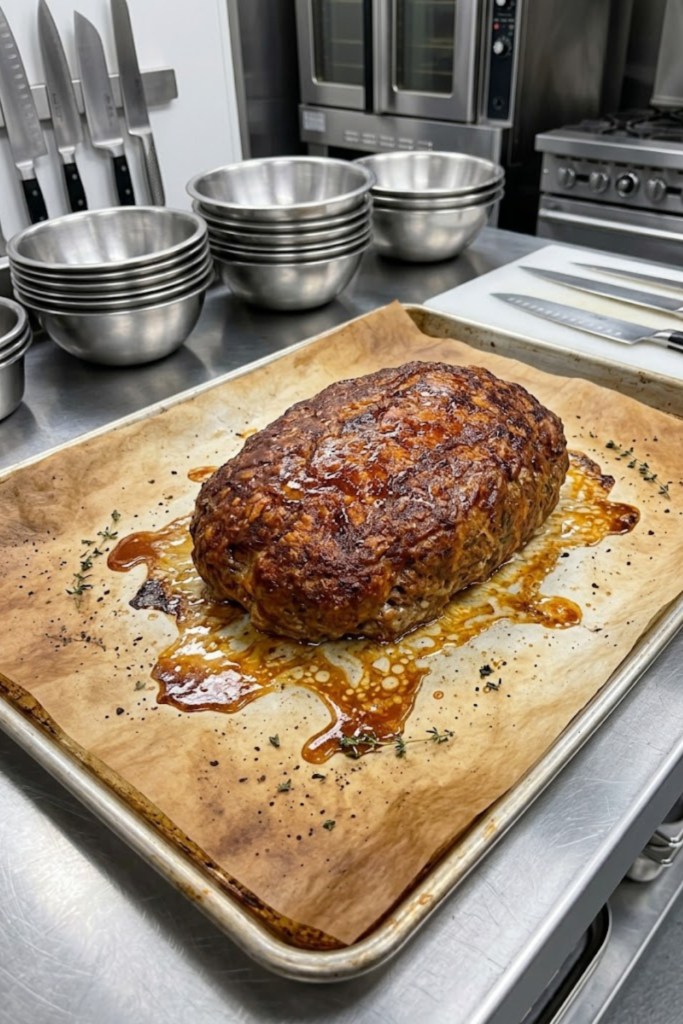
Another thing I struggled with for a long time was the pan. For years, I used a deep loaf pan because that’s what my mom did. The problem is, the meatloaf just sits there boiling in its own fat and juices. You end up with a soggy bottom that’s just gross. I finally started baking mine on a flat baking sheet lined with parchment paper. I shape it into a loaf with my hands instead. This lets the hot air hit all sides of the meat, and the extra grease can actually run away from the loaf. It makes the outside much crispier and way better.
Stop Guessing the Temperature
Lastly, I had to stop “eye-balling” it. I used to just poke the middle and hope for the best. Usually, I’d take it out too early because I was scared of burning it, or too late because I was worried about raw meat. Buying a cheap meat thermometer was the best money I ever spent. You want to pull it out when the middle hits exactly 160 degrees. If you go over that, all that juice we worked so hard for will just dry up and leave you with a dry mess. It’s the easiest way to make sure your meatloaf with ketchup and Worcestershire sauce is perfect every single time.
Bringing the Family Back to the Table
So, that’s pretty much all there is to it. Making a meatloaf with ketchup and Worcestershire isn’t some huge mystery, but it does take a little bit of practice to get it just right. I remember the first time I finally made a decent one, I felt like a total rockstar in the kitchen. My kids actually asked for seconds, which almost never happens! It’s such a relief to have a dinner plan that you know is going to work out. No more staring at a pack of ground beef and wondering what on earth to do with it after a long day at work.
I really hope you give this version a try. It’s the kind of food that makes a house feel like a home. When the smell of that tangy glaze starts filling up your kitchen, you’ll know exactly what I’m talking about. It’s warm, it’s filling, and it’s way better than any store-bought version you can find. Plus, it’s a great way to save money since most of these ingredients are already in your pantry anyway. I always keep an extra bottle of Worcestershire sauce and a big jug of ketchup in the back of my cupboard just for what I call “meatloaf emergencies.”
Don’t get discouraged if your first try isn’t 100% perfect. Even after years of teaching, I still have days where I forget to set the timer or I accidentally add too much salt. Cooking is a journey, not a test you have to pass on the first try. Just remember the big rules I shared: don’t overmix the meat, use the 80/20 beef, and don’t forget that double layer of glaze at the end! Once you get the hang of it, you’ll be making this recipe by heart without even looking at the instructions.
If you enjoyed this guide and think your friends or family would love a juicy slice of meatloaf with ketchup and Worcestershire, please save this recipe! I’ve put a lot of work into figuring out these tips, and it helps me out a lot when people share my stuff. Go ahead and pin this to your favorite Pinterest boards so you can find it next time you’re standing in the grocery aisle. Happy cooking, and I hope your next dinner is a total home run!