I used to be absolutely terrified of cooking fish. Seriously! I’d look at a beautiful piece of salmon and think, “Yep, I’m definitely going to turn this into a dry, rubbery brick.” It’s a common fear, considering that about 50% of home cooks say they struggle to cook seafood perfectly at home.
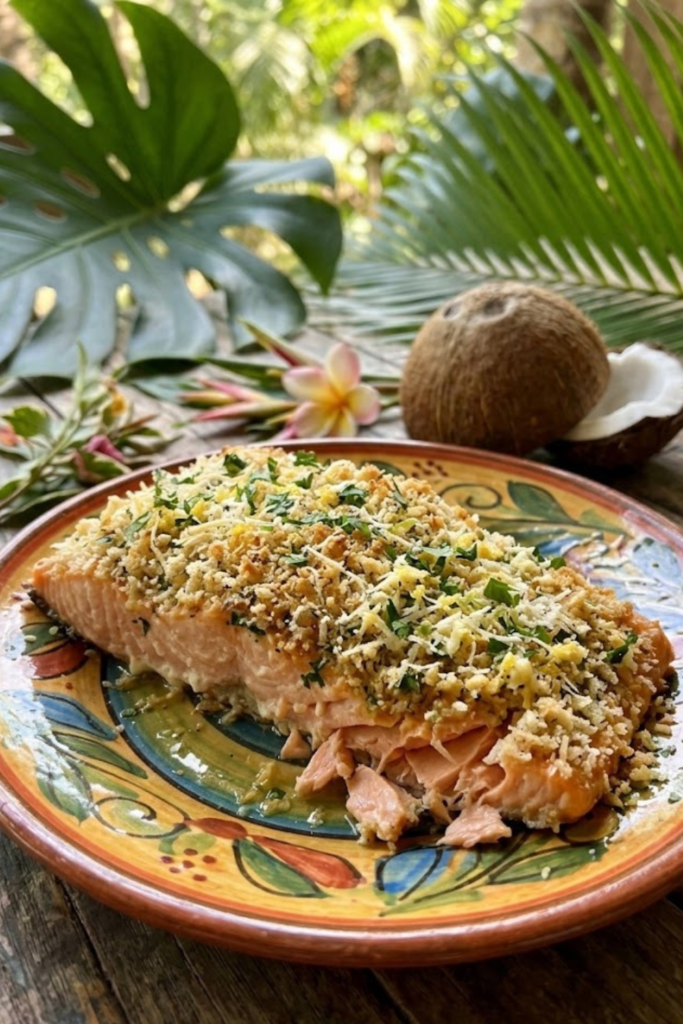
But then I discovered this Salmon with Parmesan Herb Crust, and my kitchen life changed forever! It’s snappy, it’s salty, and that herb crust is just… wow. You get that crunch from the cheese and breadcrumbs that protects the fish from drying out. I’m telling you, if a 40-year-old teacher like me can nail this on a Tuesday night after grading papers, so can you! Let’s get into how to make this juicy, flaky masterpiece that’ll have your family begging for seconds.
The Secret to a Crispy Parmesan Crust
I have definitely messed this up more times than I’d like to admit to my students. One time, I thought I’d be “healthy” and skip the butter in the crust. That was a big mistake! I ended up with a pile of dry, sandy crumbs that just fell off the fish and sat there looking sad on the baking sheet. My husband actually asked if I was trying to “bread” the oven. Not my best moment! The trick I learned—mostly through trial and error and a few burnt pans—is the texture of your parmesan.
Why Freshly Grated Cheese is Best
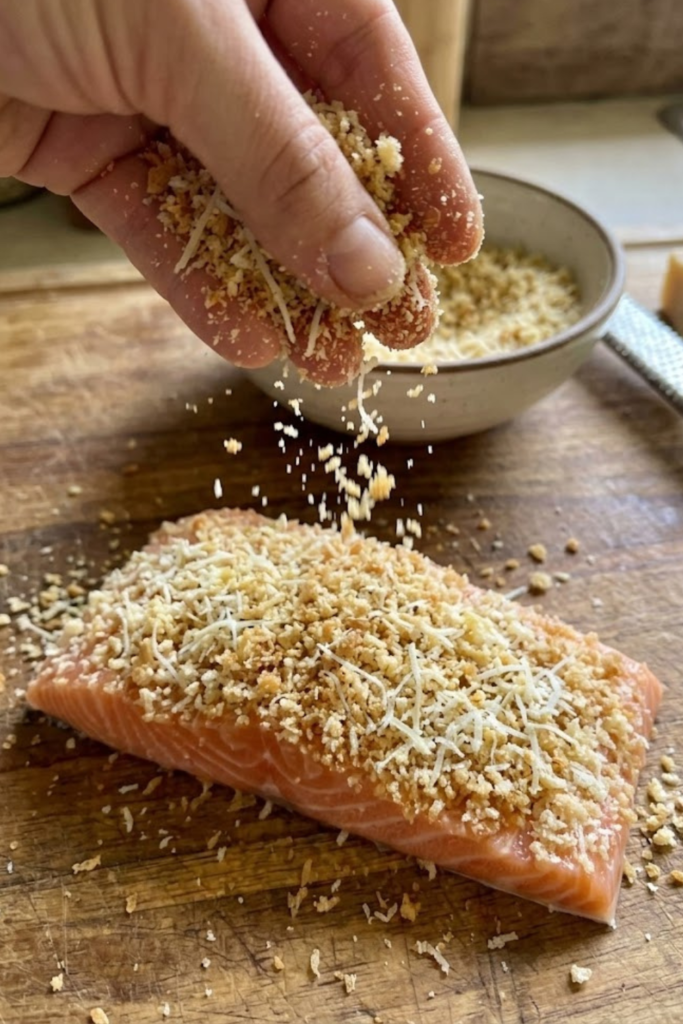
Don’t use that stuff in the green shaker bottle. You know the one I mean. It’s okay for pizza in a pinch, but for this? No way. You want the freshly grated stuff. It has more moisture and fat, which helps it melt into the herbs and breadcrumbs to create a real “crust” rather than just a dusty topping. When you grate it yourself, the cheese acts like a glue. It holds the breadcrumbs to the salmon. If you use the powdered stuff, it just falls off and don’t stay where it belongs.
The Paper Towel Trick
Another thing I learned from my “oops” files: pat that salmon dry. Like, really dry. I use about four paper towels. If the fish is wet, the crust just steams and gets soggy. Nobody wants a soggy crust on their Salmon with Parmesan Herb Crust. We want that golden, audible crunch when your fork hits it! I usually set my oven to 400 degrees because it’s hot enough to crisp the top before the middle of the fish turns into leather. It’s a total win-win for everyone at the table.
The Secret Sticky Binder
One little secret I use is a thin layer of Dijon mustard on top of the fish before I put the crumbs on. It doesn’t taste like mustard when it’s done, I promise! It just helps the parmesan mixture stick. My kids didn’t even notice, and they notice everything. Using a binder like this makes the crust much more solid. You won’t have to worry about the topping sliding off when you try to serve it. It makes the whole process way less stressful on a busy school night.
Choosing the Best Salmon Fillets
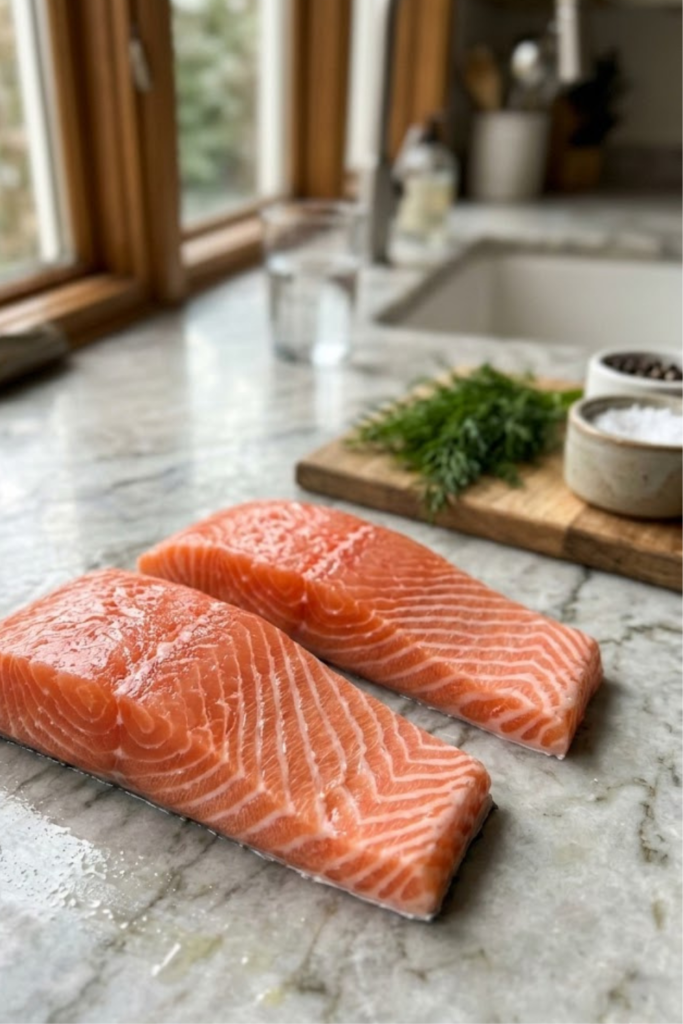
Buying fish at the grocery store used to make me so nervous. I would stand at the seafood counter for ten minutes just staring at the different shades of orange and pink, feeling totally lost. I didn’t want to spend twenty dollars on something that was going to taste like the bottom of a boat! Over the years, I’ve figured out that picking the right piece of fish is actually half the battle when making Salmon with Parmesan Herb Crust. If you start with a bad piece of fish, no amount of cheese or herbs can save it. Trust me, I’ve tried!
Wild Caught or Farmed?
People always ask me if they should buy the wild-caught Sockeye or the farmed Atlantic salmon. In my classroom, I tell my students there’s no “wrong” answer, but for this specific recipe, there is a difference. Wild salmon, like Sockeye or King, is usually leaner and has a much stronger flavor. It’s great, but it can dry out fast if you aren’t watching the clock. Farmed Atlantic salmon has more fat marbled through it. That extra fat makes it a lot more forgiving. If you get distracted for a minute or two, the fish stays juicy. Since we are adding a heavy crust, that extra moisture from the Atlantic variety really helps keep things balanced.
The Center-Cut Choice
When you’re looking at the display case, try to ask the person behind the counter for “center-cut” fillets. These are the pieces from the middle of the fish. They are nice and thick and—most importantly—they are the same thickness all the way across. The tail pieces are thin and taper off at the end. If you cook a tail piece and a center-cut piece at the same time, the tail will be burnt by the time the middle is done. Getting pieces that are the same size means everyone’s dinner finishes at the same time, which saves me a lot of headaches when I’m trying to get food on the table.
How to Spot Freshness
You have to use your senses! Don’t be afraid to ask to smell the fish if you aren’t sure. It should smell like the ocean, not “fishy.” If it has a strong, sour smell, walk away. Also, look at the color. It should be bright and look moist. If the edges are starting to look gray or dry, it’s been sitting there way too long. I also like to do a quick “poke test” through the plastic. The meat should be firm and spring back. If your finger leaves a dent, it’s not fresh. Picking the right fillet makes the whole cooking process feel way less like a chore and more like a win.
Essential Herbs for the Perfect Topping
I used to think that herbs were just for decoration. You know, like that sad little piece of parsley they put on the side of your plate at a diner that nobody ever eats. I honestly thought “herbs are herbs” and just grabbed whatever was in the back of my spice cabinet. But let me tell you, once I started using real, fresh greens for my Salmon with Parmesan Herb Crust, I realized I had been missing out on so much flavor. It’s like the difference between watching a movie in black and white versus seeing it in bright, beautiful color. The herbs are what take this from a “regular dinner” to something that feels special.
Why Fresh Herbs Win Every Time
I know it is tempting to just use the dried jars. They are easy and they last forever. But for a crust like this, dried herbs can sometimes taste a bit like hay. They don’t have that “pop” of brightness that cuts through the salty parmesan and the rich fat of the salmon. When you chop up fresh leaves, they release oils that smell amazing and keep the topping from feeling too heavy. If you absolutely have to use dried because the store was out of fresh, remember to use way less—about a third of what the recipe calls for—because they are much more concentrated. But really, try to find the fresh stuff; your taste buds will thank you!
My “Big Three” Herb Combo
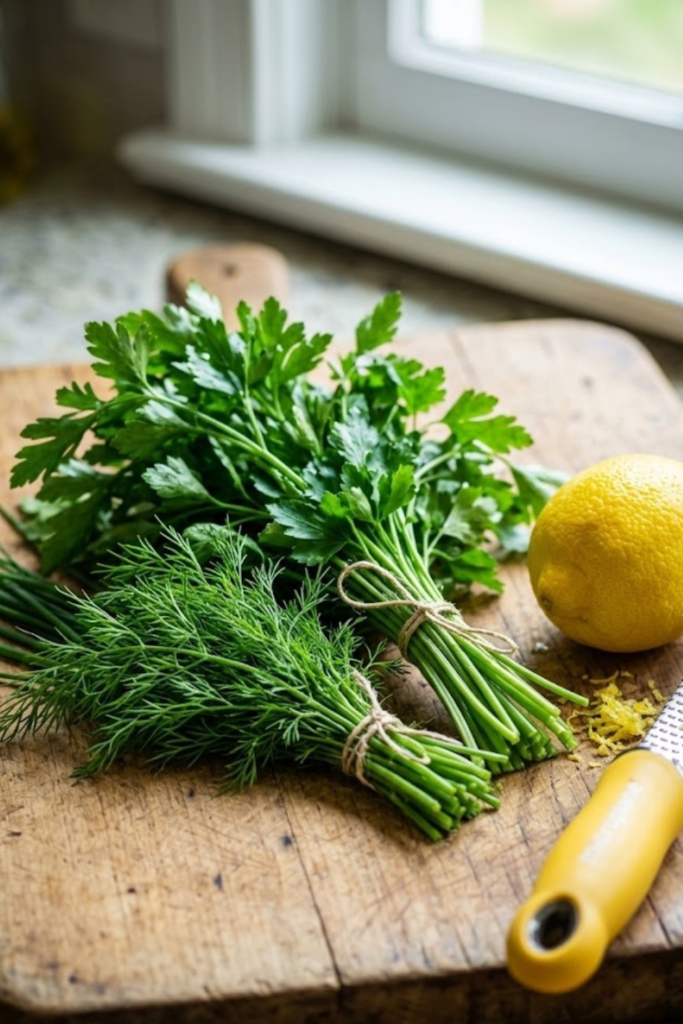
I usually stick to a trio of parsley, dill, and chives. Parsley is like the base; it adds a nice “clean” taste that ties everything together. I prefer the flat-leaf Italian parsley because it’s easier to chop and has a stronger flavor than the curly kind. Then there’s dill. Dill and salmon are like best friends. They just belong together. It adds a little bit of a sweet, citrusy vibe. Finally, I throw in some chives for a very mild onion kick. I just use my kitchen scissors to snip them right into the bowl. It’s way easier than trying to dice them with a big knife, and it saves me a few minutes when I’m rushing to get things ready before my favorite show starts.
The Power of Lemon Zest
If you want to really impress people, add the zest of one lemon to your herb mix. I’m not talking about the juice—save that for later—I mean the yellow part of the skin. I use a small grater to just lightly scrape the surface. It smells so good! It adds this incredible zing that makes the whole dish feel light and fresh. Be careful not to grate too deep into the white part, though, because that part is really bitter. Just a little bit of that yellow zest mixed in with your green herbs and cheese makes the crust look beautiful and taste like it came from a fancy restaurant. It’s a total game-changer.
Side Dishes that Complement Salmon
I remember one time I spent so much energy making this beautiful salmon and then I realized I had absolutely nothing to put on the side. I ended up serving it with a bag of plain potato chips because that was all I had left in the pantry. It was pretty embarrassing! My husband just looked at the plate and laughed. Since then, I’ve learned that the right side dish makes the whole meal feel like a real feast instead of just a piece of fish sitting alone on a plate. You want something that doesn’t fight with the parmesan flavor but instead makes it shine even more. Choosing the right sides is about finding a balance between the salty, crunchy crust and something fresh or filling.
Roasted Asparagus with Garlic
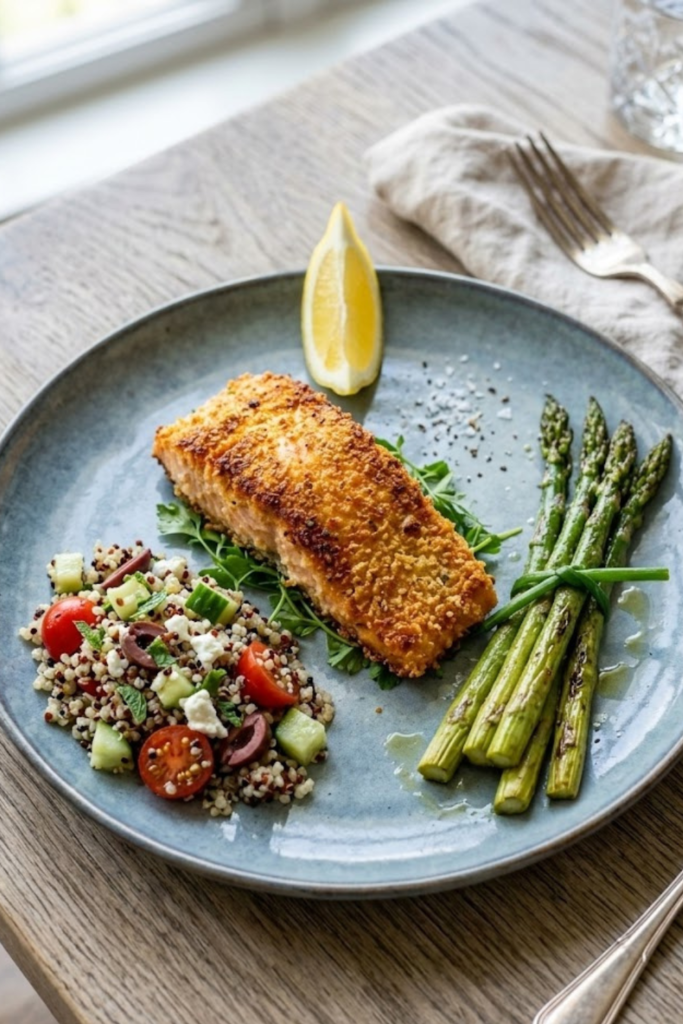
Asparagus is my go-to choice every single time. It’s so simple because you can usually roast it at the same temperature as the salmon. I just trim the woody ends off—don’t forget that part or you’ll be chewing on sticks—and toss them with some olive oil and garlic powder. One time I left them in too long and they turned into little green strings of mush. That was a sad day! Now, I set a timer so they stay bright green and have a little bit of a snap. The earthiness of the asparagus is perfect with the flaky fish. Plus, you can put them on the same baking sheet if your pan is big enough, which means fewer dishes for me to wash later!
Quinoa Salad for Balance
If I’m feeling like I need more veggies, I make a quick quinoa salad. I like to add chopped cucumbers and tomatoes and a very light lemon dressing. The reason I love this is because the Salmon with Parmesan Herb Crust is quite rich with the cheese and the butter. A cold, crunchy salad helps cut through that richness so the meal doesn’t feel too heavy. I used to think quinoa was “fancy” or hard to cook, but it’s really just like making rice. Just make sure you rinse it in a fine mesh strainer first so it doesn’t taste like dirt! I learned that the hard way after a very “earthy” tasting lunch a few years ago.
Lemon-Butter Pasta for Hearty Meals
On nights when my kids have had sports practice and they come home starving, a salad just isn’t going to cut it. That’s when I make a little bit of angel hair pasta. I toss it with some butter, a squeeze of lemon, and maybe a little extra parmesan. Since you already have the lemon and parmesan out for the salmon anyway, it’s really easy to do. The pasta soaks up any of the extra herb crust that falls off the fish onto the plate. It’s a total crowd-pleaser and fills everyone up so nobody is asking for snacks ten minutes after dinner is over. It makes the whole kitchen smell like a cozy Italian restaurant!
Bringing it All Together
I really hope you feel ready to tackle this Salmon with Parmesan Herb Crust in your own kitchen now. I know how it feels to stand in front of the stove feeling like you’re about to ruin a perfectly good piece of fish. I’ve been there! But honestly, once you get that first bite of the crunchy, cheesy topping mixed with the soft, buttery salmon, all that stress just melts away. It’s become one of those “gold star” recipes in my house—the kind that I know will turn out great even if I’ve had a long day at school and my brain feels like mush.
Final Tips for Success
If you’re still feeling a little bit nervous, just remember the three big things we talked about. First, keep that fish dry! Use those paper towels like your life depends on it. Second, don’t be stingy with the herbs. The freshness is what makes people think you spent hours in the kitchen when you really only spent twenty minutes. And finally, watch your oven timer. Every oven is a little bit different—mine runs a bit hot, so I usually check the fish a minute or two early. You’re looking for the salmon to turn opaque and flake easily with a fork. If it’s still dark pink in the very center, give it another minute or two.
Why This Recipe Works for Busy People
The reason I keep coming back to this meal is because it’s just so practical. As a teacher, I don’t always have the energy for a ten-step meal with a million pans. This is basically a “set it and forget it” kind of situation once you get the crust on. It’s healthy, it’s fast, and it looks much more expensive than it actually is. Plus, the cleanup is usually just one baking sheet and a small bowl. That means more time for me to sit on the couch with a book or catch up on my grading without a mountain of dishes staring at me from the sink.
Share Your Success!
I would love to hear how this turned out for you! Did your kids actually eat the green stuff? Did you try a different kind of cheese? Cooking is all about experimenting and finding what works for your family. If you enjoyed this guide and found it helpful, please save this post to your “Easy Dinners” or “Healthy Seafood” board on Pinterest! Sharing it helps me out a lot, and it might just help one of your friends solve their “what’s for dinner?” struggle tonight too. Happy cooking, and I can’t wait to see your beautiful salmon photos!