“Did you know that the term ‘Po’ Boy’ originated during a 1929 streetcar strike in New Orleans to feed the ‘poor boys’ on the line?”. Honestly, the first time I tried a real Shrimp Po’ Boy Sandwich in the French Quarter, I think I actually heard jazz music playing in my head! It’s more than just a sub; it’s a texture explosion of crispy seafood and soft bread. Today, I’m showing you exactly how to recreate that Gulf Coast magic in your own kitchen. We aren’t just making a sandwich here—we are building a legend.
Choosing the Best Seafood for Your Shrimp Po’ Boy Sandwich
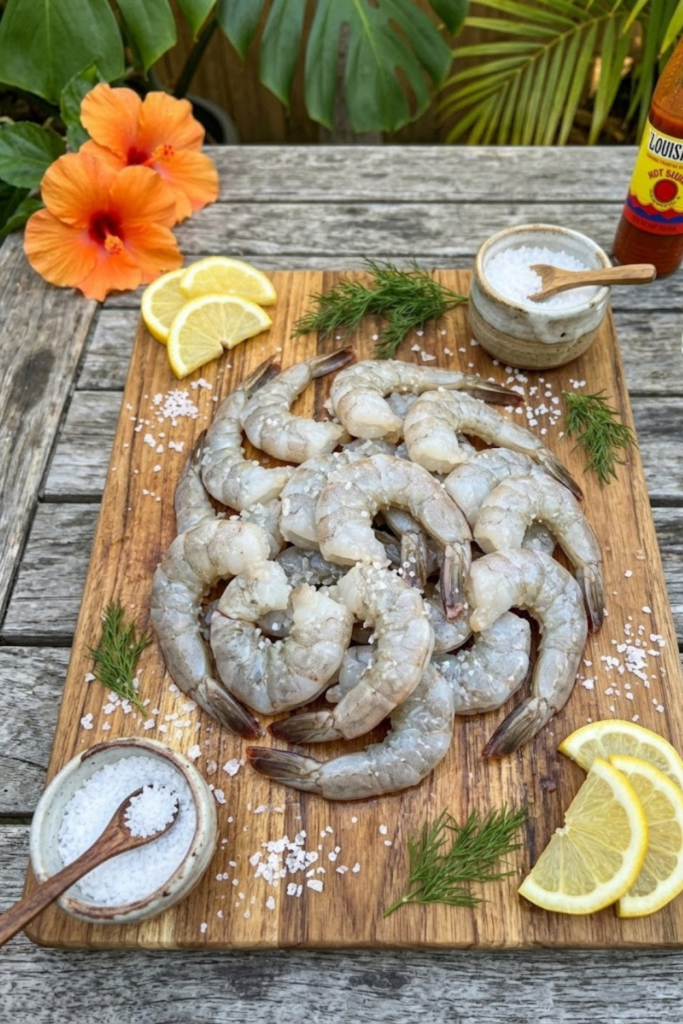
You can’t just grab any random bag of frozen seafood if you want to make a real-deal Shrimp Po’ Boy Sandwich. I learned this the hard way years ago during a summer trip. I bought those tiny, pre-cooked popcorn shrimp thinking I could save time. Honestly? It was a total disaster. The sandwich was all bread and no heart. If you want that classic New Orleans crunch, you have to be very picky about the shrimp you bring home. The shrimp is the soul of this meal, so picking the right kind is the most important step you will take.
Size Matters for the Perfect Bite
In the seafood shop, you will see numbers like 21/25 or 31/40 on the bags. This is the “count,” which tells you how many shrimp make up one pound. For a top-tier sandwich, I always look for the 21/25 size. These are large enough to stay juicy and plump after they hit the hot oil. If you go too small, the shrimp cook too fast and turn into rubbery little knots. If they are too big, they are hard to bite through while you are eating the sandwich. You want about five or six good-sized shrimp to fit comfortably on your bread so every single bite has a bit of seafood in it.
The Best Varieties for Flavor
If your store has them, always reach for wild-caught Gulf shrimp. Whether they are “pinks” or “browns,” these have a sweet, briny taste that farm-raised versions just can’t match. Farmed shrimp often taste a bit bland or even like dirt, which will ruin the seasoning you worked hard on. I check the labels to see where they came from. Staying with wild-caught seafood makes a massive difference in the final taste. It gives you that “ocean-fresh” snap that makes people travel miles to find a good po’ boy shop.
Handling Your Shrimp Properly
Most of the “fresh” shrimp you see at the counter was actually frozen on the boat and thawed out later. Because of this, I prefer buying them “IQF” (Individually Quick Frozen) with the shells still on. This keeps them at peak quality until you are ready. To thaw them, put them in a big bowl of cold water for about 20 minutes. Do not use hot water! That starts cooking the edges and ruins the texture. Once they are thawed, peel them and make sure you remove the vein. Most importantly, pat them bone-dry with a paper towel. If they stay wet, your breading will just slide right off in the fryer, and nobody wants a naked shrimp.
The Secret to the Perfect Ultra-Crispy Cornmeal Breading
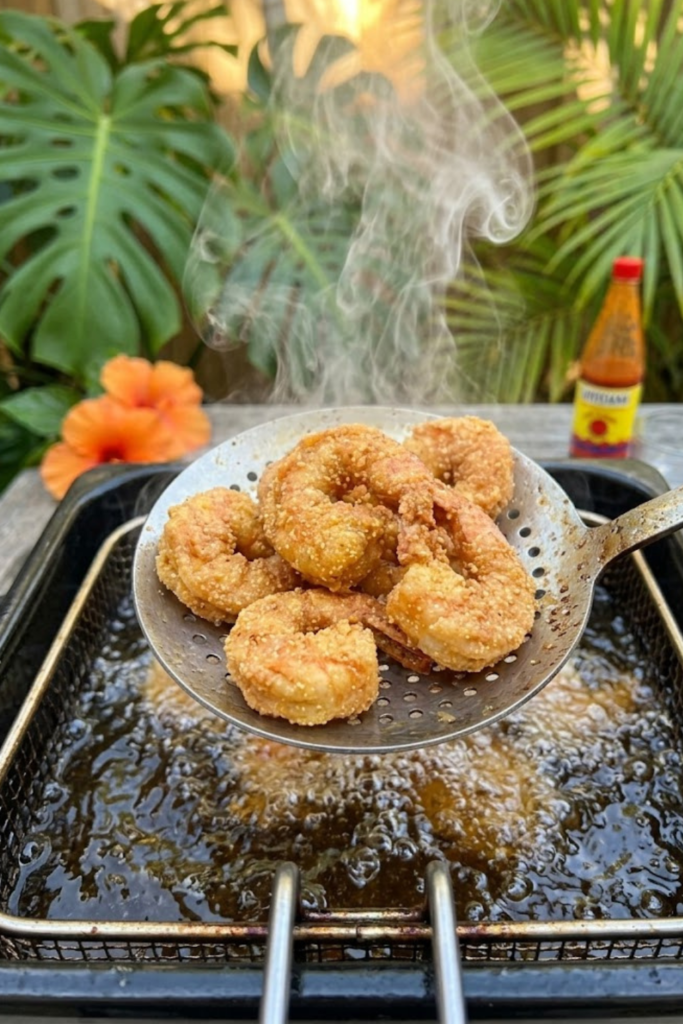
Let’s get into the secret to the perfect ultra-crispy cornmeal breading. If you’ve ever had a sandwich where the coating just slides off like a wet blanket, you know how disappointing that is. I’ve spent a lot of time over a hot stove trying to get this right. The goal is a crust that shatters when you bite it but stays firmly attached to the shrimp. When you take that first bite of your Shrimp Po’ Boy Sandwich, you should hear a distinct crunch before you hit the juicy seafood inside.
The Golden Ratio of Cornmeal and Flour
A lot of folks make the mistake of using just white flour. That might work for fried chicken, but for a real po’ boy, you need the grit of cornmeal. I use a mix that is mostly fine-ground yellow cornmeal with just a bit of all-purpose flour to help it bind. The cornmeal is what gives you that signature New Orleans crunch that stands up to the wet toppings like tomatoes and pickles. If you use too much flour, the breading gets soft and doughy once it hits the steam of the sandwich. You want that sandy texture that turns deep gold in the fryer. It looks better and it definitely tastes better.
Spicing Up the Dry Mix
You can’t just rely on the shrimp to bring the flavor. The breading needs to be seasoned heavily. I don’t just sprinkle in some salt; I go heavy with a good Creole seasoning blend. I also add extra onion powder, smoked paprika, and a pinch of cayenne. If the flour mix doesn’t look orange or red from the spices, you haven’t added enough. This is where the flavor lives. I’ve found that being stingy with the spices leads to a boring sandwich, and nobody has time for boring food.
The Buttermilk and Hot Sauce Soak
This is my favorite part of the process. Instead of just using plain eggs, I soak my shrimp in a mixture of buttermilk and plenty of hot sauce. The buttermilk is thick enough to hold the cornmeal onto the shrimp, and the hot sauce adds a nice little kick without being too spicy for the kids. I let the shrimp sit in this liquid for about ten minutes. When you move them to the dry mix, use the “one-hand method” so you don’t get your fingers all clumped up with batter. Let the coated shrimp rest on a plate for a few minutes before you fry them. This little wait helps the breading “set” so it won’t fall off in the oil.
Essential Toppings: Creating a “Dressed” Sandwich
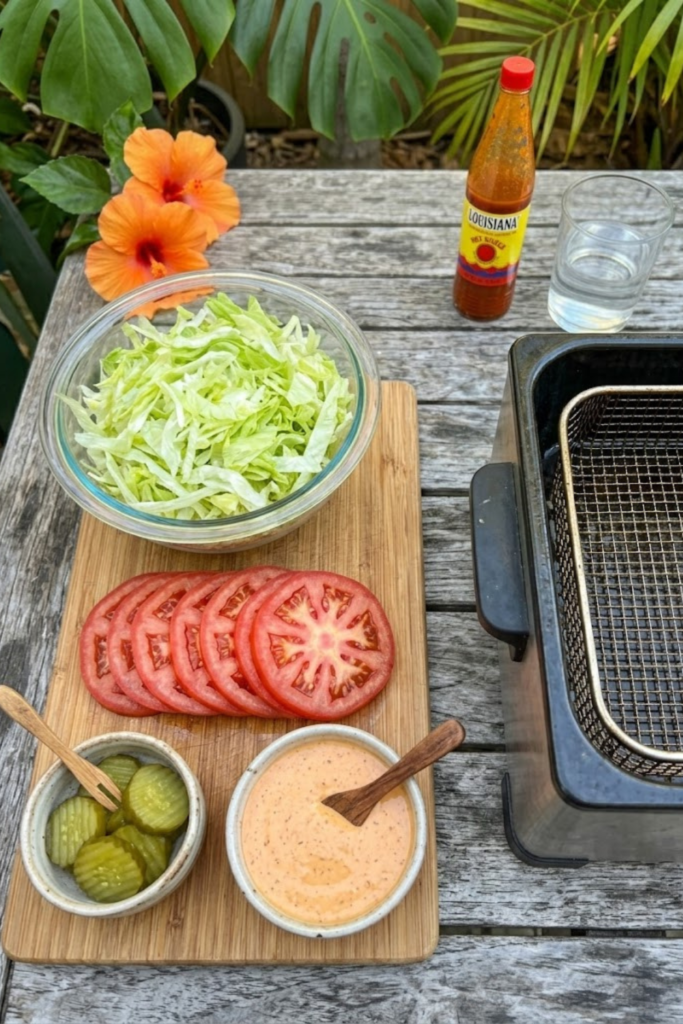
If you walk into a shop in New Orleans and order a Shrimp Po’ Boy Sandwich, the first thing they are going to ask is, “You want that dressed?” When I first heard this, I was a bit confused. I thought maybe they wanted me to put on a tie! It actually just means you want all the standard toppings. You can’t just have fried shrimp on bread and call it a day. The toppings are what balance out the salty, fried flavor of the seafood. They add coolness and a bit of crunch that keeps the whole thing from feeling too heavy.
The Standard Veggies: Keeping it Classic
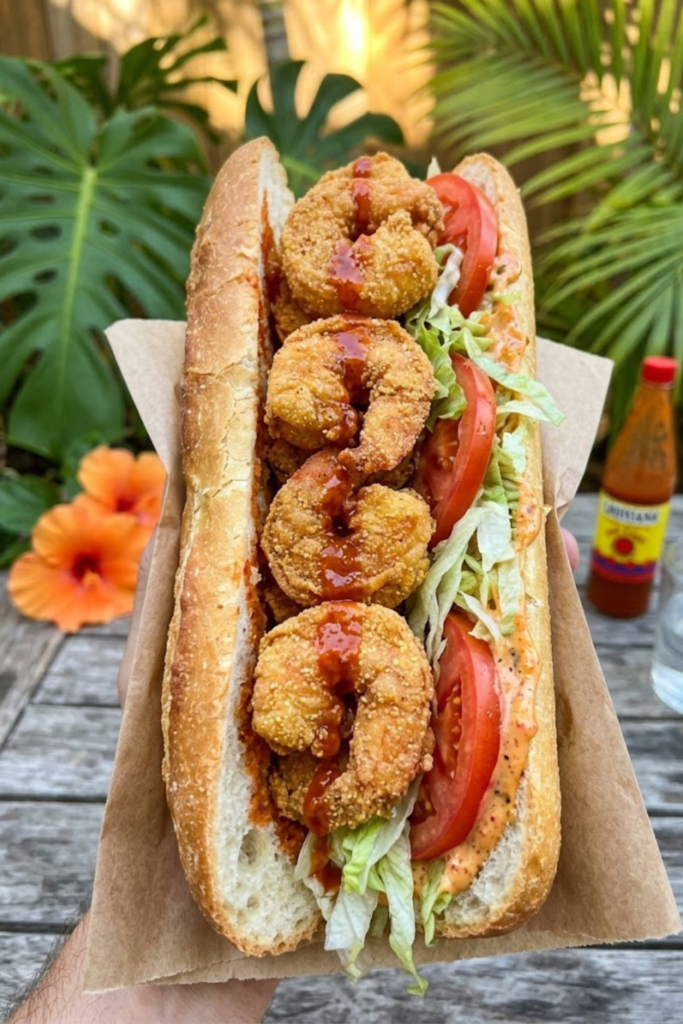
To get your sandwich “dressed” the right way, you need three main things: shredded lettuce, sliced tomatoes, and pickles. I always tell my students that the type of lettuce actually matters. Don’t use fancy mixed greens or spinach here. You want plain old iceberg lettuce shredded into thin ribbons. It stays crunchy and catches all the drips of sauce. For the tomatoes, make sure they are ripe and sliced thin. I like to add a little pinch of salt and pepper directly onto the tomato slices before I put them on the bread. Then, add three or four dill pickle chips. That sour vinegary bite is exactly what you need to cut through the richness of the fried shrimp.
The Magic of Homemade Remoulade
While some people just use plain mayo, a real Shrimp Po’ Boy Sandwich deserves a good remoulade. I make mine by mixing mayonnaise with a big spoonful of Creole mustard, a dash of hot sauce, and a little bit of horseradish. It should be a pale orange color and have a bit of a zing to it. I usually spread a thick layer on both the top and bottom pieces of the bread. This acts like a glue to keep the lettuce from falling out. If you don’t like spice, you can leave the horseradish out, but I think it adds a nice “zip” that makes people ask for your secret recipe.
The Bread: The Foundation of Everything
You can have the best shrimp and the best sauce, but if your bread is bad, your sandwich is a flop. You want a French-style loaf that has a very thin, crispy crust but is soft and airy on the inside. If the bread is too hard or chewy, you will end up squishing all the shrimp out the back of the sandwich when you take a bite. I like to toast my bread in the oven for just two minutes before assembling. This makes it strong enough to hold the heavy shrimp and the juicy tomatoes without getting soggy. It’s a simple step, but it makes the sandwich feel like it came from a professional kitchen.
Common Mistakes to Avoid When Frying Your Shrimp
Let’s talk about the actual frying part. This is where most people get a little nervous. I used to be terrified of hot oil! I thought I’d either burn the kitchen down or end up with a greasy, soggy mess that nobody wanted to eat. But honestly, frying shrimp for a Shrimp Po’ Boy Sandwich is very fast once you get the hang of it. You just have to watch out for a few silly mistakes that can ruin all your hard work. If you pay attention to these three things, your shrimp will come out light, golden, and crunchy every single time.
Don’t Guess the Oil Temperature
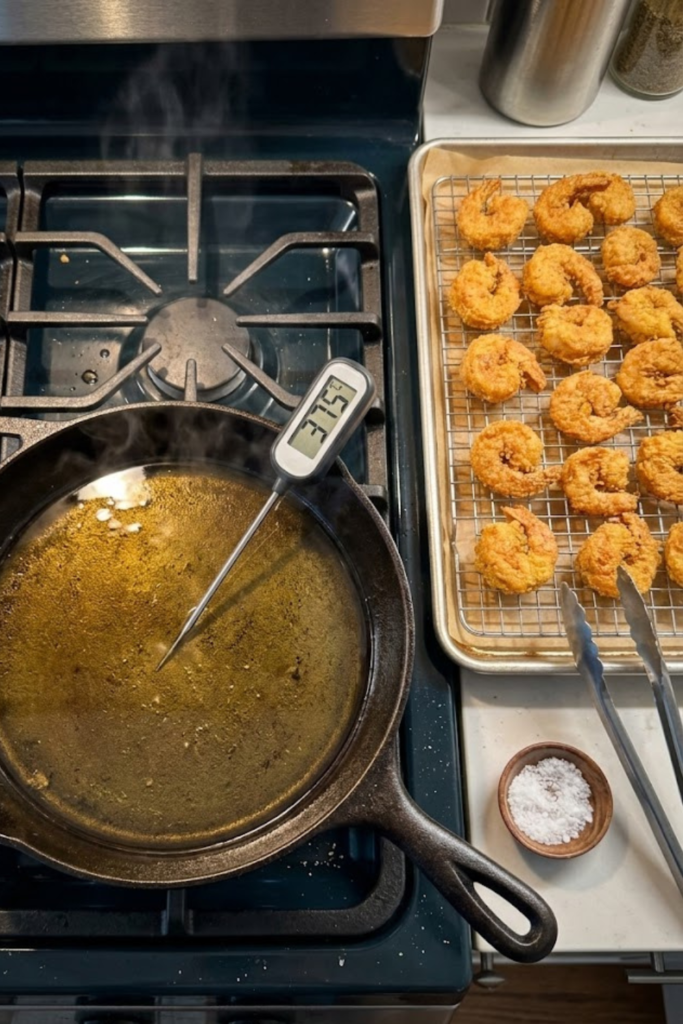
The biggest mistake I see beginners make is not using a thermometer. They just turn the stove on and hope for the best. If your oil isn’t hot enough, the shrimp will just sit there and soak up grease like a sponge. They’ll come out heavy and oily. If the oil is too hot, the outside will burn before the inside even gets warm. I always make sure my oil stays right around 375°F. Using a simple clip-on thermometer is the best way to make sure you get that perfect snap. It’s a small tool that makes a huge difference in how the food turns out.
Stop Putting Too Many Shrimp in at Once
I know you’re hungry and you want to finish cooking fast, but don’t crowd the pan! When you drop cold shrimp into hot oil, the temperature of the oil drops instantly. If you put too many in at once, the oil temp falls too low and you lose that crispiness. I like to fry my shrimp in small batches. It might take five extra minutes, but the results are worth it. Give the shrimp plenty of room to swim around so the heat can hit every side of the breading. This keeps the crust from getting “mushy” or sticking together in big clumps.
Skip the Paper Towels for Draining
This is a tip I learned from an old chef friend. Most people take the shrimp out of the oil and put them straight onto a plate with paper towels. That seems like a good idea to soak up grease, but it actually traps steam under the shrimp. That steam makes the bottom of your breading soft and soggy within seconds. Instead, use a wire cooling rack set over a baking sheet. This lets air circulate all the way around the shrimp so they stay crunchy while they cool down. It’s the easiest way to keep that “shatter-crisp” texture until you’re ready to build your sandwich.
Bringing the Taste of New Orleans Home
Well, there you have it! We have gone through every single step to build the perfect Shrimp Po’ Boy Sandwich. I know it might seem like a lot of steps at first, but once you get that oil heated up and smell the spices hitting the pan, it all clicks into place. I remember the first time I served these to my neighbors during a backyard get-together. They couldn’t believe the shrimp stayed so crunchy even after sitting on the table for a few minutes. That is the power of using the right cornmeal mix and that wire cooling rack I told you about.
When you sit down to eat this, take a second to look at what you made. You have the golden, crispy shrimp, the cool shredded lettuce, and that zesty remoulade sauce all tucked into a soft loaf of bread. It is a beautiful sight. Making this sandwich is about more than just filling your belly; it is about bringing a bit of Southern history and soul into your own kitchen. I’ve spent years teaching folks how to cook, and I truly believe that anyone can master this recipe if they just follow the basics. Don’t be afraid to get your hands a little messy with the flour and buttermilk. That is where the fun is!
As you get better at this, feel free to play around with the spices in your breading or add a little extra horseradish to your sauce if you like a bigger kick. Cooking should be an adventure, not a chore. I always tell my students that a recipe is just a map, but you are the one driving the car. The most important thing is that you enjoy the process and the food. If you have any leftovers—though I doubt you will—the shrimp stay pretty good if you toast them back up in the oven for a few minutes the next day.
I really hope this guide helps you feel confident the next time you crave some Gulf Coast flavor. There is nothing quite like the pride of putting a massive, “dressed” po’ boy on the table and watching your friends and family dig in. If you loved this recipe and want to help others find it, please share it on Pinterest so they can enjoy the crunch too! It helps me out a ton and lets me keep sharing these lessons with you. Happy frying!