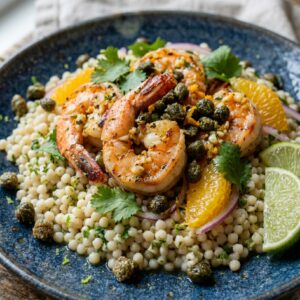
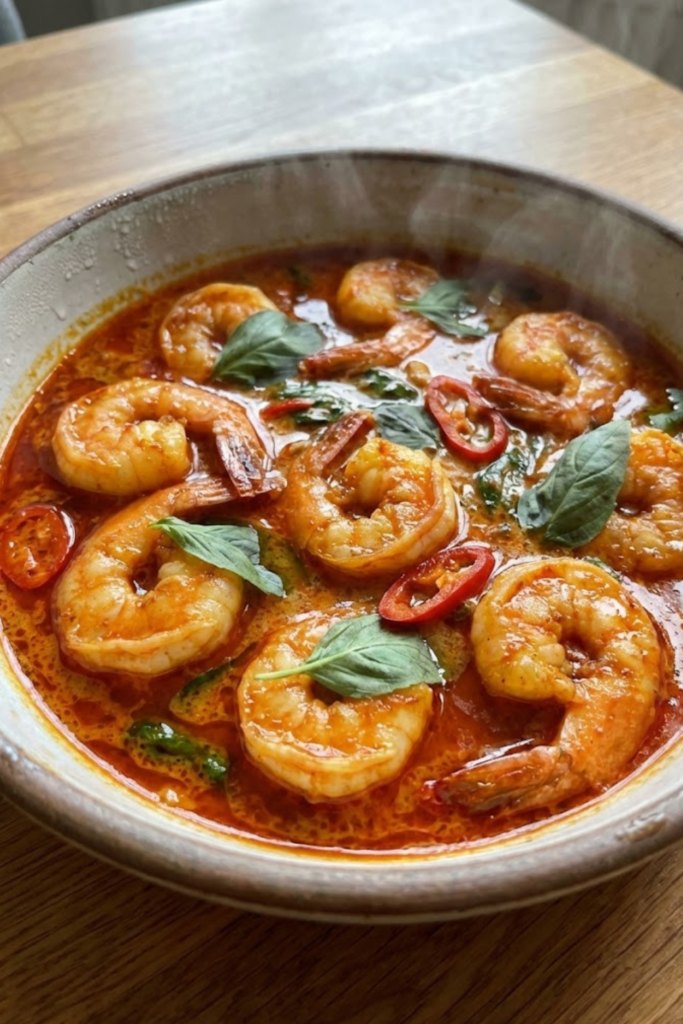
Did you know that over 75% of home cooks feel intimidated by Thai cuisine because of the complex flavor balance? I used to be one of them! For years, my curries tasted like spicy coconut water—totally bland and disappointing. But listen, once I figured out the “bloom” technique for the paste, everything changed. Today, we are diving into a vibrant, succulent shrimp Thai red curry that hits every single taste bud. It’s fast. It’s spicy. It’s exactly what your Tuesday night needs!
Choosing the Best Shrimp and Prep Tips
I remember the first time I tried to make this for a neighborhood potluck. I bought the cheapest bag of tiny, pre-cooked shrimp I could find. It was a total disaster! They turned into little rubber erasers by the time the sauce was hot. Everyone was polite, but I saw people moving the shrimp to the side of their plates. Since then, I’ve spent a lot of time learning what actually works. If you want your curry to be a hit, you have to start with the right seafood. Let’s look at how to pick the best ones so your dinner tastes like it came from a high-end kitchen.
Frozen vs. Fresh: The Big Secret
Most people think the “fresh” shrimp at the seafood counter is better, but here is a secret: most of it was frozen and then thawed out just to put on display. You don’t know how long it has been sitting there. I usually tell my students to just buy the frozen bags. Look for a label that says “IQF,” which stands for “Individually Quick Frozen.” This means the shrimp aren’t stuck together in one giant ice block. You can take out exactly what you need. It also keeps the flavor locked in much better than the “fresh” ones that might have been sitting under glass all day.
Why Size Really Matters
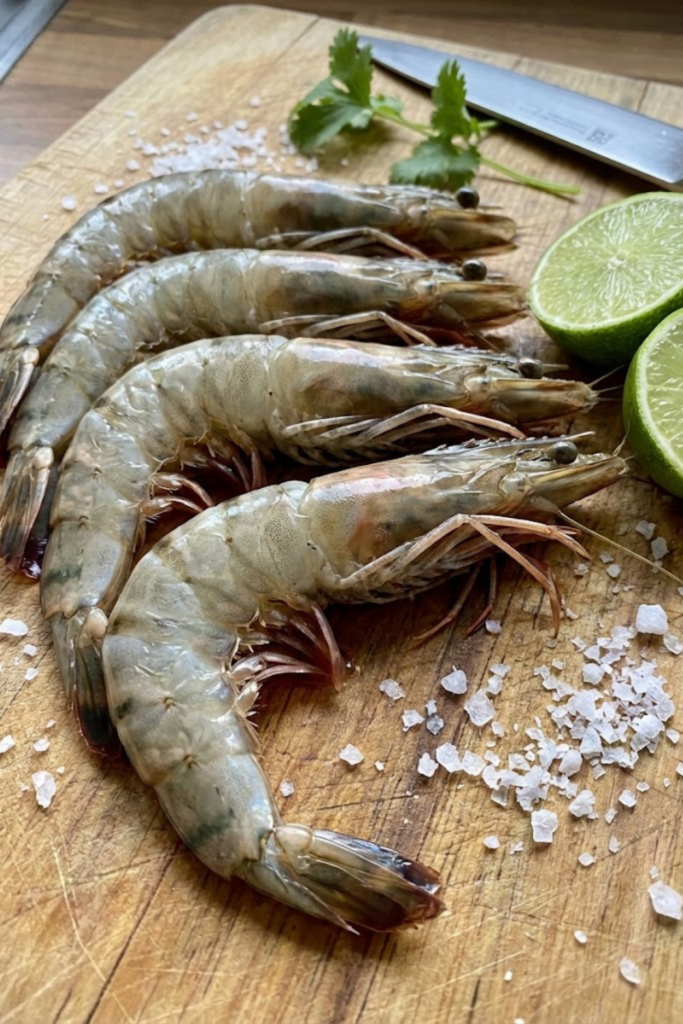
When you look at the bag, you’ll see numbers like 16/20 or 21/25. This tells you how many shrimp are in one pound. For a red curry, I always go for the 16/20 size. These are big and juicy. If you get the tiny ones, they cook way too fast and get tough. The bigger ones can handle the heat of the boiling coconut milk without shrinking into nothing. Trust me, spending the extra two dollars on the larger size makes a huge difference in the final meal.
Easy Cleaning and Handling
If you buy them with the shells on, they usually have more flavor, but they take more work. I like to peel them but leave the very tip of the tail on. It makes the dish look much nicer when you serve it. To devein them, just take a small knife and make a shallow cut down the back. Pull out that dark line—nobody wants to eat that! Also, keep your shrimp in a bowl of ice while you chop your veggies. Shrimp get soft and smelly if they sit on the counter too long, so keep them cold until the very last second.
The Secret to a Balanced Red Curry Sauce
Making the sauce is where most people get a little nervous. I used to think it was just about opening a jar of paste and a can of milk, then calling it a day. Boy, was I wrong! My first few tries were pretty bland and disappointing. They tasted more like spicy water rather than a rich, velvety curry. The sauce is truly the soul of this dish because it carries all the heat, the sweetness, and the salt. If you get this part right, your family will think you’ve been taking secret cooking classes behind their backs!
Blooming the Paste
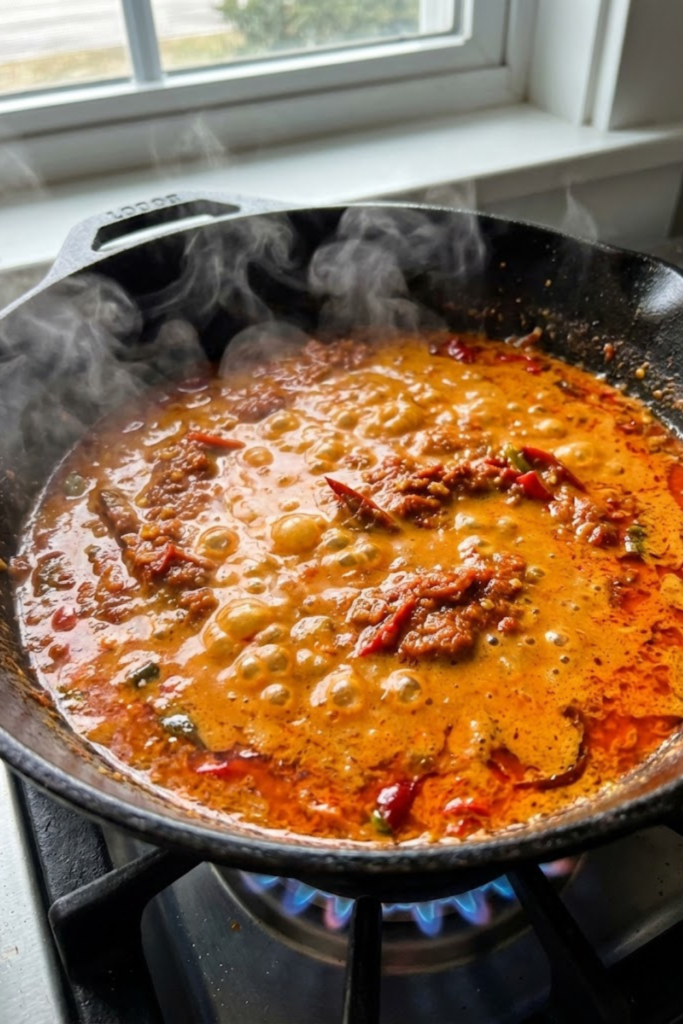
You can’t just boil the curry paste in the liquid and expect it to taste great. You have to “bloom” it first. This is just a fancy way of saying you need to fry it. I usually take the thick, heavy cream from the top of the coconut milk can and put it in my pan first. When it starts to sizzle and you see little beads of oil separating, that is when you drop the red curry paste in. Stir it around for a few minutes until it gets very fragrant. Your kitchen will smell like a dream! This step gets rid of that raw, bitter taste and makes the spices taste much deeper. I once skipped this because I was in a rush for a school lunch I was prepping, and the curry just didn’t have that “pop” I wanted.
The Holy Trinity of Flavor
Balancing the flavors in Thai food is a bit like grading a paper—everything has to be just right to get an A. You need to hit three big notes: salty, sweet, and sour. I use fish sauce for the salt. It smells a bit weird when you first open the bottle, but don’t let that scare you off! It adds a deep flavor you can’t get from plain salt. Then, I add a little bit of palm sugar or even just regular brown sugar. This helps calm down the intense spice from the red chilies. Finally, I squeeze in some fresh lime juice at the very end. If you add the lime too early, the heat can make it taste a little bitter, so wait until you turn off the stove to add that brightness.
Coconut Milk Choices
Whatever you do, don’t buy the “lite” coconut milk. It’s basically just watered-down milk and won’t give you that creamy texture we want for a restaurant-style meal. I always look for brands like Aroy-D or Chaokoh. They usually have more fat, which is actually a good thing here because it helps carry the spice and coats the shrimp perfectly. I’ve tried the cheaper store brands before, and they often have too many thickeners that make the sauce feel chalky in your mouth. Stick to the high-quality cans for the best results!
Vegetable Pairings That Pop
I used to think that the vegetables in a curry were just there to take up space and make the meal cheaper. Boy, was I wrong! If you pick the right ones, they add a crunch that makes every bite interesting. Without them, you’re just eating soft shrimp and sauce, which gets old pretty fast. I remember one time I tried to use frozen broccoli that had been in my freezer for months. It turned the whole sauce a weird muddy green and made the curry taste like wet cardboard. My husband was nice enough to eat it, but I could tell he wasn’t happy. Now, I’m much more careful about what I toss into the pot to make sure it looks as good as it tastes.
Adding Snap and Crunch
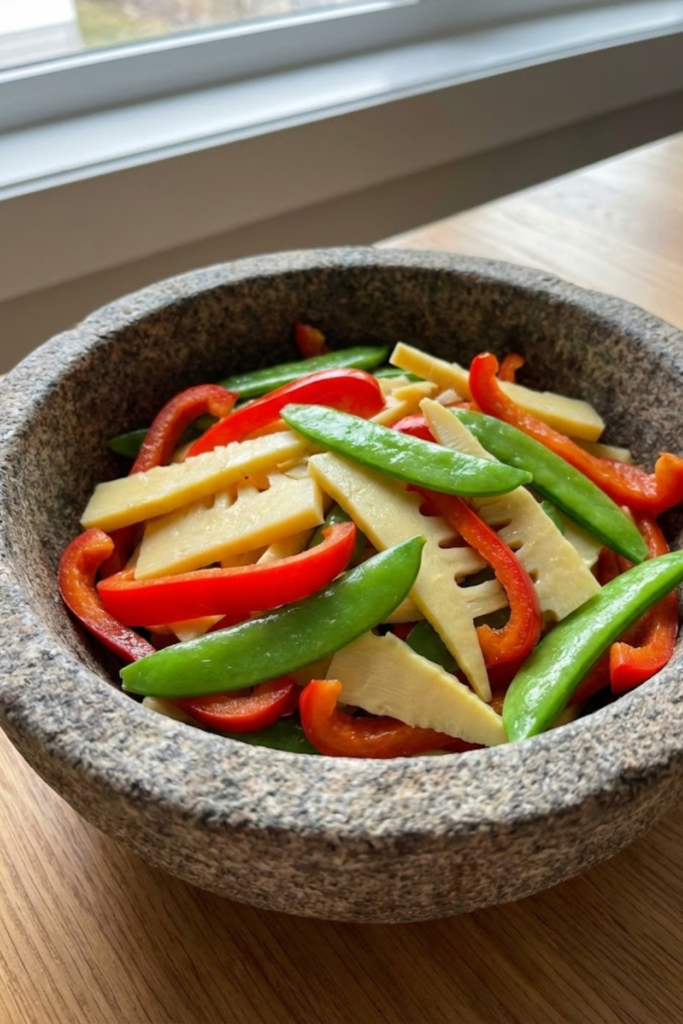
When you’re picking your veggies, you want things that can stand up to the heat without falling apart. Bamboo shoots are a classic choice for this recipe. If you buy them in a can, make sure you rinse them really well under cold water first. They have a bit of a funky smell right out of the tin that goes away once they’re rinsed. I also love using red bell peppers because they add a nice sweetness that balances out the spicy red paste. Snap peas are another favorite of mine. They stay nice and crisp even after sitting in the hot sauce for a few minutes. Just make sure to pull off the little stringy part on the side of the peas before you cook them, or else you’ll be picking stuff out of your teeth all night!
Keeping Your Colors Bright
One big mistake I see my students make is overcooking the vegetables until they look gray and sad. You want the colors to pop! I usually wait until the very end to add my veggies. I let the sauce simmer first, then I drop them in for maybe three or four minutes at the most. This way, the red peppers stay bright red and the peas stay a beautiful emerald green. It makes the dish look like something you’d get at a fancy restaurant. If you cook them too long, they lose all their vitamins and just become mushy. Nobody likes mushy vegetables in their curry!
The Power of Fresh Herbs
The very last thing you do is add the fresh herbs. This is what gives the curry that amazing smell that hits you as soon as you sit down. Thai basil is the ingredient that really makes this dish. It’s not the same as the basil you use for spaghetti sauce; it has a bit of a spicy, licorice flavor. If you can’t find it, you can use regular basil, but it won’t be quite the same. I also love kaffir lime leaves. I just tear them in half and throw them in. They add a citrus scent that is just incredible. Just remember to tell your guests not to eat the leaves—they’re just there for the flavor! This final step makes the dish feel like a professional chef made it.
Serving Suggestions and Storage
You’ve done all the hard work in the kitchen, and now it is time to actually eat! I remember when I first started cooking Thai food at home, I’d just plop the curry in a bowl and call it a day. It tasted okay, but it didn’t feel special. Over time, I realized that the way you present the dish and what you serve it with can really change the whole experience. It’s the difference between a quick snack and a real meal that your family will keep asking for. Plus, it makes the leftovers much more exciting when you have a plan for them.
The Best Rice for the Job
Most people just grab whatever rice is in the pantry. I used to do that too. One time, I tried using that “minute rice” because I was running late for a school meeting, and it was a total disaster. The rice just soaked up all the sauce and turned into a big pile of mush. If you want it to be right, you really need to use jasmine rice. It has this slightly sweet smell that goes perfectly with the spicy red curry. The long grains stay separate, so they hold onto the sauce without getting soggy. If you are trying to be healthy, you can use cauliflower rice, but just be careful not to overcook it. If it gets too watery, it ruins your beautiful sauce, and nobody wants a soup that tastes like cabbage.
Making it Look Like a Pro
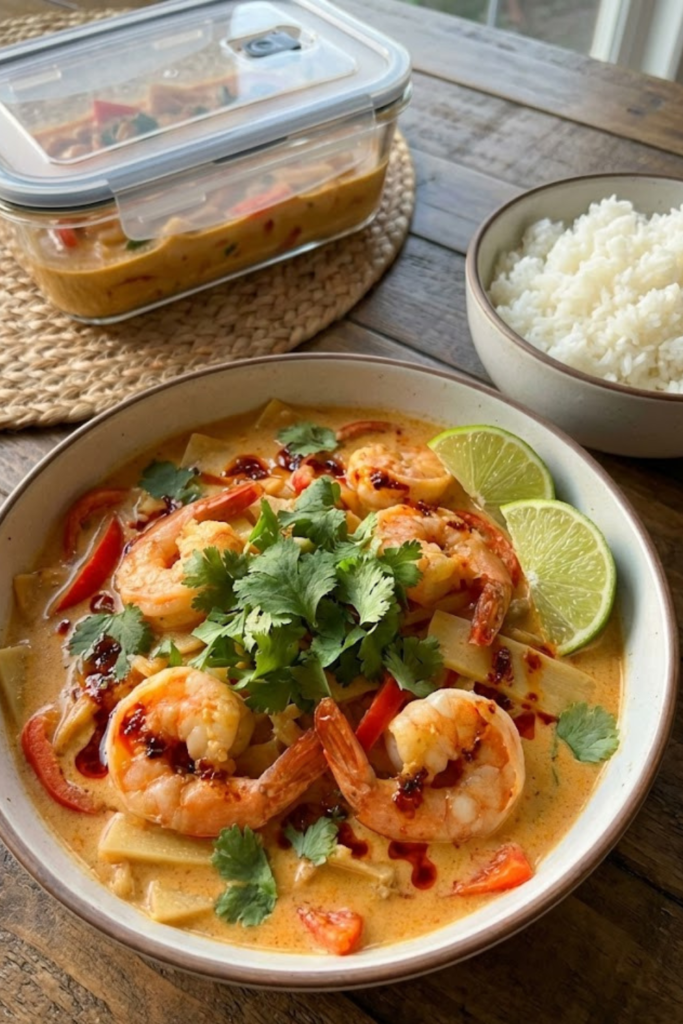
We eat with our eyes first, or at least that’s what I tell my students. Before you bring the bowls to the table, add a few fresh garnishes. A handful of fresh cilantro and a couple of extra lime wedges on the side make a huge difference. If you like things really spicy, you can drizzle a little bit of chili oil over the top. I once forgot the lime wedges when I served this to my in-laws, and the dish just felt a bit “heavy.” That little bit of extra acid from the lime really cuts through the rich coconut milk and makes everything taste much fresher. It’s a simple trick that makes you look like a chef.
Saving Leftovers for Later
If you have any left over, you are in luck! This is one of those dishes that actually tastes better the next day. The flavors have more time to hang out together in the fridge. I usually put mine in a glass container and it stays good for about two or three days. When you go to reheat it, don’t just blast it in the microwave for five minutes. That will turn your juicy shrimp into tiny rubber balls. Instead, heat it up slowly on the stove or use a lower power setting on the microwave. You just want it warm enough to eat, not boiling hot again. This helps the shrimp stay tender while the sauce gets nice and creamy again.
Cooking at home shouldn’t be scary, and this shrimp Thai red curry proves that you can have a 5-star meal without the 5-star price tag or wait time! Just remember to balance those flavors and don’t be afraid of a little heat. If you loved this recipe, please save it to your favorite Pinterest board so others can enjoy a taste of the tropics too!