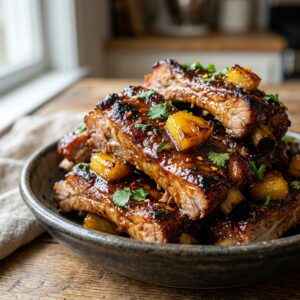
I’ll let you in on a secret: meatloaf used to be my kitchen nemesis. For years, I served up “bricks” that were either bone-dry or fell apart the second a knife touched them! But everything changed when I stopped treating it like a chore and started treating it like a craft. According to recent culinary trends, comfort food like meatloaf is seeing a massive 40% resurgence in home kitchens this year. We’re talking about a meatloaf with balsamic glaze that is so juicy and packed with flavor, you’ll actually look forward to the leftovers. I’ve spent way too many Tuesday nights tweaking this recipe to get that perfect balance of savory ground beef and a sticky, zesty glaze. Let’s get cooking!
Selecting the Right Meat Mix for Moisture
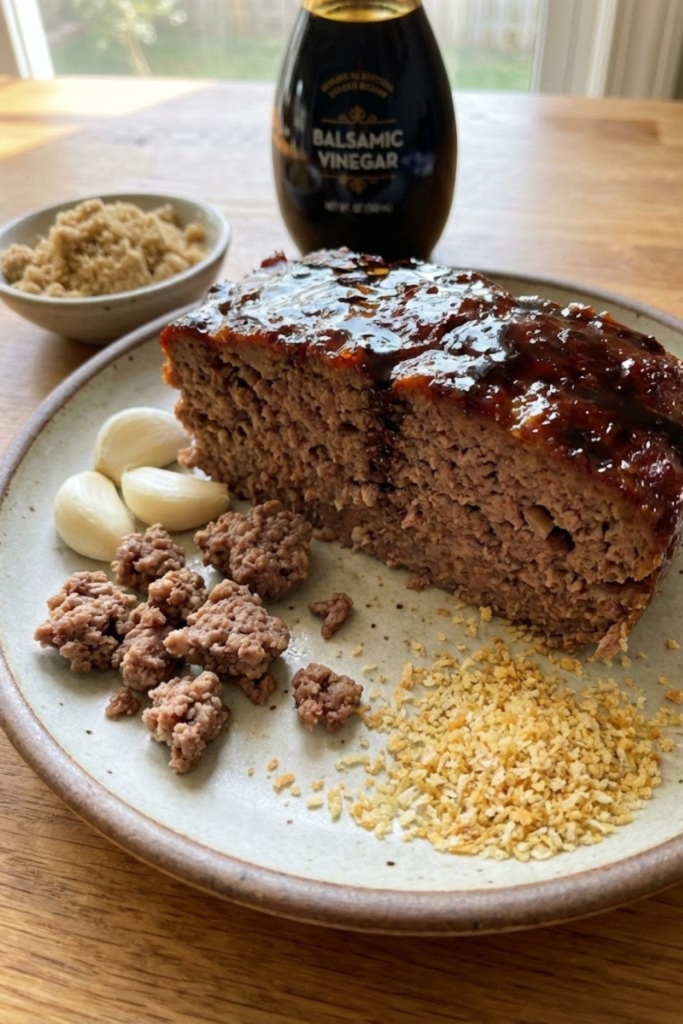
I’ve made my fair share of dinner disasters over the years, believe me. There was this one Tuesday night where I tried to use the super lean beef—the 96% lean stuff—and the meatloaf ended up tasting like a dry piece of cardboard. My kids wouldn’t even look at it! That’s when I finally figured out that if you want a juicy meatloaf with balsamic glaze, you have to start with the right stuff in the package. Most folks think any ground meat will do, but that’s just not the case if you want it to stay moist.
Why 80/20 Ground Beef is Your Best Friend
I always tell people in my cooking circles to look for the “80/20” label on the ground chuck. This just means it is 80% lean meat and 20% fat. Now, I know we all try to be healthy these days, but in the kitchen, fat equals flavor and moisture. When that meat cooks in the oven, the fat melts and stays inside the loaf. This is what keeps it from getting all crumbly and sad. If you go too lean, the meat fibers just tighten up and get really tough. It is kind of like trying to chew on a sneaker. Stick to the 80/20 mix and you will see a huge difference in the texture right away.
My Little Secret: The Ground Pork Add-in
Another thing I learned from an old neighbor is that a mix of meats is usually better than just plain beef. I usually do a mix of about two parts beef to one part ground pork. Pork has a different kind of fat and a softer texture that really helps the loaf stay tender. Some people use ground veal too, but honestly, just regular ground pork does the job for me and it is a lot cheaper. It adds a richness that beef alone just can’t give you. It makes every bite feel a bit more special without being too heavy.
Keep It Cool But Not Freezing
One mistake I see a lot of people make is trying to mix the meat when it is still partially frozen or ice-cold from the fridge. I get it, you are in a rush to get dinner ready. But if the meat is too cold, the fat stays solid and won’t mix in right with your breadcrumbs and eggs. I like to let the meat sit out for maybe 15 minutes before I start. Don’t let it sit out for hours, of course, but getting the chill off makes it much easier to work with. Plus, your hands won’t go numb while you are squishing everything together in the bowl!
Creating the Ultimate Balsamic Glaze
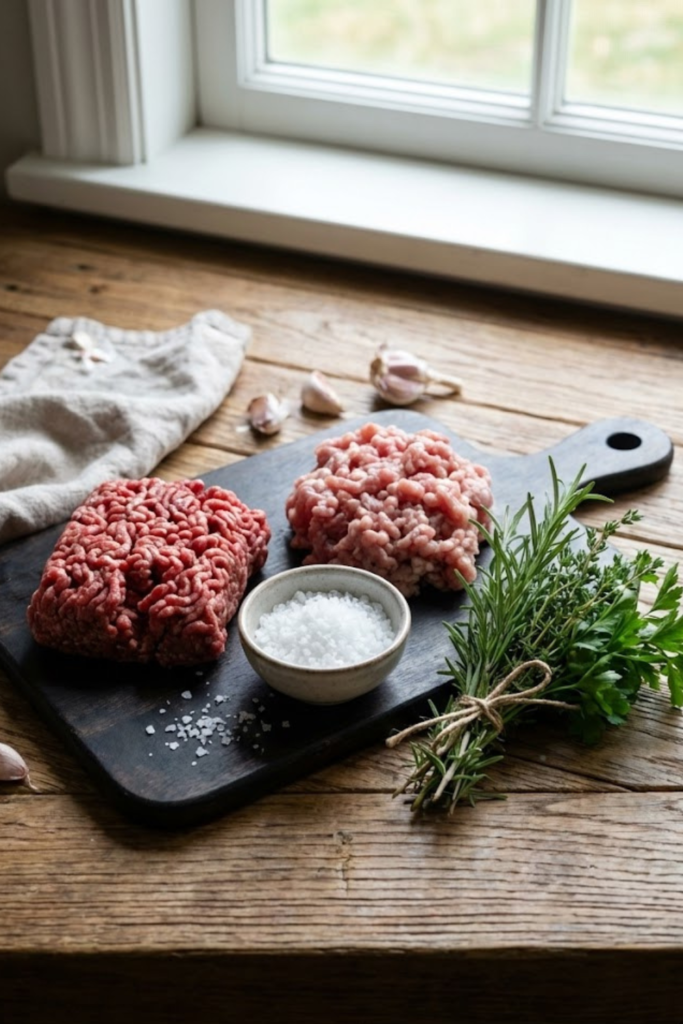
I remember when I first started making meatloaf, I just used a big bottle of ketchup. It was fine for a quick meal, but once I tried this balsamic version, I never went back. The glaze is really what makes this meatloaf with balsamic glaze stand out from the rest of the recipes in my old notebook. It’s got that sweet and tangy thing going on that just makes your mouth water. My husband always asks for a little extra sauce on the side because he likes the flavor so much.
Mixing the Perfect Base
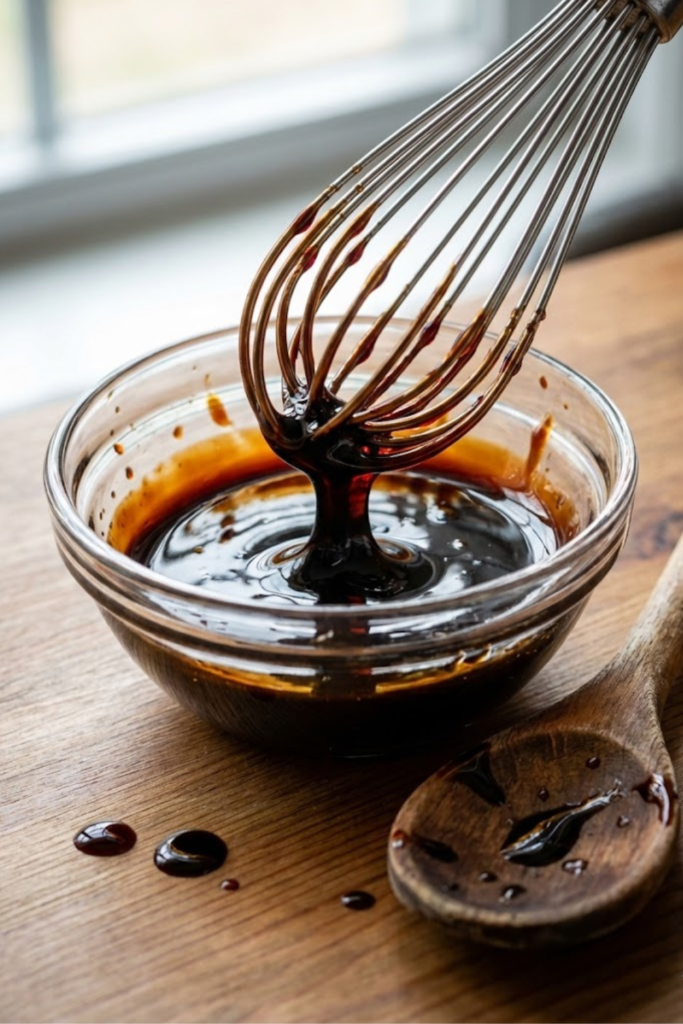
You want to get a decent balsamic vinegar for this. It doesn’t have to be the most expensive bottle on the shelf, but don’t get the watery stuff that’s as thin as juice either. Mix it with some brown sugar in a small bowl. The sugar is what makes it get all sticky and caramelized in the oven. I usually whisk them together until the sugar mostly disappears into the liquid. It looks dark and thin at first, but don’t worry—it thickens up beautifully as it cooks and creates a nice coat over the meat. If you find it’s too thin, you can add an extra spoonful of sugar to help it along.
Adding a Little Extra Flavor
Now, here is my favorite part. I always add a teaspoon of Dijon mustard and maybe a tiny bit of garlic powder to the glaze mix. The mustard gives it a little “zing” that cuts through the sweetness of the sugar. Without it, the glaze can be a bit too sugary for some people. It balances everything out and makes it taste more like something you’d get at a fancy restaurant. I’ve tried using yellow mustard too, but Dijon has a better depth. Just a little bit goes a long way to making the taste pop.
Getting the Timing Right
This is the part where most people mess up. If you put all the glaze on at the start, the sugar will burn before the meat is cooked through. You’ll end up with a black, bitter mess on top. I like to brush on about half of the glaze when the meatloaf has about 20 minutes left to bake. Then, I put the rest on for the last 5 to 10 minutes. This builds up layers of flavor and gives you that glossy look. It makes the top look like a piece of art, and it tastes even better. Plus, it smells amazing while it’s bubbling away in the oven!
The Binder: Beyond Just Breadcrumbs
I used to think breadcrumbs were just a filler to make the meat go further. My grandma used them to stretch a meal for six people, so I always thought they were just “cheap glue.” But I was totally wrong about that! The binder is actually what keeps the moisture locked inside your meatloaf with balsamic glaze. If you just dump dry crumbs into a bowl of ground beef, they act like little thirsty sponges. They suck all the juice out of the meat while it cooks. Then you end up with a dry loaf that tastes like a desert. I had to learn the hard way that the binder needs a little bit of prep work to do its job right.
Panko vs. Traditional Breadcrumbs
I’ve tried every kind of crumb you can find at the store. For years, I used those fine, sandy crumbs that come in the cardboard canister. They work fine for breading chicken, but for meatloaf, they can make the texture a bit too dense. I started using Panko breadcrumbs a few years ago and I haven’t looked back. These are flakier and bigger than regular crumbs. Because they have more air in them, they don’t turn into a heavy paste when you mix them in. This keeps the meatloaf light and tender. It’s one of those small changes that makes a big difference in how the food feels in your mouth. It keeps things from getting too “bready” or thick.
The Magic of the Panade
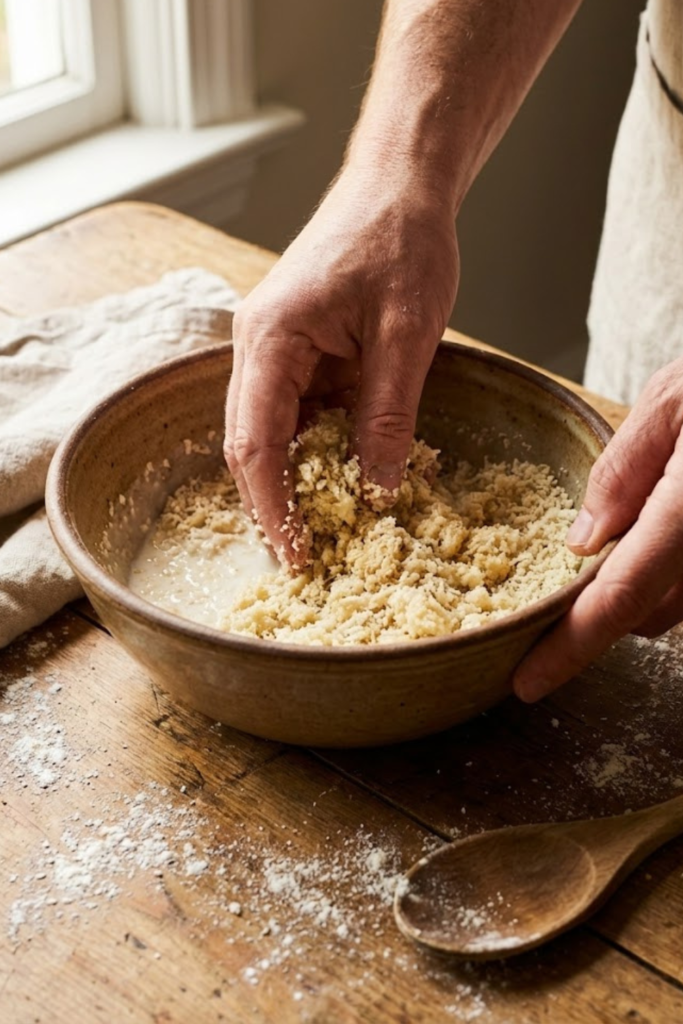
Here is a trick I share with all my friends who cook. Before you even put the meat in the bowl, you should make a “panade.” It’s a fancy word for a simple step: soaking your crumbs in milk. I take my Panko and pour just enough milk over it to make it wet. I let it sit for about five minutes until it turns into a thick mush. When you mix this wet bread into the meat, it creates a moisture barrier. It helps the beef stay juicy even if you accidentally cook it a few minutes too long. It’s a great way to make sure your dinner stays soft and delicious every single time you make it.
Herbs and Aromatics
The binder is also the perfect place to pack in some extra flavor. I always chop up a big pile of fresh parsley and mix it right in with the soggy breadcrumbs. If I’m in a hurry, I’ll use dried Italian seasoning, but fresh herbs really make the flavor pop. I also throw in some onion powder and a little salt here. It is much easier to get the seasoning spread out evenly if you mix it with the breadcrumbs first. If you just sprinkle salt on the meat, you might end up with one salty bite and one bland bite. Mixing it this way helps every slice taste just as good as the last one. I’ve found that adding the seasoning to the binder is the best way to get that perfect balance in every mouthful.
Baking Tips for a Perfect Crust
For a long time, I thought the only way to bake a meatloaf was to mash it into one of those metal bread pans. I’d pull it out of the oven, and the poor thing would be swimming in a pool of grease. The sides were always gray and mushy because they were basically boiling in fat instead of roasting. It took me years to realize that the “pan” part of meatloaf is actually optional! If you want a meatloaf with balsamic glaze that actually has a bit of a bite on the outside, you have to change your setup. Now, I do things a little differently, and the results are night and day compared to those old greasy loaves.
The Free-Form Method on a Sheet Pan
Instead of a deep dish, I use a flat baking sheet lined with some parchment paper or foil. I just shape the meat into a loaf right on the paper using my hands. This is called “free-form,” and it is the best way to get a good crust. Because the sides are open to the air, the heat hits the meat from every angle. This helps the glaze set up on the top and the sides at the same time. You get way more of that sticky, caramelized balsamic goodness in every single slice. Plus, the extra fat can drain away from the meat instead of soaking back into it, which makes for a much better texture.
Getting the Temperature Just Right
I used to just poke the meat with a fork and hope for the best. Sometimes it was raw in the middle, and other times it was dry as a bone. Then I finally bought a cheap digital meat thermometer, and it changed my life in the kitchen. For a perfect meatloaf with balsamic glaze, you are looking for an internal temperature of exactly 160°F (71°C). I start checking it about ten minutes before the timer goes off. Taking it out at the right moment keeps the meat from shrinking and getting tough. You don’t have to guess anymore, and it takes all the stress out of making dinner.
Why You Must Let it Rest
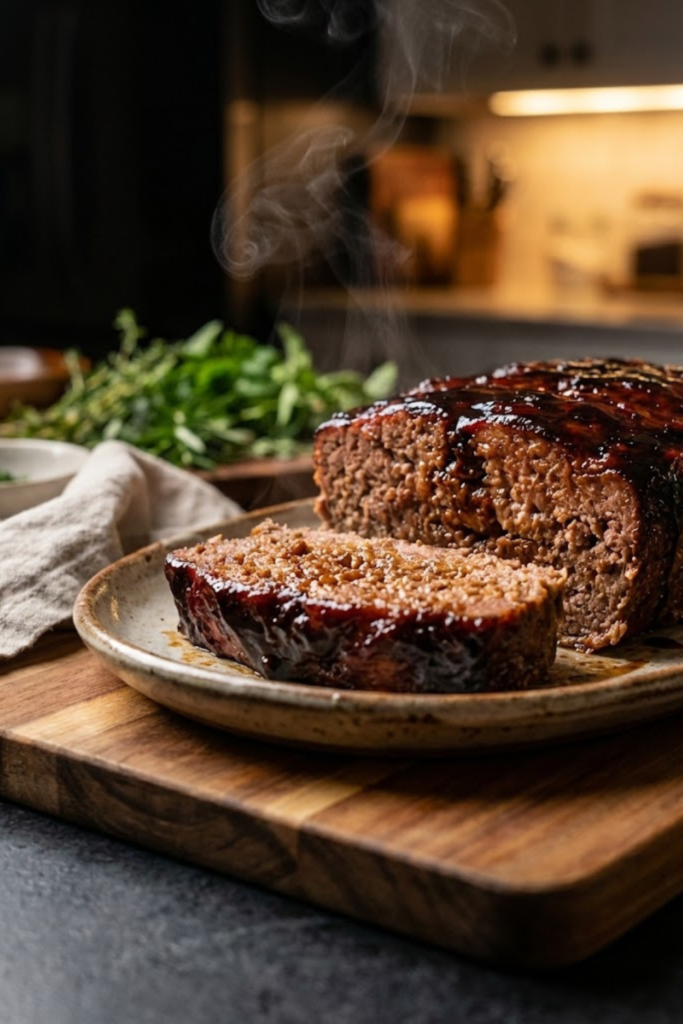
I know it smells amazing and you want to eat right away, but you have to wait. If you cut into the meatloaf the second it comes out of the oven, all those juices we worked so hard to keep inside will just run out onto the plate. I usually set a timer for 10 minutes and walk away. During this time, the meat relaxes and “sets.” This makes it much easier to get those nice, clean slices without the whole thing falling apart. It gives the glaze one last chance to firm up into a beautiful, shiny coating. Trust me, those ten minutes of waiting are worth the better flavor you get in the end.
Well, we have gone over a lot of ground today! I really hope this helps you feel more confident about making a meatloaf with balsamic glaze for your family. I know it can seem like a lot of steps when you first read them, but once you do it a couple of times, it becomes second nature. It is funny how just a few small changes can take a dish from being “blah” to being the star of the table. Just remember what we talked about with the meat—don’t go too lean or you will really regret it! That 80/20 mix is the sweet spot for a juicy dinner. And if you can find some ground pork to toss in there, your taste buds will definitely thank you. It adds a richness that you just can’t get with beef alone.
Let us not forget that glaze, either. That balsamic and brown sugar combo is a real game-changer for me. I used to be a ketchup-only person, but now I can’t imagine going back to the old way. The way it gets all sticky and sweet on top of the savory meat is just perfect. And that trick with the Panko and the milk? That is the real secret to keeping everything tender inside. Nobody wants a meatloaf they have to saw through with a big steak knife! If you follow the panade method, your meatloaf will be soft and delicious every single time you put it on the table.
When it is time to bake, remember to ditch that old loaf pan. Spread the meat out on a flat baking sheet so the heat can get to all the sides at once. It makes such a big difference in how the glaze sets up. And please, please use a meat thermometer! It takes all the guessing out of the whole process. I used to be so nervous about serving raw meat or overcooking it until it was dry, but knowing it hit 160 degrees makes me feel so much better. And don’t forget the rest time! I know it is hard to wait when the kitchen smells that good, but those ten minutes really do matter for getting a clean slice.
I would love to hear how yours turns out at home. Cooking is all about sharing and learning together, right? If you find a little tweak that makes it even better for your kids or your spouse, let me know! Maybe you like a bit more garlic or a different kind of vinegar. That is the beauty of home cooking—making it your own. If you enjoyed this recipe and found these tips helpful, please save this to your Pinterest boards. It helps me out a lot and lets other people find these simple tricks for a better dinner too. Happy cooking, and I hope your next family meal is a huge success!