Did you know that “Lo Mein” literally translates to “tossed noodles”? It’s not just a dish; it’s an art form of balance and heat. I remember the first time I tried to make shrimp lo mein noodles in my tiny first apartment. I ended up with a soggy, gray mess that looked more like sludge than dinner! But I didn’t give up. I spent years messing up my kitchen to find the perfect ratio of savory sauce to snappy vegetables. Now, in 2026, I’ve finally nailed it, and I’m so stoked to share this with you! This recipe is fast, it’s punchy, and it’s way better than that greasy box from down the street. Let’s get cooking!
Essential Ingredients for the Perfect Shrimp Lo Mein
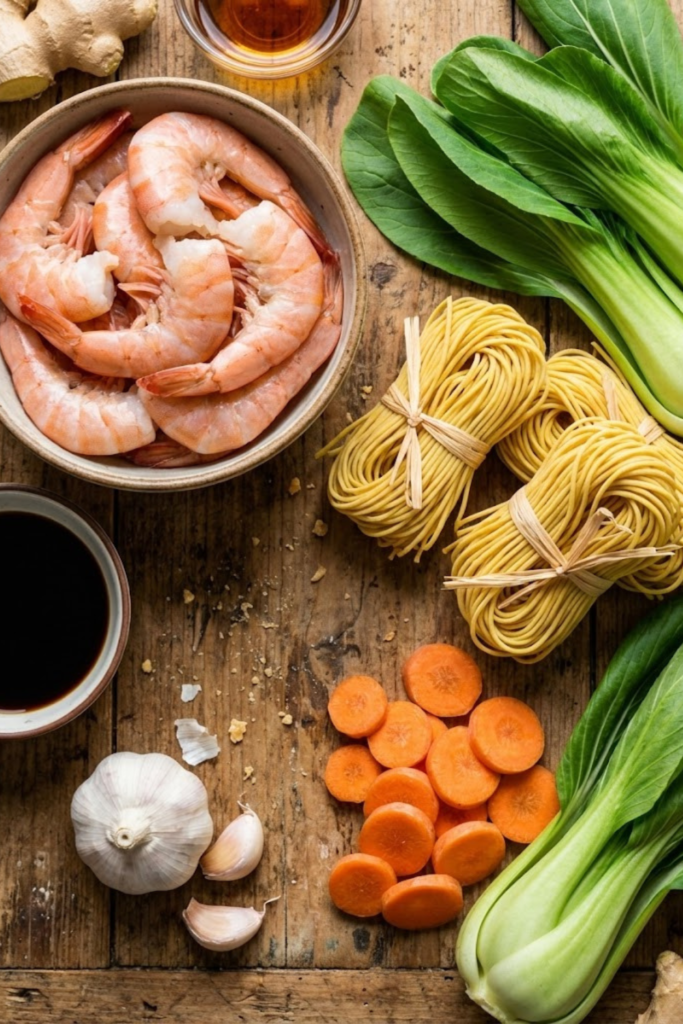
Listen, I’ve been a teacher for twenty years, and if there is one thing I know, it’s that preparation is everything. You can’t just wing it with shrimp lo mein noodles and expect it to taste like the good stuff. I remember one time I tried using spaghetti noodles because I was too lazy to go to the grocery store. It was a disaster, total mush! My kids wouldn’t even touch it, and honestly, I don’t blame them. To get that restaurant flavor, you need to be picky about what goes into your pan. It is about getting the basics right before you even turn on the heat.
Picking the Best Shrimp
Regarding the shrimp, go for the big ones, like the 21/25 count. I always buy them frozen and peeled because, let’s be real, who has time to devein shrimp on a Tuesday night? Just make sure you thaw them out and pat them dry with a paper towel. If they’re wet, they won’t sear; they just boil in the pan and get all rubbery. I’ve made that mistake a dozen times and it’s just sad. You want that snap when you bite into them. Also, keep the tails off. It’s way easier to eat when you don’t have to fish through your noodles to find a stray shell. Bigger shrimp hold up better against the heavy noodles too.
The Noodle Truth
You really want to find fresh egg noodles in the refrigerated section of your grocery store. They have this chewiness that dried pasta just can’t copy. I usually look for the ones labeled “Lo Mein” or even “Hokkien” noodles. If you can only find dried, just cook them a minute less than the box says. This way, they finish cooking in the sauce and soak up all that flavor. This is a big secret for getting that perfect texture. Don’t let them sit in the water too long or they turn into a big sticky ball. Give them a quick rinse with cold water after boiling to stop the cooking process. It keeps them from clumping together.
Veggie Power and Aromatics
I love using bok choy and carrots for this. I cut the carrots into thin matchsticks so they cook fast. Sometimes I get lazy and buy the bag of pre-shredded carrots, and you know what? It works totally fine! Don’t let anyone tell you that’s “cheating.” We’re busy people, right? You also need fresh ginger and garlic. Please, don’t use the stuff from a jar. It tastes like chemicals. Use a grater for the ginger and just smash the garlic. It makes a huge difference in the smell of your kitchen. Throwing in some green onions at the very end adds a nice pop of color and a fresh bite that cuts through the salty sauce.
Master the Savory Lo Mein Sauce
Now we are getting to the good part. The sauce is what really brings these shrimp lo mein noodles to life. If you get the sauce wrong, the whole dish feels flat and boring. I learned this the hard way when I first started cooking back in my twenties. I thought I could just pour a bit of plain soy sauce over the noodles and call it a day. Boy, was I wrong! It tasted like a salt lick. My husband took one bite and reached for a giant glass of water. It was pretty embarrassing. After a lot of trial and error in my kitchen, I figured out that a great sauce is all about layers. You need that mix of salty, sweet, and nutty to make it pop.
The Liquid Gold Base
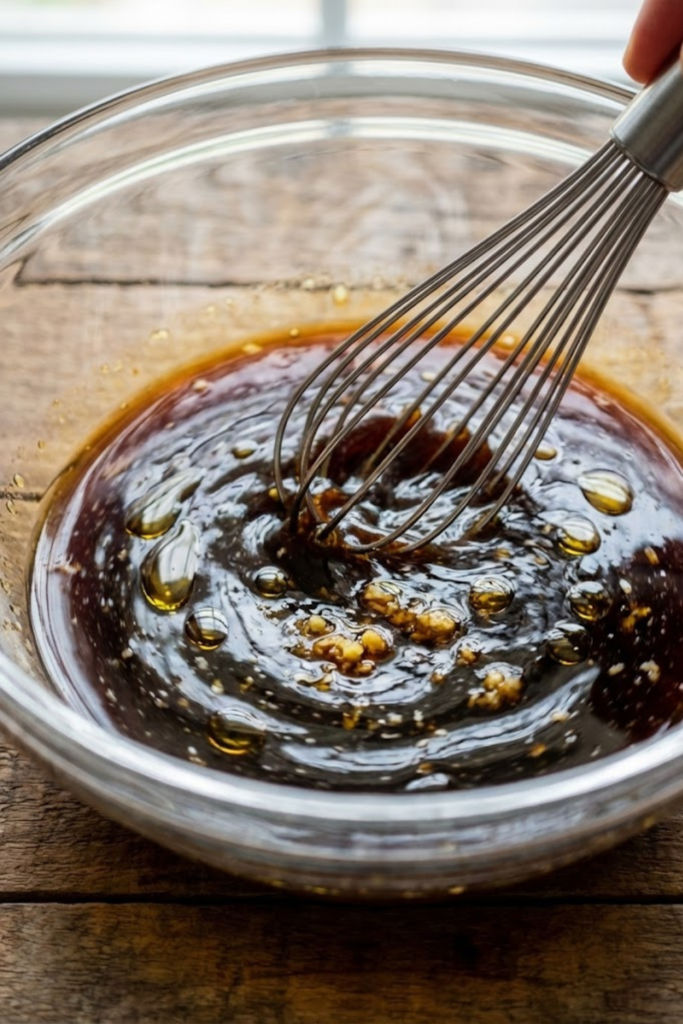
Most people think all soy sauce is the same, but that’s a big mistake. For real shrimp lo mein noodles, you want a mix of light and dark soy sauce. Light soy sauce provides the saltiness and the main flavor. Dark soy sauce is thicker and less salty, but it gives the noodles that beautiful, deep mahogany color you see in restaurants. If you don’t use the dark stuff, your noodles look kind of pale and sad. I usually do about two tablespoons of light and one teaspoon of dark. It makes a world of difference. If you can’t find dark soy sauce, don’t sweat it too much, but try to find it at an Asian market if you can. It really levels up the flavor profile and makes it look professional.
Toasted Sesame Oil Magic
Then there is the sesame oil. This stuff is powerful! A little goes a long way, so be careful not to spill the whole bottle in there. I usually add about a teaspoon at the very end of mixing. It has this toasted, nutty smell that makes your whole house smell like a professional kitchen. My neighbors always know when I’m making stir-fry because of that scent drifting through the vents. It’s the finishing touch that binds all the other flavors together. Just don’t overdo it or it will take over everything else and get a bit greasy.
Sweet and Salty Balance
The last piece of the puzzle is the oyster sauce and a tiny bit of brown sugar. I know, putting sugar in noodles sounds weird, right? But you need that tiny bit of sweetness to cut through the salt. It rounds everything out. The oyster sauce adds that “umami” flavor—that savory depth that you can’t quite put your finger on but you know you love. It makes the sauce stick to the noodles better too, acting like a glue for all that ginger and garlic we talked about earlier. Whisk it all together in a small bowl before you start cooking. It should look thick and dark, ready to coat every single strand of those delicious noodles.
Step-by-Step Stir-Fry Guide
Alright, let’s get into the actual cooking part for these shrimp lo mein noodles. This is the part where things move fast, so you better have your shoes tied and your hair pulled back! I used to get so stressed out during this stage. I’d be frantically searching for a spatula while my garlic was turning black in the pan. It was a total mess. But after years of doing this for my family, I’ve learned that stir-frying is all about having all your stuff ready to go. Once that flame is on, there is no stopping. You have to be ready to move!
The High Heat Secret
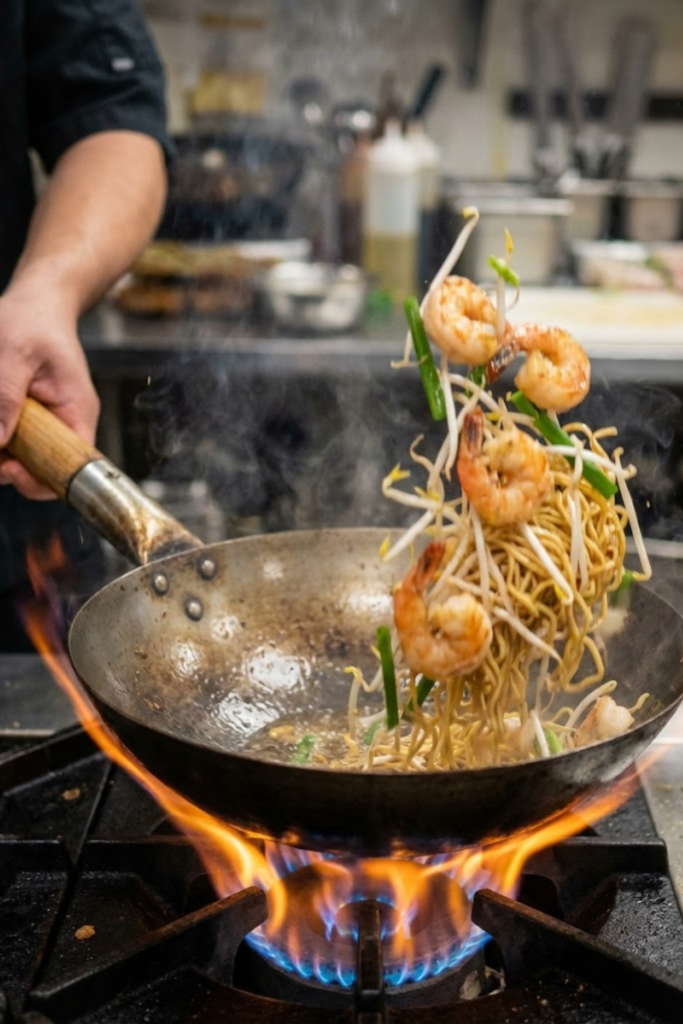
You need to get your pan or wok smoking hot. I mean it! If you put your food in a cold pan, it just sits there and gets soggy. I use a high-smoke point oil like peanut or canola oil. Don’t use butter or extra virgin olive oil here, because they will just burn and smell bad. You want to see a little bit of wispy smoke coming off the oil before you drop anything in. That is how you get that restaurant-style charred flavor. It’s that little bit of magic that makes home cooking taste like you actually know what you’re doing.
Searing the Shrimp First
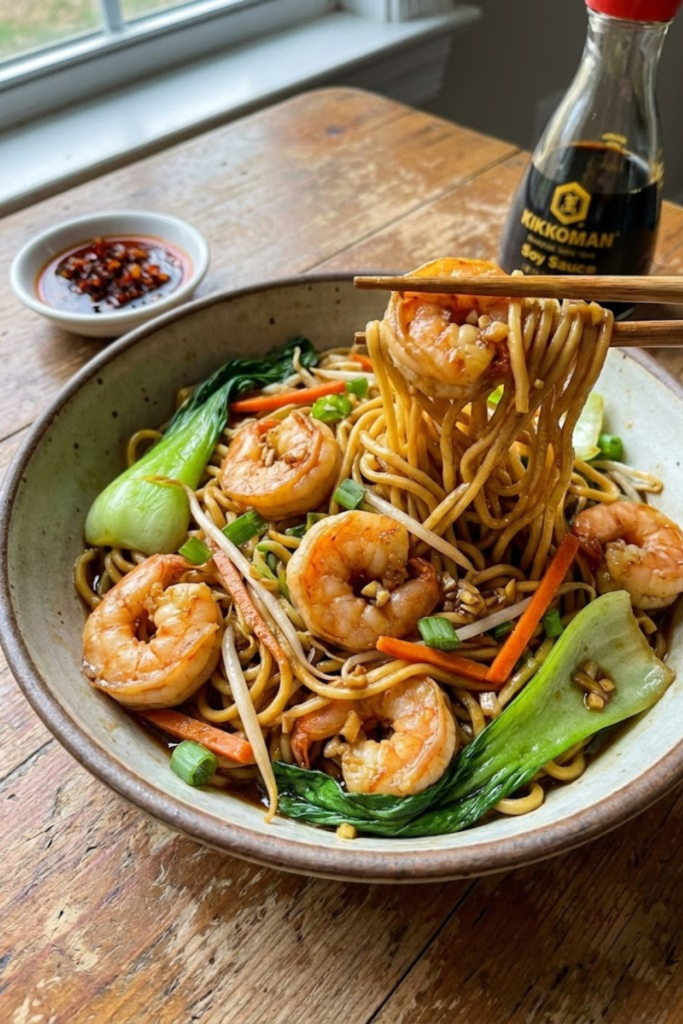
Throw your shrimp in first. They only need about a minute or two on each side. As soon as they turn pink and curl up into a “C” shape, get them out of there! If they turn into a tight “O” shape, they are overcooked and will taste like rubber bands. Put them on a plate and set them aside for a minute. Then, toss in your veggies. Since we chopped them small, they only need a minute to get tender but stay snappy. I usually throw the white parts of the green onions in now too for extra flavor.
The Big Noodle Toss
Now, dump in your cooked noodles and pour that beautiful sauce we made over the top. Use some tongs or a big spatula to toss everything together like you’re mixing a giant salad. Bring the shrimp back into the pan for one last quick heat-up. The sauce will bubble and start to thicken up, coating every single strand of the shrimp lo mein noodles. It should only take about two minutes for everything to get hot and glossy. Turn off the heat immediately so you don’t overcook those noodles. You want them to be slippery and perfect, not a giant clump!
Common Mistakes and How to Avoid Them
Even after years of cooking, I still mess up sometimes. It’s just part of the learning process! But there are a few big traps that beginners almost always fall into when making shrimp lo mein noodles. I’ve seen my students do these things in home ec class, and I’ve definitely done them in my own kitchen when I was rushing to get dinner on the table before grading a stack of papers. If you can avoid these three specific things, your dinner will taste ten times better and feel much more like the real deal.
The Mushy Noodle Trap
One of the biggest blunders is overcooking the noodles before they even hit the wok. You have to remember that these noodles are going to cook twice. Once in the boiling water and then again in the pan with the hot sauce. If you boil them until they are totally soft and squishy, they will just fall apart when you try to toss them later. I always tell people to cook them for about two minutes less than the package says. They should still have a little bit of a “bite” to them. If they feel a little firm, that’s actually perfect. They will soak up that savory sauce later and soften up just right. Also, please rinse them with cold water immediately! If you leave them sitting hot in a bowl, they keep cooking themselves and turn into a giant brick of dough.
Crowding the Pan
This is a mistake I see all the time because people get impatient. They want to get through the cooking and dump everything into the pan at once. If you put too many things in the wok, the temperature drops instantly. Instead of frying and getting that nice brown color, the food starts to steam in its own juice. You end up with gray shrimp and soggy veggies, which isn’t what we want for shrimp lo mein noodles. It’s much better to cook in smaller batches. Fry the shrimp and take them out. Fry the veggies and take them out. Then bring it all together at the end. It takes five extra minutes, but the difference in flavor is huge.
Using Cold or Wet Shrimp
If you take shrimp straight from the fridge and throw them into a hot pan, they’ll release a ton of water right away. This goes back to that steaming problem I just mentioned. I always let my shrimp sit on the counter for about ten minutes to take the chill off while I prep the veggies. And like I mentioned before, you must dry them! Use a paper towel to get all that moisture off. Any water on the surface of the shrimp is the enemy of a good stir-fry. It’s like trying to start a campfire with wet wood; it just won’t work the way you want it to. Taking these small steps will make your home-cooked meal feel like a five-star dish.
Your New Favorite Weeknight Meal
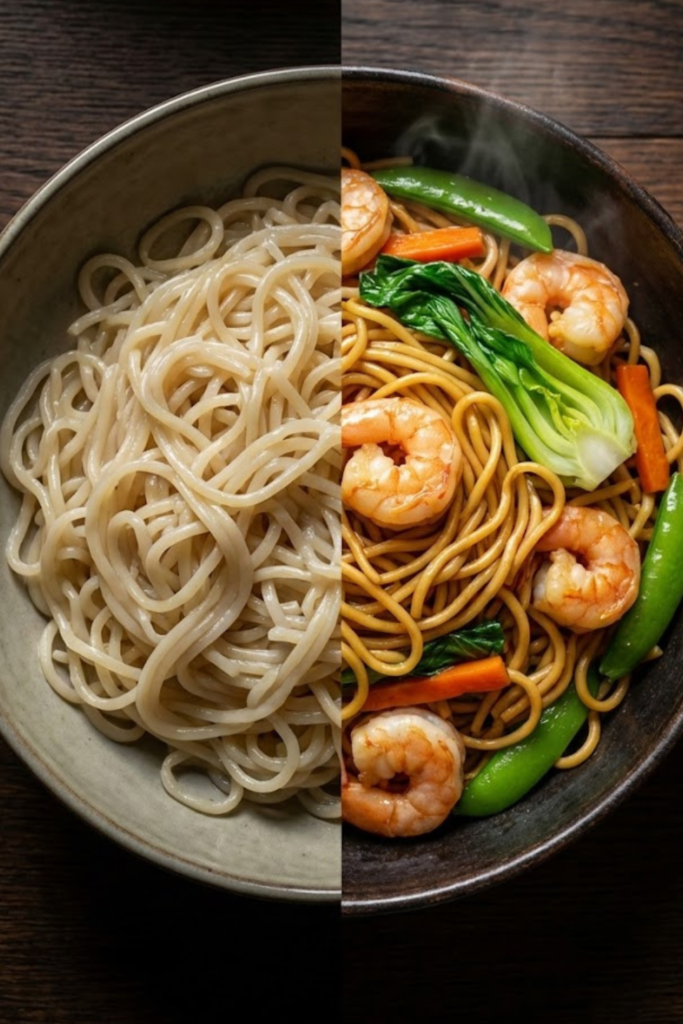
Wrapping up a big plate of shrimp lo mein noodles always feels like a big win in my book. As a teacher, my days are long and often pretty loud, so having a meal that I can throw together in fifteen minutes is a literal life saver for my sanity. I remember sitting at my kitchen table last Tuesday, looking at the plate I’d just made, and thinking about how much money I used to waste on those delivery apps. It’s kind of funny when you realize that the secret to restaurant food is really just high heat and a few good bottles of sauce from the grocery store. You don’t need a fancy kitchen to make this happen, just a bit of confidence and a hot pan.
I really hope you give this a shot tonight. Don’t worry if your first batch isn’t 100% perfect. Maybe you’ll overcook the noodles a bit, or maybe you’ll accidentally add way too much ginger. It’s okay! That is exactly how I learned to be a better cook. I’ve probably burned more cloves of garlic than I’ve actually eaten over the last twenty years. The point is that you are in your kitchen, making something fresh for yourself or your family. That is way more important than having a fancy dish that looks like a professional photo. Cooking is a skill that takes time, and every bowl you make gets you closer to being an expert.
One thing I should mention is what to do with any extra noodles you might have in the pan. If you have leftovers, they actually stay pretty good in the fridge for about two days in a sealed container. To reheat them, I usually put them back in a pan with a tiny splash of water or a little more soy sauce to loosen them up. If you use a microwave, they can get a bit rubbery, so the stovetop is your best bet for keeping that nice texture. My kids actually like the leftovers cold for lunch the next day, which I think is a bit weird, but hey, it saves me from making brown bag sandwiches in the morning!
So, go grab your wok and get that oil hot. You’ve got all the tools you need now to make the best shrimp lo mein noodles on the block. It’s fast, it’s cheap, and it’s way better for you than the greasy stuff from the box. If you liked this guide, please save it and share it on Pinterest so your friends can find a great dinner idea too!