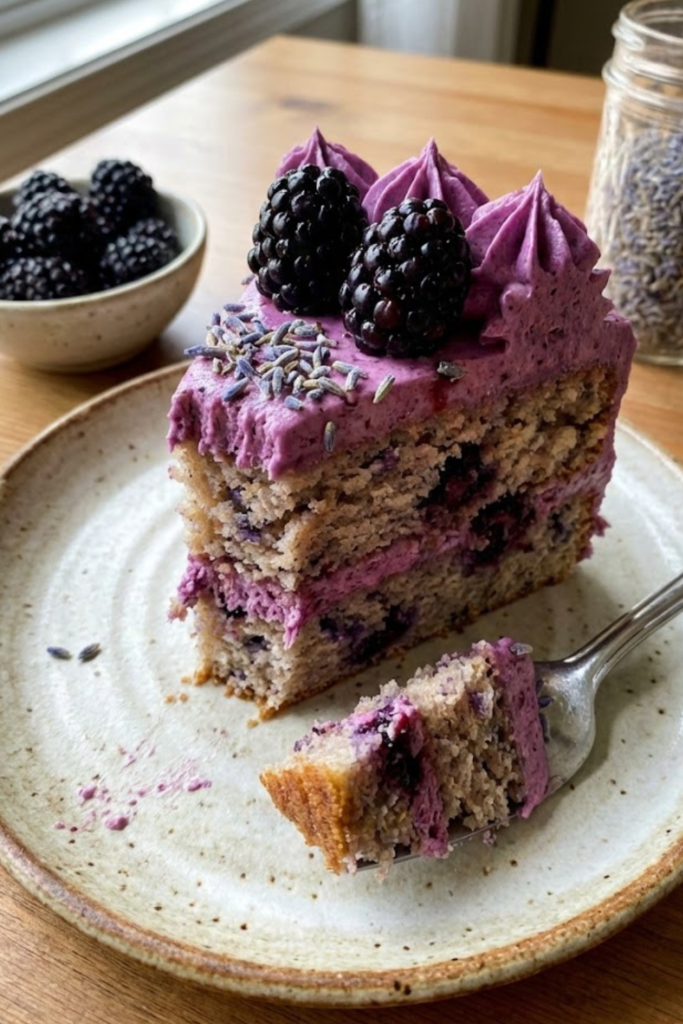
Have you ever tasted something that just screams “fresh start”? That is exactly what this Blackberry Lavender Layer Cake for Spring brings to the table. I used to be terrified of baking with floral flavors—honestly, I was worried my kitchen would smell like a soap shop! But after experimenting with this recipe, I realized that when you balance culinary lavender with zest and sweet fruit, it is pure magic. In 2026, we are seeing a huge return to botanical baking, and this cake is the perfect way to jump on that trend. Whether you are prepping for Easter brunch or just want to impress your neighbors, this cake is going to be your new obsession!
Selecting the Best Ingredients for Floral Baking
You know, the first time I tried to make a floral dessert, it was a total disaster. I just grabbed some dried lavender from a craft store—yeah, the kind meant for potpourri—and threw it into my batter. The result didn’t taste like a fancy bakery treat; it tasted exactly like my grandmother’s bathroom soap. It was heartbreaking! I had spent all afternoon on it, and I had to toss the whole thing in the bin.
That is why I am so picky now about what goes into my Blackberry Lavender Layer Cake for Spring. If you want this to actually taste good and not like a spa day gone wrong, you have to get the ingredients right.
The Lavender Rule You Can’t Break
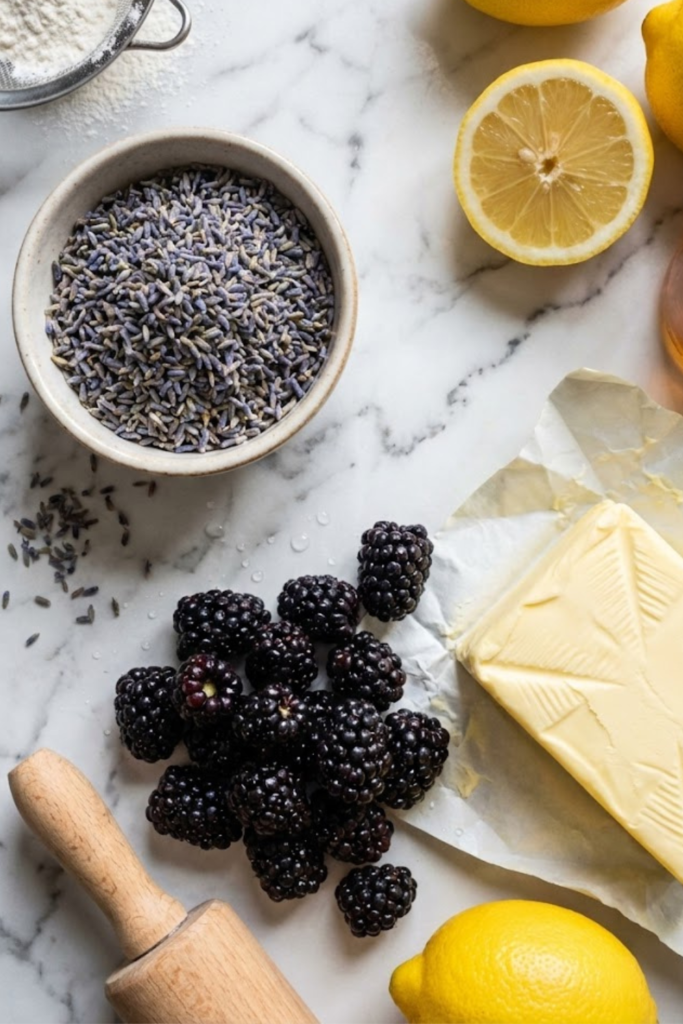
Here is the thing I learned the hard way: you must buy “culinary lavender.” Specifically, you are looking for Lavandula angustifolia. This variety has a sweeter, softer scent compared to the ones used for perfumes, which are full of camphor.
When you open the jar, it should smell sweet, not sharp like medicine. If you use the wrong kind, no amount of sugar will fix it. I usually buy mine online or at specialty spice shops because the grocery store stuff can be hit or miss.
Fresh vs. Frozen: The Berry Debate
For the cake batter itself, I actually prefer frozen blackberries. I know, fresh is usually best, but hear me out. Frozen berries are picked at peak ripeness and are much cheaper when you need a cup of puree. Plus, we are going to cook them down anyway.
However, for the decoration on your Blackberry Lavender Layer Cake for Spring, you definitely want fresh, firm berries. I tried thawing frozen ones for the top once, and they looked like sad, deflated balloons. Not cute. So, save the pretty fresh ones for the garnish and use the frozen ones for the flavor.
Why Butter Matters
I used to think butter was just butter. Stick of yellow stuff, right? Wrong. For a cake with delicate flavors like this, you want European-style butter. It has a higher fat content (usually around 82% or more) and less water.
Less water means a tender sponge that doesn’t feel gummy. I remember using a cheap store-brand butter for a birthday cake last year, and the buttercream just wouldn’t emulsify properly. It was a greasy mess. Spend the extra couple of dollars here; it makes a huge difference in how the texture turns out.
The Lemon Bridge
Finally, don’t skip the lemon zest. Lavender and blackberry are great, but they are both heavy flavors. The lemon acts like a bridge connecting them. It cuts through the sugar and makes the floral notes pop without being overpowering. Just make sure you zest it right before adding it to the batter so the oils are fresh.
Infusing Flavor: The Lavender Milk Method
Okay, this is the part where things usually go wrong for people. I’ve seen so many recipes that just tell you to grind up the lavender and toss it in with the flour. Please don’t do that. Unless you like the texture of dry grass in your teeth, infusion is the only way to go for this Blackberry Lavender Layer Cake for Spring.
I learned this trick from a old baking book I found at a yard sale, and it changed everything. It’s pretty simple, but you have to pay attention.
The Steeping Technique
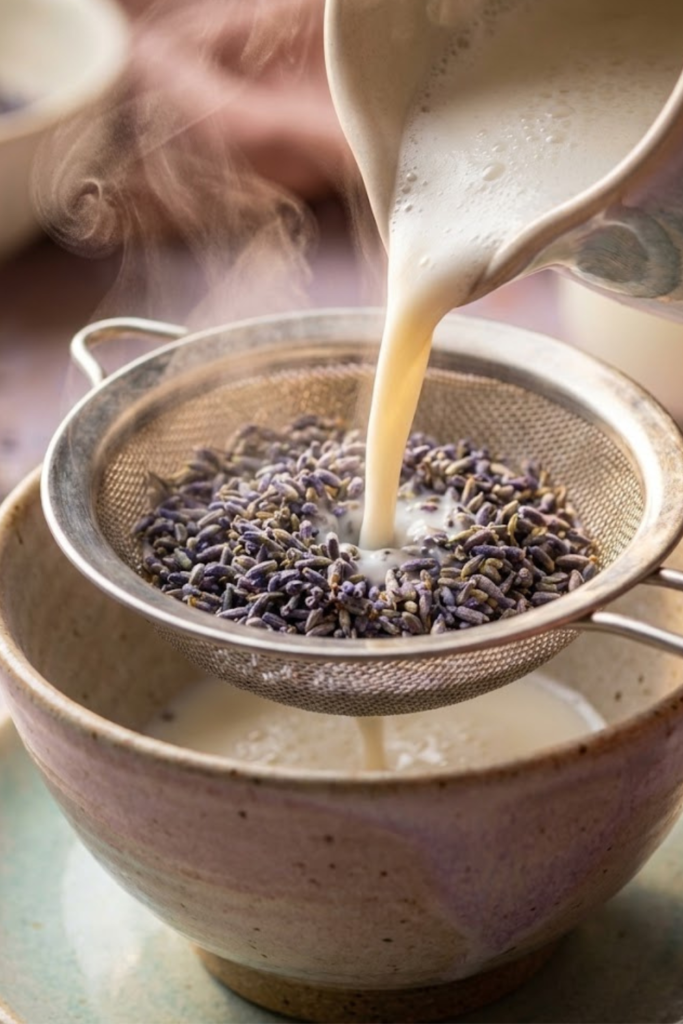
First, pour your milk into a small saucepan. You want to heat it up until it is just steaming—do not let it come to a rolling boil! If it boils too hard, you lose too much liquid and your cake ratios will be off.
Once you see little bubbles around the edges, take it off the heat immediately. Stir in your dried lavender buds. I usually cover the pan with a plate or a lid right after. This keeps all those essential oils from evaporating into the air. Let it sit there for exactly 15 minutes. If you leave it longer, it starts to taste bitter, like soap again.
Straining Success
After 15 minutes, grab a fine mesh sieve. Pour the milk through it into a clean cup or bowl. You want to press down on the buds a little bit with a spoon to get all that flavorful liquid out, but don’t smash them too hard or you might push small bits through.
I did this once without a strainer, thinking I could just fish the buds out with a spoon. Big mistake. I missed a bunch, and my poor husband bit into a crunchy flower in the middle of his slice. Not exactly appetizing.
The Smell Test
Before you move on, stick your nose in that milk. It should smell strong. Like, really strong.
Since we are baking this, a lot of the flavor is going to bake out in the oven. So if the milk only smells faintly floral right now, you won’t taste it at all in the finished cake. If it’s too weak, I sometimes cheat and add a tiny drop of lavender extract, but usually, the steeping does the job.
Cooling Down
This is the step I always forget when I am in a rush. You have to let that milk come back down to room temperature before you use it.
If you pour hot milk into your batter, you are going to melt the butter or scramble the eggs. Neither of those is good. I usually stick the cup in the fridge for 10 minutes to speed it up. Just touch it with your pinky finger—if it feels cold or neutral, you are good to go.
Baking the Perfect Purple Sponge
This part used to scare me, but honestly, once you get the hang of it, it is not that hard. For this Blackberry Lavender Layer Cake for Spring, the texture of the cake is everything. You want it soft, not like a piece of dry bread.
The Reverse Creaming Method
Okay, this sounds fancy, but it is actually easier than the normal way. Usually, you cream butter and sugar first, right? Well, for this cake, I mix the dry ingredients (flour, sugar, baking powder) with the butter first. It looks kind of like wet sand.
I remember the first time I tried this, I thought I ruined it. It looked crumbly and weird. But trust me, when you add the liquids later, it turns into this velvety batter. This method coats the flour in fat, which stops gluten from forming too much. That means a super tender crumb every time.
Making it Actually Purple
Here is a little secret: blackberry batter often turns out… gray. Yeah, like wet cement. It tastes amazing, but it doesn’t look very appetizing.
If you are okay with a natural look, that is fine! But if you want that pretty lavender color, you might need a tiny drop of violet gel food coloring. I learned this when I made a cake for my niece. It tasted great, but she asked why it looked like a storm cloud. Now, I always add just a smidge of color to brighten it up.
Watch Your Oven
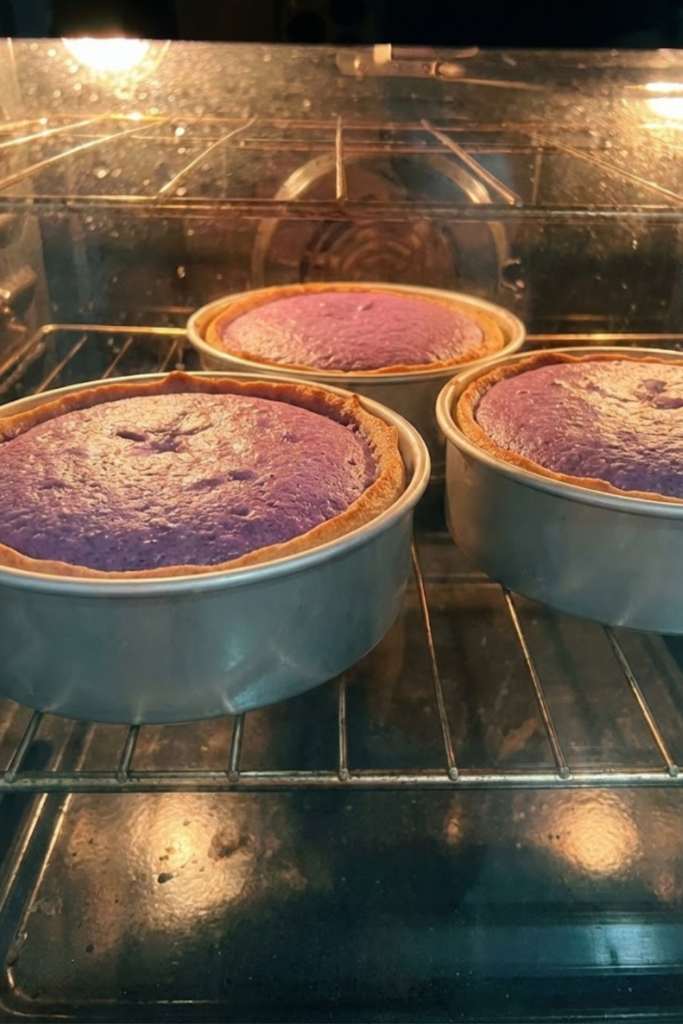
My old oven was a liar. I would set it to 350, but it was actually 375 inside. I burned so many cake edges before I bought a cheap oven thermometer.
For this cake, you need a steady temperature. If it is too hot, the outside cooks too fast and the middle stays raw. I usually check my thermometer right before I slide the pans in. It takes two seconds and saves a lot of heartache.
Is It Done Yet?
Please, put down the toothpick. I know everyone says to use it, but for this kind of cake, I use the “spring-back” test.
Open the oven door gently (don’t slam it!) and lightly press the center of the cake with your finger. If it springs back up immediately, it is done. If your fingerprint stays there, it needs a few more minutes. I used to rely on toothpicks, but sometimes they come out clean even if the cake is a little dry. The finger test never fails me.
Making the Blackberry Swiss Meringue Buttercream
If I am being honest, this was the part of the Blackberry Lavender Layer Cake for Spring that terrified me the most. Swiss Meringue Buttercream has a reputation for being fussy. But once I figured it out, I realized it is way better than that super sweet powdered sugar frosting from the grocery store. It is silky and not too sugary.
Creating the Puree (Don’t Skip This!)
The first time I tried adding fruit to buttercream, I just mashed up some berries and dumped them in. It was a disaster. The frosting turned into soup because there was too much water in the fruit.
For this cake, you have to cook the blackberries down. I put them in a saucepan and let them simmer until they get thick, almost like jam. You are basically evaporating all the extra water. It takes about 10 or 15 minutes, but it is the only way to get that strong berry flavor without ruining the texture. Let it cool completely! If it is hot, it will melt your butter.
Whipping the Meringue
You need a double boiler for this, which is just a fancy way of saying “a bowl sitting on top of a pot of simmering water.” You whisk the egg whites and sugar together in the bowl until the sugar dissolves.
I rub a little bit between my fingers to check. If it feels grainy, keep whisking. If it is smooth, you are ready to whip. Then I move it to my stand mixer and whip it on high until it forms stiff peaks and the bowl feels cool to the touch. If the bowl is still warm, wait. Warm meringue melts butter, and then you have soup again.
The Scary “Curdled” Stage
Okay, this is where everyone panics. I definitely did. You start adding the butter piece by piece, and suddenly, the whole thing looks like cottage cheese. It looks ruined.
Please, do not throw it away! This is normal. It just means the temperature is a little off or it is just working itself out. Just keep the mixer running. I usually walk away for two minutes and don’t look at it. When I come back, it has usually come together into a smooth, creamy frosting. It is like magic.
Adding the Fruit
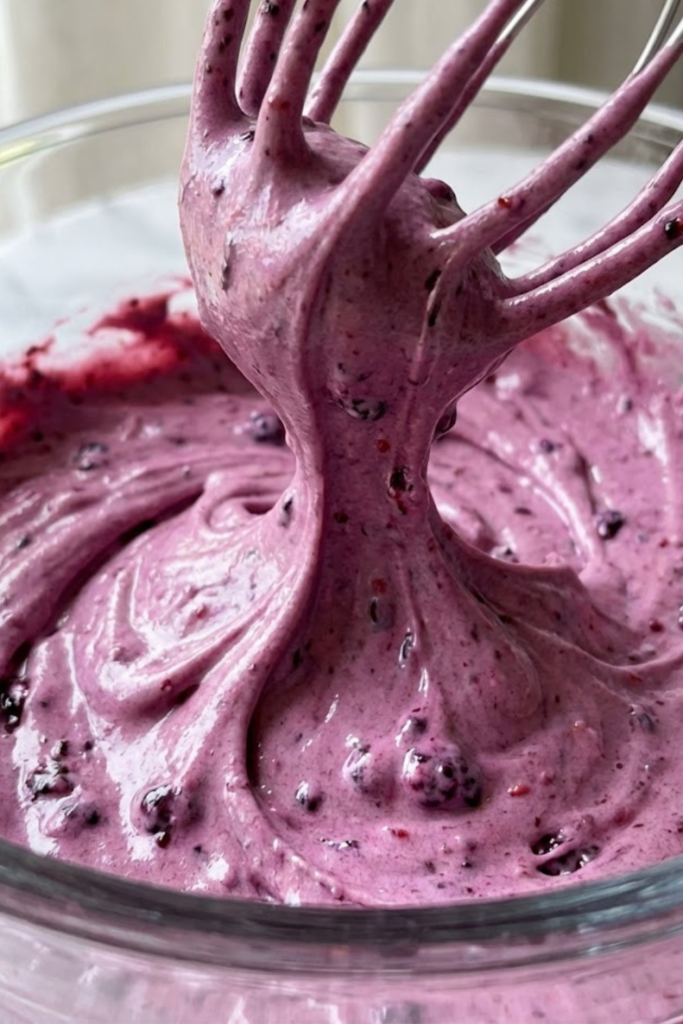
Once the buttercream is smooth, I add that cooled blackberry reduction we made earlier. I don’t use the mixer for this part usually; I like to fold it in by hand with a spatula.
This way, you keep some of those little purple streaks and speckles, which looks so pretty and natural. It tastes tart and creamy at the same time. It is the perfect topping for the floral cake layers.
Assembling and Decorating for Spring
I used to think that as long as the cake tasted good, it didn’t matter what it looked like. Then I tried to transport a Blackberry Lavender Layer Cake for Spring to a potluck, and the top layer slid right off into my car seat. I learned pretty fast that assembly is actually about structure, not just making it look pretty.
Leveling the Layers
When your cakes come out of the oven, they usually have a big dome on top. I used to just stack them like that, and my cakes were always wonky. They looked like the Leaning Tower of Pisa!
You have to cut that dome off. I use a long bread knife. Get down at eye level with the counter so you can see if you are cutting straight. It feels wasteful to cut off perfectly good cake, but you can snack on the scraps (that’s the baker’s tax, right?). You need a flat surface to stack on, or the whole thing will wobble.
The Dam Method
If you are putting soft filling inside, like extra blackberry jam or curd, you need a “dam.” This is just a ring of buttercream piped right around the edge of the cake layer.
Think of it like a swimming pool wall. It holds the soft filling inside so it doesn’t squish out the sides when you put the next heavy layer of cake on top. I forgot this once, and purple jam leaked all down the sides of my white frosting. It looked like a crime scene.
The Crumb Coat (The Ugly Layer)
This is the most helpful tip I ever got. Do not try to frost the cake all at once. Do a “crumb coat” first.
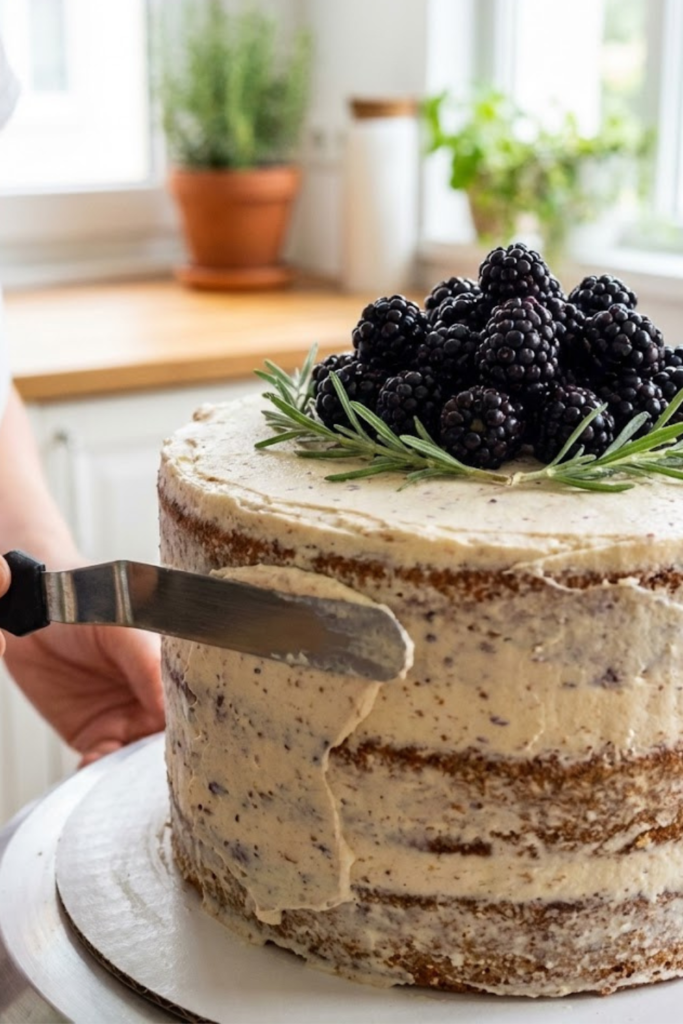
This is a very thin, messy layer of frosting that locks in all the crumbs. It doesn’t have to look good! In fact, mine usually looks terrible. Once you get that thin layer on, put the whole cake in the fridge for 20 minutes. When you take it out, the frosting will be hard, and you can put your final thick layer on top without purple crumbs getting mixed into your nice white or lavender swirls.
Simple Spring Garnish
I am not a professional decorator. I can’t do those fancy fondant flowers. That is why I love this cake—it looks better when it is a little rustic.
For the Blackberry Lavender Layer Cake for Spring, I just pile fresh blackberries in the center. Then I stick a few sprigs of fresh lavender or maybe some edible viola flowers around them. It takes five minutes, but it looks like it came from a garden party. Just make sure the flowers you use are actually edible and haven’t been sprayed with pesticides!
Making this Blackberry Lavender Layer Cake for Spring is definitely a labor of love. I’m not gonna lie, there are a lot of steps involved here. But honestly, when you take that first bite, you will understand why I spent my whole afternoon in the kitchen. The way the floral notes mix with the tart blackberries creates a flavor that is just… sophisticated. It is miles ahead of anything you can buy in a box mix.
I really hope you give this recipe a shot. It is a total game-changer for Easter brunch or just a sunny Saturday when you want to feel a little fancy. If you found this guide helpful and are ready to get baking, please share it on Pinterest so others can find this floral magic too. Happy baking!