Did you know that over 70% of home cooks feel intimidated by cooking seafood at home? I used to be one of them! I remember the first time I tried to make a fancy pasta; I overcooked the shrimp so bad they tasted like rubber erasers. It was a total disaster, and my husband just stared at his plate with a “thanks, but no thanks” look.
But honestly, lemon garlic shrimp linguine is the hero of my kitchen now in 2026. It’s zesty, it’s buttery, and it feels like a high-end restaurant meal without the $40 price tag. You just need a few fresh ingredients and about fifteen minutes to make magic happen! Let’s get into how you can nail this dish every single time without breaking a sweat.
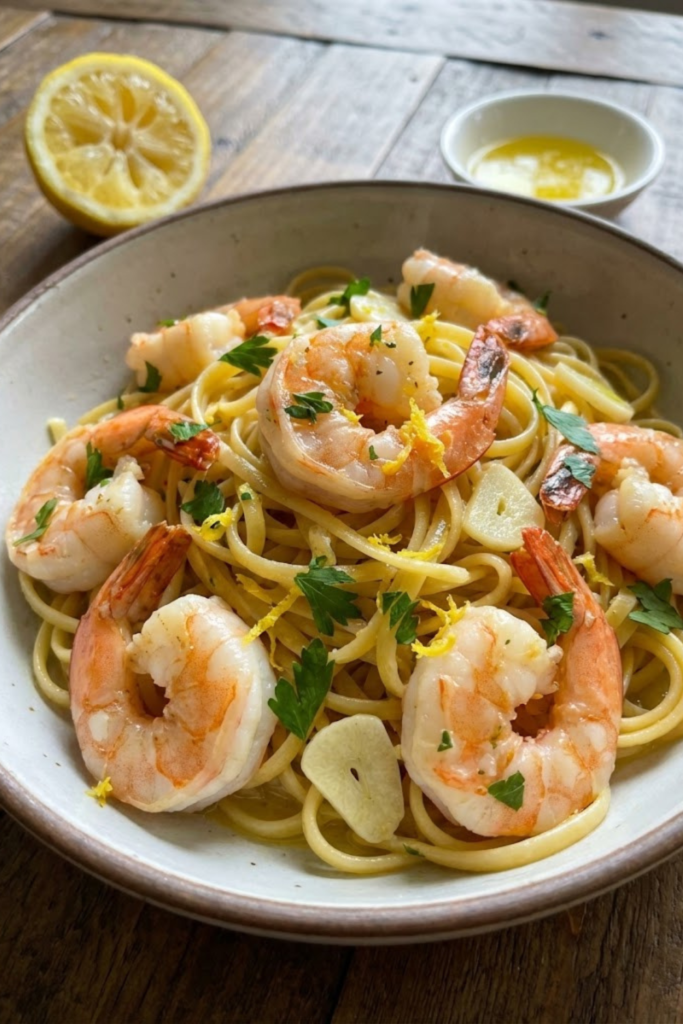
Selecting the Best Ingredients for Flavor
Picking the right stuff for your pasta is half the battle. If you start with bad shrimp, the whole dinner is basically trash. I’ve spent way too much money on fancy seafood that tasted like nothing because I didn’t know what to look for. Let me tell you, don’t just grab the first bag you see in the freezer aisle. You gotta be a bit picky if you want that restaurant taste at home. It’s not just about spending the most money, it’s about getting things that actually taste like real food.
Buying the Right Shrimp
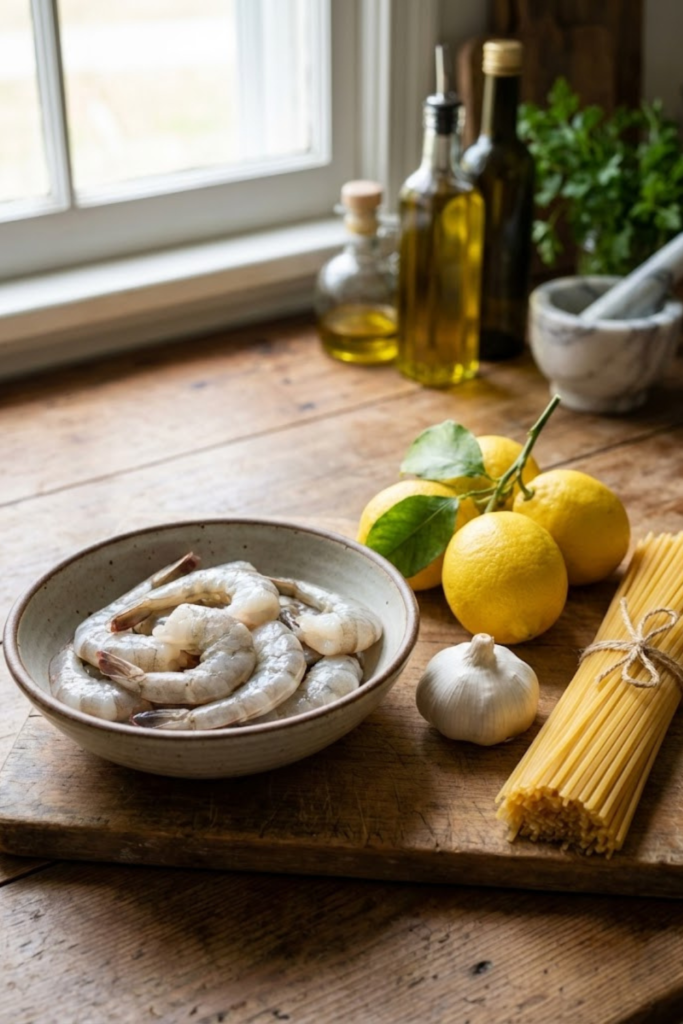
When I go to the store, I always look for jumbo shrimp. If they are too small, they shrink up into tiny little pebbles when you cook them. That’s no fun for anyone. I usually buy the “easy-peel” kind. They already have the back cut open, so you just pull the shell off. It saves so much time when you are hungry. Fresh is great if you live by the coast, but frozen is actually really good too. Most shrimp are frozen right on the boat anyway, so they stay pretty fresh. Just make sure they don’t have a weird fishy smell. They should smell like the ocean, not like a smelly old boat. If they look grey or slimy, just put them back.
Why Linguine works best
You might think any noodle works, but I really like linguine for this meal. It’s flat but not too wide like fettuccine. It holds onto that lemon butter sauce way better than skinny spaghetti does. Spaghetti is okay for thin oil sauces, but for this, you want something with more surface area. I’ve tried penne before, and it was okay, but it just didn’t feel right. Linguine makes the whole plate look like you actually know what you’re doing in the kitchen. Plus, it’s fun to twirl around your fork and catch all those tiny garlic bits.
Fresh Garlic and Real Lemons
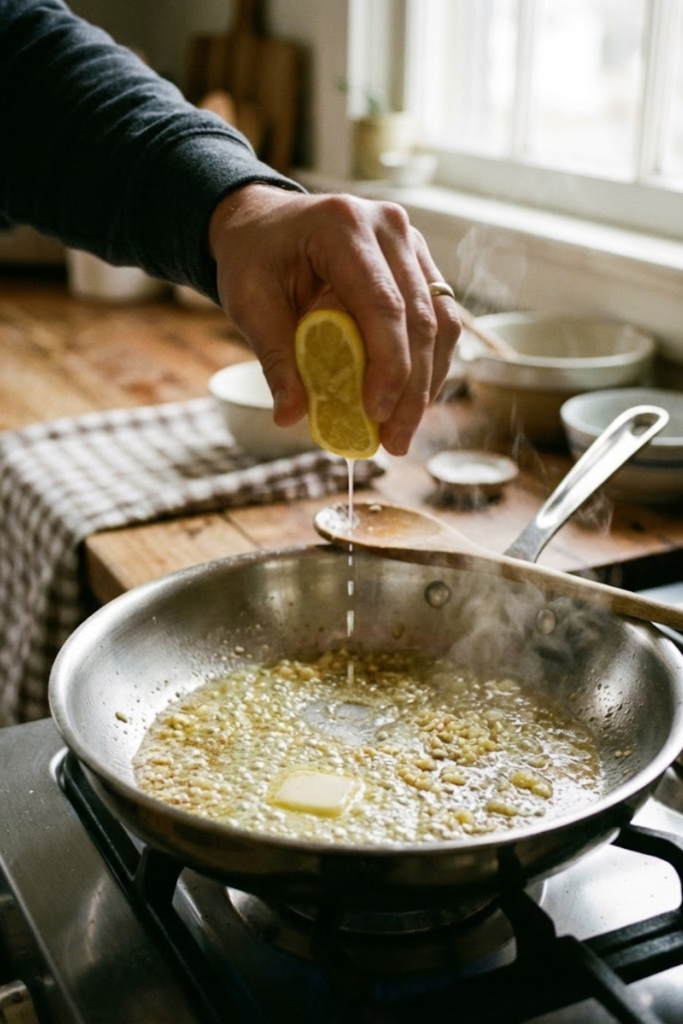
Please do not use that garlic that comes in a jar. It tastes like chemicals and it’s just plain sad. I made that mistake for years because I was lazy. Once I started peeling real cloves, my cooking changed forever. Get a big head of garlic and chop it yourself. And the lemons? Use real ones. You need the zest—that is the yellow skin on the outside. It has all the oils that make the pasta smell amazing. Bottled juice is way too sour and missing that bright flavor. One big lemon is usually enough for a whole box of pasta. Don’t skip the zest if you want it to taste high-quality!
The Secret to a Perfect Lemon Garlic Butter Sauce
I’ve made a lot of pasta in my day, and let me tell you, the sauce is where most people mess up. They think it’s just about melting a stick of butter and calling it a day. But if you do that, you just end up with a greasy puddle at the bottom of your bowl. Nobody wants to eat a bowl of grease! I used to do that all the time until I figured out the actual secret. It’s about making sure the butter and the lemon juice actually stick to the noodles. That’s what makes it feel like a real meal and not just a snack you threw together because you were tired.
The Magic of Pasta Water
The first thing you have to remember is the pasta water. I call it “liquid gold” in my kitchen. When you boil your linguine, the water gets all cloudy and starchy. Most people just dump it down the drain, but that’s a huge mistake. You want to scoop out about a cup of that cloudy water before you drain the noodles. When you mix that water into your butter and lemon juice, it creates an emulsion. Basically, the starch helps the fat and the liquid get along and turn into a creamy, silky sauce. It’s like magic! If your pasta looks a little dry, just add a splash more water and keep tossing it.
Keep the Heat Down
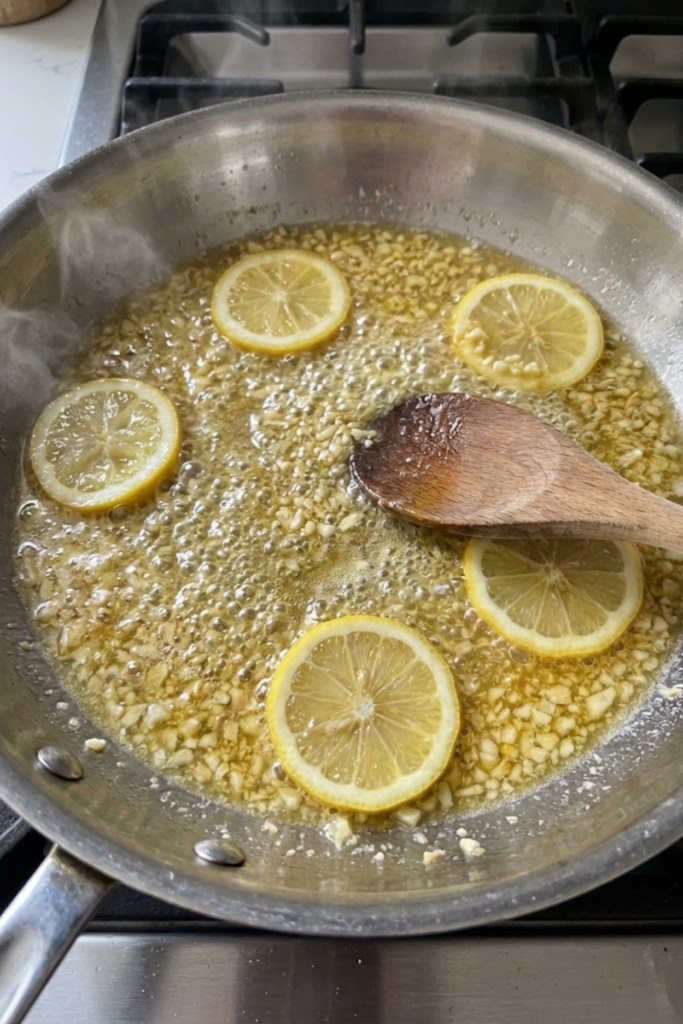
Now, let’s talk about heat. You can’t be in a rush when you’re making the sauce. If you turn the stove up too high, your butter will start to brown and your garlic will burn in like ten seconds. Burnt garlic is the worst—it’s super bitter and it ruins the whole vibe of the dish. Keep your pan on medium-low. You want the butter to just barely bubble. Throw your garlic in and let it cook until it smells so good your neighbors might knock on the door. It should be soft and fragrant, not crunchy or brown.
Layering Your Flavors
Finally, don’t forget the extras. I love adding a pinch of red pepper flakes for some heat. It doesn’t make it too spicy, just gives it a little zing that wakes up your tongue. And always add your fresh parsley at the very end. If you cook the herbs too long, they lose their bright green color and start to taste like hay. You want that fresh, grassy flavor to cut through the rich butter. I also like to add a tiny bit more lemon zest right before I serve it just to make that citrus pop. It makes a world of difference.
Avoid These Common Seafood Pasta Mistakes
Mistakes are just part of the learning process, trust me. I’ve had plenty of kitchen disasters where the dog wouldn’t even eat what I made. It’s okay to fail sometimes, but it’s much better to learn from my old mess-ups so you don’t have to repeat them at home tonight. Making a seafood pasta seems easy on paper, but there are a few traps that almost every beginner falls into. If you watch out for these simple things, your dinner will be a million times better and everyone at the table will think you’re a pro chef.
The “C” Shape Rule for Shrimp
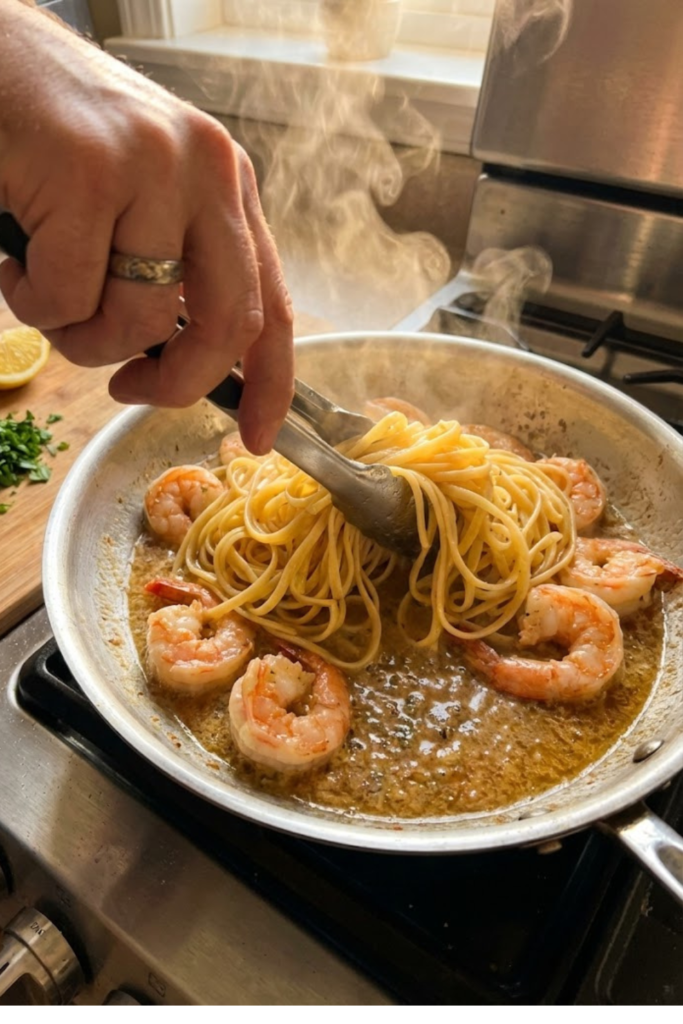
The biggest thing I see people do wrong is overcooking those shrimp. A lot of people get nervous about seafood being underdone, so they leave it in the pan way too long. When a shrimp is cooked perfectly, it looks like a loose “C” shape. If it curls up tight into a tiny, closed “O” circle, it’s going to be tough and chewy. It’s like eating a rubber band! I usually take mine off the heat a second before they look totally done because they keep cooking in the hot pasta anyway. You want them to be snappy and juicy. Trust your eyes, not the timer on your phone.
Don’t Be Scared of the Salt
Another huge mistake is being stingy with the salt in your pasta water. I see so many people just put a tiny pinch in. You really want that water to taste like the ocean! If the noodles don’t have flavor from the start, the whole dish feels flat and boring. It’s the foundation of the meal. Don’t be scared of the salt shaker here; most of it stays in the water anyway. It just makes the pasta taste like actual food instead of wet flour. If you skip this step, no amount of butter or garlic can save the dish later.
The Great Pasta Water Tragedy
Lastly, do not drain every single drop of water from the pot and throw it away. If you dump it all down the sink, you lose the glue that holds the sauce together. I’ve had many nights where I forgot and ended up with a dry, sad bowl of noodles. Just keep a little bit in a coffee mug on the side. It’s a simple trick that fixes problems and makes the sauce silky. If you follow these tips, you’ll avoid the common headaches that ruin a perfectly good Friday night dinner.
Tips for Meal Prepping and Reheating
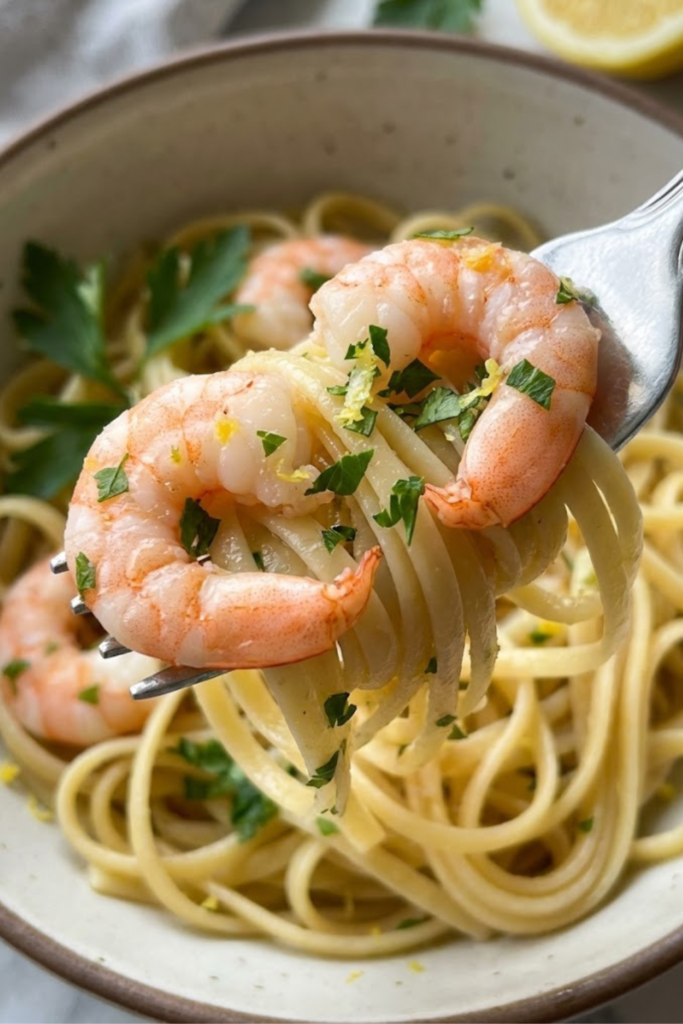
Let’s be real for a minute—seafood is usually something you want to eat right away. It’s not like a big pot of chili that tastes better after three days in the fridge. However, life gets busy and sometimes you have leftovers. Or maybe you want to take a nice lunch to work so your coworkers get jealous of your cooking skills. I’ve tried every way to save this lemon garlic shrimp linguine, and most of the time I ended up with a sad, rubbery mess. But after a lot of trial and error, I found a few ways to make it work so you don’t waste a single bite of that expensive shrimp.
Storing Your Leftovers Correctly
If you have extra pasta, you need to get it into the fridge fast. Don’t let it sit on the counter for two hours while you watch TV. I always use glass containers because plastic ones tend to soak up the smell of the garlic and it never really comes out. Make sure the lid is tight so the shrimp doesn’t dry out. One thing I’ve noticed is that the noodles will keep drinking up the sauce while they sit in the fridge. By the next morning, the pasta might look a little dry. That’s totally normal! Don’t panic and think you ruined it. It’s just the linguine being thirsty.
The Best Way to Reheat Shrimp
This is the part where most people fail. If you put a bowl of shrimp pasta in the microwave for three minutes on high power, you are going to be eating tiny pieces of tire tread. It’s gross. Instead, try to use a frying pan on the stove. Put a tiny splash of water or some chicken broth in the pan first. This creates a little steam that wakes up the sauce and keeps the noodles from sticking. Turn the heat to low and just gently toss it until it’s warm. If you absolutely have to use the microwave, turn the power down to 50% and do it in short bursts. Stir it every thirty seconds so the heat is even.
Prep Ahead Tips for Busy Nights
If you want to save time during the week, you can definitely prep some parts of this meal. I like to peel and devein my shrimp the night before so they are ready to go. You can also chop your garlic and put it in a small container. I wouldn’t cook the pasta ahead of time though. Freshly boiled pasta is always better. But, having the ingredients ready to toss in the pan makes the actual cooking part take like five minutes. It makes the whole process feel much less scary when you get home from work and just want to eat. Always keep an extra lemon on hand too, because a fresh squeeze of juice right before you eat leftovers makes a huge difference.
My Personal Journey with the Sauce
I have to be honest with you—my first few years of cooking were a total disaster. I used to think that followin’ a recipe meant you had to be like a robot. I’d measure every single drop of oil like my life depended on it. But over time, I realized that cooking, especially something like a lemon garlic sauce, is more about how it feels and smells rather than just reading numbers off a page. I’ve probably ruined this specific dish more than any other meal in my life. It took a lot of burnt garlic and greasy noodles to finally get to a place where I felt confident sharing this with anyone else.
The Great Lemon Disaster
One time, I wanted to impress my in-laws. I thought, “Hey, if a little lemon is good, a lot must be better!” I ended up squeezing like four huge lemons into the pan. It was so sour it felt like it was stripping the enamel off our teeth. My father-in-law was very polite and finished his plate, but I could see him winced with every bite. I felt so bad! That was the day I learned that citrus is a powerful tool. You have to balance it with enough fat—like butter—and a bit of salt. It’s all about that harmony. Now, I always taste as I go. If it’s too sharp, I add another knob of butter. If it’s too heavy, I add a tiny bit more juice.
Learning to Trust My Nose
I used to rely on a kitchen timer for everything. I’d set it for two minutes for the garlic and walk away to fold laundry. Big mistake! I can’t tell you how many times I came back to a kitchen full of black smoke and bitter-smelling pan drippings. Garlic doesn’t care about your timer. It cooks when it wants to cook. I finally learned that you have to use your nose. When you start to smell that sweet, nutty aroma, that’s your signal. If it starts to smell sharp or burnt, you’ve gone too far. I tell my students all the time: your kitchen is a sensory room. Use your eyes and your nose more than your watch.
Finding My Rhythm in the Kitchen
Nowadays, making this linguine is like a dance for me. I don’t get stressed out anymore. I know exactly when the water is salty enough just by looking at the bubbles. I know when the shrimp are done because they turn that perfect shade of pink that reminds me of a summer sunset. It took me years to get this rhythm, but it was worth every failed attempt. Cooking should be fun, not a chore that makes you sweat. If you mess up, just laugh it off and try again tomorrow. That’s how you really become a great cook—by not giving up when the sauce breaks or the noodles get mushy. It’s a journey, and I’m just happy I finally found my way to a plate of pasta that makes everyone smile.
Time to Dig In!
So, we finally made it to the finish line of this tasty little trip. I really hope you feel like a total pro now that we’ve walked through everything. Making lemon garlic shrimp linguine isn’t exactly rocket science, but it sure feels like a massive win when you get that sauce just right. I remember sitting at my kitchen table last Tuesday, just staring at a bowl I made, and thinking how far I’ve come from those rubbery shrimp days. It’s a good feeling to feed people something that actually tastes like you put some heart into it.
Final Thoughts on the Meal
The biggest thing I want you to take away is that you shouldn’t be scared of the pan. If the sauce looks a bit weird or the noodles stick, just add a splash of that magic pasta water I told you about. Most of the time, a little bit of heat and some extra butter fixes just about any problem you run into. Cooking lemon garlic shrimp linguine should be the part of your day where you get to relax, not something that makes you want to pull your hair out. I’ve had my fair share of nights where I wanted to just order a pizza, but sticking with it is always worth it.
Why You Should Share the Love
There is something really special about sharing a big plate of pasta with friends or family. My kids usually complain about “green stuff” (the parsley) in their food, but even they can’t resist this one. When the smell of that garlic hits the air, everyone just seems to show up in the kitchen with a fork in their hand. It’s funny how a simple lemon garlic shrimp linguine can bring everyone together after a long, crummy day. If you make this for someone, I bet they’ll be asking for the recipe before they even finish their first serving.
Don’t Forget to Save This!
Before you go and start boiling your water, do me a huge favor and save this for later. I can’t tell you how many times I found a great recipe and then lost it in the black hole of my phone. If you liked these tips and want to try this lemon garlic shrimp linguine again, hit that share button! It helps me out a ton, and it keeps your dinner plans sorted for next week. Now, get in that kitchen and make something awesome!
Love this recipe? Pin it to your favorite Pinterest board so you can find it later!