Have you ever taken a bite of something so flavorful it instantly transported you to the lively streets of the French Quarter? That is exactly what this dish does! The best shrimp creole isn’t just dinner; it’s an experience wrapped in bold spices and comfort. I remember the first time I tried to make it—I completely burned the roux! But don’t worry, we aren’t making a dark gumbo roux here. We are aiming for a vibrant, tangy tomato-based sauce that sings with the “Holy Trinity” of vegetables. In this article, we’ll dive deep into the ingredients and techniques you need to nail this classic. Let’s get cooking!
The Holy Trinity: Building the Flavor Foundation
You know, when I first started messing around with Cajun and Creole food, I thought I could just throw any old veggies in a pot and call it a day. Boy, was I wrong! I remember trying to impress my partner with a “authentic” stew, and I skipped the celery because I didn’t have any. The look on their face said it all—it just wasn’t right. That’s when I learned that you simply cannot mess with the foundation. In New Orleans cooking, we start with the “Holy Trinity.”
What Exactly Is It?
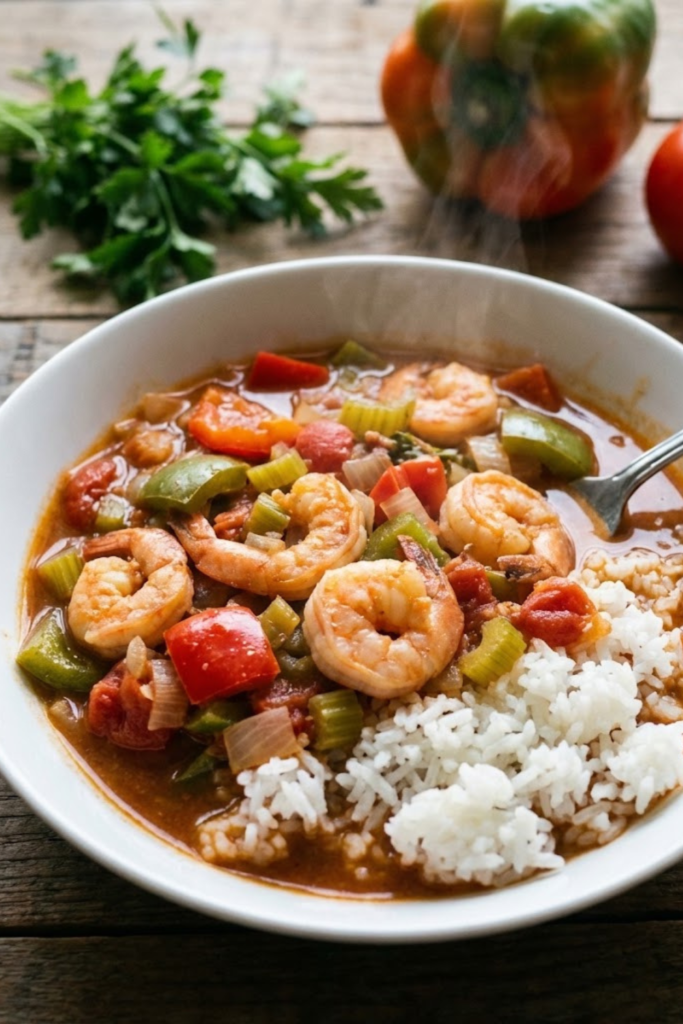
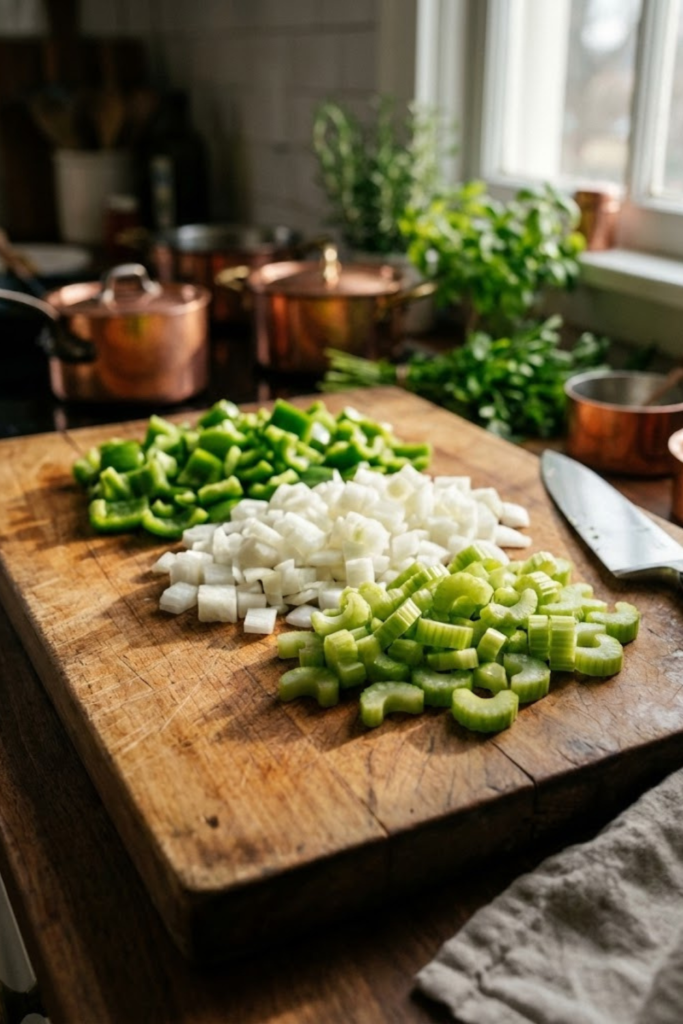
If you’re scratching your head, the Holy Trinity consists of three simple things: onions, green bell peppers, and celery. It’s the base for gumbo, jambalaya, and yes, the best shrimp creole. Unlike the French mirepoix which uses carrots, we swap those out for bell peppers. The ratio usually sits at about one part onion, one part celery, and one part pepper.
I’ve found that chopping them into uniform pieces is a total game changer. If you have big chunks of onion and tiny bits of celery, they cook unevenly. I used to rush this part, but now I put on some jazz music and take my time. It’s kinda therapeutic, actually.
Don’t Forget the Pope
Now, you can’t talk about the Trinity without bringing in “the Pope.” That’s what we call garlic down here. While the classic trio does the heavy lifting, garlic adds that punchy aroma that makes your neighbors jealous.
I usually smash about three or four cloves. Don’t add it right away, though! I’ve burned more garlic than I care to admit. It turns bitter and nasty real quick. Throw it in during the last minute of sautéing the other veggies.
Sweating, Not Browning
Here is where things can get a little tricky. When you toss your holy trinity cooking mix into the pan, you want to “sweat” them. This means cooking them over medium heat until they are soft and translucent. You aren’t looking for a dark char here.
- Use a mix of butter and oil.
- Keep the heat medium-low.
- Stir often so nothing sticks.
I like to use a tablespoon of butter with a tablespoon of olive oil. The oil stops the butter from burning, and the butter adds that rich, creamy flavor we all love.
Why This Step Matters
I’ve tried shortcuts. I’ve bought the frozen pre-chopped mix from the store. Honestly? It releases too much water and makes the sauce runny. Taking the time to chop fresh veggies releases natural sugars that balance the acidity of the tomatoes later on. It’s a labor of love, but it makes a huge difference in the final dish.
Trust me, once that aroma hits your nose, you’ll know you’re on the right track. It smells like home. So, grab your knife and get chopping—your best shrimp creole depends on it!
Selecting the Perfect Shrimp for Creole
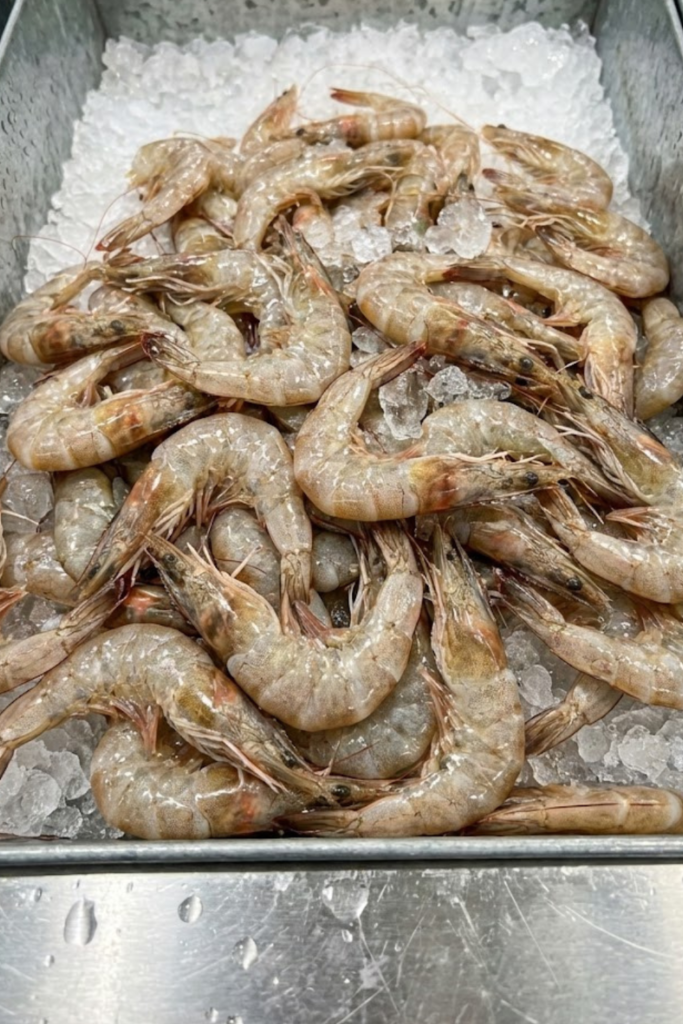
I have to tell you about a disaster I had a few years back. I was in a rush to make dinner for some friends, and I grabbed a bag of those tiny, pre-cooked salad shrimp from the freezer section. You know the ones? They are basically the size of a dime. I threw them into my pot, thinking I was saving time. By the time I served the bowls, the shrimp had practically dissolved. My guests were searching through the tomato sauce like they were panning for gold!
That was the day I learned that the best shrimp creole deserves the right protein. You can’t just toss in whatever is on sale and hope for the best.
Fresh vs. Frozen: The Great Debate
There is a lot of snobbery around seafood, but let’s be real. Unless you live right on the coast, “fresh” shrimp at the grocery store is often just thawed frozen shrimp anyway. So, don’t feel bad about buying frozen.
However, I always try to look for gulf shrimp if I can find them. They have a sweetness that farm-raised varieties just can’t match. If you are using frozen, buy them raw. Never buy pre-cooked shrimp for this dish! They will turn into rubber bullets before your veggies are even soft.
Size Definitely Matters
When you are making a hearty stew like this, you need large shrimp that can stand up to the thick sauce. I usually aim for a 21-25 count.
If you aren’t familiar with “shrimp math,” that number just means there are 21 to 25 shrimp per pound. It’s the perfect size—big enough to give you a satisfying bite, but not so huge that you need a knife and fork to eat them. I once tried using jumbo prawns, and while they looked impressive, it was actually kind of annoying to eat them with a spoon. Stick to the medium-large range for the best experience.
The Shell Game
Okay, I know what you are thinking. “Do I really have to peel and devein all these myself?” Yes, you do. I know it’s a pain. I usually stand at the sink listening to a podcast while I do it to pass the time.
But here is a pro tip that changed my life: save those shells! Don’t throw them in the trash. You can boil them in a little water for 15 minutes to make a quick shrimp stock. Using that stock instead of plain water to thin out your sauce adds an incredible layer of flavor. It’s these little steps that turn a good meal into the best shrimp creole you’ve ever tasted.
Don’t Turn Them Into Rubber
This is the most common mistake I see people make. Shrimp prep isn’t just about cleaning; it’s about timing. Shrimp cook incredibly fast—we are talking two or three minutes, tops.
If you throw your raw shrimp in at the beginning with the onions and celery, they will be tough and chewy by the time you serve dinner. I always stir them in at the very, very end. As soon as they turn pink and curl into a nice “C” shape, take the pot off the heat. If they curl into a tight “O,” you’ve gone too far!
It’s frustrating when you spend money on good seafood only to ruin the texture, so watch that pot like a hawk in the final minutes. Treat the ingredient with respect, and it will pay you back with flavor.
Spices and Seasonings: The Creole Kick
I have a confession to make. For the longest time, I thought “Creole” just meant “spicy.” I recall one specific dinner party where I dumped a mountain of cayenne pepper into my pot, thinking I was being authentic. My poor guests were sweating bullets! One guy actually had to get up and drink milk straight from the carton. It was embarrassing, to say the least.
That was when I learned that Creole seasoning isn’t just about blowing your head off with heat. It’s about a complex, herbal balance. If you want the best shrimp creole, you have to respect the herbs, not just the peppers.
The Real Difference: Cajun vs. Creole
People mix these two up constantly. I did too! But here is the easiest way to remember it: Creole food is city food (New Orleans), and it usually uses tomatoes. Cajun food is country food, and it’s generally spicier and darker.
When we are making this spicy shrimp stew, we are leaning into the Creole side. This means we want a flavor profile that is more aromatic than aggressive.
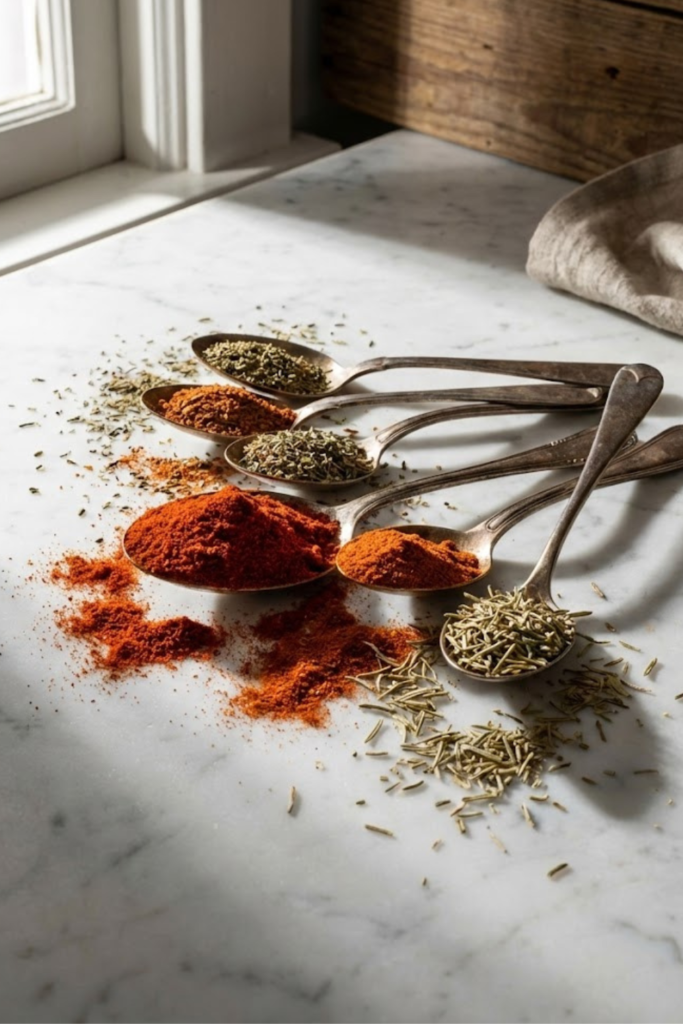
- Dried Thyme: This is non-negotiable. It adds an earthy note that cuts through the tomato.
- Dried Oregano: Just a pinch gives it that savory background.
- Bay Leaves: Throw in two of these. They add a tea-like depth that you’ll miss if it’s gone.
Controlling the Burn
Now, we do need some heat—it is Louisiana cooking, after all. But I’ve learned to layer it. I start with a teaspoon of cayenne pepper and some paprika for color.
But the real secret weapon? Tabasco sauce or Crystal hot sauce. I don’t dump it all in at once. I add a few dashes during the simmer, and then I put the bottle on the table. That way, if my Uncle Bob wants to melt his face off, he can, but the rest of us can actually taste the shrimp.
The Secret Umami Bomb
Here is a trick I picked up from an old cookbook I found at a garage sale. Worcestershire sauce. It sounds out of place, right? But adding a tablespoon of this stuff changes everything.
Tomatoes can be very one-note sometimes. The anchovies in the Worcestershire sauce add a salty, savory punch—what fancy chefs call “umami.” It deepens the flavor of the sauce instantly. It’s that “something extra” that makes people ask for the recipe.
So, please, don’t just buy a pre-mixed canister of seasoning. Build your own blend. It takes two extra minutes, but your tastebuds will thank you. Just go easy on the cayenne until you taste it!
Creating the Rich Tomato Base
I used to think that making a tomato sauce just meant opening a jar of Ragu and dumping it in a pan. Shameful, I know! But when it comes to the best shrimp creole, that jarred stuff just won’t cut it. You need to build this sauce from the ground up to get that authentic flavor that sticks to your ribs.
Canned vs. Fresh
Here is where I might upset some purists. I actually prefer using canned tomatoes for this recipe. Why? Because unless it’s the peak of summer and you grew them yourself, fresh tomatoes can be watery and bland.
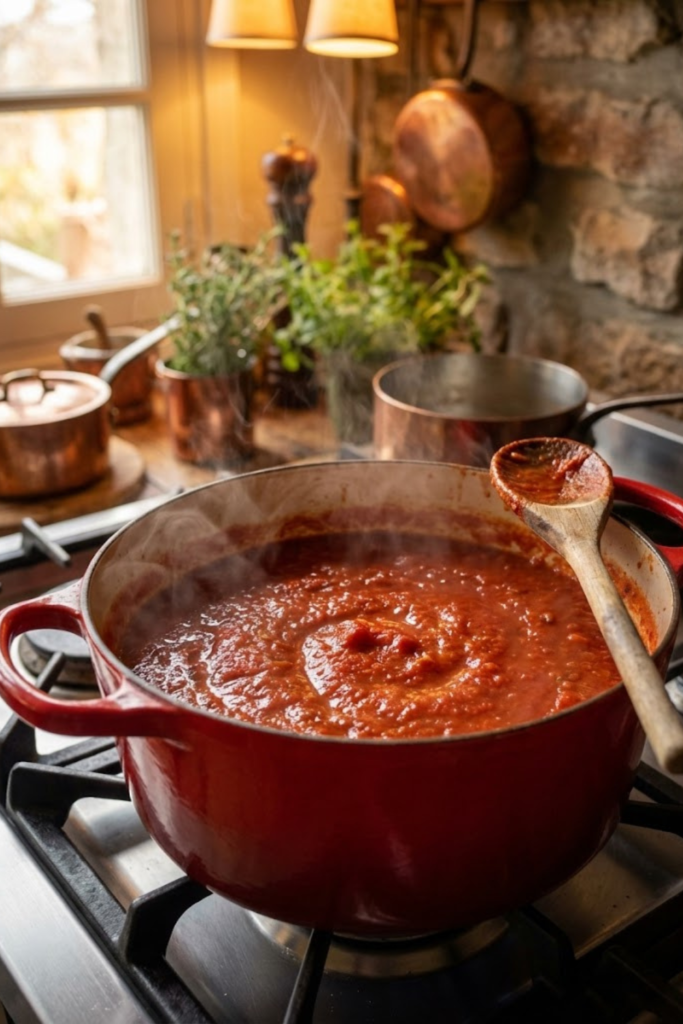
I like to use a specific combo: one can of crushed tomatoes for the body and one can of diced tomatoes for texture. If you use all crushed, it feels like soup. If you use all diced, it’s too chunky. The mix gives you that perfect, spoonable consistency that coats the rice just right.
The Simmer is Sacred
This is the part where you have to be patient. You cannot rush a tomato based sauce. I once tried to crank the heat up to “high” to get dinner on the table faster. Big mistake. The sauce scorched on the bottom, and the tomatoes tasted metallic and raw.
- Bring it to a boil, then drop it to a low simmer.
- Let it bubble gently for at least 30 minutes.
- The longer it sits, the better it gets.
During this time, the flavor base from the vegetables marries with the tomatoes. You’ll see the color change from a bright red to a deeper, brick red. That’s when you know it’s ready.
Thinning it Out
As it simmers, it’s going to get thick—like, really thick. You need some liquid to loosen it up so it doesn’t turn into paste. This is where your stock comes in.
If you made that shrimp stock from the shells earlier, use that! It’s liquid gold. But if you didn’t, chicken broth or seafood stock works just fine. I usually add about a cup, but I eyeball it. You want it to be like a gravy, not a soup.
The Sugar Trick
Here is a secret tip I learned from my grandmother. Sometimes, canned tomatoes can be incredibly acidic. It makes the sauce taste sharp and sour.
Taste your sauce after it has been simmering sauce for about 15 minutes. If it makes your lips pucker, add a pinch of sugar. Just a teaspoon usually does the trick. It cuts the acid without making the dish sweet. It balances everything out perfectly.
It’s these little adjustments that separate a decent dinner from a meal you’ll be dreaming about next week. So grab a spoon and taste as you go!
Serving and Storing Your Masterpiece
I have to tell you about a “healthy” phase I went through a few years ago. I tried to serve this dish over quinoa to save a few calories. My family looked at me like I had canceled Christmas! The nutty texture completely clashed with the sauce, and I realized right then that some traditions shouldn’t be messed with. When it comes to the best shrimp creole, the vehicle you serve it on is just as important as the stew itself.
Rice is Essential
You really need long grain rice here. Short grain gets too sticky, and brown rice is just too chewy. We want fluffy white rice that acts like a sponge for that spicy tomato gravy.
I usually make a big pot of Jasmine or basic long-grain white rice. The trick is to rinse it until the water runs clear before cooking. This removes the extra starch so you don’t end up with a gloopy mess. Mound a scoop right in the middle of a shallow bowl and ladle the sauce all around it. It’s the classic presentation for a reason.
The Finishing Touches
Don’t skip the green stuff! I used to think garnishes were just for fancy restaurants, but they actually add a necessary crunch and freshness.
- Green onions: Slice the tops of fresh scallions. The sharp, oniony bite cuts through the richness of the butter and roux.
- Parsley: A little chopped flat-leaf parsley brightens the whole plate up.
And listen, if you don’t have a loaf of crusty French bread on the table, you are doing it wrong. You are going to want to sop up every last drop of that sauce. It’s the best part! I like to toast slices with a little garlic butter beforehand. It’s carb-on-carb heaven, and I have zero regrets about it.
The Next Day Dilemma
Here is the honest truth: this dish tastes even better the next day. The spices have had time to hang out and get to know each other. Leftover storage is simple—just put it in an airtight container in the fridge. It’ll stay good for about two days.
However, reheating shrimp is where people mess up. If you nuke this in the microwave on high, your tender shrimp will turn into rubber pencil erasers. It’s heartbreaking.
Instead, pour your leftovers into a saucepan and heat it gently over low heat. If you must use the microwave, do it in short 30-second bursts and stir in between. You just want to warm it through, not cook it again. Patience pays off when you take that first bite of leftovers and realize it’s still delicious.
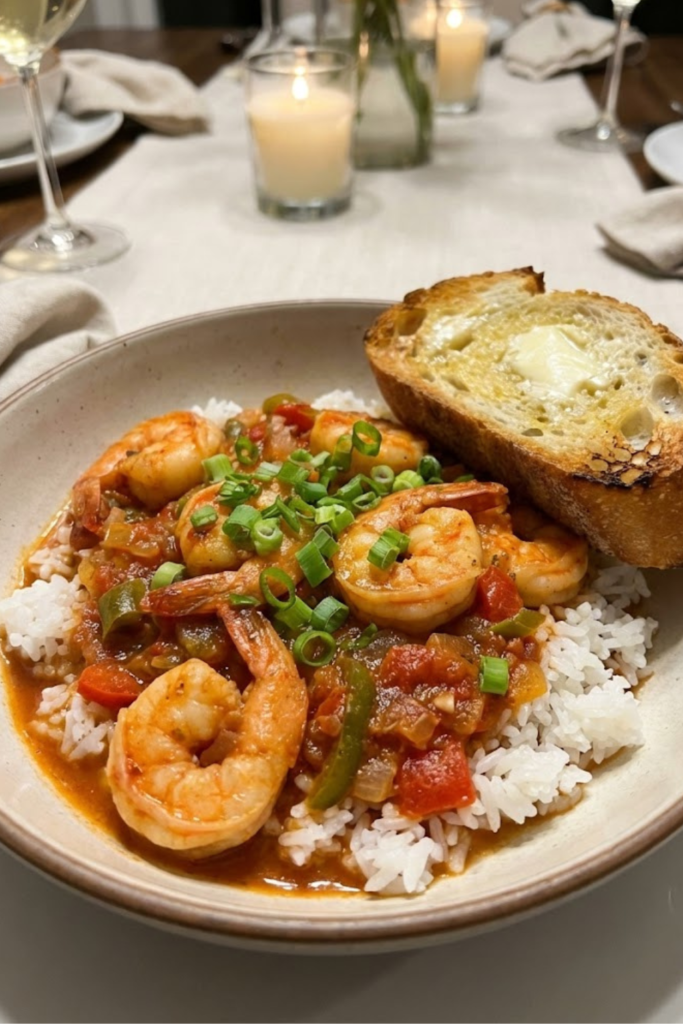
Making the best shrimp creole is all about patience and respecting the ingredients. Once you smell that Holy Trinity hitting the pan, you know you’re in for a treat that will impress anyone at your table. It’s spicy, savory, and incredibly satisfying. I hope you give this recipe a try and bring a little bit of the South into your home kitchen! Don’t forget to pin this recipe on Pinterest to save it for your next dinner party!