I have to admit, my early attempts at gluten-free baking resulted in treats that were dry enough to choke a camel! However, after experimenting with different hydration levels, I finally perfected this gluten free blueberry coffee cake using rich sour cream and a precise almond flour blend.
This recipe delivers a moist cake crumb that rivals any traditional bakery item, bursting with juicy fruit in every single bite. It is the perfect centerpiece for a cozy Sunday brunch, and I promise nobody will even guess it is gluten-free. Get your coffee brewing, because you are about to fall in love with this breakfast classic all over again!
Choosing the Right Gluten-Free Flour Blend
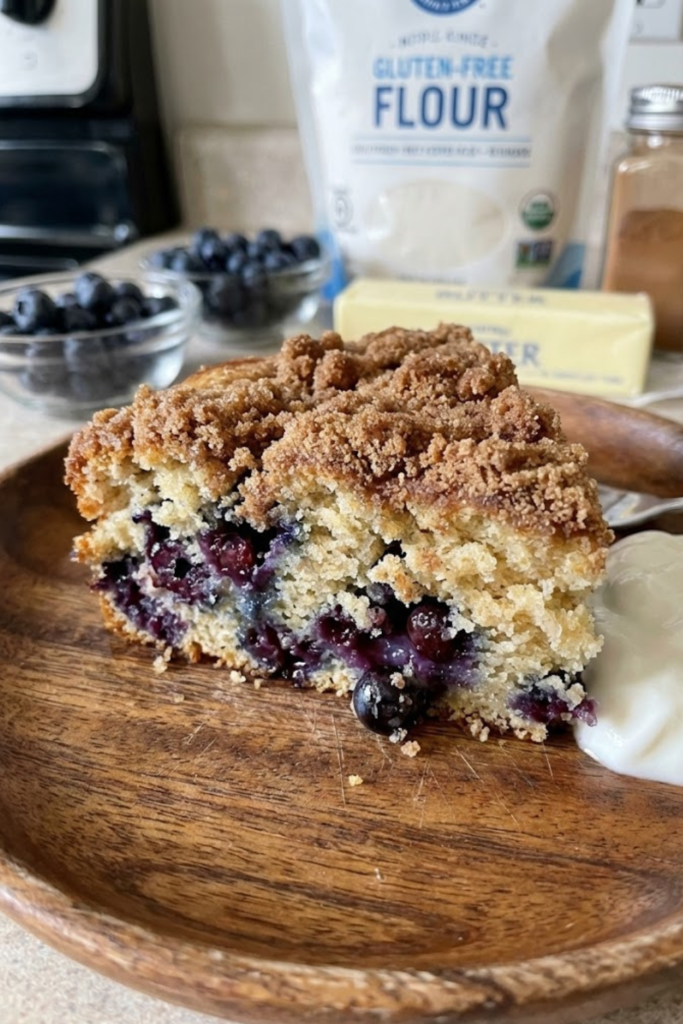
Let’s be real for a second: the baking aisle has become totally overwhelming. I remember standing there staring at twenty different bags of white powder, completely lost. When I first started baking gluten free blueberry coffee cake, I thought I could just grab a bag of rice flour and call it a day. Boy, was I wrong. That cake turned out so gritty it felt like I was eating sand at the beach.
The truth is, gluten-free baking is a bit of a science experiment. Traditional wheat flour does a lot of heavy lifting that we take for granted. It provides structure and chewiness. When you take that away, you have to replace it with a mix of things like rice flour, potato starch, and tapioca flour to get the same result.
The Magic of Xanthan Gum
If you are new to this celiac disease friendly lifestyle, you might be wondering what on earth xanthan gum is. It sounds like something from a sci-fi movie, right? But it is actually the secret ingredient that keeps your cake from falling apart. It mimics the elasticity of gluten.
Some flour blends come with it already mixed in, and some don’t. I learned this the hard way when I bought a blend without it and my cake crumbled into a pile of sadness when I tried to slice it. For this recipe, I highly recommend using a “measure-for-measure” or “1-to-1” baking blend that includes xanthan gum. It makes life so much easier. If your blend doesn’t have it, you will need to add about 1/4 teaspoon per cup of flour.
Why Weighing Matters
Okay, teacher hat on for a moment. If there is one thing I beg you to do, it is to buy a kitchen scale. I know, it feels extra. But here is the thing: gluten-free flours are super fine and can settle in the bag.
If you just dip your measuring cup in and scoop, you could end up with way too much flour. That is the number one reason why a gluten free blueberry coffee cake turns out dry and dense. We want moist and fluffy!
If you absolutely refuse to get a scale (I get it, counter space is precious), use the “spoon and level” method. Fluff the flour up with a fork, spoon it gently into your cup, and level it off with a knife. Do not pack it down! This little trick helps keep the texture light, so you aren’t eating a brick for breakfast.
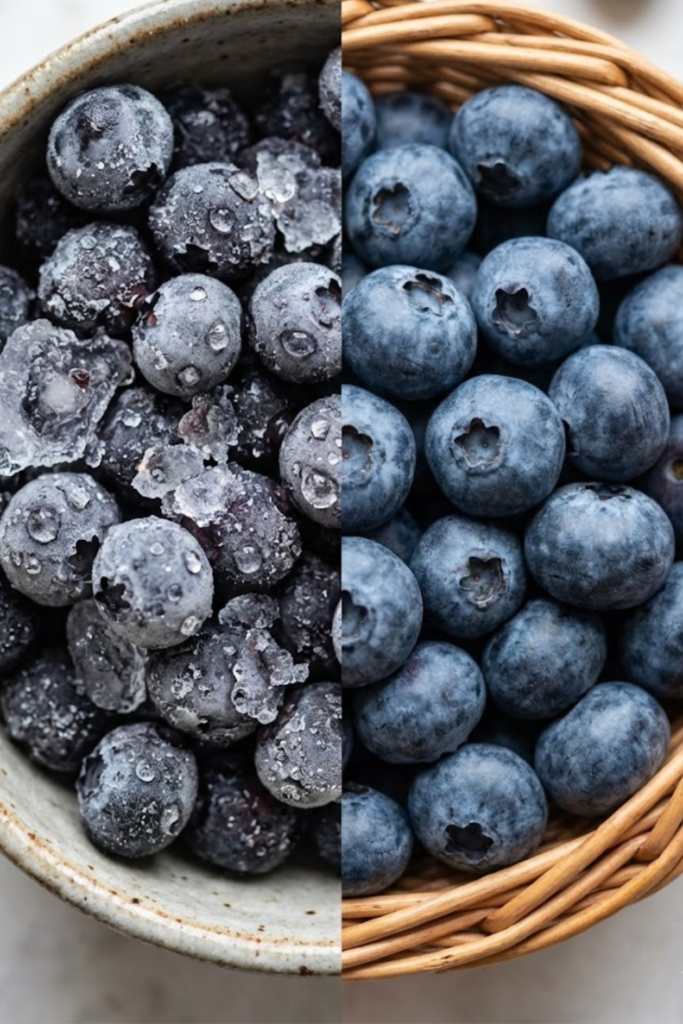
Fresh vs. Frozen Blueberries: What Works Best?
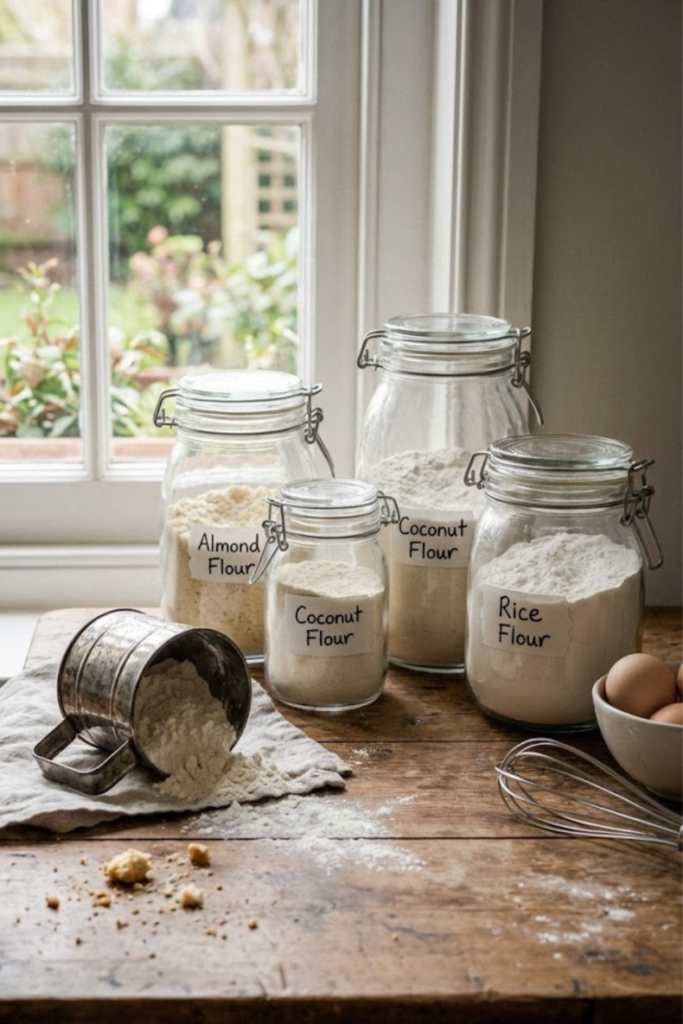
I have stood in the grocery store aisle more times than I can count, debating between the cute little carton of fresh berries and the giant, economical bag in the freezer section. When it comes to making a gluten free blueberry coffee cake, does it really matter which one you pick? Well, yes and no.
I learned this lesson the hard way a few years ago. I was trying to save a few bucks, so I grabbed a bag of frozen berries for a brunch I was hosting. I let them thaw out on the counter because I thought that was the “right” thing to do. Big mistake.
When I mixed them into the batter, the whole thing turned a scary shade of gray-purple. It looked more like a science project gone wrong than a delicious breakfast treat. It tasted fine, but visually? It was a total disaster.
Avoiding the Purple Smear
If you are going to use frozen berries, there is a specific way to handle them. The most important rule is: do not thaw them! Keep those berries in the freezer until the very last second.
You want to fold them into your batter while they are still rock hard. This minimizes the amount of juice that bleeds out into your nice yellow cake batter. The moment they start to melt, they release deep purple juice that stains everything it touches.
Also, some people suggest rinsing frozen berries to get the ice crystals off. I have tried this, and honestly, it just makes them bleed faster. Just toss them in as they are. The heat of the oven will take care of the rest.
The Sinking Berry Situation
Have you ever baked a cake where all the fruit sank to the bottom? It is so frustrating to cut a slice and see just plain cake on top and a soggy layer of fruit on the bottom. This happens because fruit is heavy and gravity is real.
To fix this, I use a little trick I learned from a friend. Before you add the berries to the batter, toss them in a small bowl with a tablespoon of your gluten-free flour blend. Just give them a quick shake until they are lightly coated in white dust.
This flour coating gives the batter something to grip onto. It creates friction that helps hold the berries in place while the cake rises. This works for both fresh and frozen fruit baking.
Texture and Flavor Differences
Personally, I think fresh berries give a slightly better texture. They tend to “pop” in your mouth a bit more and don’t add quite as much excess moisture to the cake. If you can get your hands on wild blueberries, those are the absolute gold standard.
Wild blueberries are smaller than the cultivated ones you usually see. Because they are smaller, you get more berries in every single bite. Plus, they have a more intense blueberry flavor that really shines through the sugar and cinnamon.
But look, if it is the middle of winter and fresh berries cost a fortune, don’t sweat it. Frozen berries work just fine if you treat them right. Just remember to add maybe two minutes to your baking time, since the frozen fruit lowers the temperature of the batter.
Making the Perfect Buttery Crumb Topping
I am going to be honest with you right now: the only reason I eat coffee cake is for the topping. The cake part is nice and all, but that crunchy, sugary layer on top? That is the main event. When I am slicing a piece of gluten free blueberry coffee cake, you better believe I am looking for the slice with the biggest mountain of crumbs.
When I first started baking, I made a huge error with my streusel topping. I thought, “Hey, I’ll save some time and just melt the butter.” I poured the melted butter into the sugar and flour, mixed it up, and dumped it on the cake.
Do not do this. Seriously.
Instead of those lovely, distinct crumbs, the whole thing melted into a flat, hard sheet that looked like a giant cookie. It was impossible to cut through without smashing the cake underneath. It was a tasty mistake, but it definitely wasn’t right.
Cold Butter is Key
The secret to a real bakery-style crumb is temperature. You need your unsalted butter to be cold. Like, straight from the fridge cold.
I like to cut the butter into small cubes before I even start mixing. If you use warm or melted butter, the sugar dissolves too fast, and you lose that sandy texture. You want the butter to hold its shape until it hits the oven.
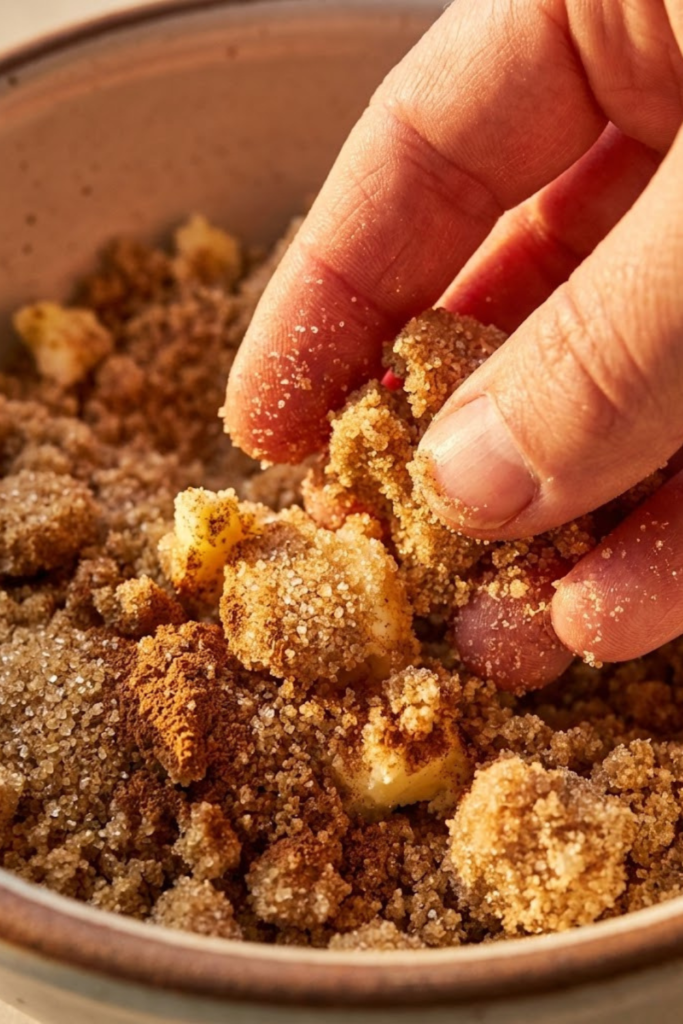
I usually toss my flour, brown sugar, and plenty of cinnamon into a bowl first. Then I throw in the cold butter cubes.
Get Your Hands Dirty
You can use a fork or a pastry cutter if you want to be fancy, but honestly? Your hands are the best tool for this.
I just get in there and start squishing the butter into the dry ingredients. You want to rub the butter between your thumb and fingers. Keep going until the mixture looks like wet sand or clumpy gravel.
You want some big chunks and some small chunks. Those big chunks are what create those pockets of cinnamon sugar goodness that stay crunchy after baking. If you mix it too much and it becomes a smooth paste, you have gone too far. Stop while it’s still messy!
The Brown Sugar Factor
Let’s talk about sugar for a second. You can use white sugar if that is all you have, but brown sugar crumble is superior.
Brown sugar has molasses in it, which adds moisture and a deeper flavor. It also helps the crumbs clump together better than white sugar does. I usually use light brown sugar, but dark brown sugar works great too if you want more of that caramel taste.
One last tip: don’t be stingy. This recipe makes a lot of topping, and you might think, “Whoa, that is too much.” Trust me, it is not. Pile it high. The cake rises up around it, and having a thick layer ensures every bite has that perfect crunch.
Step-by-Step Instructions for Moist Cake
Okay, friends, this is where the rubber meets the road. We are about to make the actual cake batter. When I first started baking gluten-free, I treated it like a race. I would just dump everything into a bowl, whisk it like a maniac, and shove it in the oven.
The result? A cake that was dense enough to build a house with.
I learned that even though there is no gluten to “overwork,” the order of operations still matters immensely. You have to treat the ingredients with a little bit of respect if you want that tender, bakery-style crumb.
The Creaming Method
First things first, get your unsalted butter out of the fridge way before you start. It needs to be soft. If you try to beat cold butter, you will just get chunks of butter floating in sugar, and that does nobody any good.
I use my stand mixer for this, but a hand mixer works too. You need to beat the butter and sugar together for at least 3 to 5 minutes. It feels like forever, I know. But you are mechanically forcing air bubbles into the fat.
This aeration is crucial because gluten-free flour is heavy. It needs all the help it can get to rise. When it is pale yellow and looks fluffy, you are good to go.
The Egg Dilemma
Here is a mistake I have made a thousand times: adding cold eggs to warm-ish butter. The second those cold eggs hit the fat, the butter seizes up and looks like cottage cheese. It is gross.
If you forget to take your eggs out (which I do, constantly), put them in a bowl of warm water for 5 minutes. Problem solved. Add the room temperature eggs one at a time, beating well after each one. Toss in your vanilla extract here too.
Alternating Wet and Dry
Now we get to the science part. You should have your dry mix (flour, baking powder, baking soda, salt) in one bowl and your wet ingredient (sour cream or greek yogurt baking alternative) ready.
We are going to do a little dance: flour, sour cream, flour, sour cream, flour. Start and end with dry ingredients.
Why? Well, gluten-free flour is super thirsty. If you dump all the liquid in at once, the flour can’t absorb it evenly, and you get a batter that separates. By alternating, you give the flour time to drink up the moisture slowly.
The batter will be thick. Like, really thick. Do not panic! It shouldn’t pour like a liquid cake batter; it should be more scoopable, almost like a soft cookie dough.
Baking and the Toothpick Test
Once you spread that batter into your springform pan (greased well!), pile that crumb topping on. Pop it into the oven.
Here is the hard part: do not open the oven door! Every time you peek, you let heat out, and your cake could sink in the middle. I have cried over sunken cakes before; it is not fun.
After about 40 minutes, start checking. Use the toothpick test. Poke it right in the center. If it comes out with wet batter, it needs more time. If it has a few moist crumbs clinging to it, take it out immediately!
If you wait until the toothpick is perfectly clean, you have overbaked it. The cake continues to cook a little bit on the cooling rack, so pulling it when it is just barely done is the secret to keeping it moist.
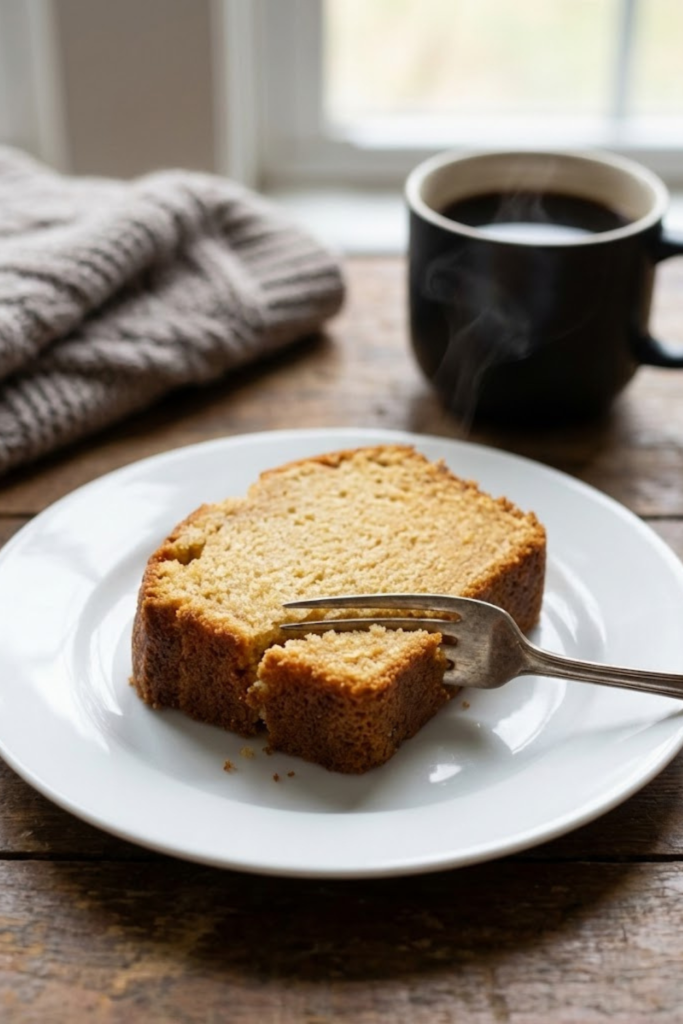
Well, we made it to the finish line! I hope your kitchen smells as amazing as mine does right now. Finding a gluten free blueberry coffee cake that doesn’t taste like cardboard is a huge win in my book. Whether you used fresh berries or the frozen ones we talked about, I bet it looks fantastic.
This cake has become a staple in my house for a reason. It is reliable, it is delicious, and that crisp cinnamon sugar topping is just unbeatable. It really is the ultimate breakfast cake.
If you have any leftovers (which is pretty rare around here), just wrap them tightly in plastic wrap or store them in an airtight container. The fruit keeps the crumb moist for a couple of days, so it is perfect for a quick breakfast on Monday morning.
If this recipe saved your Sunday brunch, please do me a huge favor and Pin it to your gluten free baking board on Pinterest! It really helps others find the recipe and start their mornings off right. Now, go pour yourself another cup of coffee and enjoy that slice. You earned it!