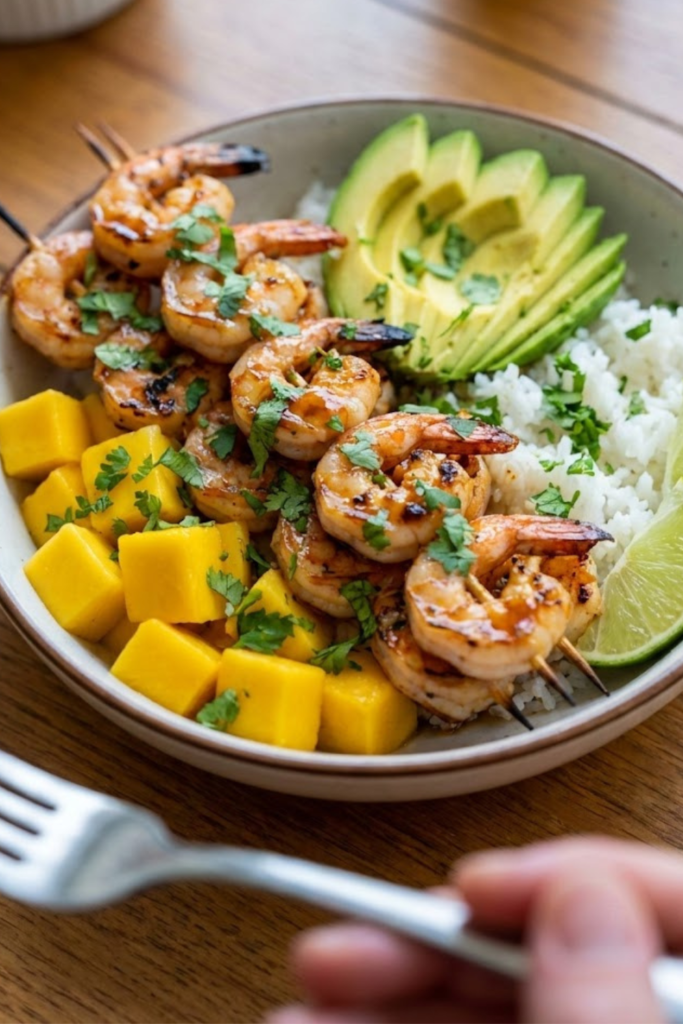
Honestly, I almost cried last Tuesday when I opened the fridge and saw the same sad leftovers staring back at me; I just needed a vacation, or at least a dinner that didn’t taste like a rainy Tuesday in November. That’s exactly when I decided to throw together this tropical shrimp rice bowl, and let me tell you, it was a total game-changer that transported my taste buds straight to a beach chair! I used to be terrified of cooking seafood at home—I once turned gorgeous shrimp into rubbery tires because I marinated them way too long in lime juice (oops)—but I’ve finally cracked the code for the juiciest, zestiest shrimp that practically cooks itself in minutes. This bowl is packed with sweet mango salsa, fluffy coconut rice, and a chili-lime kick that wakes you up, making it one of those easy seafood recipes that actually feels fancy enough for a weekend but is quick enough for a manic Monday. If you are looking for healthy dinner ideas that don’t taste like cardboard, you’re in the right place, because this bowl is pure sunshine in a dish.
Choosing the Best Shrimp for Your Bowl
I have to be honest with you guys; for the longest time, I was totally intimidated by the seafood counter. I’d stand there staring at the ice, wondering if the guy behind the glass was judging me for not knowing the difference between a prawn and a shrimp. I actually used to buy those tiny, pre-cooked salad shrimp for my stir-frys because I was scared of undercooking raw ones. Big mistake. Those little guys turn into rubbery pencil erasers the second they hit heat! Through plenty of trial and error (and some very chewy dinners), I’ve learned exactly what to grab for the perfect tropical shrimp rice bowl.
Fresh vs. Frozen: The Cold Hard Truth
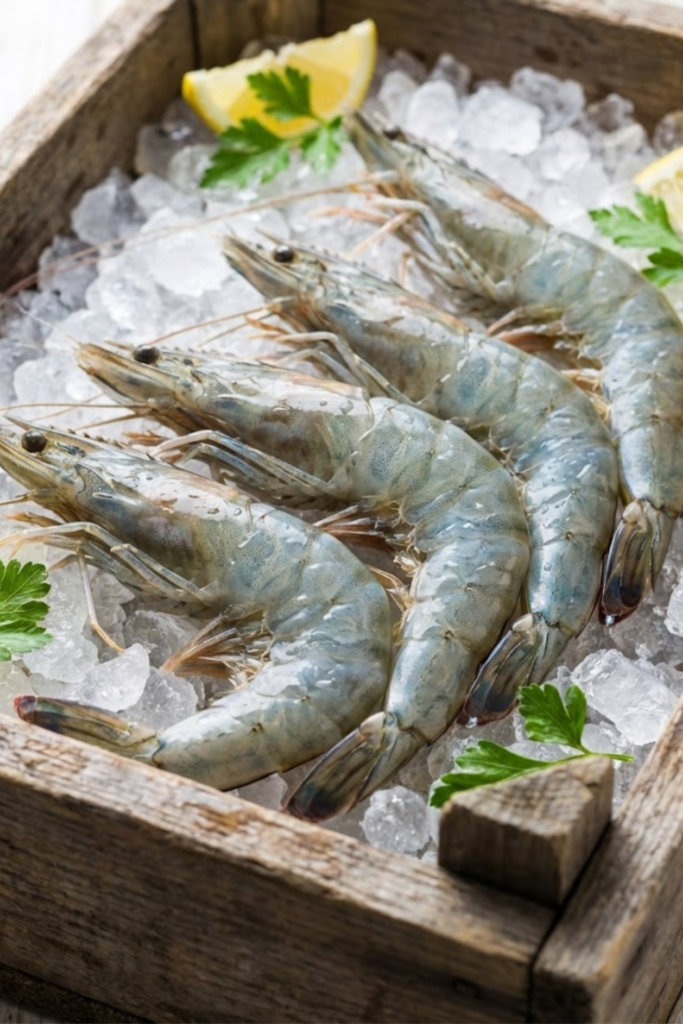
Here is a little secret the grocery stores don’t really advertise: that “fresh” shrimp sitting on the ice? It was likely frozen on the boat and just thawed out in the store. Unless you live right on the coast, “fresh” isn’t always best.
I actually prefer buying bags of frozen shrimp now. Look for “IQF” (Individually Quick Frozen) on the bag. This locks in the freshness immediately. Plus, it gives you way more control. You can thaw exactly what you need for your easy seafood recipes under cold running water in about 10 minutes. I’ve saved so much money doing this instead of paying the premium at the counter.
Size Matters (Seriously)
When making a tropical shrimp rice bowl, you want the protein to be the star, not some hidden afterthought. Don’t grab the small or medium bags. You want “Large” or “Jumbo” shrimp.
Look for the numbers on the bag, like “21/25” or “16/20.” This tells you how many shrimp are in a pound. The smaller the number, the bigger the shrimp. I usually go for the 16/20 count. They stay juicy when you sear them and don’t dry out as fast as the little ones. I remember trying to grill medium shrimp once for a party; half of them fell through the grate and the other half were dry as bone. It was a disaster!
To Peel or Not to Peel?
If you are in a rush on a Tuesday night, buy the “EZ Peel” or already peeled and deveined shrimp. Deveining shrimp is basically taking out the digestive tract (yes, the poop shoot), and it is not my idea of a fun time.
However, if I’m feeling fancy or saving money, I buy shell-on. Cooking them in the shell keeps them incredibly moist, but it’s messy to eat in a rice bowl. My advice? Buy peeled and deveined, but with the tail on. It looks prettier in the bowl and gives you a nice handle if you decide to dip them. Just make sure the package says “raw,” not “cooked.” Pre-cooked shrimp will not absorb that delicious marinade we are going to make.
Wild-Caught vs. Farmed
I try to grab wild-caught American shrimp whenever my budget allows it. The flavor is sweeter and just tastes “cleaner” to me. Farmed shrimp can sometimes have a muddy taste depending on where they are from. But hey, I’m a teacher, not a millionaire. If farmed is what’s on sale, that is what I am buying! The marinade in this recipe is strong enough to make any shrimp taste amazing.
Mastering the Zesty Lime Marinade
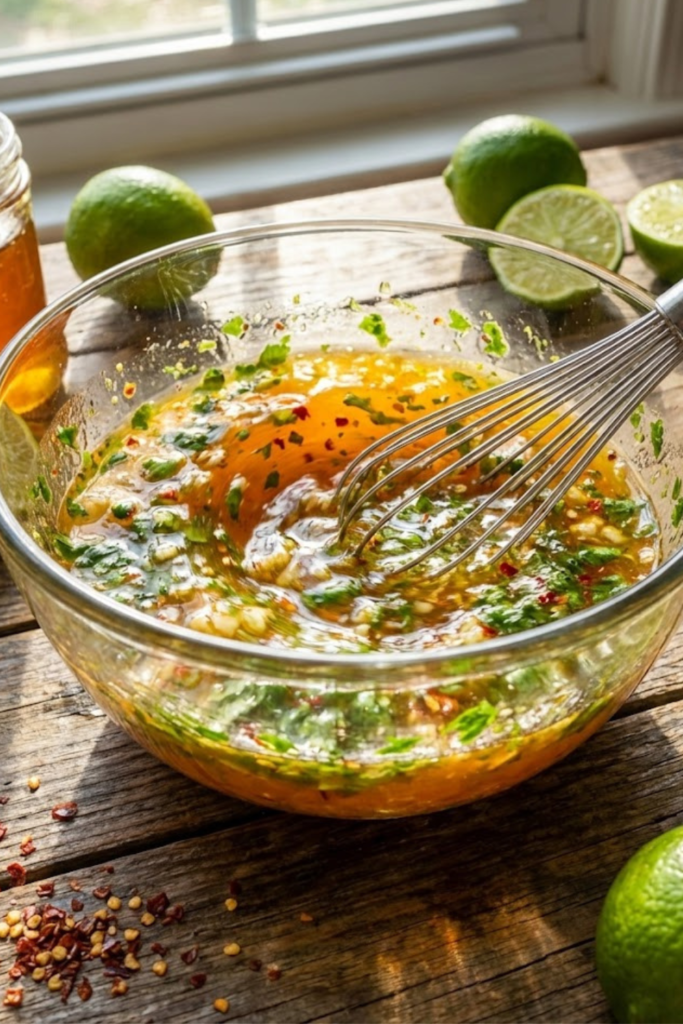
Let’s be real for a second: the marinade is what makes or breaks this entire dish. I used to think that marinating was just tossing some stuff in a bag and hoping for the best, but I was so wrong. The first time I tried to make a tropical shrimp rice bowl, I created a total disaster. I thought, “Hey, if 30 minutes is good, overnight must be better, right?” Wrong. I woke up to shrimp that were basically cooked by the lime juice—it’s called denaturing, apparently—and they had the texture of wet chalk. It was heartbreaking to throw that bag in the trash, but lesson learned!
The 15-Minute Rule
Here is the most important thing I can tell you: do not over-marinate your shrimp. This isn’t steak or chicken. Shrimp are delicate little things.
The acid in the lime juice works fast. If you leave them swimming in that shrimp marinade lime mixture for too long, they start to turn mushy. I’ve found the sweet spot is exactly 15 to 20 minutes. That is literally just enough time to chop your veggies or get your rice started. Any longer than 30 minutes, and the texture gets weird. Trust me, I’ve ruined enough dinner parties to know this for a fact.
Balancing the Heat and Sweet
For this recipe, we are going for a flavor that punches you in the mouth (in a good way). I use a mix of olive oil, fresh lime juice, garlic, and honey.
The honey is crucial here. I once forgot it and just used chili and lime, and the result was way too sour and sharp. You need that little bit of sugar to get nice caramelization when the shrimp hits the hot pan. For the heat, I usually grab red pepper flakes, but if I’m feeling brave, I’ll chop up a fresh jalapeño. If you want a really spicy shrimp marinade, add a dash of sriracha. It adds a nice color, too.
Don’t Skimp on the Garlic
I am a garlic girl. The recipe might call for two cloves, but my heart usually tells me to add four. When you mince the garlic, try to get it really fine or use a press.
You don’t want big chunks of raw garlic burning in the pan before the shrimp is done. I usually smash the cloves with the side of my knife first to get the oils releasing. It makes the kitchen smell incredible instantly. Just toss everything into a large bowl or a Ziploc bag—I prefer the bag because it’s one less dish to scrub later.
The Oil Matters
Don’t just use any old oil you have sitting in the back of the cupboard. I use a decent olive oil because it adds a grassy, rich flavor that pairs perfectly with the zesty shrimp.
If you use a neutral oil like canola, you lose a layer of flavor. We want every part of this bowl to taste like a vacation. Shake that bag up until every shrimp is coated, then let it sit on the counter while you prep. Don’t put it back in the fridge; cooking cold shrimp in a hot pan cools the pan down too fast and they won’t sear properly. Room temperature is the way to go for that perfect golden crust.
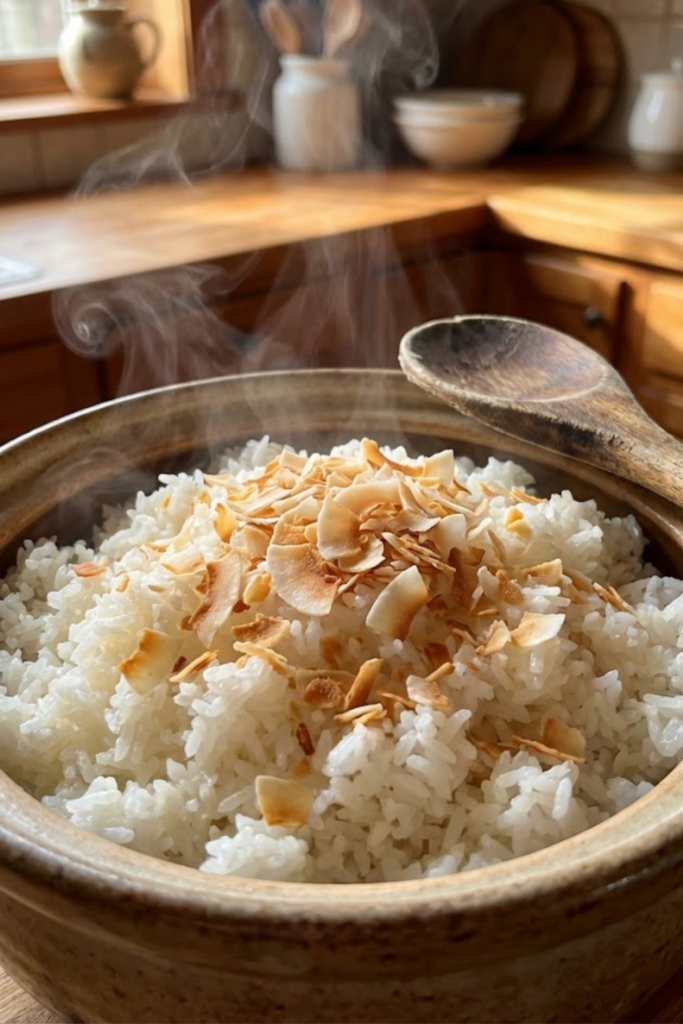
Making Fluffy Coconut Rice
I used to think rice was the easiest thing in the world to cook. I mean, it’s just grain and water, right? Boy, was I humbled quickly. My first attempt at coconut lime rice resulted in a sticky, gloopy mess that looked more like wallpaper paste than dinner. My kids took one look at it and asked if we could order pizza. It was a low point. But after ruining a few saucepans (and my ego), I finally figured out the trick to getting that restaurant-quality fluffiness without losing your mind.
The Great Grain Debate: Jasmine vs. Basmati
First things first, you gotta pick the right grain. For a tropical shrimp rice bowl, you really want to use Jasmine rice. It has this natural floral scent that pairs so well with coconut.
I tried using Basmati once because that’s all I had in the pantry. It was… okay. But Basmati is a bit drier and separates more. Jasmine sticks together just enough to hold onto that sauce but isn’t mushy if you cook it right. It’s the superior choice here, hands down. Just don’t use Instant Rice. Please. I beg you. It just won’t soak up the coconut milk the same way.
The Rinse is Mandatory
Here is where I messed up for years. I used to dump the rice straight from the bag into the pot. You cannot do that!
You have to rinse your rice. Put it in a mesh strainer and run cold water over it. You’ll see cloudy, milky water coming off—that is excess starch. That starch is the enemy of fluffy rice. It’s what makes it turn into a solid brick of glue. Wash it until the water runs clear. It takes about two minutes, which feels like an eternity when you’re hungry, but it is worth it. I usually stand there zoning out, thinking about grading papers, while the water runs.
The Secret Liquid Ratio
Okay, here is the magic formula. If you cook rice in only coconut milk, it can get too heavy and sometimes the fat separates nicely… or it burns.
I use a mix. For every cup of Jasmine rice, I use one cup of light coconut milk and about 3/4 cup of water. Why light? Full-fat coconut milk is amazing, but sometimes it makes the rice a bit greasy for a weeknight dinner. Light milk gives you the flavor without the heaviness. Also, add a pinch of salt and a teaspoon of sugar. It sounds weird, but the sugar brings out the coconut flavor. It doesn’t make it a dessert, I promise.
The “Don’t Touch It” Rule
Once that lid goes on, do not lift it. I have a bad habit of peeking. “Is it done yet?” “Is it burning?”
Every time you lift the lid, you let the steam out, and the temperature drops. Then you end up with rice that is crunchy in the middle and mushy on the outside. Set a timer for 15 minutes, turn the heat to low, and walk away. Go fold laundry or stare at your phone. When the timer goes off, kill the heat and let it sit for another 10 minutes. This “steaming” step is crucial for easy rice bowls. Then, fluff it with a fork. If you use a spoon, you mash the grains. Use a fork to gently separate them.
It’s honestly satisfying to see perfectly fluffy grains. It’s a small victory, but I’ll take it.
Prepping the Fresh Mango Salsa
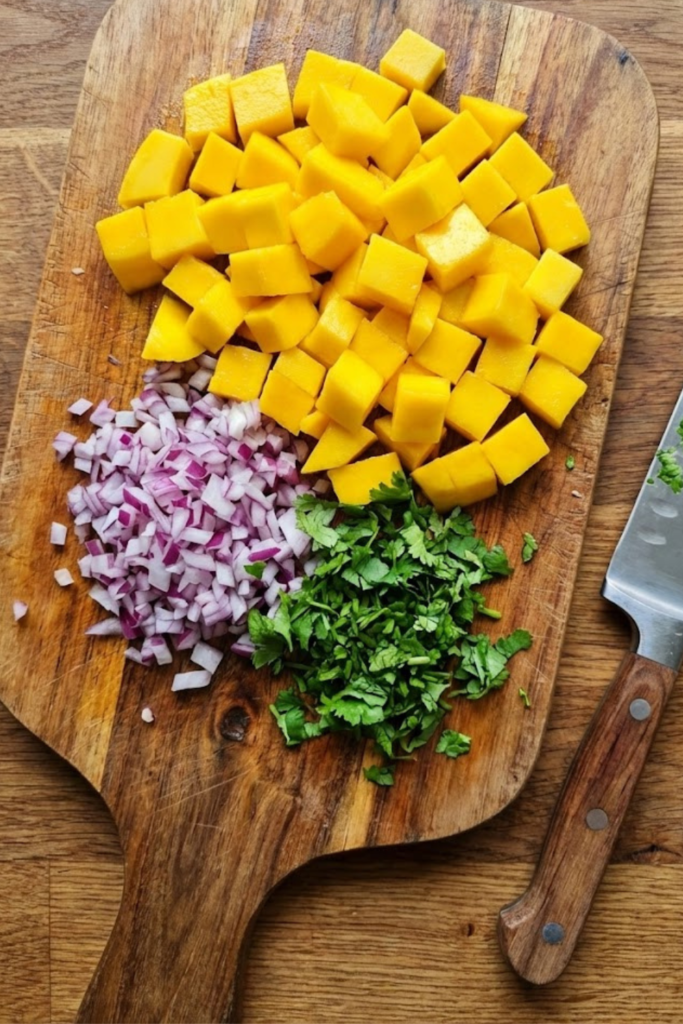
I have a love-hate relationship with mangoes. I love eating them, but I used to dread cutting them. There was this one time I was trying to impress a date with a fancy dinner, and the mango was so slippery it shot out from under my knife and landed on the floor. Talk about a mood killer. But once I got the hang of it, I realized that fresh mango salsa is the thing that ties this whole bowl together. It cuts through the rich coconut rice and spicy shrimp like magic. Without it, the bowl is just… heavy.
The Squeeze Test: Picking a Winner
Finding a good mango at the grocery store can feel like gambling. Sometimes they are hard as rocks; other times, they are total mush inside. I’ve wasted so much money on fruit that tasted like cardboard.
Here is what I look for now: ignore the color. The red or green skin doesn’t tell you much about ripeness. You have to squeeze it gently. It should give a little bit, kind of like a ripe peach or an avocado. If your thumb sinks in, put it back; it’s overripe. If it’s rock hard, you can still buy it, but you’ll need to let it sit on your counter for a few days. I usually buy mine two days before I plan to make these summer meal prep bowls just to be safe.
The “Hedgehog” Method
Cutting a mango without losing a finger is a skill. They are slippery little suckers. I stopped trying to peel them first—that is a rookie mistake I made for years.
The pit in the middle is flat and oblong, which is annoying. I stand the mango up and slice off the “cheeks” on either side of the pit. Then, I take a small knife and cut a grid pattern into the flesh, being careful not to cut through the skin. Then you invert it (turn it inside out), and it looks like a hedgehog. Slice the cubes off, and you are done. It’s way less messy, though I still end up eating the scraps off the pit over the sink. It’s the cook’s treat, right?
Adding the Crunch
Mango on its own is soft, so you need something to wake up your mouth. I always add diced red onion and red bell pepper.
The red onion provides a sharp bite that balances the sugar in the fruit. If you are sensitive to raw onion (my stomach sometimes hates me for it), you can soak the chopped onion in cold water for ten minutes to mellow it out. It really works. The red pepper adds that satisfying crunch. Visually, this makes for incredibly colorful meals, which I swear taste better just because they look pretty. We eat with our eyes first, after all.
The Cilantro Situation
I know, I know. Some people have that gene where cilantro tastes like soap. If that is you, I am so sorry, because cilantro is the heartbeat of this salsa.
For the rest of us, chop up a big handful. Don’t worry about being perfect; rustic is better. Toss it all in a bowl with a squeeze of lime juice and a pinch of salt. The salt draws out the juices from the fruit, making a natural dressing. I usually let this sit in the fridge while I cook the shrimp so the flavors can get to know each other. It’s a simple side that transforms healthy dinner ideas into something you actually crave.
Assembling Your Tropical Masterpiece
I used to just dump everything into a bowl and stir it up like I was feeding a toddler. It all tastes the same in the stomach, right? Well, yes, but I learned the hard way that presentation actually changes how you experience the meal. I remember serving a tropical shrimp rice bowl to my sister once where I had mixed the hot rice with the cold salsa beforehand. By the time she ate it, the salsa was lukewarm and mushy, and the rice was soggy. It was a texture nightmare. I was so embarrassed I ordered us takeout instead. Since then, I treat assembly like an art form (even if I’m just eating in my sweatpants).
The Layering Strategy
There is actually a method to the madness of building the perfect bowl. You have to start with a solid foundation of that warm coconut lime rice.
I like to scoop it to one side rather than covering the whole bottom. This leaves room for the greens or slaw on the other side. If you put the greens directly on top of steaming rice, they wilt instantly. Nobody likes slimy lettuce. Place your hot zesty shrimp right on top of the rice. This keeps the heat concentrated in one zone. It keeps the hot stuff hot and the cold stuff cold, which is crucial for the mouthfeel.
The Avocado Factor
We need to talk about the avocado. It is the diva of the produce world. It’s perfect for about five minutes, and then it turns brown and sad.
Do not slice your avocado until you are literally about to eat. I used to slice them during prep time, and by dinner, they looked unappealing. Slice it last and fan it out over the top. It adds that creamy richness that makes this feel like a healthy dinner idea that isn’t depriving you of joy. If you are saving leftovers, squirt some lime juice on the avocado slices to keep them green a little longer.
Don’t Forget the Drizzle
A dry bowl is a sad bowl. Even with the juicy salsa and marinated shrimp, you need a sauce to tie it all together.
I am obsessed with making a quick sriracha mayo. It is just mayonnaise, a squeeze of sriracha, and a drop of lime juice. Drizzle it over the top in a zigzag pattern. It adds a creamy heat that complements the sweet mango perfectly. If you are watching calories, just use the leftover marinade (boiled first!) or extra lime juice. But honestly, the mayo is worth it. It makes the dish feel restaurant-quality.
Meal Prep Like a Pro
If you are making these as meal prep bowls for work lunches, listen up. Do not pack the salsa and avocado in the same container as the shrimp and rice.
I made this mistake when I first started teaching. I microwaved the whole container. Hot mango salsa is… interesting, but not in a good way. Use a bento-style box or keep the cold rice bowl toppings in a separate baggie. Heat the shrimp and rice, then dump the cold toppings on after. It keeps everything fresh and crisp, and your coworkers will be jealous of your lunch while they eat their sad sandwiches.
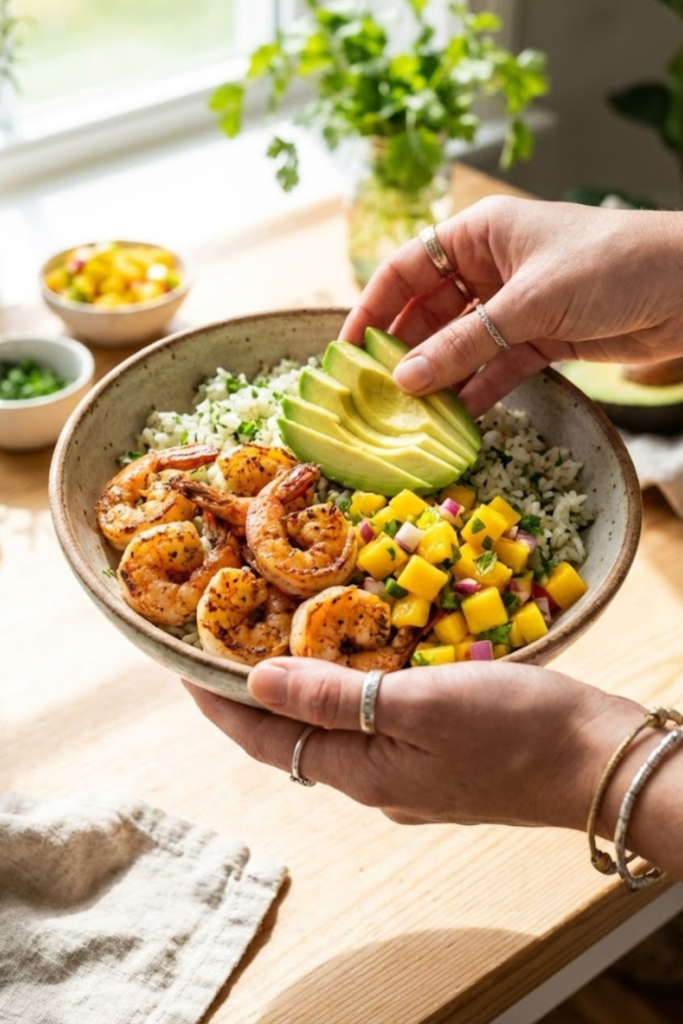
Honestly, getting dinner on the table during a busy week feels like winning a marathon sometimes. That is why I keep coming back to this tropical shrimp rice bowl. It is fast, it is fresh, and it doesn’t leave me with a mountain of dishes to scrub. Whether you are looking for summer comfort food or just need to brighten up a gloomy Tuesday, this recipe has your back.
Go ahead and give it a try—you might just fool yourself into thinking you’re on a beach somewhere!
If you loved this recipe, do me a huge favor and pin it to your “Healthy Dinners” board on Pinterest! It helps other hungry people find it, and I’d really appreciate it.