I used to be absolutely terrified of cooking fish. Seriously, I thought I’d dry it out or leave the house smelling like a bait shop for days! But then I discovered this Sheet Pan Maple Dijon Glazed Salmon, and everything changed. It is officially my “I’m tired but want to eat like a queen” meal. The sauce? It’s sticky, sweet, sharp, and honestly, life-changing! We are talking about a dinner that comes together faster than you can decide on a movie to watch. 2026 is the year we stop overcomplicating healthy eating, right? Let’s dive into this flaky, flavorful goodness that requires almost zero cleanup.
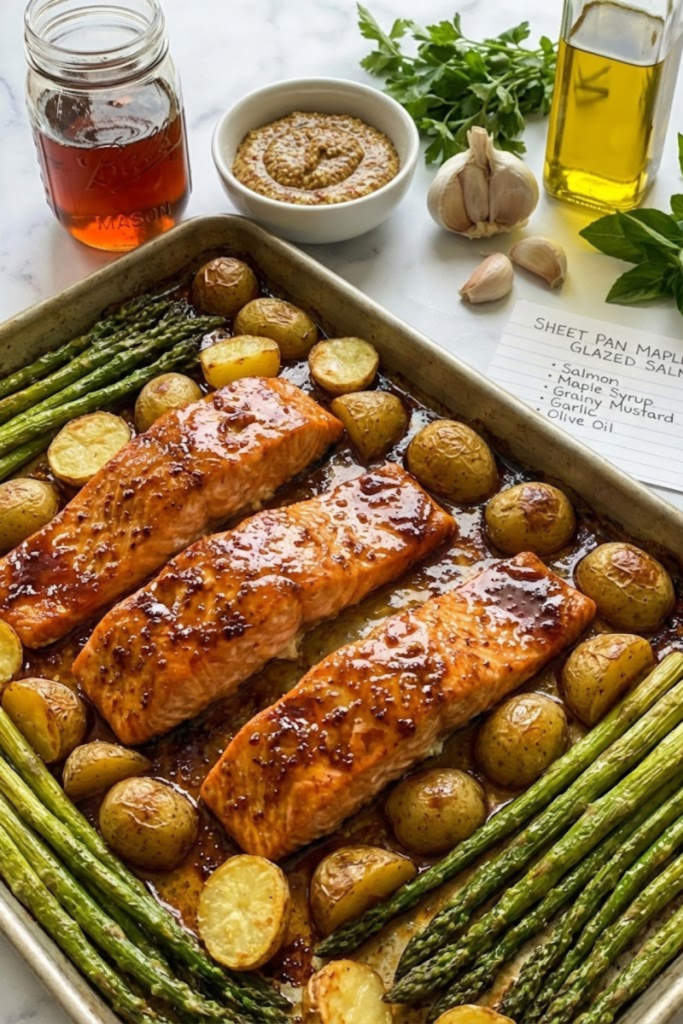
Why This Maple Dijon Glaze Works So Well
I have to be honest with you—I used to be totally intimidated by cooking fish at home. For years, my salmon came out one of two ways: dry as cardboard or completely flavorless. It was frustrating! I remember specifically one Tuesday night, staring at a pale, sad piece of fish on my plate and thinking, “There has to be a better way to do this.” That’s when I started messing around with glazes.
And let me tell you, this specific maple dijon combo? It is an absolute game-changer. It’s not just about dumping sauce on fish; it’s about how these specific ingredients play nicely together in the oven.
The Sweet and Sour Balancing Act
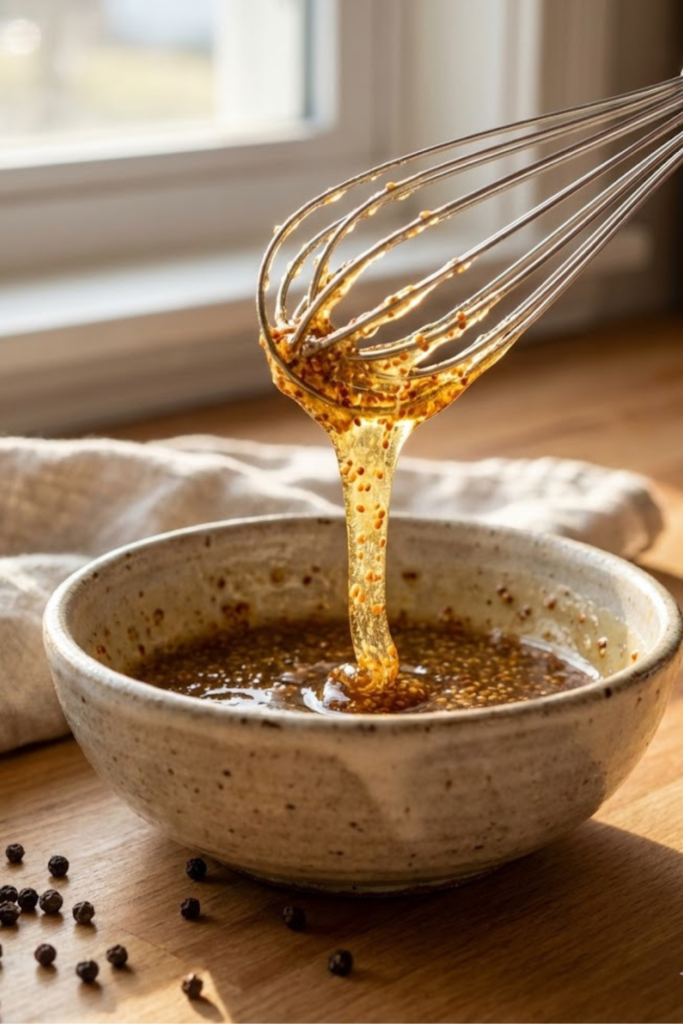
The magic here is really simple science. You have the maple syrup, which is obviously super sweet, and you have the Dijon mustard, which brings that sharp, acidic punch. When you mix them, they cancel out the extremes of each other. You don’t get a dessert-sweet fish, and you don’t get a nose-burning mustard taste.
I learned the hard way that you need the right ratio, though. The first time I tried this, I just eyeballed it and went way too heavy on the mustard. My kids took one bite and made “the face.” You know the one. I felt terrible! But now I stick to a balanced ratio that keeps everyone happy. It creates a savory glaze that hits every taste bud.
That Sticky Caramelization
Here is the part that makes this recipe restaurant-quality. When you put pure maple syrup under high heat, the sugars start to caramelize. This is what gives you that beautiful, sticky coating that clings to the salmon fillets.
If you use low heat, the sauce just slides off and pools in the pan. I’ve done that mistake plenty of times. The trick is committing to that higher temperature so the glaze sets up. It creates a texture that is slightly crisp on the edges but keeps the salmon moist and tender on the inside.
It’s Not Just for Fish
While we are talking about sheet pan salmon, I gotta say, this sauce is a workhorse in my kitchen. Once I nailed the recipe, I started putting it on everything. It works wonders on roasted chicken thighs or even pork chops.
But it shines best on salmon because the richness of the fish needs something acidic to cut through it. The fat content in the salmon fillets pairs perfectly with the sharpness of the mustard. It’s a match made in heaven, seriously.
A Sneaky Health Bonus
I try not to preach about health too much because I just want food to taste good. But it is nice knowing that maple syrup has some actual antioxidants, unlike refined white sugar. Plus, when you pair it with the Omega-3 fatty acids in the salmon, you are looking at a meal that’s actually good for your heart.
It feels good to serve something that tastes like a cheat meal but is actually fueling your body right. And hey, if it gets my family to eat their seafood without complaining, I consider that a massive victory!
Essential Ingredients for the Perfect Sheet Pan Salmon
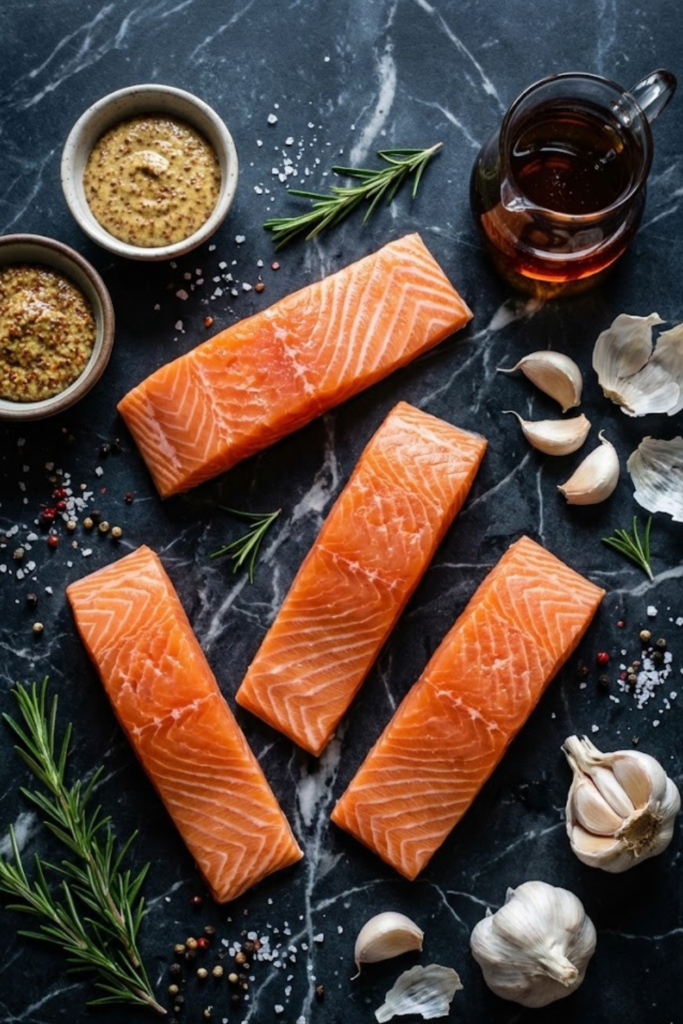
Okay, let’s talk groceries. I used to think that to make a fancy dinner, I needed a cart full of expensive, hard-to-find ingredients. I would wander the aisles for an hour, totally confused. But the beauty of this sheet pan salmon is that you really only need a handful of things.
However, quality matters here. Since there are so few ingredients, there is nowhere for the bad stuff to hide! I learned this the hard way when I tried to use cheap, bottled lemon juice instead of fresh. Yuck. Never again.
Choosing Your Salmon
The star of the show is obviously the fish. When I’m at the store, I try to look for wild-caught salmon if my budget allows it. It just has a better flavor and color than the farm-raised stuff. But honestly, use what you can afford! We are feeding a family, not food critics.
One big mistake I used to make was buying skinless fillets. I thought it would be easier. Wrong! Keeping the skin on helps protect the meat from drying out in the oven. It acts like a little heat shield. Plus, if you like crispy skin salmon, it is a delicious bonus. Just ask the fishmonger to cut it into portions for you so you aren’t fighting a whole fish with a dull knife at 6 PM.
The Mustard Matters
Please, I beg you, do not use that bright yellow stuff you put on hot dogs. It just doesn’t work here. I tried it once when I was out of Dijon, and it was… interesting. And not in a good way.
For the best glaze, I use a mix. I grab smooth Dijon to help everything emulsify (a fancy word for mix together nicely). Then, I add whole-grain mustard for those little popping seeds that give great texture. It makes the dish look fancy without any extra effort. If you only have one, stick with the Dijon. It’s the backbone of the flavor.
Vegetable Additions
Since we are doing a one-pan meal, you want veggies that cook at the same speed as the fish. I learned this lesson when I tried to roast big chunks of potatoes with my salmon. The fish was done in 15 minutes, but the potatoes were still raw rocks. disaster!
Now, I stick to fresh asparagus, green beans, or cherry tomatoes. They roast up perfectly in that 12-15 minute window. If you really want potatoes, cut them super small or roast them for a bit before adding the fish. But on a busy Tuesday? I’m sticking to the quick stuff.
Seasoning Staples
Finally, don’t skimp on the basics. Fresh garlic makes a huge difference compared to the jarred stuff. I usually smash a few cloves right into the glaze. And always, always season your fish with salt and cracked black pepper before brushing on the sauce.
It’s tempting to just pour the sauce on and hope for the best, but that base layer of seasoning is crucial. It brings out the natural richness of the salmon. Trust me, these little details are what turn a “meh” dinner into a “wow” dinner.
Step-by-Step: How to Make Glazed Salmon Without the Mess
I have a confession to make: I absolutely detest doing dishes. Like, I would rather fold fitted sheets than scrub a baking sheet with burnt-on sauce. That is exactly why I love sheet pan dinners. But let me tell you, I learned the hard way that “one pan” doesn’t always mean “easy cleanup” if you don’t prep right.
I remember making this the first time without lining my pan. I spent twenty minutes scrubbing caramelized sugar off the metal while my family was watching a movie. It was so frustrating! Now, I have a system down that makes cleanup take literally ten seconds.
Prep the Pan (Do Not Skip This)
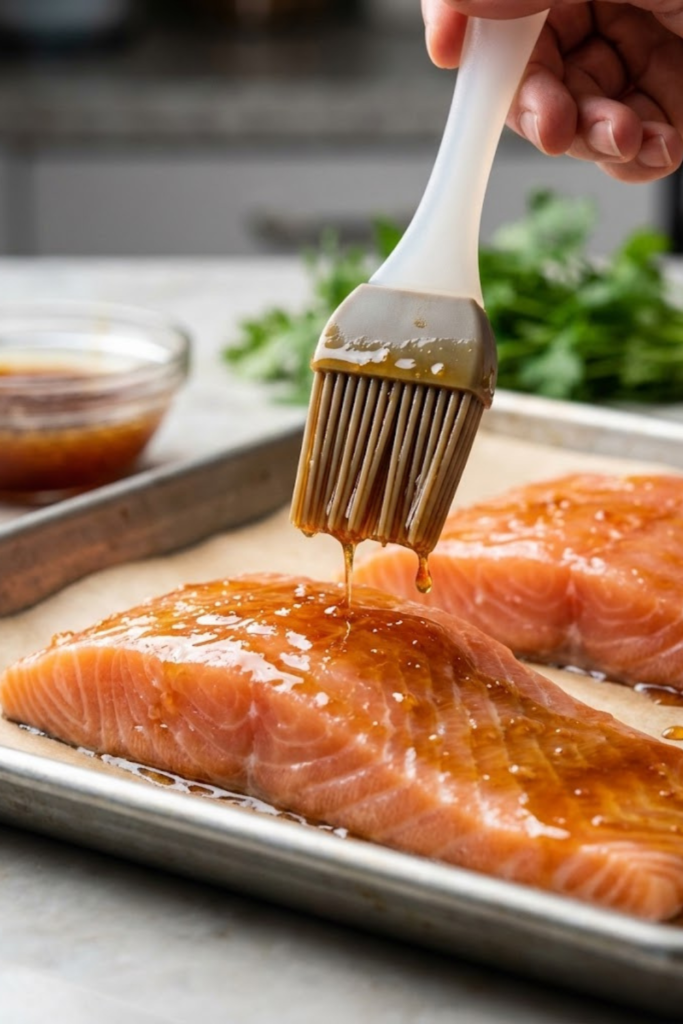
First things first, grab your baking sheet and line that bad boy. You can use aluminum foil, but I prefer parchment paper. It stops the salmon fillets from sticking, and it makes sliding the fish off onto a plate super easy.
This is one of those parchment paper hacks that saves my sanity. Just make sure the paper doesn’t hang over the edges too much, or it might burn under the broiler. I’ve definitely set off the smoke detector doing that before. Oops!
Marinating vs. Glazing
Here is a little secret I learned: you don’t actually need to marinate salmon for a long time. In fact, if you let it sit in the Dijon mustard marinade for too long, the acid starts to “cook” the fish, kind of like ceviche. The texture gets weird and mushy.
So, I just mix up my sauce in a small bowl while the oven preheats. Then, I brush it generously over the fish right before it goes in. It keeps the meat tender and fresh. Plus, it saves you an extra step of waiting around when you’re hungry.
Temperature Control is Key
Crank that oven up to 400°F (200°C). I used to bake fish at 350°F because I was scared of burning it, but that was a mistake. Low heat dries it out before it gets cooked through.
You want that high heat to sear the outside quickly. It locks in the juices. Put your pan on the center rack and let it roast. For a standard fillet, it usually takes about 10 to 12 minutes. But check it early! Ovens are moody, and overcooked fish is just sad.
The Broiler Finish
Okay, this is the scary part, but you have to do it. For the last 2 minutes, switch your oven to “Broil.” This blasts the top of the fish with direct heat.
This is how you get that bubbly, sticky, caramelized salmon top that looks like it came from a fancy restaurant. But do not walk away! I repeat, do not walk away. I once walked away to pour a drink and came back to charcoal. Stand there and watch it bubble. As soon as you see some golden brown spots, pull it out. It’s worth the stress for that flavor.
Best Side Dishes to Serve With Maple Salmon
I’m not gonna lie, I have definitely been that person who spends all their energy on the main dish and completely forgets about the sides until five minutes before dinner. I’ll pull this gorgeous sheet pan salmon out of the oven, look around the kitchen, and realize we have… nothing to go with it. Total panic mode!
Over the years, I’ve learned that the sides can actually make or break this meal. Since the salmon is rich and sweet, you need partners that either cut through that richness or soak up the extra sauce. You definitely don’t want boring sides that get lost on the plate.
The Starch Situation
If there is one rule I live by with this recipe, it is this: do not waste the sauce! That maple syrup glaze that drips onto the pan is liquid gold. That is why I almost always serve a starch that can act like a sponge.
My personal favorite is wild rice pilaf. It has a nuttiness that goes really well with the maple flavor. I used to just do plain white rice, but it felt a little flat. The texture of wild rice holds up way better against the sticky sauce.
If rice isn’t your thing, roasted baby potatoes are a solid backup. I usually toss them in the oven about 15 minutes before the salmon goes in so everything finishes at the same time. Just make sure you season them well, or they’ll taste bland next to the flavorful fish.
Cutting the Richness
Since salmon is a fatty fish (the good kind of fat!), the meal can get heavy pretty fast. I learned this when I served it with mac and cheese once. We were all in a food coma by 7 PM. Not my best idea.
Now, I try to balance it out with fresh salads. A simple arugula salad with a sharp lemon vinaigrette is perfection here. The peppery bite of the arugula and the acid from the lemon slice right through the sweetness of the glaze. It wakes up your palate.
The Lazy Route (My Favorite)
On nights when I just can’t deal with multiple pots and pans, I go for the one-pan options. I just throw some veggies right on the sheet pan with the salmon. Less cleanup is always a win in my book.
Broccoli florets or Brussels sprouts work great here. Just be careful not to crowd the pan too much, or the veggies will steam instead of roast. I’ve made soggy broccoli more times than I care to admit because I was trying to cook too much at once. Give them some breathing room!
The Sauce Mop
Finally, if you want to make the family really happy, put some bread on the table. We love grabbing a loaf of crusty sourdough or even some quick garlic bread. It is the best tool for getting every last drop of that maple dijon sauce off the plate.
Honestly, sometimes the bread dipped in the sauce is better than the meal itself. Don’t tell the salmon I said that.
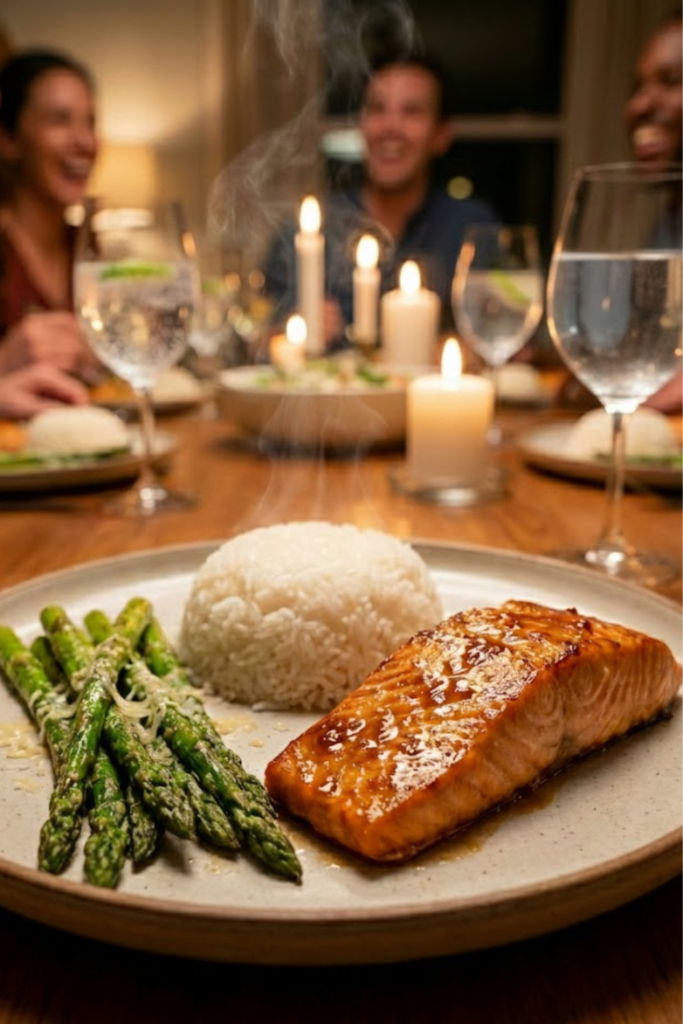
Final Thoughts: Why This Recipe is a Keeper
So, there you have it. That is literally everything I know about making the perfect Sheet Pan Maple Dijon Glazed Salmon. I remember when I first started cooking this, I was just looking for a way to survive the “what’s for dinner?” dread that hits at 5 PM. You know that feeling, right? You stare into the fridge hoping a gourmet meal will magically appear.
It never does. But this recipe is the next best thing. It has saved me on so many busy nights when I was this close to just ordering pizza again. It feels really good to put a plate of healthy seafood in front of my family and actually watch them eat it without complaining.
Breaking the “Boring Fish” Curse
I think the biggest win here is just getting over the fear that fish has to be complicated or bland. It doesn’t. This sweet and savory glaze proves that you can have big, bold flavors with minimal effort.
The combination of the pure maple syrup and the sharp mustard does all the heavy lifting for you. You don’t need to be a trained chef to pull this off. You just need to be willing to turn the oven on and watch the timer.
A Note on Leftovers (If You Have Them)
On the rare occasion that we actually have leftovers, I have a little trick. Do not microwave the fish the next day! It smells terrible and ruins the texture.
Instead, I flake the cold salmon over a salad or mix it with a little Greek yogurt and dill for a quick lunch wrap. The maple flavor actually tastes even better the next day after it has settled into the meat. It’s like a completely different meal for zero extra work.
Give It a Try!
If you are sitting there thinking, “I could never make that,” please just try it once. The worst that happens is you learn something new. But I have a feeling this is going to become one of your go-to dinner party main courses or just a Tuesday night staple.
Cooking should be fun, not stressful. And less time scrubbing pans means more time hanging out with your favorite people. Or watching TV. No judgment here!
If you loved this easy dinner win and want to save it for later, please pin this recipe to your Healthy Dinners board on Pinterest! It helps me out a ton, and it helps you find it when you’re standing in the grocery store wondering what to buy. Happy cooking, friends!