Have you ever stared at a beautiful fillet of salmon and thought, “Please, don’t let me dry this out”? I’ve been there—standing in my kitchen, spatula in hand, praying to the culinary gods! But let me tell you, this baked Boursin salmon is the answer to those prayers. It is genuinely foolproof. Did you know that salmon is the second most consumed seafood in the U.S., yet 60% of home cooks admit they are intimidated by cooking it? That ends today!
We are going to make a dish that is creamy, flavorful, and perfectly baked, with that luxurious garlic and herb cheese melting right into the flaky fish. It’s rich. It’s tangy. It’s honestly a total game-changer for weeknight dinners. Grab your apron, because we are about to make some magic happen in the oven!
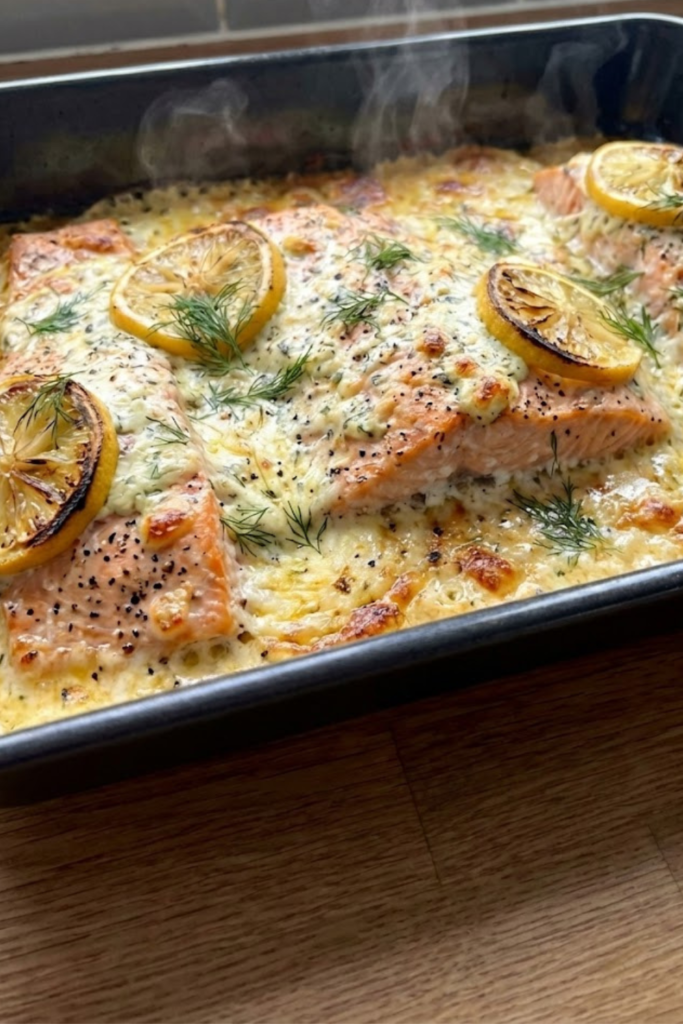
Why You’ll Fall in Love with This Creamy Boursin Salmon Recipe
I have to be honest with you—for the longest time, “fish night” in my house was met with collective groans. I used to be terrible at cooking seafood. I remember one specific Tuesday back in my early 30s when I tried to make a fancy lemon-pepper fillet for a dinner party. It was so dry it basically turned into salmon jerky. I was mortified! I ended up ordering pizza while my guests politely chewed through the leather on their plates.
But folks, let me tell you, that disaster led me to hunt for something better. I needed a win. That is exactly when I stumbled upon the magic of baked Boursin salmon. It completely changed the game for me. It wasn’t just edible; it was restaurant quality. And the best part? I didn’t have to stress out over it.
It’s Ridiculously Easy (Even for Beginners)
If you can spread cheese on a cracker, you can make this dish. I’m serious. The beauty of this creamy recipe is that the Boursin cheese does all the heavy lifting for you. You don’t need to measure out a dozen different spices or make a complicated roux sauce from scratch.
When I’m rushing home from work and have zero energy, this is my go-to. It takes maybe 5 minutes of prep. You literally just slather the garlic and herb Boursin cheese on top and shove it in the oven. It is the ultimate “fake it ’til you make it” meal. You look like a culinary genius, but really, you just bought the right cheese.
The Flavor is Out of This World
Let’s talk about flavor for a second. Plain salmon can be a bit… fishy? Or just bland if you aren’t careful. But adding that tangy, herbaceous cheese creates a barrier that keeps the fish moist while infusing it with garlic goodness.
I’ve learned that the fats in the cheese baste the salmon while it cooks. This results in a flavorful and perfectly baked piece of fish every single time. It’s rich, tangy, and savory all at once. My kids, who usually won’t touch anything from the ocean, actually ask for seconds of this. That’s a triumph in my book!
It Saves You Time and Sanity
We all have those days where the idea of cooking feels impossible. You know, when the laundry is piled up and you just want to sit down? This recipe is a lifesaver for those moments.
- Minimal Cleanup: I line my baking sheet with foil, and boom—cleanup is done in 30 seconds.
- Fast Cooking: It’s in and out of the oven in under 20 minutes.
- Versatile: It pairs with whatever leftover veggies you have rotting in the crisper drawer.
I used to think cooking a gourmet salmon dinner required hours and a culinary degree. Turns out, I was just overcomplicating things. Learning to lean on high-quality ingredients like Boursin instead of complex techniques was a hard lesson, but a valuable one.
So, if you have been scared of drying out your fish or just want something that tastes expensive but costs a fraction of the price, you gotta try this. It’s a total comfort food that feels fancy.
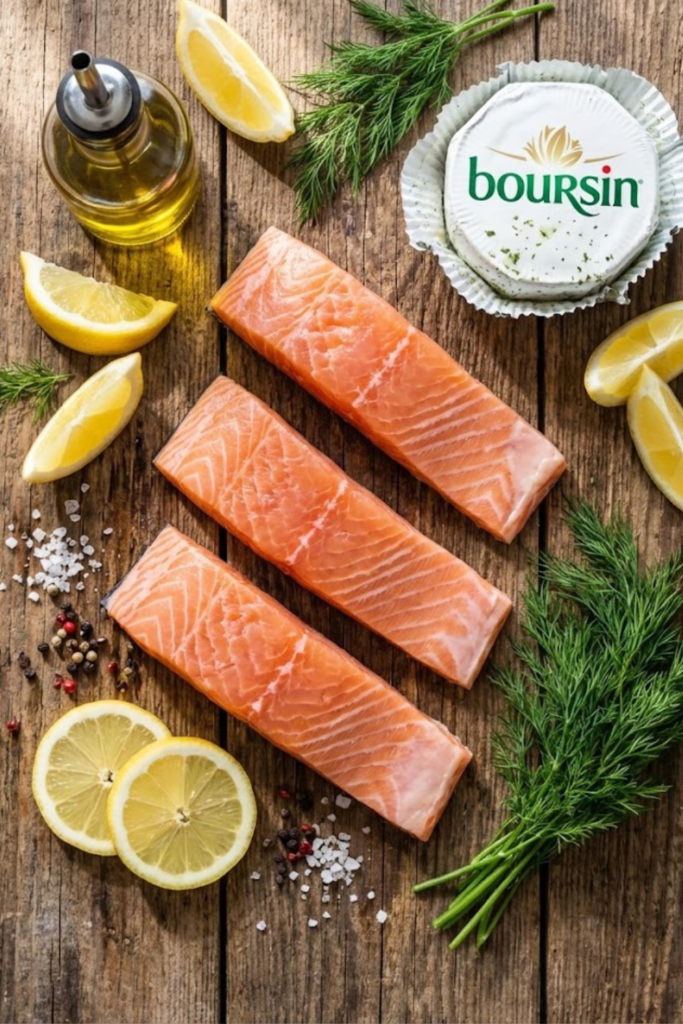
Essential Ingredients for a Flavorful and Perfectly Baked Salmon
I used to think that to make a fancy dinner, I needed a shopping cart full of obscure ingredients that I couldn’t even pronounce. I’d spend half my Saturday running around town looking for saffron or truffle oil. It was exhausting.
Over the years, I’ve learned that the best meals usually come from just a handful of really good ingredients. This baked Boursin salmon is the perfect example. You don’t need a pantry full of spices; you just need the right stuff. Let’s break down exactly what you need so you don’t waste money on things that won’t work.
The Salmon: The Foundation of the Dish
Okay, let’s be real for a second. I have definitely bought the cheapest frozen fish I could find on sale, and I regretted it immediately. It was mushy and smelled a bit funky. Never again.
For this recipe, you really want fresh salmon fillets. I prefer Atlantic salmon because it has a higher fat content, which keeps it moist. If you can, ask the person at the seafood counter for a “center cut.”
Why? Because the tail end is super thin. I once cooked a tail piece alongside a thick fillet, and the tail turned into a crunchy fish chip while the thick piece was still raw in the middle. It was a disaster. Aim for pieces that are about the same thickness so they get perfectly baked at the same time.
The Cheese: Don’t Swap This Out!
Here is where I get bossy. You need Boursin Garlic & Fine Herbs cheese. I tried making this once with generic cream cheese mixed with garlic powder because I was trying to save a few bucks.
It was… fine? But it wasn’t great. It didn’t melt the same way, and it lacked that punchy, flavorful kick that Boursin has. Boursin has this crumbly yet creamy texture that turns into a rich sauce when it hits the heat. Just grab the box from the deli section; it is worth the extra dollar.
Fresh Lemon and Herbs
Please, I beg you, do not use that plastic lemon juice bottle shaped like a lemon. I used that stuff for years until a friend gently told me it tasted like cleaning fluid. She was right.
You need fresh lemon juice and zest. The acidity cuts right through the richness of the cheese. It wakes up the whole dish.
- Fresh Dill or Parsley: Dried herbs are okay in a pinch, but fresh herbs add a pop of color and brightness that makes the dish look like it came from a restaurant.
- Olive Oil: Just a little drizzle on the baking sheet prevents sticking.
A Note on Salt
The cheese is already pretty salty. I made the mistake of heavily salting my fish the first time I made this. We drank gallons of water that night!
Go easy on the salt when seasoning the raw fish. A little crack of black pepper is usually enough since the cheese brings so much savory flavor.
Trust me, sticking to these specific items will make sure your dinner is a hit. You don’t need to be a magician in the kitchen; you just need to be a smart shopper.
Step-by-Step Guide: How to Bake Boursin Salmon to Perfection
I used to treat cooking times like loose suggestions. If a recipe said 15 minutes, I’d leave it in for 20 “just to be safe.” Let me tell you, that is the fastest way to ruin a good piece of fish. I’ve eaten enough dry, rubbery salmon to last a lifetime, so you don’t have to.
Making this baked Boursin salmon is actually pretty straightforward, but the devil is in the details. Here is exactly how I do it to get that creamy topping and tender fish every single time.
1. Prepping the Fish (Don’t Skip This!)
First things first, get your oven heating to 400°F (200°C). While that warms up, grab your salmon fillets.
Here is a mistake I made for years: I would take the fish out of the package and throw it straight into the pan. Gross, right? The fish is usually sitting in moisture. If you don’t get rid of that, the fish will steam instead of bake. It gets mushy.
Grab a paper towel and pat those fillets dry. Seriously, pat them until the paper towel comes away clean. It helps the seasoning stick and the texture is way better. Sprinkle a little salt and pepper on them, but remember, the cheese is salty, so don’t go crazy.
2. The “Schmear”
Now for the fun part. You need to get that flavorful Boursin cheese onto the fish.
I learned this the hard way: if you try to spread ice-cold cheese onto raw fish, you will tear the meat. I once mangled a beautiful fillet because I was too impatient to let the cheese soften. It looked like a crime scene.
If you forgot to take the cheese out of the fridge (I do this constantly), just zap it in the microwave for 10 or 15 seconds. You want it soft enough to spread like warm butter. Use a spoon or a spatula to slather a thick layer right on top of each fillet. Don’t be shy with it.
3. The Bake
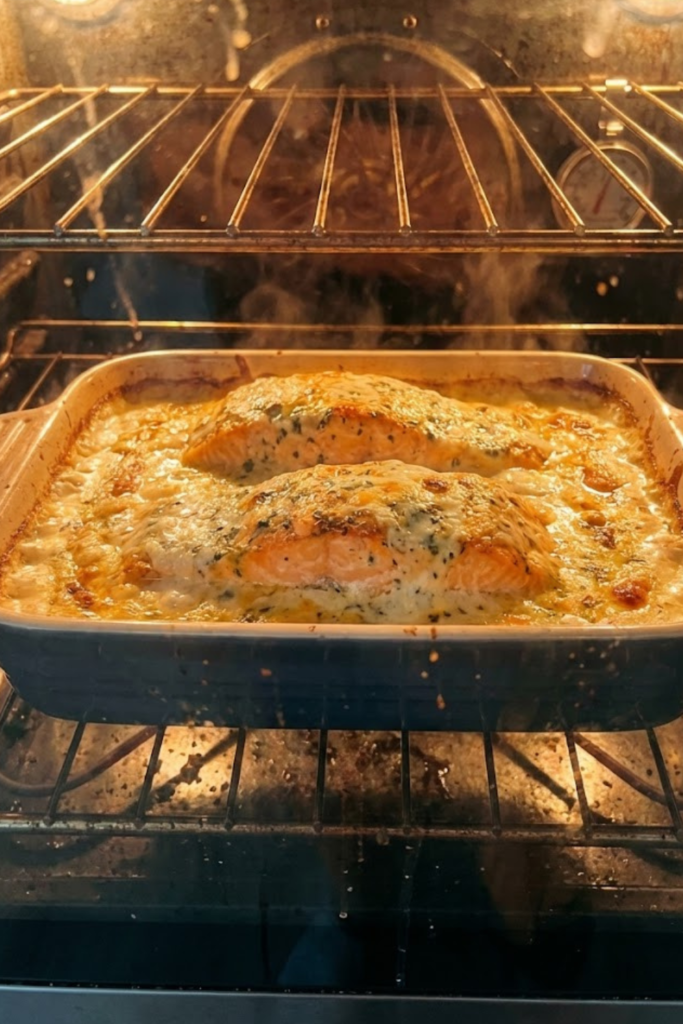
Pop your baking sheet into the oven. This is where the magic happens. You want to bake it for about 12 to 15 minutes.
I know it’s tempting to open the oven door every two minutes to check on it, but keep it closed! You need that consistent heat to get it perfectly baked.
Around the 12-minute mark, check it. The cheese should be bubbly and slightly golden at the edges. If you like a little crust, you can flick the broiler on for the last minute, but watch it like a hawk. I walked away to check an email once while broiling and set off the smoke detector. My dog was not impressed.
4. The Hardest Part: Waiting
When the timer goes off, take it out. Now, stop. Don’t touch it.
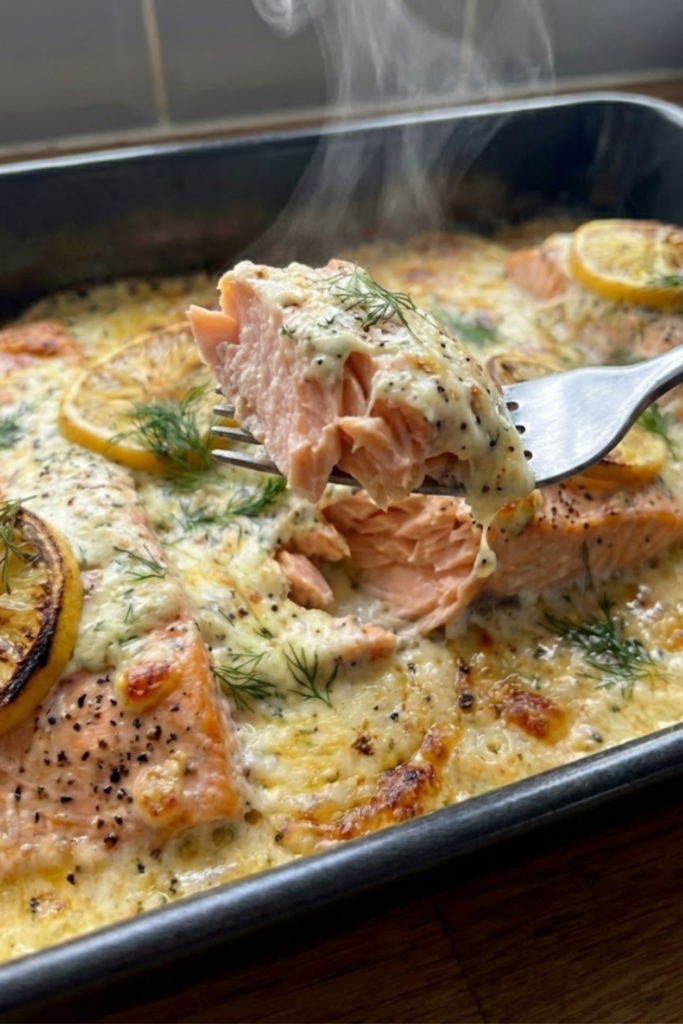
The salmon continues to cook for a minute or two after you pull it out of the oven. This is called “carryover cooking.” If you cut into it immediately, all those delicious juices run out onto the plate, and the fish dries up.
Let it rest for about 5 minutes. This lets the sauce set up a bit so it stays on the fish instead of sliding off. It makes a huge difference in the final texture.
Expert Tips for Ensuring Your Salmon Stays Creamy and Moist
I have ruined more expensive seafood than I care to admit. There is nothing—and I mean nothing—more heartbreaking than pulling a gorgeous fillet out of the oven, only to realize you’ve turned it into a dry, chalky brick. I used to think I was just “bad at fish.” Turns out, I just didn’t know the tricks.
Over the years, I’ve picked up a few habits that guarantee my baked Boursin salmon comes out creamy and tender every time. You don’t need a culinary degree, just a little bit of patience.
The “White Stuff” Warning Sign
Have you ever baked salmon and seen that white, gooey stuff ooze out the sides? For years, I thought that was just cheese or fat. Nope. It’s a protein called albumin, and it’s basically the fish screaming, “I’m overcooked!”
If you see a ton of that white stuff, you’ve likely left it in too long. The heat squeezed the moisture right out of the meat. To avoid this, start checking your fish at the 10-minute mark. It’s better to check it three times than to overcook it once.
Get a Thermometer (Seriously)
I resisted buying a meat thermometer for the longest time. I thought I could just “feel” when it was done. Spoiler alert: I couldn’t.
Investing fifteen bucks in an instant-read thermometer changed my life. You are looking for an internal temperature of about 145°F (63°C) according to the USDA. However, I usually pull mine at 135°F or 140°F because the heat continues to rise while it rests. This is the secret to getting it perfectly baked rather than dry.
Keep the Skin On
I know, I know. Some people hate the skin. It looks kind of gross if it isn’t crispy. But hear me out. Even if you don’t plan on eating it, leave the skin on while it bakes.
Think of the skin as a heat shield. It protects the delicate meat from the hot pan, keeping the bottom layer moist while the top gets all that flavorful cheese love. You can easily slide the meat off the skin right on your plate. It’s a small tweak that makes a huge difference.
Don’t Cook Cold Fish
This was my biggest mistake. I used to take the salmon from the fridge and toss it directly into a 400-degree oven. The outside would burn before the inside was even warm.
Let your salmon sit on the counter for about 15 minutes before you cook it. Taking the chill off helps it cook evenly. It sounds like a hassle, but it prevents that weird texture where the outside is tough and the middle is raw.
A Little Cream Goes a Long Way
Sometimes, the cheese layer can get a little too thick or stiff. If you want a really saucy consistency to pour over rice, try mixing a tablespoon of heavy cream or even milk into the Boursin before spreading it. It thins it out just enough to make a luscious sauce that coats everything on the plate.
Cooking seafood can be stressful, but these little adjustments take the guesswork out of it. Just keep an eye on that timer!
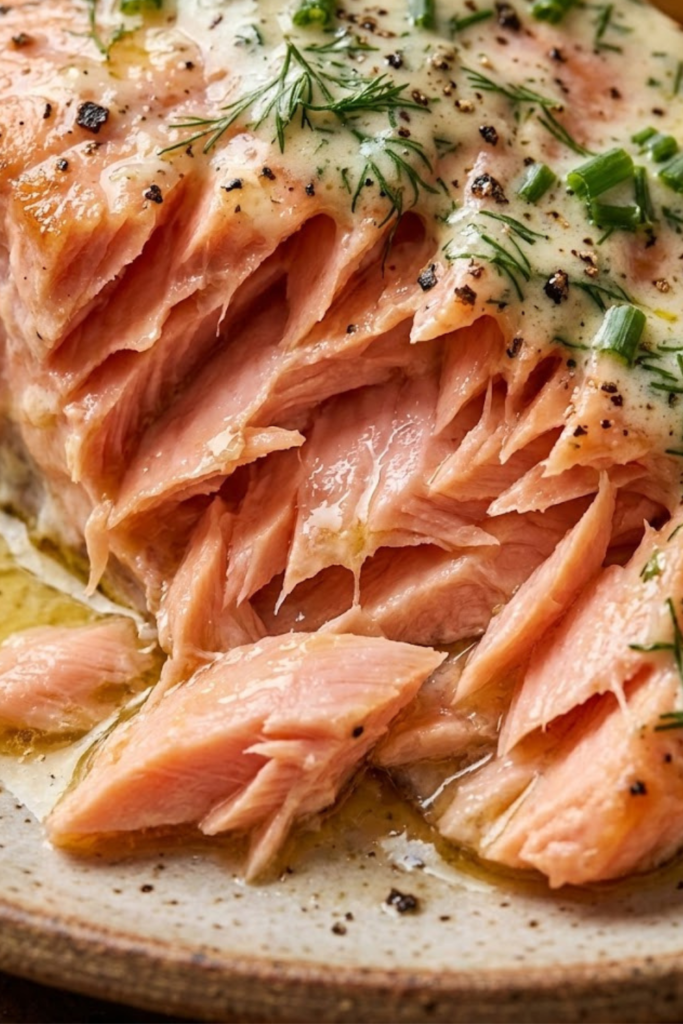
Serving Suggestions: What Pairs Best with Baked Boursin Salmon?
I have a confession to make. There have been plenty of nights where I focused so hard on getting the main dish right that I completely forgot about the sides. I remember serving this beautiful, perfectly baked salmon to my in-laws, and then realizing the only other thing on the table was a bag of tortilla chips. It was… memorable, to say the least.
Balancing a meal isn’t just about nutrition; it’s about texture and logistics. Since the salmon cooks in under 20 minutes, you don’t want to pick a side dish that takes an hour. You want things that are ready when the fish is. Here is what I’ve found actually works.
Soak Up That Liquid Gold
The sauce that forms from the creamy Boursin and the salmon juices is liquid gold. You need something on the plate to catch it.
I used to serve this with steamed broccoli, but the sauce would just slide right off. It was a tragedy. Now, I almost always serve it with a starch that can absorb flavor.
- Garlic Mashed Potatoes: If you have the time, this is the ultimate comfort pairing.
- Rice or Orzo: Honestly, a pouch of 90-second jasmine rice is my secret weapon. It soaks up the sauce beautifully and takes zero effort.
- Crusty Bread: Sometimes, I just slice up a baguette. Mopping up the extra cheese sauce with warm bread? That is the best part of the meal.
Cut the Richness with Greens
Since this baked Boursin salmon is so rich and savory, you need something fresh to wake up your palate. I made the mistake once of serving this with a heavy mac and cheese. We were all in a food coma by 7 PM.
You want crisp, lighter vegetables. Roasted asparagus is my go-to because it cooks at the same temperature (400°F) as the salmon. I just toss the spears on a separate baking sheet with olive oil and put them in about 5 minutes before the fish. They come out done at the exact same time. Green beans or a simple arugula salad with a sharp vinaigrette also work wonders to balance the flavorful cheese.
What to Drink?
I am definitely not a sommelier. My wine selection usually depends on what is on sale for under ten bucks. But I have learned that you want a white wine with high acidity.
A crisp Sauvignon Blanc or a Pinot Grigio is perfect here. The acid in the wine cuts through the creamy fat of the cheese, kind of like how pickles cut through a burger. If you aren’t into alcohol, an iced tea with extra lemon does the same trick.
The “Chef” Touch
Finally, let’s talk about looks. Brown food tastes good, but it doesn’t always look great. When the salmon comes out, it might look a little messy.
My trick? “Confetti.” I chop up fresh parsley or dill and sprinkle it over everything right before I bring it to the table. It hides any imperfections and adds a pop of color. Throw a couple of fresh lemon wedges on the plate, and suddenly it looks like you spent hours in the kitchen instead of twenty minutes.
Cooking dinner doesn’t have to be a juggling act. Pick sides that are low-maintenance so you can actually enjoy your glass of wine while the oven does the work.
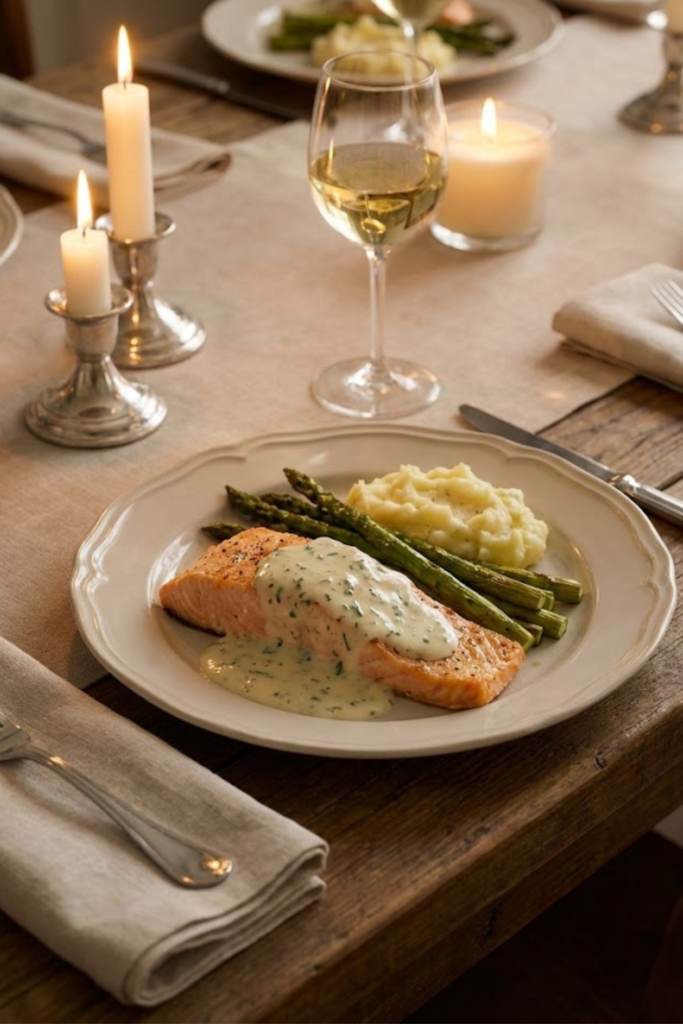
Life is way too short for boring dinners or stressing over dry seafood, so I really hope you give this baked Boursin salmon a shot! It is honestly a game-changer for busy weeknights—just remember to pat that fish dry and let the creamy, flavorful cheese sauce do all the heavy lifting. It doesn’t have to be perfect to be delicious, so trust your thermometer to get it perfectly baked and enjoy a meal that tastes expensive but takes zero effort. If this recipe saves your dinner plans, please save this pin to your “Weeknight Dinners” board on Pinterest so you can find it whenever the craving strikes!