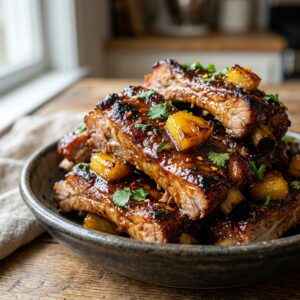
I have to admit something—I used to hate meatloaf! Growing up, it was always dry and flavorless. But this recipe? It changed my life! Did you know that concepts of “meatloaf” date all the way back to the 5th century in Rome? It’s a classic for a reason. In this article, I’m sharing the absolute best meatloaf recipe I’ve ever tasted. It’s moist, savory, and topped with a glaze that is just to die for. You are going to love how simple this is!
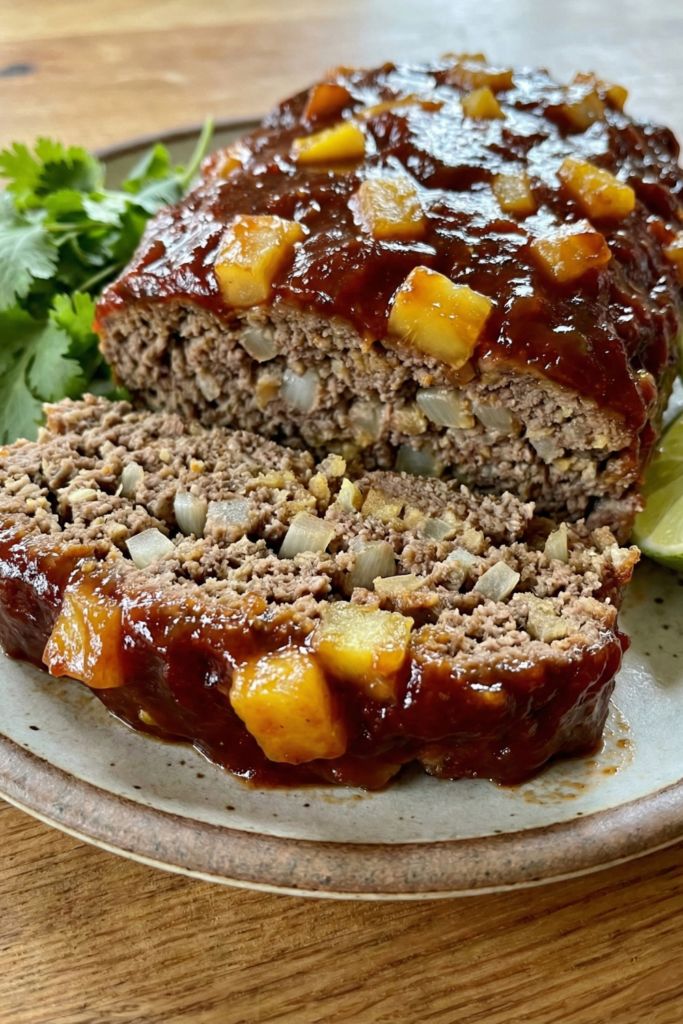
The Secret Ingredients for a Moist Meatloaf
I have to be real with you guys for a second. The first time I tried to make a meatloaf for a dinner party, it was a total disaster. I bought the leanest ground beef I could find because I thought I was being “healthy.” Well, let me tell you, that thing came out of the oven looking like a grey brick. It was so dry you practically needed a gallon of water just to swallow a bite. I was mortified! But hey, we live and we learn, right?
After years of trial and error (and a few more hockey pucks), I finally figured out the specific combo that keeps everything juicy. It’s not actually magic; it’s just a little bit of food science.
The Meat Ratio Matters
Here is where I messed up big time in the beginning. You cannot use super lean meat for this. If you grab that 90/10 beef, you are setting yourself up for a dry dinner.
For the best texture, you really need to use ground chuck that is 80/20. That 20% fat content renders down while it bakes, keeping the loaf moist from the inside out. I also like to mix in some ground pork if I have it. Pork is naturally fattier and softer than beef, so a 50/50 split creates a texture that is just incredible. If you can’t do pork, just stick to the 80/20 beef. Trust me on this one.
The Magic of the Panade
Okay, this sounds fancy, but it’s actually super simple. A “panade” is just a starch mixed with a liquid. Most people just throw dry breadcrumbs into their meat mixture, but that actually sucks the moisture out of the meat like a sponge.
Instead, grab a small bowl. Mix your breadcrumbs (or panko) with milk and let it sit for about 5 to 10 minutes until it turns into a paste. When you mix this goop into the meat, it holds onto the moisture while the meatloaf cooks. It stops the proteins from shrinking too much and squeezing all the juice out. Since I started doing this, I haven’t had a dry loaf once. It is a total game changer for ground beef recipes.
Don’t Skip the Sauté
I know, I know. You just want to dump everything in the bowl and be done with it. I get lazy too! But throwing raw onions into your mix is a rookie mistake I used to make all the time.
Raw onions don’t cook fast enough inside the meatloaf. You end up with crunchy bits of onion in a soft loaf, which is just weird. Plus, raw onions release water as they cook, which can make your meatloaf mushy or steam it from the inside. Take the extra five minutes to sauté your onions and garlic in a pan first. It sweetens them up and adds a depth of flavor you just can’t get otherwise.
Seasoning the Right Way
Finally, you have to season the meat itself, not just the sauce on top. A lot of recipes are bland because people are afraid of salt.
I always use a heavy hand with Worcestershire sauce. It adds that savory “umami” punch that beef really needs. Fresh parsley and dried thyme are my go-to herbs. If you use dried herbs, rub them between your fingers before dropping them in to wake up the oils. It makes a huge difference!
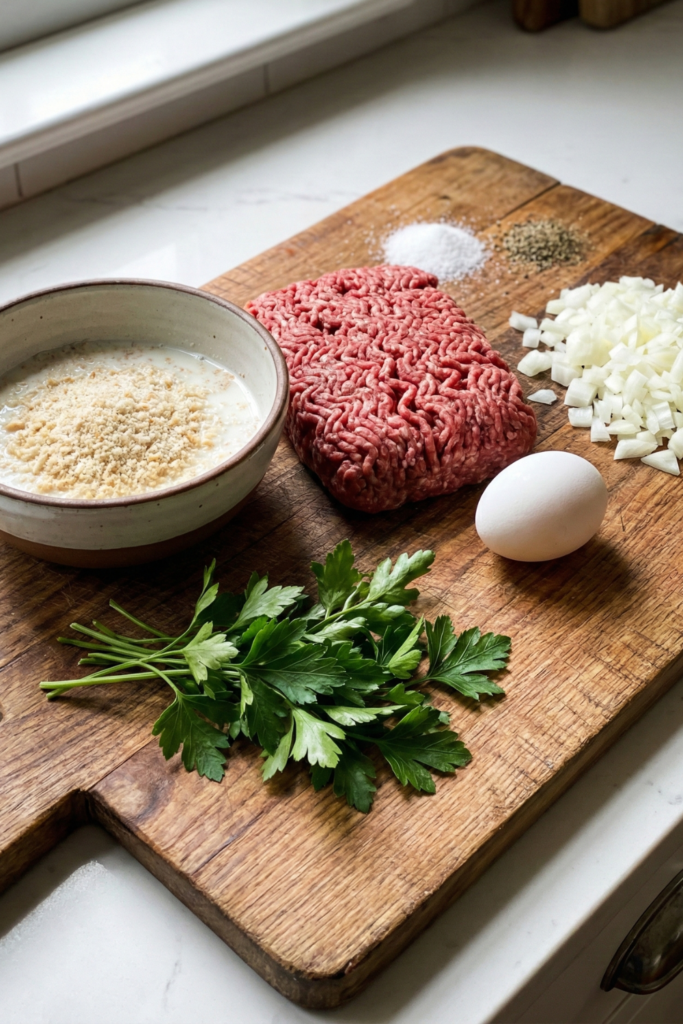
Mastering the Classic Tangy Glaze
I have a confession to make. When I was a kid, the only reason I ate meatloaf was for the sauce on top. If my mom served a slice that was missing that sticky red topping, I would throw a total fit. To me, a meatloaf without a meatloaf glaze is just a giant hamburger that lost its bun. It’s tragic, really.
I used to think that the sauce was just ketchup squirted out of the bottle. I tried that once in my early twenties when I was rushing to get dinner on the table. It was okay, but it tasted… cheap. It didn’t have that depth or that sticky quality you get at a diner. It was a total letdown.
Over time, I learned that the best glaze is actually a careful balance of flavors. It needs to be sweet, tangy, and savory all at once.
The Ketchup Conundrum
You gotta start with the right base. Ketchup is the standard for a reason. It provides the tomato flavor and the body for the sauce. But please, don’t use the sugar-free stuff here. You need the real deal for it to caramelize properly in the oven.
I have tried using BBQ sauce as a base before. It was good, but it made the dish taste like a rib sandwich rather than a classic meatloaf. If you want that nostalgia factor, stick to ketchup. It’s what our grandmas used, and they knew what they were doing!
Finding the Sweet Spot
Here is where the magic happens. You need to mix brown sugar into the ketchup. White sugar just doesn’t cut it because it lacks molasses. The brown sugar helps the glaze get sticky and thick as it bakes.
But if you just use sugar and ketchup, it’s gonna be way too sweet. Like, candy-sweet. That is where apple cider vinegar comes in. I learned this the hard way after making a sauce that tasted like dessert. Gross.
Adding a splash of vinegar cuts through the sugar and the fat of the meat. It gives it that “zing” that makes your mouth water. I usually do a ratio of about two parts ketchup to one part sugar, with a tablespoon of vinegar. Taste it as you go! If your lips don’t pucker just a little bit, it needs more vinegar.
Timing is Everything
This is the mistake I see people make the most. Do not—I repeat, do not—put all the glaze on at the beginning. If you put the sugary sauce on raw meat and bake it for an hour, it will burn. Burnt sugar tastes bitter and nasty.
I usually bake the loaf naked for the first 45 minutes. Once the meat is mostly cooked, I pull it out and slather on the meatloaf glaze. Then I pop it back in for the last 15 minutes.
This allows the sauce to thicken and get tacky without turning into charcoal. It’s a small detail, but it makes a huge difference in the final result.
Optional Kicks for Flavor
Now, if you want to get a little wild, you can add some extras. I love adding a teaspoon of dry mustard powder. It adds a sharp background note that people can’t quite put their finger on.
Some folks like a dash of sriracha or hot sauce. My husband loves it when I add a little heat, but my kids? Not so much. So I usually keep it mild. You can also add a pinch of onion powder to the sauce to mirror the flavors inside the meat.
Just remember, the sauce is the first thing you taste. It has to be bold. Don’t be shy with the flavor! If it tastes boring in the bowl, it will taste boring on the meat. Make it count.
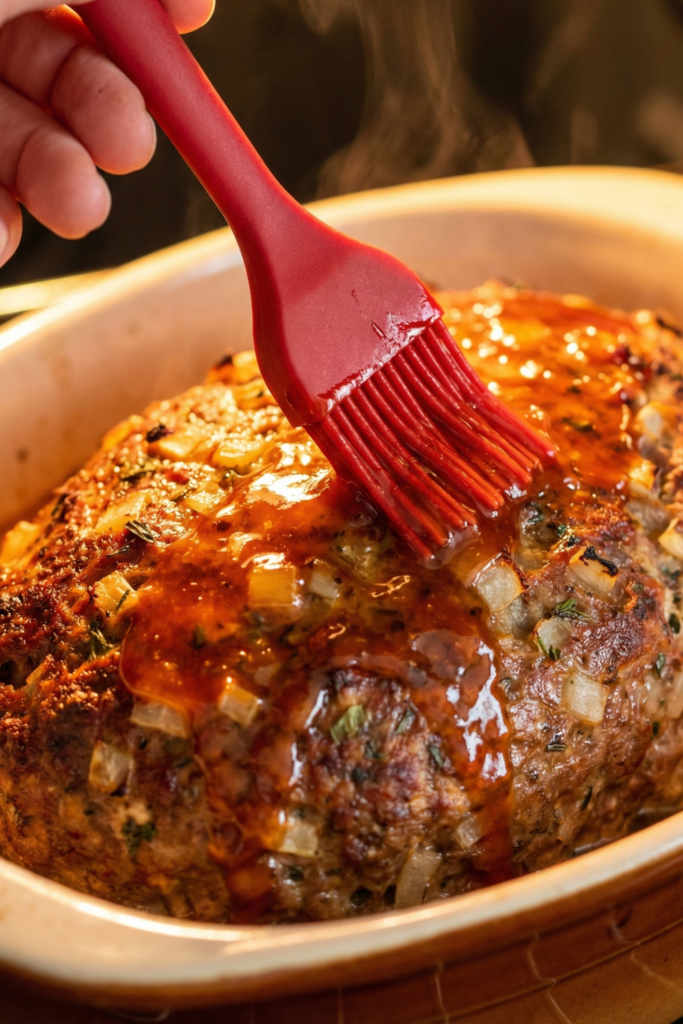
Step-by-Step Instructions for Baking Perfection
I remember watching a cooking show years ago where the chef was screaming about not “manhandling the meat.” I rolled my eyes at the TV. I thought, it’s ground beef, how sensitive can it be? Turns out, pretty sensitive.
I used to mix my ingredients like I was kneading bread dough. I wanted everything perfectly combined. But when I served it, the texture was rubbery and dense. It was a total fail. I learned the hard way that when it comes to the best meatloaf recipe, less is definitely more.
The Gentle Touch
When you combine your meat with the onions and that milk-soaked breadcrumb mixture, use your hands. I know, it feels gross and cold. It’s slimy. But spoons just mash everything together too hard.
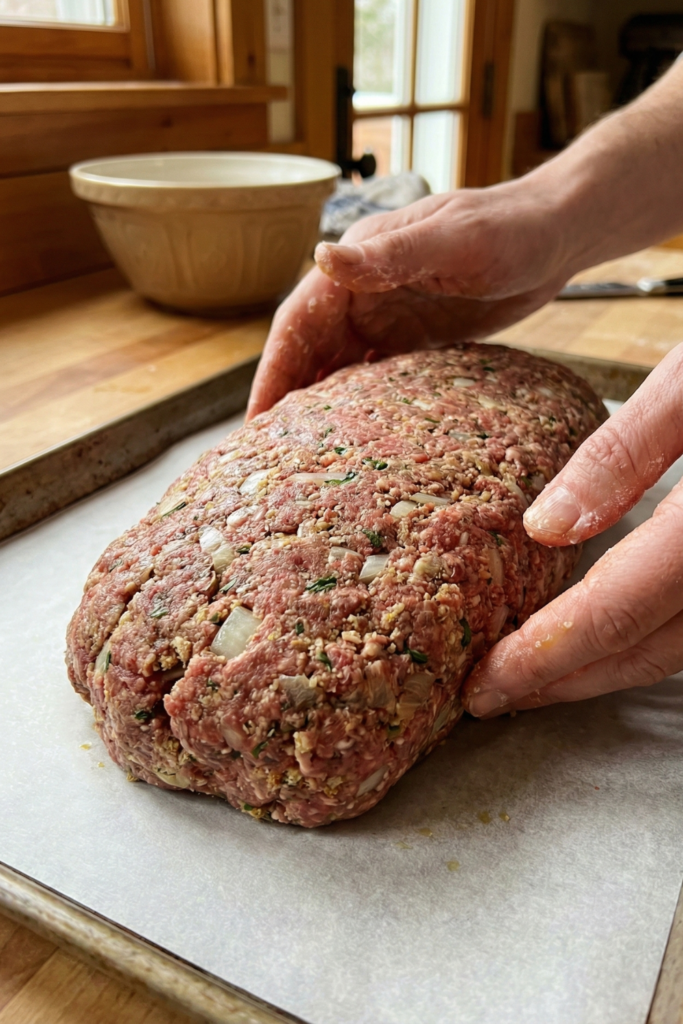
You want to gently toss the ingredients until they are just incorporated. Think of it like fluffing a pillow rather than packing a snowball. If you overwork the mix, the proteins get tough, and you end up with a brick instead of a tender loaf. Once you see the ingredients are distributed, stop immediately. Step away from the bowl!
Ditch the Loaf Pan
Okay, this might be controversial. Most people bake their meatloaf in a standard meatloaf pan. I used to do this too because it keeps the shape nice and square.
But here is the problem: when the meat cooks, it releases fat and juices. In a loaf pan, the meat ends up boiling in its own grease. The sides turn grey and soggy instead of getting that nice brown crust.
Now, I almost always shape the loaf by hand on a parchment-lined baking sheet. This allows the hot air to circulate all around the meat. The result? You get a beautiful, caramelized exterior on all sides, not just the top. Plus, the grease drains away, so it’s a bit less heavy.
The Water Bath Trick
I picked up this trick from an old diner cook I met once. If you are worried about your oven baked meatloaf cracking on top, create a humid environment.
I place a separate pan filled with hot water on the bottom rack of the oven while the meatloaf bakes on the middle rack. The steam keeps the air moist, which helps the meat cook gently. It prevents that dry, cracked surface that looks so unappealing. It’s a small step, but it really helps keep things juicy.
Temperature is King
Please, for the love of food, stop guessing when it’s done. I used to slice into the middle of the loaf to check if it was pink, which just let all the delicious juices run out. It was heartbreaking.
You need a digital meat thermometer. It is the only way to be safe and accurate. You are looking for an internal temperature for beef of 160°F (71°C).
Pull the meatloaf out when it hits about 155°F. The residual heat will carry it over to 160°F while it rests. And yes, you must let it rest for at least 10 minutes before slicing! If you cut it too soon, it will crumble apart on the plate.
Storing, Freezing, and Reheating Leftovers
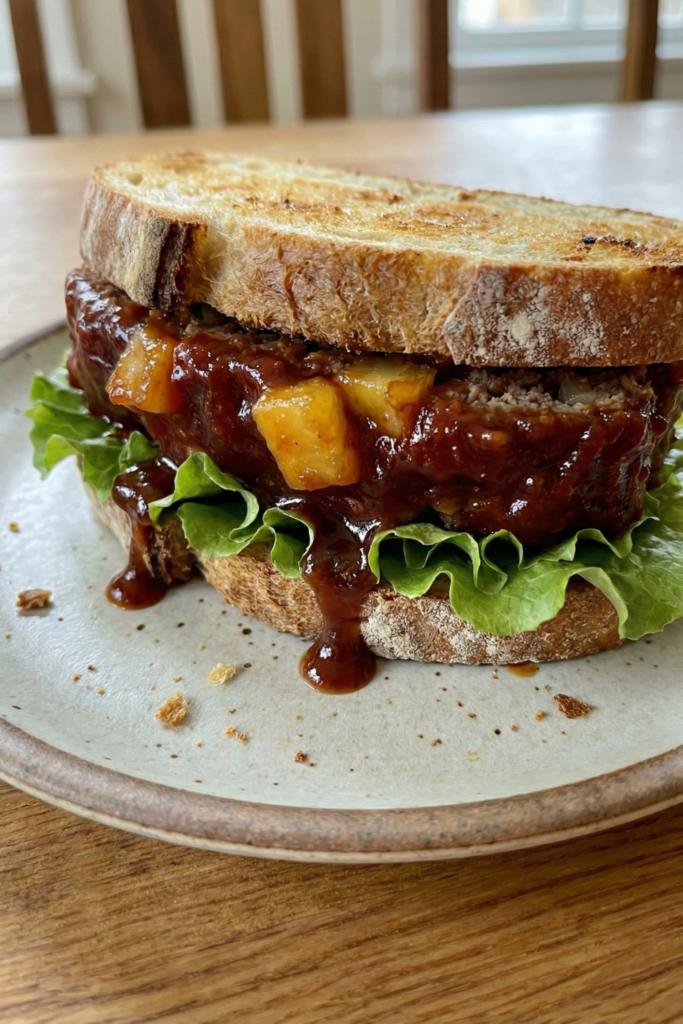
I’m going to be totally honest with you guys. Sometimes I make a huge dinner just so I can have leftovers the next day. There is something about a cold meatloaf sandwich on soft white bread with a little mayo that just hits different. It’s my absolute favorite guilty pleasure lunch!
But there is nothing worse than going to the fridge and finding out your leftovers have dried out or smell weird. I’ve thrown away so much food because I was too lazy to wrap it up properly. Over the years, I’ve learned a few tricks to keep those leftovers tasting just as fresh as day one.
Keeping it Fresh in the Fridge
First rule of the kitchen: let it cool down! I used to shove hot pans into the fridge because I wanted to clean up fast. Bad idea. It raises the fridge temp and makes the meat sweat, which makes it soggy.
Once it’s cool, you need to protect it from the air. Air is the enemy of moisture. I usually slice the remaining loaf and put it in an airtight container. If you leave it whole, wrap it tightly in plastic wrap and then foil. It should stay good for about 3 to 4 days. If you haven’t eaten it by then, it’s time to say goodbye or move it to the freezer.
The Freezer is Your Friend
Speaking of freezing, this dish is the king of freezer meals. I love having emergency dinners ready to go.
If you want to freeze it cooked, I recommend slicing it first. Place a little square of parchment paper between each slice so they don’t stick together. Then you can just pull out one or two slices for a quick dinner without thawing the whole brick. It saves so much time!
You can also freeze the raw meat mixture in a loaf pan. Just thaw it in the fridge overnight before you bake it. It tastes exactly like you just made it fresh.
Reheating Without the Rubber Texture
We need to talk about the microwave. It is convenient, yes. But it ruins meatloaf. It turns a juicy slice into a rubbery, chewy mess that explodes grease everywhere.
For the best results, use your oven or an air fryer. I like to put a slice in a small baking dish with a teaspoon of water or beef broth. Cover it with foil and heat it at 350°F for about 10-15 minutes. The steam trapped under the foil wakes up the meat and keeps it moist.
If you have an air fryer, it’s great for getting those edges crispy again. Just watch it closely so the glaze doesn’t burn!
Creative Leftover Ideas
Okay, besides the sandwich I mentioned (which is mandatory, by the way), there are other cool ways to use up leftover meatloaf ideas.
Sometimes I crumble a slice up and throw it into a jar of marinara sauce. Boom—instant meat sauce for spaghetti! It’s savory and already seasoned. I’ve also chopped it up and used it as a filling for stuffed peppers. It’s a great way to stretch one meal into two without anyone complaining about eating the “same old thing.”
There you have it—the best meatloaf recipe you’ll make in 2026! Honestly, looking back at all those dry, flavorless bricks I used to serve, I can’t believe how far my cooking has come. It just goes to show that you don’t need fancy equipment or a culinary degree to make comfort food recipes that people actually want to eat. You just need a little bit of patience and the right technique.
It’s funny, my kids used to groan when I said “meatloaf night,” and now they actually ask for seconds. That is the biggest win in my book! I really hope this recipe brings as much warmth and happiness to your dinner table as it has to mine. It’s simple, it’s hearty, and it’s just plain good.
If you try this out, please don’t be a stranger! I’d love to hear if you added a spicy kick to the glaze or if you stuck to the classic version.