Let’s be honest for a second: there is nothing sadder than a piece of dry, overcooked fish. I used to be terrified of grilling fish—fearing it would stick to the grates or turn into rubber! But after years of testing (and a lot of failures), I’ve finally cracked the code. You are about to learn the best grilled salmon recipe ever, and trust me, it’s easier than you think! Did you know that over 40% of home cooks avoid grilling fish just because they are afraid of ruining it? That ends today. We are going to get that restaurant-quality char and buttery texture right in your backyard. Let’s get grilling!
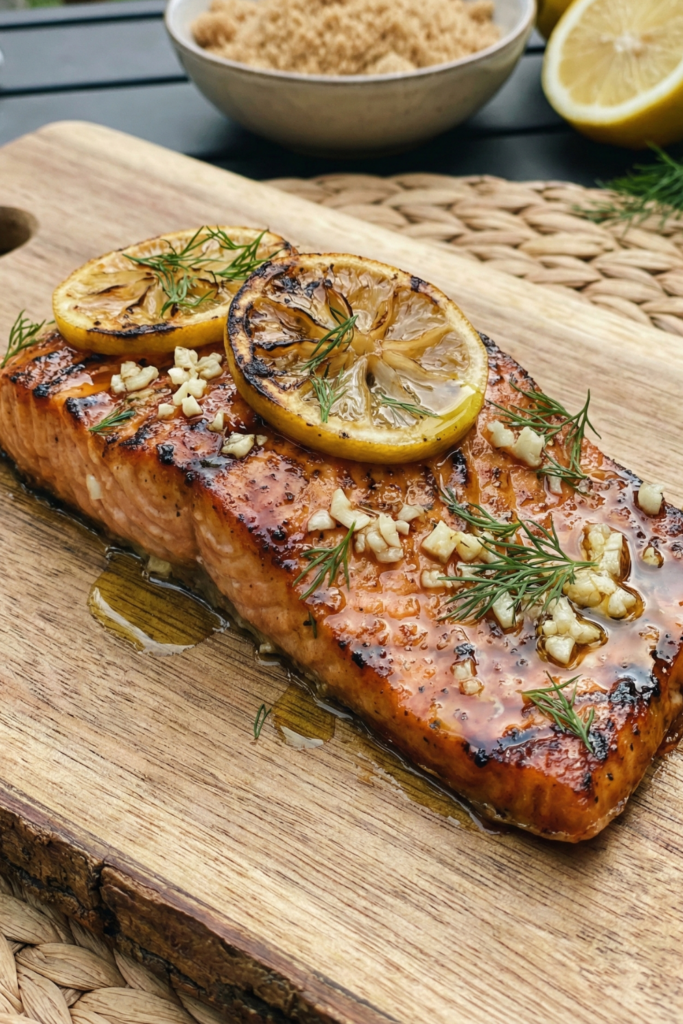
Why This Is Truly The Best Grilled Salmon Recipe Ever
Look, I’ve burned more fish than I care to admit. There was this one summer, probably ten years ago, where I invited the whole neighborhood over. I threw some expensive fillets on the grate, and guess what? They stuck. Like, super glued to the metal. I ended up serving what looked like shredded cat food. It was humiliating! But that disaster forced me to learn the hard way.
I spent years tweaking this because I was tired of dry, sad fish. This isn’t just another recipe I found online; it’s the result of a lot of trial and error (mostly error).
The Science Behind the Flakiness
Here’s the thing people forget: salmon is oily. And that is a good thing! The high fat content in fresh Atlantic salmon makes it way more forgiving than white fish like tilapia.
When you hit it with high heat, that fat renders down and bastes the meat from the inside out. That is how you get that flaky fish texture without it turning into sawdust. I used to be scared of the fat, trimming it all off. Big mistake. The fat is flavor. It keeps the fillet moist while the skin crisps up like a potato chip.
Flavor That Punches You in the Face
Most marinades are boring. They are. I’ve tried them all. The problem is usually balance. You need acidity to cut through the richness of the fish, but you also need sugar for the char.
This recipe uses a specific ratio of sweetness to acid. The sugar caramelizes on the grill—fancy folks call this the Maillard reaction—creating a glaze that is sticky and smoky. It’s a total game changer. If you don’t get that balance right, you’re just heating up fish.
It’s Actually Good For You
I try to feed my family healthy stuff, but I’m not gonna eat cardboard. We all know we need those omega 3 fatty acids, right? It’s good for your heart and brain. But honestly? I make this because it tastes amazing. The health benefits are just a nice bonus so I don’t feel guilty about the second serving of potatoes I eat with it.
Keeping It Simple
You don’t need a fancy smoker or a $5,000 grill setup. I cook this on a rusty old gas grill half the time. The secret isn’t the equipment; it’s the technique.
I’ve seen recipes that call for twenty ingredients. Who has time for that? This grilled salmon marinade uses stuff you probably already have in your pantry. It’s simple, fast, and honestly, it just works. Trust me, once you try this method, you won’t cook salmon any other way.
Essential Ingredients for the Perfect Salmon Marinade
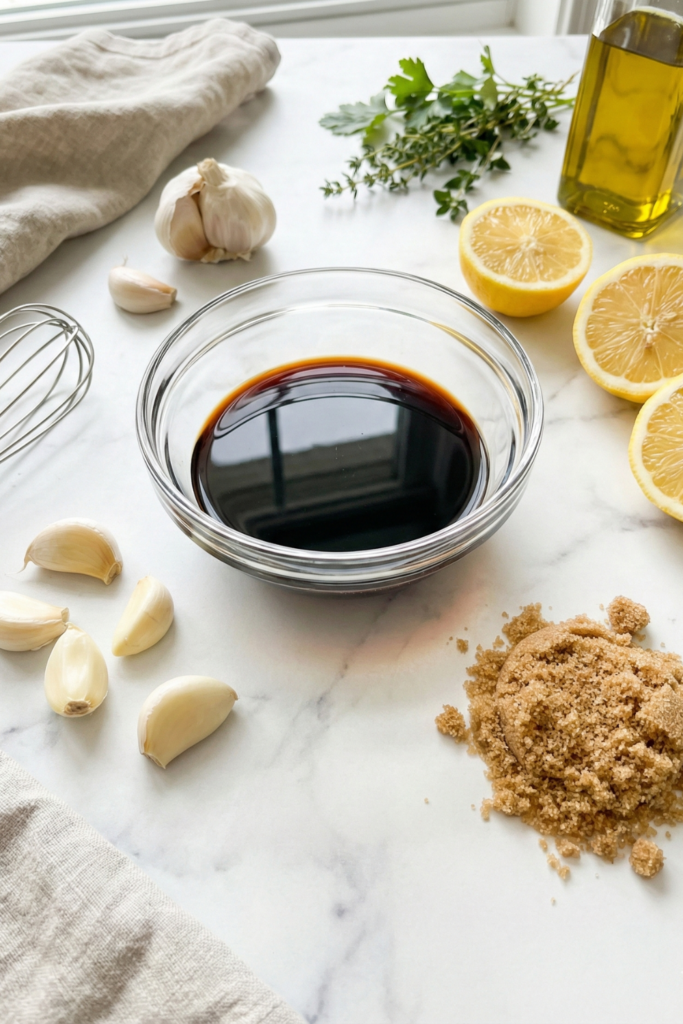
I used to be a “store-bought marinade” kind of person. I’m not proud of it. I’d grab those bottles of “zesty lemon herb” whatever from the grocery shelf, thinking I was saving time. But honestly? They always tasted like pure salt and preservatives. It took me ruining a beautiful slab of copper river salmon to realize that making your own marinade takes like, two minutes. And the difference is night and day.
You don’t need a pantry full of weird spices you’ll never use again. You just need a few heavy hitters that work together.
The Liquid Base
First off, we need fat and salt. For the oil, I actually disagree with a lot of fancy chefs. They say “use cheap oil,” but I stick with a good quality olive oil. It adds a flavor that vegetable oil just can’t touch. However, if I’m grilling on super high heat, I might swap in avocado oil because of the higher smoke point. You don’t want your olive oil marinade to burn before the fish is cooked.
Then comes the sodium. I swear by soy sauce. Even if you aren’t making an Asian-style dish, soy sauce adds this deep, savory “umami” punch that salt alone just doesn’t give. It creates a rich soy sauce glaze that coats the fish perfectly. If you are watching your salt intake, low-sodium works fine, but I usually go full strength.
The Secret Sweetener
Here is where I messed up for years. I never added sugar. I thought, “Why would I put sugar on fish?” But then I learned about the Maillard reaction (that’s teacher speak for “browning makes things taste good”).
You need sugar to get those beautiful grill marks and that caramelized crust. I use brown sugar. It melts down and mixes with the soy sauce to create a sticky brown sugar glaze that is just… wow. Honey works too, specifically for a honey garlic salmon vibe, but brown sugar is easier to whisk in. It helps the exterior get crispy while the inside stays tender.
Fresh vs. Powdered Aromatics
Please, I am begging you, put down the garlic powder. I know it’s easier. I know you don’t want to chop things. But fresh garlic and fresh ginger root are non-negotiables here.
I remember once I was feeling lazy and used garlic powder. The flavor was flat, and the powder burned on the grill, leaving a bitter taste. When you use fresh minced garlic, it cooks with the fish. It releases these oils that smell incredible. If you want that restaurant quality taste, you have to chop the fresh stuff. It takes thirty seconds. You can do it.
The Acid Kick
Finally, you need to cut the heavy fat of the salmon. This is where citrus comes in. I usually squeeze in fresh lemon juice right into the bag. It brightens everything up.
But here is a pro tip I learned the hard way: don’t let the fish sit in the lemon juice for too long. I once marinated some fillets overnight thinking they’d be extra flavorful. Nope. The acid basically “cooked” the fish (like ceviche) before it even hit the grill, and the texture was mushy. Gross. Keep the marinating time short—about 30 minutes is the sweet spot.
How to Prep Your Grill to Prevent Sticking
There is nothing—and I mean nothing—more heartbreaking than flipping a beautiful piece of fish and watching half of it stay stuck to the metal. I call it the “Salmon Massacre of 2018.” I had guests watching, hungry eyes fixed on the grill, and I ended up serving them a pile of shredded fish that looked like it had been through a blender. I wanted to crawl under the deck.
It wasn’t the fish’s fault. It was mine. I hadn’t prepped the grill right. Since that embarrassment, I’ve become a bit obsessive about this part, but it saves me from ordering pizza as a backup plan.
The Clean Freak Rule
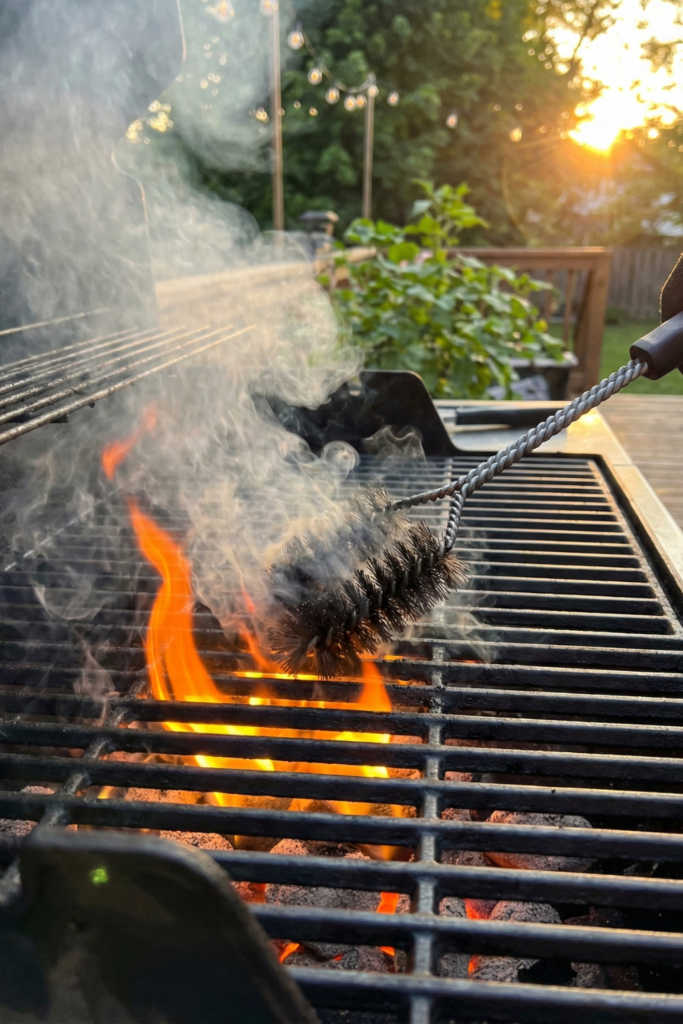
If your grill grates have crusty bits of last week’s burgers on them, your fish is doomed. Stickiness loves dirt. Before I even think about lighting the fire, I grab my brush.
Cleaning grill grates effectively is the first step to prevent fish sticking. I get the grill screaming hot first—it burns off the grease—and then I scrub it like I’m angry at it. Seriously, put some muscle into it. If the surface isn’t smooth, the delicate protein of the fish will latch onto those rough carbon spots. It’s simple physics, but I ignored it for years because I was lazy. Don’t be like me.
Oil the Grates, Not Just the Fish
Here is a trick I learned from an old chef buddy. Oiling the fish isn’t enough; you have to season the grates too. But don’t just spray it with those aerosol cans; that’s a great way to start a giant fireball and singe your eyebrows (ask me how I know).
I take a wad of paper towel, dip it in oil, hold it with long tongs, and wipe it quickly across the hot bars. You want to create a non-stick layer. Now, about the oil: do not use your expensive extra virgin olive oil here. It burns way too fast. I use something with a high avocado oil smoke point or just plain canola oil. If the oil burns off instantly, it creates a bitter taste. You want it to slick up the metal, not turn into black soot.
Dialing in the Heat
Most people just crank their gas grill recipes to “High” and hope for the best. That’s a mistake. If the grill is too hot, the outside burns before the middle is cooked. If it’s too cold, the fish steams and sticks.
I aim for a solid medium-high heat, right around 375°F to 400°F. I bought a cheap oven thermometer to put inside the hood because the built-in ones are notorious liars. Mine is off by like 50 degrees! Knowing your actual temperature is half the battle.
The Patience Game
This is the hardest part for me because I’m always hungry. You have to let the grill preheat. I mean really preheat. I used to turn it on, wait two minutes, and throw the food on. Total disaster.
Give it at least 15 minutes. The metal grates need to be scorching hot to sear the fish immediately upon contact. That sear releases the fish from the metal. If the metal is lukewarm, the fish sinks into the pores of the grate, and you’re back to serving shredded cat food. Wait for the heat. Grab a drink. Relax. It’s worth the wait.
Step-by-Step: Grilling Salmon to Perfection
Alright, the grill is hot. The grates are oiled. It’s showtime. This is the moment where I used to panic, sweat, and inevitably mess up. But if you follow these steps, you’ll look like a pro.
Skin-Side Down First
This is the golden rule. When you place that fillet on the grill, it needs to go skin-side down first. Always.
Think of the skin as a heat shield. It protects the delicate meat from the intense flames while it cooks. Plus, who doesn’t love crispy salmon skin? I used to peel the skin off before cooking because I thought it was “gross.” Big mistake. Without the skin, the meat cooks too fast and dries out. Now, I let that skin get nice and charred. Even if you don’t eat it (though you should), it keeps the juices locked inside the fillet where they belong.
The “No-Touch” Zone
Here is the hardest part for me: doing nothing. Once that fish hits the grate, do not touch it.
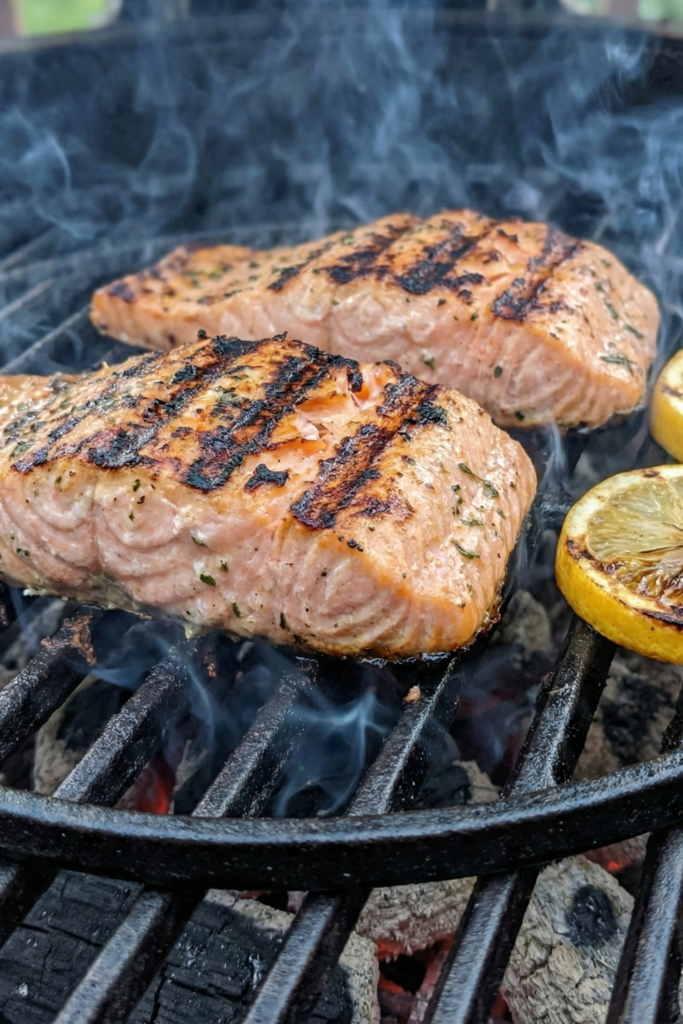
I’m a fidgeter. I always want to poke it, slide it, or check underneath to see if it’s burning. Don’t do it! For the first 4 to 5 minutes, you are in the “No-Touch Zone.” If you try to move the salmon before it’s ready, it will stick. It’s like the grill is holding onto it. But here is the magic: once the skin is properly seared, the grill naturally releases the fish. It just lets go. So if you try to lift it and it fights back, put it down. It’s not ready.
The Flip (Don’t Panic)
Okay, it’s been about 5 minutes. The skin is crispy, and the color of the salmon has turned opaque about halfway up the side of the fillet. It’s time to flip.
Use a wide metal spatula—not those flimsy plastic ones. Slide it under the fish with confidence. Don’t hesitate! If you move too slow, the fish might break. I’ve broken plenty of fillets in my day; we just call those “chef’s snacks” and eat the evidence. Once you flip it, you only need maybe 2 to 3 minutes on the other side. You just want to get some nice grill marks on the top.
Knowing When It’s Done
How do you know when to pull it off? This is where people go wrong. They cook it until it looks like canned tuna.
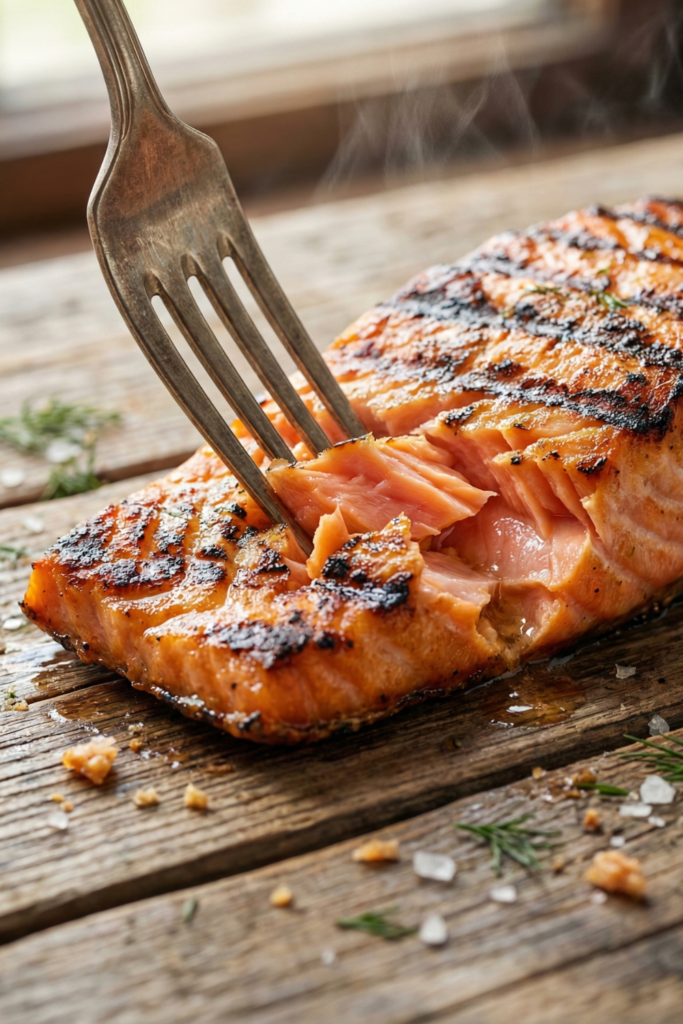
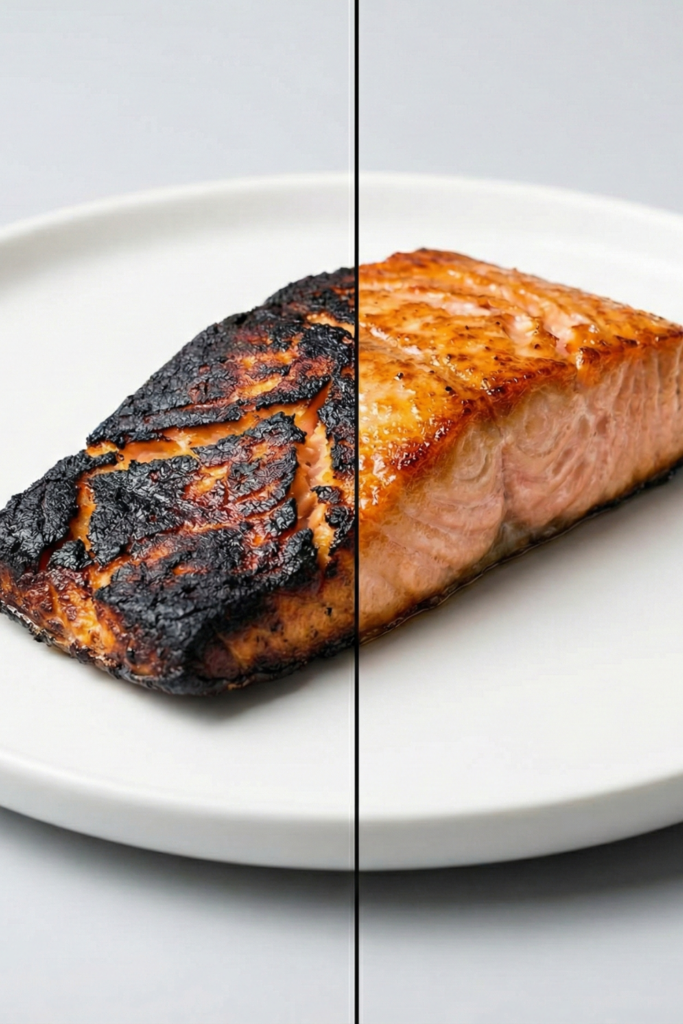
You are looking for an internal temperature for salmon of about 125°F to 130°F. This gives you a perfect medium rare salmon to medium texture. It should be pink in the center. Remember, the fish keeps cooking for a few minutes after you take it off the grill (we call that carryover cooking). If you leave it on until it hits 145°F, it’ll be dry by the time you sit down to eat.
Also, watch for the white stuff. If you see white gunk (albumin) popping out of the meat, you are pushing it. That means the muscle fibers are contracting and squeezing out moisture. Get it off the heat!
Common Mistakes When Grilling Salmon (And How to Fix Them)
I wish I could say I was born a grill master, but that would be a lie. I have served salmon that was burnt on the outside and raw in the middle. I have served salmon that fell apart if you looked at it wrong. It happens. But over the years, I noticed I was making the same few mistakes over and over again.
Fixing these small habits made a massive difference in my cooking. It’s usually the simple stuff that trips us up, isn’t it?
The Acid Bath Trap
We talked about marinade earlier, but this point is so important I have to bring it up again. I used to think, “The longer it soaks, the better it tastes.” Wrong.
I once left expensive fillets in a lemon-heavy marinade while I ran errands for three hours. When I got back, the fish looked… white. The acid had already started to “cook” the protein. It’s basically ceviche at that point. When I grilled it, the texture was mushy and mealy. It was gross. Keep your marinating time short. 30 minutes is plenty for the flavor to penetrate without ruining the texture.
Grilling Cold Fish
This was my number one crime for years. I’d take the fish straight out of the fridge (around 40°F) and slap it onto a 400°F grill. That temperature shock is brutal.
When you do this, the muscles seize up. The outside cooks instantly, but the inside stays cold. By the time the center is safe to eat, the outside is a charcoal briquette. Now, I let the salmon sit on the counter for about 15 to 20 minutes before cooking. Bringing it to room temperature helps it cook evenly. It relaxes the meat. Trust me, you will notice the difference immediately.
Ignoring the Flare-Ups
Salmon is fatty. When that fat renders and drips onto the flames, you get flare-ups. Fire shoots up. It looks cool, like an action movie, but it tastes terrible.
I used to ignore the flames, thinking it gave the fish a “smoky” flavor. Nope. It deposits soot on the meat and makes it taste like lighter fluid. If you see big flames licking the fish, move it! I keep a “cool zone” on my grill (a side with no direct heat) just in case things get out of control. It saves the meal from tasting like burnt rubber.
The “I’ll Just Grab a Drink” Mistake
Fish isn’t a brisket. You can’t walk away for twenty minutes. Salmon cooks much faster than chicken or beef.
I remember walking inside to grab a cold drink and getting distracted by the TV. I was gone maybe six minutes. When I came back, my beautiful dinner was dried out jerky. It happens so fast. Stay by the grill. Watch the color change on the side of the fillet. It’s only going to take about 10 minutes total. Don’t leave your post, soldier!
Serving Suggestions: What Pairs with Grilled Salmon?
You’ve got this beautiful, sizzling fish, but you can’t just put it on a plate by itself. Well, you can, but it looks kinda sad. I used to be so focused on not burning the protein that I’d forget about the sides entirely. I once served five-star salmon with a side of… plain toast. My family still makes fun of me for that one.
Finding the right pair isn’t hard, though. You want things that balance out the richness of the fish without stealing the show.
The Green Stuff (That Actually Tastes Good)
Since the grill is already hot, why make a mess in the kitchen? I almost always throw some veggies right next to the fish. Grilled asparagus side dishes are a classic for a reason.
I just toss the spears in a little olive oil, salt, and pepper. They cook fast—like, 5 minutes fast. If you leave them on too long, they get stringy and weird, so keep an eye on them. Grilled zucchini or bell peppers are also awesome. The fire brings out a sweetness in vegetables that steaming just can’t match. Plus, it makes me feel like I’m making healthy dinner ideas that people actually want to eat.
The Carbs We All Need
I’m a sucker for rice. A nice, fluffy lemon herb rice pilaf is my go-to. It soaks up any extra sauce from the salmon and fills you up.
If I’m feeling a bit more ambitious (or if I bought a big bag of potatoes), I’ll do roasted baby potatoes with rosemary. The crispy texture of the potatoes next to the soft, flaky salmon is a texture match made in heaven. Quinoa is cool too if you’re being super healthy, but let’s be real—I’m usually craving potatoes.
A Little Liquid Courage
Now, I am definitely not a wine snob. I buy the bottles with the cool labels. But I have learned that a crisp white wine pairing makes the fish taste better.
You generally want something acidic to cut through the fat. A cold glass of Sauvignon Blanc is pretty much perfect. It’s zesty and fresh. If you prefer red, don’t listen to the “rules” that say you can’t drink red with fish. A light Pinot Noir salmon pairing works surprisingly well because it’s not too heavy. Just drink what you like, honestly.
The Cherry on Top (The Sauce)
Sometimes the glaze is enough, but sometimes you want to be fancy. A dollop of cool sauce on top of hot fish? Yes, please.
My favorite is a quick dill sauce—just yogurt, fresh dill, lemon, and garlic. It’s creamy and tart. Or, if it’s the middle of July and hot outside, a fresh mango salsa is incredible. The sweetness of the fruit with the smoky char of the salmon is a flavor bomb. It takes five minutes to chop up, but it makes the meal look like it came from a restaurant.
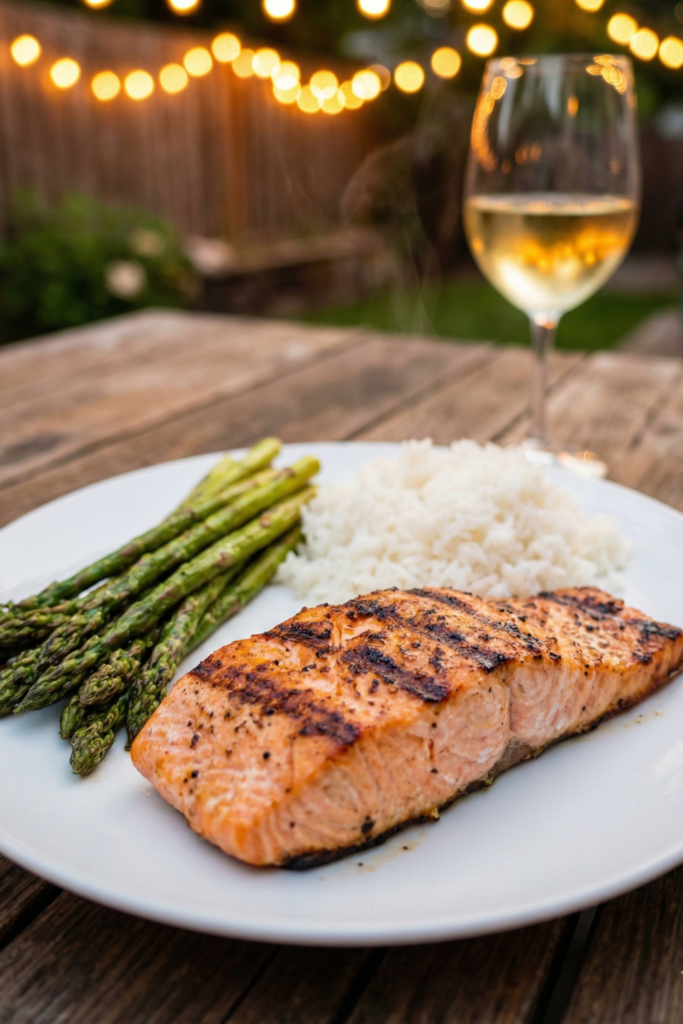
Ready to Serve the Best Grilled Salmon Recipe Ever?
So, there you have it. We have covered a lot of ground today, haven’t we? It feels like we just went through a grilling boot camp together. I remember the first time I actually nailed this recipe; I sat at the table and just stared at the plate. I couldn’t believe I made that. It looked like something from a fancy bistro, not my messy backyard.
Trust the Process
If you take anything away from this, let it be this: don’t overthink it. Cooking fish can feel scary because it’s expensive and delicate, but it really just comes down to heat control and patience.
Remember the basics we talked about? Keep that grill hot and clean. Don’t drown the fish in acid for hours. And please, for the love of food, don’t move the fillet until it releases itself. If you follow those simple rules, you are going to be the hero of the summer bbq recipes. It’s not rocket science; it’s just chemistry (and a little bit of magic).
Make It Your Own
Once you get comfortable with this method, have fun with it! Maybe swap the lemon for lime and add some chili powder for a taco vibe. Or try maple syrup instead of brown sugar. The technique stays the same, but the flavors can change with your mood.
I still get a little nervous every time I flip the fish—it’s like a reflex—but then I see those perfect grill marks, and I know it’s going to be a good night. Serving family friendly meals that are actually healthy (and that my kids don’t complain about) is a massive win in my book.
Keep This Recipe Handy
One last thing before I go wash the dishes (uggh, the worst part). If you found this guide helpful, do yourself a favor and save it. You don’t want to be scrolling frantically through your phone next July trying to remember if the grill temp should be 350 or 400.
Pin this post to your “Summer Dinner Ideas” or “Easy Seafood Recipes” board on Pinterest! It helps other home cooks find the recipe, and it saves you from future grilling disasters. Now, go fire up that grill and enjoy!