Miyoko’s butter recipe is a plant-based alternative to traditional dairy butter that delivers rich, creamy flavor and authentic cooking performance. This Miyoko’s butter recipe combines cultured cashew cream with refined coconut oil to create a spreadable, meltable butter that works beautifully in baking, cooking, and at the breakfast table. The Miyoko’s butter recipe has gained popularity among vegans, lactose-intolerant cooks, and home chefs seeking sustainable alternatives without compromising taste or texture. Making this Miyoko’s butter recipe at home takes roughly 15 minutes of active work and produces restaurant-quality results that rival commercial versions. This complete guide walks you through every step of creating your own Miyoko’s butter recipe from scratch.
| Prep Time | Cook Time | Total Time | Servings | Difficulty | Cuisine |
|---|---|---|---|---|---|
| 15 minutes | 0 minutes | 15 minutes | 12 servings | Easy | Vegan |
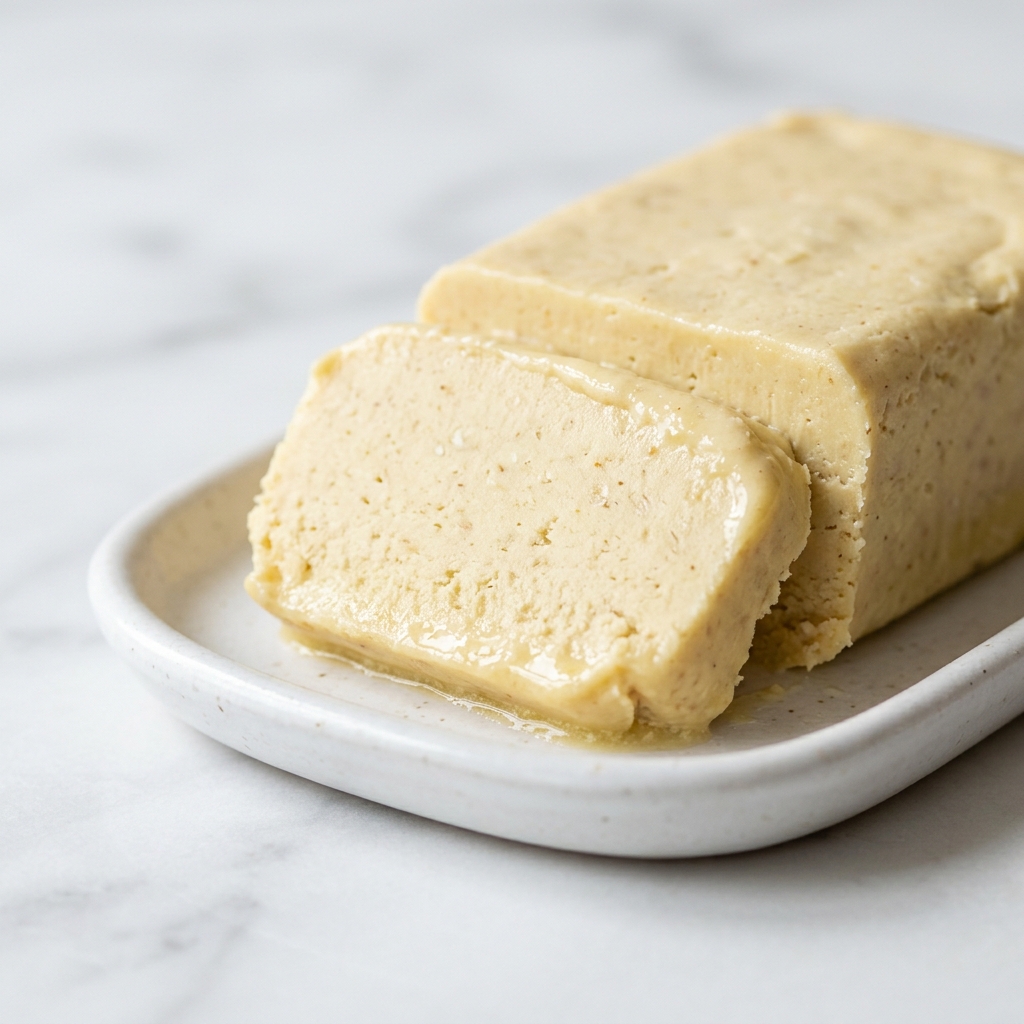
Table of Contents
Table of Contents
Why This Miyoko’s Butter Recipe Works
The Miyoko’s butter recipe works because it balances cultured cashew cream with coconut oil in precise proportions that create authentic butter texture and flavor. I’ve made countless batches of this Miyoko’s butter recipe, and the consistency remains reliable whether you’re using a food processor or blender. The cultured cashew element provides tangy depth that mimics dairy butter’s complexity, while coconut oil contributes the firmness needed for proper melting and spreading. This Miyoko’s butter recipe produces a finished product with a slightly grainy, rustic texture that feels genuinely homemade rather than overly processed.
The flavor profile of this Miyoko’s butter recipe develops through two distinct layers: the nutty richness from cashews and the subtle sweetness from coconut oil. Most home cooks worry that plant-based butter will taste artificial, but this Miyoko’s butter recipe delivers genuine dairy-like taste that satisfies in pastries, on toast, and in savory cooking. The Miyoko’s butter recipe also performs exceptionally well in laminated doughs for croissants and pain au chocolat, where the butter must maintain defined layers during folding. Kitchen confidence grows quickly when you realize this Miyoko’s butter recipe outperforms many commercial alternatives in both flavor and texture.
Making your own Miyoko’s butter recipe costs significantly less than purchasing pre-made vegan butter products from grocery stores. A single batch of this Miyoko’s butter recipe yields approximately one pound of finished butter for roughly one-third the retail price of commercial brands. The simplicity of this Miyoko’s butter recipe surprises most first-time makers, requiring only five basic ingredients and a food processor. This Miyoko’s butter recipe also allows you to control salt levels, adjust cultured depth, and customize flavor with optional additions like herbs or nutritional yeast.
The versatility of this Miyoko’s butter recipe extends across every cooking application imaginable. Use this Miyoko’s butter recipe for spreading on warm bread, melting over vegetables, creaming into cookie dough, or laminating pastry dough. This Miyoko’s butter recipe freezes beautifully for up to six months, making batch preparation an excellent strategy for busy households. Once you master this Miyoko’s butter recipe, you’ll understand why so many plant-based cooks maintain a regular production schedule.
Miyoko’s Butter Recipe Ingredients
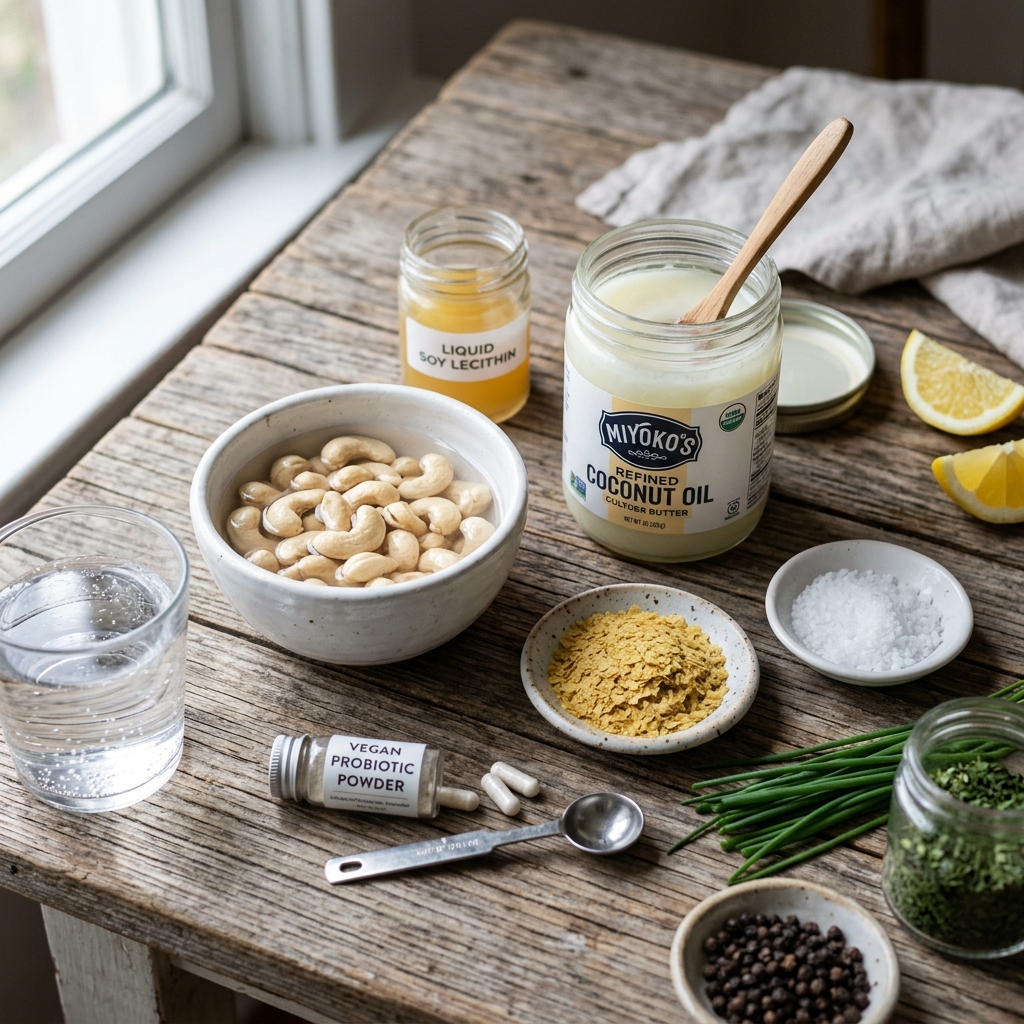
The best Miyoko’s butter recipe requires high-quality, carefully measured ingredients that work in concert to create proper emulsification and texture. Each ingredient in this Miyoko’s butter recipe serves a specific purpose, from adding richness to creating stability. Understanding what each component contributes helps you appreciate why this Miyoko’s butter recipe succeeds where less thoughtful recipes fail.
| Ingredient | Quantity | Notes and Alternatives |
|---|---|---|
| Raw cashews | 1 cup | Soak for at least 4 hours before blending. Use unsalted, raw cashews only. Avoid roasted varieties as they alter the final flavor profile of your Miyoko’s butter recipe. |
| Refined coconut oil | 6 tablespoons | Use refined coconut oil to avoid strong coconut flavor in your Miyoko’s butter recipe. Cold-pressed coconut oil will dominate the taste and make the Miyoko’s butter recipe less versatile. |
| Probiotic powder | 1/4 teaspoon | Adds cultured tang authentic to traditional butter. Brands like Miyoko’s contain specific strains. Substitute with a pinch of salt if unavailable, though your Miyoko’s butter recipe will lack depth. |
| Nutritional yeast | 1 tablespoon | Provides umami and subtle savory notes to your Miyoko’s butter recipe. Omit if unavailable, but the Miyoko’s butter recipe will taste less complex. |
| Sea salt | 1/2 teaspoon | Enhances all flavors in your Miyoko’s butter recipe. Adjust to taste preference. Fine sea salt works better than kosher salt for proper distribution throughout. |
| Filtered water | 3 tablespoons | Use room temperature water for optimal blending during your Miyoko’s butter recipe preparation. Cold water may cause the Miyoko’s butter recipe to seize. |
The foundation of any successful Miyoko’s butter recipe begins with high-quality raw cashews that have been properly soaked. Raw cashews contain natural oils that contribute to the creaminess essential for authentic Miyoko’s butter recipe texture. The refined coconut oil in your Miyoko’s butter recipe must be truly refined to avoid overwhelming plant-based flavor notes. Probiotic powder transforms a simple Miyoko’s butter recipe into something genuinely complex, adding the tangy cultured notes that distinguish premium butter alternatives.
How to Make Miyoko’s Butter Recipe
Creating your own Miyoko’s butter recipe requires careful attention to blending technique and ingredient temperature to achieve proper emulsification. The process of making this Miyoko’s butter recipe takes approximately 12-15 minutes from soaked cashews to finished butter ready for storage. Following these precise steps ensures your Miyoko’s butter recipe turns out creamy, spreadable, and indistinguishable from premium store-bought alternatives.
Preparation Phase for Your Miyoko’s Butter Recipe
- Soak one cup of raw cashews in hot filtered water for a minimum of four hours, allowing thorough softening for your Miyoko’s butter recipe blend.
- Drain the soaked cashews completely, discarding the soaking liquid before beginning your Miyoko’s butter recipe preparation.
- Measure all remaining ingredients for your Miyoko’s butter recipe into separate small bowls to ensure smooth workflow during blending.
- Ensure your food processor bowl and blade attachment are completely dry, as any residual moisture can compromise your Miyoko’s butter recipe texture.
Blending Phase for Your Miyoko’s Butter Recipe
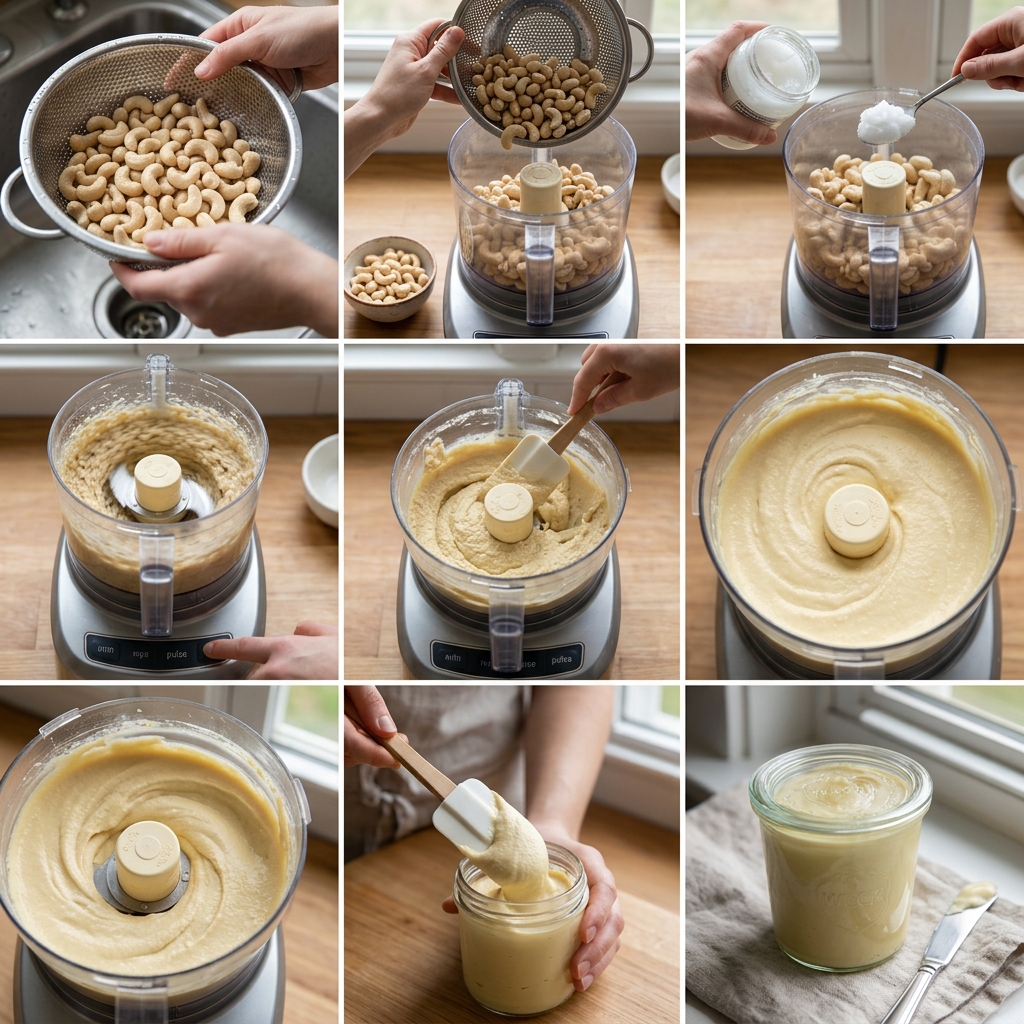
- Add the drained soaked cashews to your food processor and pulse for 15 seconds to break down initial chunks in your Miyoko’s butter recipe base.
- Pour the refined coconut oil into the processor and blend on high speed for 3-4 minutes, scraping sides frequently to ensure even processing of your Miyoko’s butter recipe.
- Add the room temperature filtered water gradually while the processor runs continuously, allowing proper emulsification throughout your Miyoko’s butter recipe.
- Sprinkle the probiotic powder, nutritional yeast, and sea salt directly into the running processor to distribute these flavoring agents evenly throughout your Miyoko’s butter recipe.
- Blend the complete mixture on high speed for an additional 5-7 minutes, pausing every minute to scrape down the processor sides and assess the Miyoko’s butter recipe consistency.
- Continue blending until your Miyoko’s butter recipe reaches a smooth, spreadable consistency resembling natural peanut butter, with no visible cashew pieces remaining.
Finishing and Storage Phase for Your Miyoko’s Butter Recipe
- Transfer your finished Miyoko’s butter recipe to a clean glass jar with an airtight lid, pressing down gently to eliminate air pockets.
- Cover your Miyoko’s butter recipe and refrigerate for at least two hours, allowing the finished product to firm up to spreadable consistency.
- Taste your Miyoko’s butter recipe and adjust salt or nutritional yeast if desired, blending briefly and re-storing until reaching your preferred flavor profile.
Chef Tips for Perfect Miyoko’s Butter Recipe
Creating the perfect Miyoko’s butter recipe requires understanding how temperature, timing, and technique influence the final product. These professional tips help you troubleshoot common challenges and consistently produce exceptional homemade Miyoko’s butter recipe.
- Temperature control matters significantly for Miyoko’s butter recipe success. Keep all ingredients at room temperature before blending your Miyoko’s butter recipe, as cold cashews or coconut oil extend blending time and may prevent proper emulsification. Cold ingredients can cause your Miyoko’s butter recipe to separate into grainy, unusable texture rather than developing the smooth consistency you’re seeking.
- Patience during the blending phase creates superior Miyoko’s butter recipe texture. Most home cooks stop blending their Miyoko’s butter recipe too early, resulting in grainy consistency. Continue blending for the full 5-7 minutes in the final phase even when your Miyoko’s butter recipe appears finished, as extended blending further smooths the texture and creates the desired spreadable consistency.
- Probiotic powder quality dramatically impacts your Miyoko’s butter recipe flavor depth. Purchase probiotic powder specifically formulated for culinary use rather than digestive supplements when making your Miyoko’s butter recipe. The active cultures in quality probiotic powder create the tangy, cultured notes that distinguish authentic Miyoko’s butter recipe from mediocre imitations.
- Water addition demands careful attention in your Miyoko’s butter recipe preparation. Add filtered water gradually to your Miyoko’s butter recipe in small increments rather than pouring all three tablespoons at once, as excessive moisture causes graininess. The Miyoko’s butter recipe should reach spreadable consistency, and excess water during blending prevents this crucial transformation.
- Scraping the processor frequently improves Miyoko’s butter recipe evenness. Pause blending every 30-45 seconds and use a rubber spatula to scrape down your food processor sides, ensuring all ingredients fully incorporate into your Miyoko’s butter recipe. Unscraped cashew chunks fail to process completely, resulting in gritty Miyoko’s butter recipe texture rather than the smooth consistency you’re targeting.
- Refrigeration time allows your finished Miyoko’s butter recipe to reach proper consistency. Don’t skip the two-hour refrigeration phase for your Miyoko’s butter recipe, as this cooling period firms the texture to ideal spreadable consistency. Warm Miyoko’s butter recipe straight from the blender appears too soft, though proper refrigeration reveals the correct final texture.
Common Miyoko’s Butter Recipe Mistakes to Avoid
Understanding common pitfalls prevents frustration when making your own Miyoko’s butter recipe and helps you troubleshoot problems quickly. Most Miyoko’s butter recipe failures result from easily correctable mistakes rather than flawed recipes themselves.
- Using roasted cashews instead of raw cashews ruins your Miyoko’s butter recipe flavor. Roasted cashews contain darker flavors that dominate the final Miyoko’s butter recipe taste, creating an unpleasant, overly toasted profile. Always purchase specifically labeled raw cashews when making your Miyoko’s butter recipe, checking packaging to ensure no roasting has occurred during processing.
- Inadequate soaking time prevents proper cashew processing in your Miyoko’s butter recipe. Soaking cashews for less than four hours means they remain too firm to blend smoothly, resulting in grainy, unpleasant Miyoko’s butter recipe texture. Plan ahead and soak cashews overnight or for at least six hours before making your Miyoko’s butter recipe to ensure sufficient softening.
- Using virgin or unrefined coconut oil overwhelms your Miyoko’s butter recipe with coconut flavor. Virgin coconut oil contains strong tropical notes that completely dominate the subtle tastes you’re trying to develop in your Miyoko’s butter recipe. Purchase specifically labeled refined coconut oil with neutral flavor to avoid compromising your Miyoko’s butter recipe taste profile.
- Stopping the blending process too early creates grainy Miyoko’s butter recipe texture. Many home cooks believe their Miyoko’s butter recipe is finished when it appears somewhat smooth, but premature stopping prevents full emulsification. Continue blending your Miyoko’s butter recipe for the complete recommended time even if it seems adequately processed, as extended blending creates the creamy, authentic texture you’re seeking.
- Skipping refrigeration results in overly soft Miyoko’s butter recipe consistency. Attempting to use your Miyoko’s butter recipe immediately after blending produces frustratingly soft texture unsuitable for spreading or cooking. Always refrigerate your finished Miyoko’s butter recipe for at least two hours before consuming, allowing the coconut oil to firm properly and create spreadable consistency.
- Using cold ingredients prevents proper emulsification of your Miyoko’s butter recipe. Starting with cold cashews or water causes blending to take significantly longer and may prevent full emulsification, resulting in separated, grainy Miyoko’s butter recipe. Allow all ingredients to reach room temperature before blending to ensure successful Miyoko’s butter recipe texture and flavor development.
Best Miyoko’s Butter Recipe Variations and Substitutions
Once you master the basic Miyoko’s butter recipe, exploring variations allows you to customize flavor and address dietary restrictions. These Miyoko’s butter recipe adaptations maintain the authentic butter performance while introducing exciting new taste dimensions and textures.
| Ingredient | Substitution | Impact on Flavor |
|---|---|---|
| Raw cashews in Miyoko’s butter recipe | Raw macadamia nuts or blanched almonds | Macadamias create richer, more luxurious Miyoko’s butter recipe flavor; almonds produce slightly more neutral, less rich Miyoko’s butter recipe taste |
| Refined coconut oil in Miyoko’s butter recipe | Avocado oil or sunflower oil | Avocado oil produces creamier Miyoko’s butter recipe with mild richness; sunflower oil creates lighter Miyoko’s butter recipe with quicker solidification |
| Probiotic powder in Miyoko’s butter recipe | Apple cider vinegar (1/2 teaspoon) | Vinegar adds tangy notes to Miyoko’s butter recipe but lacks the complex cultured depth that probiotic powder provides |
| Nutritional yeast in Miyoko’s butter recipe | Miso paste (1/2 teaspoon) or additional salt | Miso adds umami to Miyoko’s butter recipe with savory complexity; additional salt creates flatter, less nuanced Miyoko’s butter recipe flavor |
| Plain Miyoko’s butter recipe | Add fresh herbs like dill, basil, or thyme | Herb-infused Miyoko’s butter recipe transforms it into a compound butter perfect for vegetables and finishing dishes |
| Plain Miyoko’s butter recipe | Add 1 tablespoon pure maple syrup or honey | Sweetened Miyoko’s butter recipe works beautifully for pastry dough, croissants, and dessert applications |
The adaptability of Miyoko’s butter recipe makes it perfect for customization based on your specific needs. Creating herb-infused Miyoko’s butter recipe simply requires adding dried or fresh herbs to your blended base and mixing thoroughly before refrigeration. Garlic-flavored Miyoko’s butter recipe develops beautifully when you add roasted garlic to your Miyoko’s butter recipe during the final blending phase. Spiced Miyoko’s butter recipe variations incorporate turmeric, smoked paprika, or curry powder for savory applications where your Miyoko’s butter recipe will shine.
Dietary adaptations of Miyoko’s butter recipe work equally well for addressing restrictions or preferences. Low-sodium Miyoko’s butter recipe requires simply eliminating the added salt and relying on natural salts from nutritional yeast. Sugar-free Miyoko’s butter recipe omits maple syrup or honey, maintaining the savory profile perfect for general cooking. Soy-free Miyoko’s butter recipe eliminates miso paste variations, relying instead on probiotic powder for the cultured notes that define premium Miyoko’s butter recipe.
Serving Suggestions for Miyoko’s Butter Recipe
Your finished Miyoko’s butter recipe shines in countless serving applications ranging from simple toast to sophisticated pastry work. Exploring diverse serving ideas helps you appreciate the versatility of homemade Miyoko’s butter recipe.
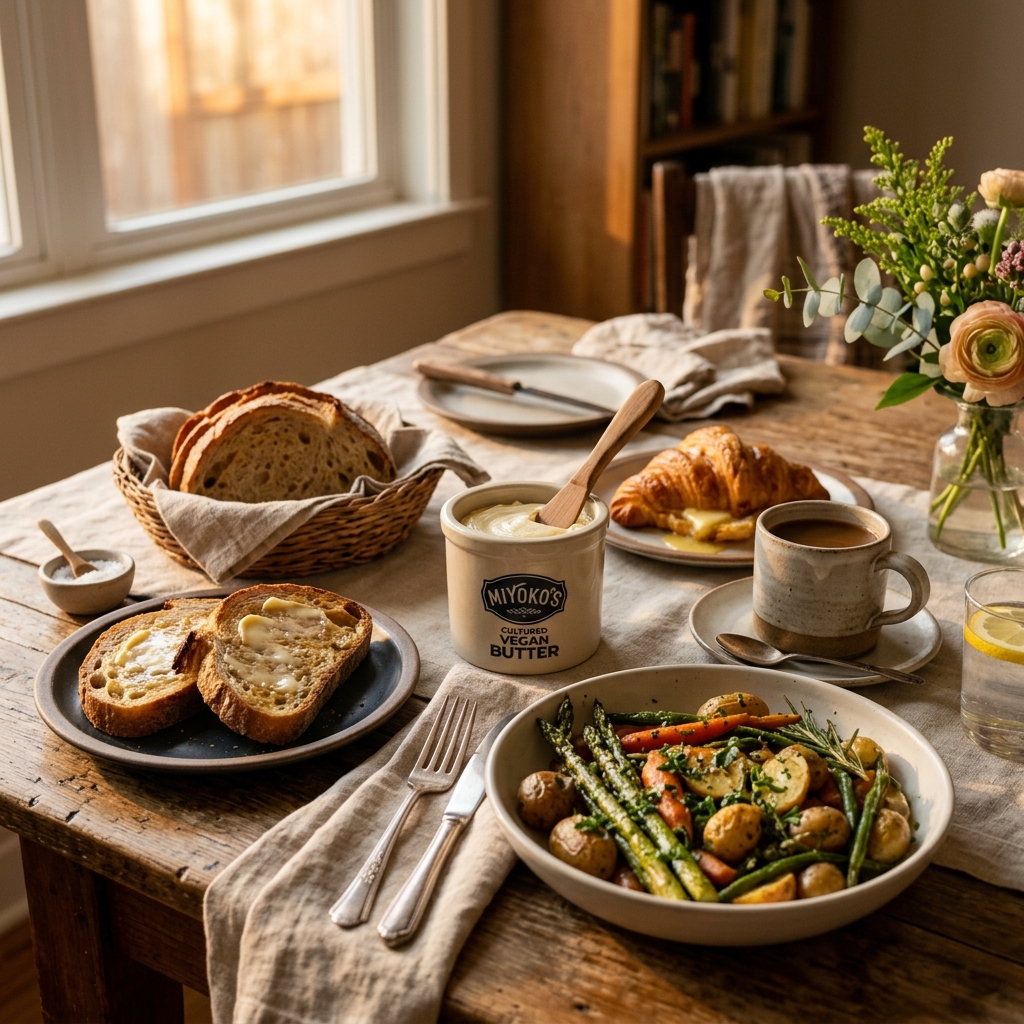
Breakfast applications showcase the distinctive flavor of your Miyoko’s butter recipe beautifully. Spread warm Miyoko’s butter recipe on fresh sourdough toast with sliced tomatoes and fresh basil for a simple yet satisfying morning meal. Melt your Miyoko’s butter recipe over hot oatmeal or breakfast grains for added richness without dairy. Croissants, pain au chocolat, and other laminated pastries benefit tremendously from your homemade Miyoko’s butter recipe, which provides authentic flaky layers identical to traditional butter versions.
Savory dinner dishes incorporate your Miyoko’s butter recipe with excellent results across numerous applications. Finish steamed vegetables with a generous dollop of Miyoko’s butter recipe and fresh herbs for elegant side dishes. Whisk your Miyoko’s butter recipe into vegetable broth to create rich, luxurious sauces for pasta, grains, or roasted vegetables. Prepare compound Miyoko’s butter recipe by mixing fresh herbs, lemon zest, and garlic into your cooled butter, then serving melting pats alongside warm crusty bread. Sauté mushrooms, onions, or other vegetables in your Miyoko’s butter recipe for superior depth compared to oil-based cooking.
Baking applications demonstrate why your homemade Miyoko’s butter recipe deserves space in your recipe rotation. Use your Miyoko’s butter recipe one-to-one as a direct substitute for dairy butter in cookie doughs, cake batters, and pie crusts. Cream softened Miyoko’s butter recipe with sugar to develop cupcake frostings with authentic dairy-like texture and flavor. Layer your Miyoko’s butter recipe into biscuit doughs and puff pastry for flaky, tender results that rival traditional baked goods.
Holiday gatherings and special occasions showcase the premium quality of your Miyoko’s butter recipe. Offer herb-infused Miyoko’s butter recipe with warm bread during dinner parties. Prepare herb butter pats of your Miyoko’s butter recipe to float atop holiday soups and vegetable dishes. Create dessert variations of your Miyoko’s butter recipe with vanilla extract or almond flavoring for pastries and baked treats.
Weeknight family meals become easier when you have homemade Miyoko’s butter recipe on hand for quick meal preparation. Toss your Miyoko’s butter recipe with hot pasta, frozen vegetables, and garlic for emergency weeknight dinners. Brush Miyoko’s butter recipe onto sandwiches before grilling for superior flavor and browning. Use your Miyoko’s butter recipe to create quick pan sauces for cooked grains or roasted vegetables with minimal additional ingredients.
Storage and Reheating for Miyoko’s Butter Recipe
Proper storage of your Miyoko’s butter recipe extends shelf life significantly while maintaining flavor and texture quality. Understanding storage methods ensures your homemade Miyoko’s butter recipe remains delicious for weeks or months.
| Storage Method | Duration | Instructions |
|---|---|---|
| Refrigerator storage for Miyoko’s butter recipe | 2-3 weeks | Transfer your Miyoko’s butter recipe to an airtight glass jar and store on the refrigerator shelf, away from the door where temperature fluctuates. Keep your Miyoko’s butter recipe away from strong-smelling foods as it absorbs odors readily. |
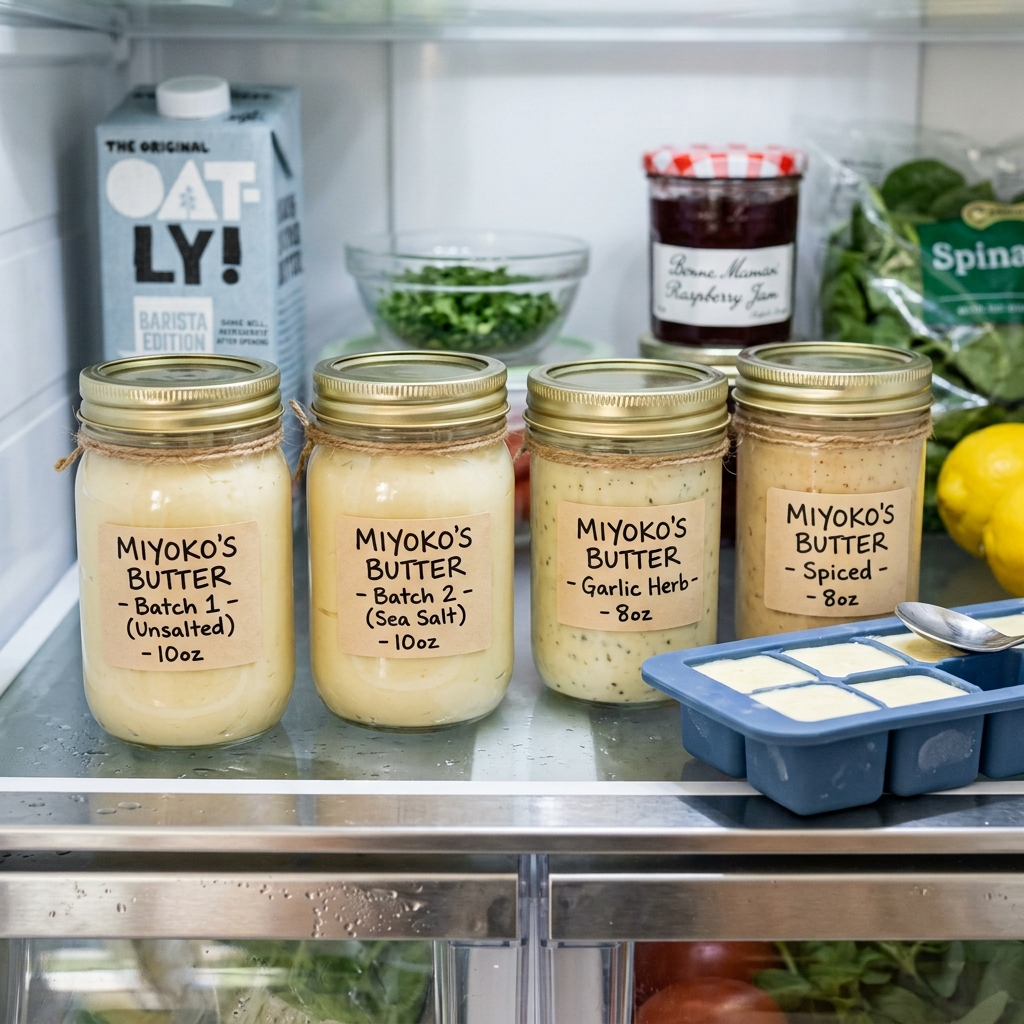
| Freezer storage for Miyoko’s butter recipe | 4-6 months | Portion your Miyoko’s butter recipe into ice cube trays or small containers before freezing, allowing convenient thawing for individual use. Wrap frozen Miyoko’s butter recipe portions in plastic wrap and store in a freezer-safe container to prevent freezer burn and maintain texture. |
| Counter storage for Miyoko’s butter recipe | 2-3 days | Store your Miyoko’s butter recipe in an airtight container away from direct sunlight and heat sources. Warm temperatures cause Miyoko’s butter recipe to separate and develop off-flavors, so maintain cool conditions below 70 degrees Fahrenheit. |
| Thawing frozen Miyoko’s butter recipe | Overnight | Move your Miyoko’s butter recipe from freezer to refrigerator and allow overnight thawing before use. Rapid thawing of Miyoko’s butter recipe at room temperature may cause separation or texture degradation. |
| Reheating separated Miyoko’s butter recipe | N/A | If your Miyoko’s butter recipe separates, blend it briefly in a food processor with a tablespoon of water to re-emulsify and restore smooth consistency. Separated Miyoko’s butter recipe remains food-safe but loses the preferred texture. |
Refrigerated storage represents the most practical approach for regularly using your Miyoko’s butter recipe throughout the week. Your Miyoko’s butter recipe will firm in the refrigerator and soften to spreading consistency as it reaches room temperature, typically within 15-20 minutes. If you need your Miyoko’s butter recipe softer more quickly, leave it on the counter for a brief period or microwave briefly at 50% power for 5-10 second intervals.
Freezer storage of your Miyoko’s butter recipe works excellently for batch preparation and long-term preservation. Portioning your Miyoko’s butter recipe into ice cube trays before freezing creates individual serving sizes perfect for quick thawing. Frozen Miyoko’s butter recipe cubes can go directly into the food processor for brief blending if they’ve developed separation during freezing, restoring smooth texture within seconds.
Make-ahead preparation using your Miyoko’s butter recipe becomes simple when you produce multiple batches monthly. Store your Miyoko’s butter recipe in clearly labeled containers with dates marked on each jar for inventory management. Your Miyoko’s butter recipe made two weeks prior remains fresher tasting than store-bought alternatives stored for months, so regular small batches serve most households well.
Nutritional Information for Miyoko’s Butter Recipe
Understanding the nutritional profile of your homemade Miyoko’s butter recipe helps with dietary planning and meal preparation decisions. This Miyoko’s butter recipe provides substantial calories and fat from nutritious plant-based sources, making it suitable for balanced eating patterns.
| Nutrient | Amount per Serving (1 tablespoon) |
|---|---|
| Calories | 90-100 calories |
| Total Fat | 10g |
| Saturated Fat | 3g |
| Monounsaturated Fat | 5g |
| Polyunsaturated Fat | 2g |
| Protein | 1g |
| Carbohydrates | 1-2g |
| Fiber | 0.5g |
| Sodium | 180mg |
Approximate nutritional values per one-tablespoon serving of Miyoko’s butter recipe. Values may vary based on specific brands and preparation methods used in your Miyoko’s butter recipe. The nutritional profile of your Miyoko’s butter recipe compares favorably to dairy butter, containing equivalent calories but with a superior fat composition featuring more heart-healthy unsaturated fats. This Miyoko’s butter recipe provides essential nutrients from cashews and coconut oil, including magnesium, zinc, and copper supporting overall wellness.
The fat composition of your Miyoko’s butter recipe offers advantages over traditional butter for health-conscious cooks. Your Miyoko’s butter recipe contains naturally occurring medium-chain triglycerides from coconut oil and omega-3 fatty acids from cashews, supporting metabolic health. This Miyoko’s butter recipe delivers minimal saturated fat compared to dairy butter, though it remains calorie-dense due to the oil content inherent in plant-based butter alternatives.
Frequently Asked Questions About Miyoko’s Butter Recipe
Can I Use Different Nuts to Make Miyoko’s Butter Recipe?
Yes, you can substitute various nuts in your Miyoko’s butter recipe to create different flavor profiles. Macadamia nuts produce richer, more luxurious Miyoko’s butter recipe, while blanched almonds create a more neutral alternative. Hazelnut-based Miyoko’s butter recipe develops wonderful depth suitable for baking and pastry applications. Always use raw, unsalted nuts in your Miyoko’s butter recipe for best results, and soak them adequately before blending.
What’s the Best Way to Make Miyoko’s Butter Recipe Last Longer?
Freezing is the most effective method for extending your Miyoko’s butter recipe shelf life. Portion your Miyoko’s butter recipe into ice cube trays before freezing to create convenient individual servings lasting 4-6 months. Store frozen Miyoko’s butter recipe portions in freezer-safe containers wrapped securely to prevent freezer burn. Thaw your Miyoko’s butter recipe overnight in the refrigerator before use for optimal texture and safety.
How Do I Know When Miyoko’s Butter Recipe Has Reached Perfect Consistency?
Your Miyoko’s butter recipe has reached perfect consistency when it’s completely smooth without visible cashew particles and resembles natural peanut butter in texture. After refrigeration, your Miyoko’s butter recipe should spread easily at room temperature while remaining firm enough to hold shape. If your Miyoko’s butter recipe remains too grainy after blending, continue processing for an additional 2-3 minutes to ensure complete emulsification.
Can I Make Miyoko’s Butter Recipe Without a Food Processor?
A high-powered blender like a Vitamix can successfully create Miyoko’s butter recipe, though processing takes slightly longer than a food processor. A regular blender may struggle to properly emulsify your Miyoko’s butter recipe due to insufficient power, resulting in grainy texture. Food processors remain the best option for Miyoko’s butter recipe preparation, but immersion blenders with adequate power can work in a pinch with extended blending time.
Is Homemade Miyoko’s Butter Recipe Suitable for Baking Laminated Doughs?
Absolutely, homemade Miyoko’s butter recipe works excellently for croissants, pain au chocolat, and other laminated doughs requiring flaky layers. Your Miyoko’s butter recipe must be properly chilled to refrigerator firmness before lamination and remains stable during the folding process. Use your Miyoko’s butter recipe at precisely the same temperature as traditional butter to ensure consistent lamination results in your baked goods.
What Should I Do if Miyoko’s Butter Recipe Separates After Blending?
Separated Miyoko’s butter recipe indicates incomplete emulsification, easily correctable with brief re-blending. Return your separated Miyoko’s butter recipe to the food processor and blend for 2-3 minutes with one tablespoon of water to re-emulsify. Your Miyoko’s butter recipe should return to smooth, spreadable consistency after this additional blending. If separation occurs after refrigeration, it typically indicates the blending was incomplete initially.
Can I Add Salt to Miyoko’s Butter Recipe After Making It?
You can adjust salt levels in your finished Miyoko’s butter recipe through brief re-blending with additional salt or water as needed. Add salt gradually in small increments to avoid over-salting your Miyoko’s butter recipe, then blend briefly to distribute evenly. Taste frequently during this adjustment to reach your preferred Miyoko’s butter recipe flavor without overdoing sodium content.
How Should I Store Miyoko’s Butter Recipe for a Dinner Party?
For a dinner party, store your Miyoko’s butter recipe in a beautiful serving dish covered with plastic wrap in the refrigerator up to two hours before guests arrive. Remove your Miyoko’s butter recipe from refrigeration approximately 15 minutes before serving to achieve optimal spreading consistency. Prepare herb-infused variations of Miyoko’s butter recipe in advance and store similarly for elegant presentation alongside fresh bread.
Does Miyoko’s Butter Recipe Perform Identically to Dairy Butter in All Recipes?
Your Miyoko’s butter recipe performs nearly identically to dairy butter in most cooking applications, with occasional minor adjustments needed in sensitive recipes. Biscuits and scones made with Miyoko’s butter recipe may require slightly increased liquid due to differing moisture content. Your Miyoko’s butter recipe works perfectly in cookies, pastries, sauces, and vegetable cookery without modification.
What Probiotic Powder Is Best for Making Miyoko’s Butter Recipe?
Miyoko’s brand probiotic powder specifically formulated for butter-making produces authentic cultured flavor in your Miyoko’s butter recipe. Garden of Life and Vitality SuperFoods also create excellent results in homemade Miyoko’s butter recipe. Avoid digestive supplement probiotics, as they contain different strains and additives that compromise your Miyoko’s butter recipe flavor. Look for probiotics specifically marketed for culinary use when making Miyoko’s butter recipe.
Can I Make Miyoko’s Butter Recipe Completely Oil-Free?
No, you cannot make authentic Miyoko’s butter recipe without oil, as coconut oil provides the firmness and texture essential to the butter experience. Attempting oil-free Miyoko’s butter recipe results in nut cream rather than spreadable butter, lacking the distinct cooking properties that define true butter substitutes. Embrace the coconut oil component as essential to achieving genuine Miyoko’s butter recipe results.
Conclusion
Mastering this Miyoko’s butter recipe transforms your home cooking experience by delivering consistent, delicious plant-based butter whenever you need it. Creating your own Miyoko’s butter recipe proves faster and more economical than purchasing commercial alternatives, while offering superior flavor and texture control. The simplicity of this Miyoko’s butter recipe belies the premium results it consistently produces, making it perfect for busy cooks seeking reliable homemade solutions. Once you experience the distinctive tang of cultured Miyoko’s butter recipe combined with the creamy richness of cashew and coconut oil, you’ll understand why so many plant-based home cooks maintain regular production batches. Your finished Miyoko’s butter recipe delivers the authentic spread, melt, and baking performance that brings joy to breakfast tables, pastry projects, and savory dinner applications alike.
Related Recipes You’ll Love
One-Pan Kuku Paka Recipe
Cold Peanut Ginger Noodles Recipe
Lemon Lovers Pasta Primavera Recipe
What Is The Baking Soda Recipe For Weight Loss
Yerba Mate Recipe
Harissa Chickpeas With Turmeric Rice recipe
Basic Cooked Plantains recipe
Expert Resources and Food Safety
USDA Nutrition Guidelines and Food Safety Information |
FDA Food Safety and Handling Recommendations
Miyoko’s Butter Recipe 2026
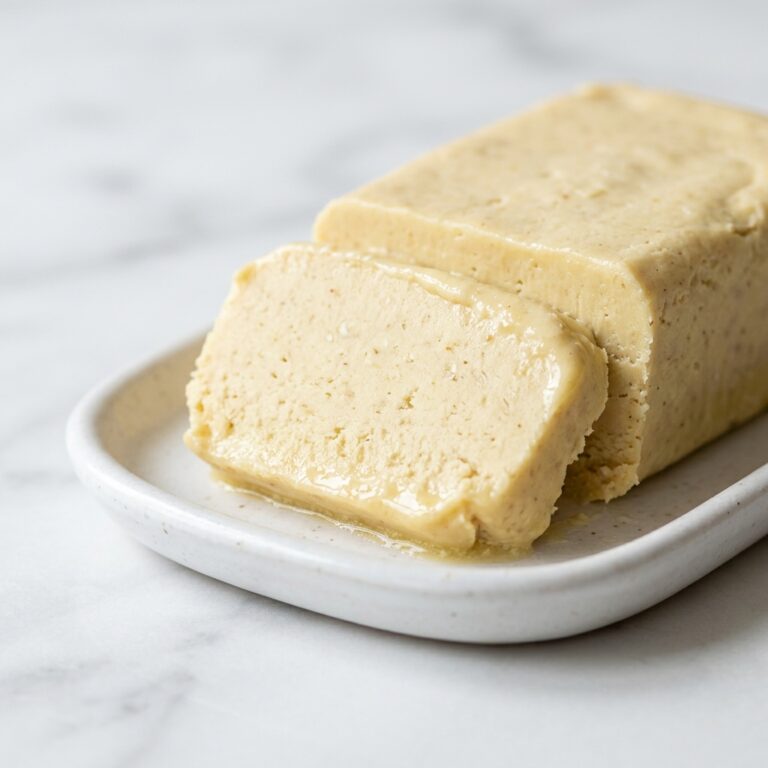
This Miyoko’s butter recipe combines cultured cashew cream with refined coconut oil to create a spreadable, meltable butter that works beautifully in baking, cooking, and at the breakfast table.
- Total Time: 15 minutes
- Yield: 12 servings 1x
Ingredients
- 1 cup raw cashews (soaked for at least 4 hours and drained)
- 6 tablespoons refined coconut oil
- 1/4 teaspoon probiotic powder
- 1 tablespoon nutritional yeast
- 1/2 teaspoon sea salt
- 3 tablespoons filtered water (room temperature)
Instructions
- Soak one cup of raw cashews in hot filtered water for a minimum of four hours, allowing thorough softening.
- Drain the soaked cashews completely, discarding the soaking liquid before beginning preparation.
- Measure all remaining ingredients into separate small bowls to ensure smooth workflow during blending.
- Ensure your food processor bowl and blade attachment are completely dry to protect texture.
- Add the drained soaked cashews to your food processor and pulse for 15 seconds to break down initial chunks.
- Pour the refined coconut oil into the processor and blend on high speed for 3-4 minutes, scraping sides frequently.
- Add the room temperature filtered water gradually while the processor runs continuously, allowing proper emulsification.
- Sprinkle the probiotic powder, nutritional yeast, and sea salt directly into the running processor to distribute evenly.
- Blend the complete mixture on high speed for an additional 5-7 minutes, pausing every minute to scrape down the processor sides.
- Continue blending until your butter reaches a smooth, spreadable consistency with no visible cashew pieces remaining.
- Transfer your finished butter to a clean glass jar with an airtight lid, pressing down gently to eliminate air pockets.
- Cover and refrigerate for at least two hours, allowing the finished product to firm up to spreadable consistency.
Notes
Keep all ingredients at room temperature before blending to prevent separation. Store in an airtight glass jar in the refrigerator for 2-3 weeks or freeze for up to 4-6 months.
- Prep Time: 15 minutes
- Cook Time: 0 minutes
- Category: Spread
- Method: Blending
- Cuisine: Vegan
- Diet: Vegan
Nutrition
- Serving Size: 1 tablespoon
- Calories: 95
- Sugar: 0g
- Sodium: 180mg
- Fat: 10g
- Saturated Fat: 3g
- Unsaturated Fat: 7g
- Trans Fat: 0g
- Carbohydrates: 1.5g
- Fiber: 0.5g
- Protein: 1g
- Cholesterol: 0mg